


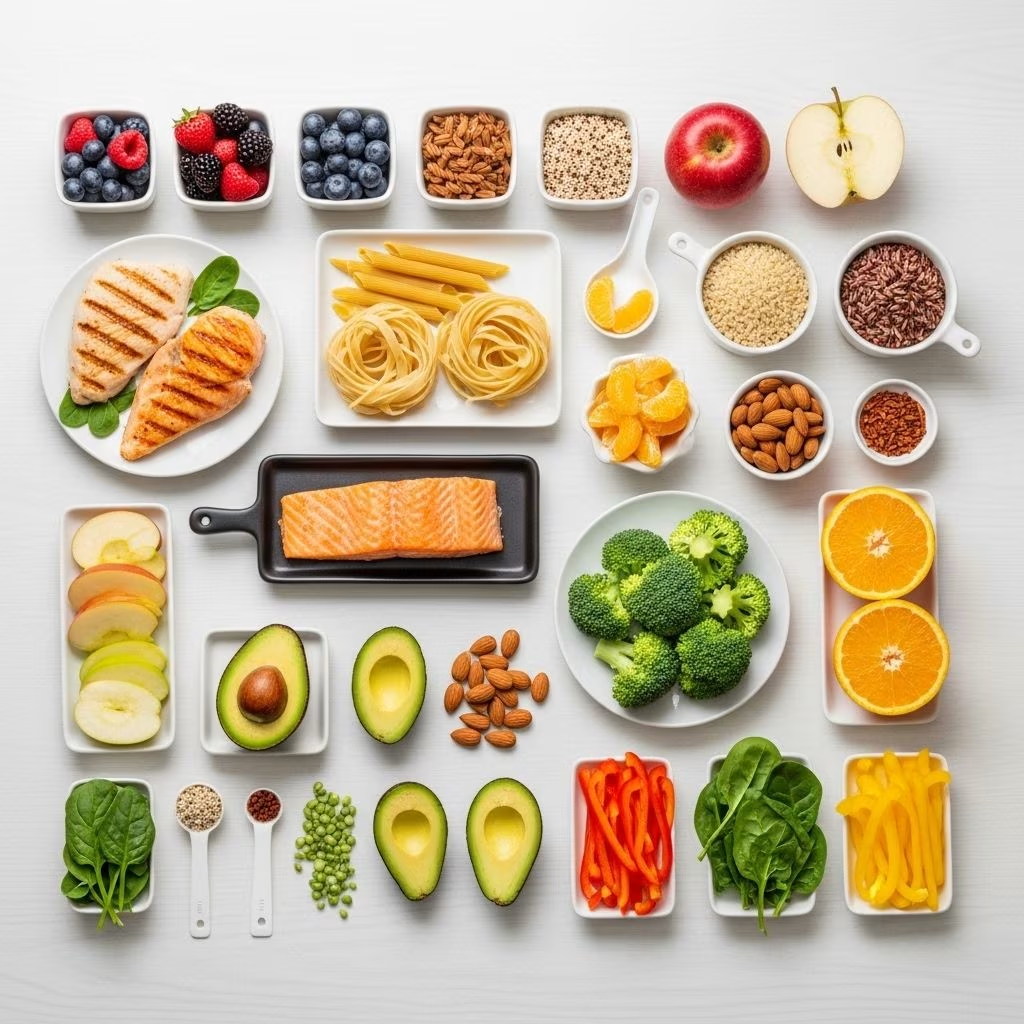
Portion control is one of the most powerful—and often underestimated—tools for weight loss. Many people unknowingly sabotage their efforts by consuming portions far larger than recommended, even when choosing healthy foods. With the trends of oversized restaurant meals and jumbo snack bags, understanding what a true serving looks like is more crucial than ever. This guide provides easy, visual comparisons and actionable techniques so you can master portion control and create balanced, satisfying meals that support your weight loss goals.
Why Portion Control is Essential for Weight Loss
Even nutritious foods can lead to weight gain if eaten in excess. Over the years, the average plate and package size has expanded, making it difficult to recognize how much is actually enough. Portion control helps you:
- Reduce caloric intake without eliminating favorite foods
- Develop mindful eating habits by recognizing hunger and fullness cues
- Prevent mindless overeating common with large packages or buffets
- Balance your plate for long-term weight management and improved nutrition
How to Visualize Food Portions Without Measuring Tools
Constantly weighing or measuring food can feel tedious. Fortunately, you can use everyday objects as simple visual cues for estimating portions:
- Deck of cards: a portion of cooked meat, poultry, or fish (2–3 oz)
- Baseball: one cup of leafy greens or whole fruit
- Golf ball: two tablespoons of nut butter or cheese
- Dice: one serving of cheese (about 1 oz)
- Palm of your hand: the right portion for lean protein
- Tennis ball: one medium serving of starch or fruit
- CD or DVD: one serving of pancakes or waffles
These simple comparisons make it easy to serve yourself appropriate portions whether you’re at home or dining out.
The Divided Plate Method for Perfectly Portioned Meals
Using your plate as your guide is one of the easiest ways to build a balanced, portion-controlled meal:
- Fill half your plate with non-starchy vegetables. Think broccoli, spinach, peppers, carrots, salad greens, and tomatoes. These are low in calories but high in fiber, vitamins, and minerals.
- Reserve a quarter of your plate for lean protein. This can be chicken, turkey, fish, tofu, beans, or eggs. Adequate protein helps preserve muscle during weight loss and keeps you fuller longer.
- Use the last quarter for whole grains or starchy veggies. Brown rice, quinoa, whole wheat pasta, sweet potatoes, or corn are healthy options. Keeping these portions in check prevents overdoing high-calorie starches.
If you’re still hungry after finishing your plate, go back for more vegetables only.
How Much is a Serving? Easy Portion Size References
Serving sizes can be confusing, especially since food industry portions have grown much larger. Here is a breakdown of standard serving sizes for common foods, along with everyday object references:
| Food | Serving Size | Visual Reference |
|---|---|---|
| Cooked meat, poultry, or fish | 2–3 oz | Deck of cards |
| Cooked vegetables | 1/2 cup | Small computer mouse or lightbulb |
| Leafy greens | 1 cup | Baseball or a closed fist |
| Cooked whole grains (rice, pasta, quinoa) | 1/2 cup | Lightbulb |
| Fresh fruit | 1 medium | Tennis ball |
| Dried fruit | 1/4 cup | Golf ball |
| Cheese | 1 oz | 4 dice |
| Bread | 1 slice | CD case |
| Nuts | 1 oz (16–18 nuts) | Small handful or 1 plush powder puff |
| Peanut butter | 2 tablespoons | Ping-pong ball |
Visual Portion Comparisons for Common Foods
Here are quick visual guides for everyday foods, making portion estimation simple at a glance:
- Tofu: 1/2 cup (about the size of a soap bar)
- Pat of butter: 1 teaspoon (bottle cap)
- Avocado: 2 tablespoons (dental floss container)
- Granola: 1/4 cup (plastic Easter egg)
- Olive oil: 1 tablespoon (poker chip)
- Raisins: 1/4 cup (golf ball)
- Watermelon: 2 cups (soup can)
- Quinoa: 1/3 cup dry = 1 cup cooked (Gerbera daisy)
- Cashews: 1 oz or 16–18 nuts (plush powder puff)
Serving Sizes by Food Group
Grains
- 7–8 servings recommended, with at least half whole grains.
- 1 serving equals:
- 1 slice whole grain bread
- 1/2 cup cooked rice, pasta, or cereal
- 1 ounce dry cereal (usually 1/2 to 1 1/4 cups)
- 2 cups cooked popcorn
Fruits
- 4–5 servings recommended.
- 1 serving equals:
- 6 oz (3/4 cup) fruit juice
- 1 medium whole fruit (banana, apple, peach, orange)
- 1/4 cup dried fruit
- 1/2 cup fresh, frozen, or canned fruit
Vegetables
- 4–5 servings recommended.
- 1 serving equals:
- 1 cup raw leafy vegetables
- 1/2 cup cooked vegetables
- 6 oz vegetable juice
Dairy
- 1–2 servings recommended, low-fat versions preferred.
- 1 serving equals:
- 1 cup milk
- 6 oz low-fat yogurt
- 1 oz cheese
Protein
- Lean meats, poultry, fish, eggs, beans, and tofu are best.
- 1 serving equals:
- 2–3 oz cooked meat, poultry, or fish
- 1 egg
- 1/4 cup beans or tofu
- 1 tablespoon peanut butter
Tips for Easy Portion Control Anywhere
- Use smaller plates and bowls: You’ll serve yourself less and feel more satisfied.
- Don’t eat straight from the package: Always portion snacks into a dish or baggy.
- Read labels carefully: Portions listed aren’t always realistic—check how many servings the package really contains.
- Slow down when eating: Give your body time to register fullness, and stop when comfortably satisfied, not stuffed.
- Fill up on vegetables first: Start meals with a salad or a side of raw veggies.
- Visualize restaurant portions: Restaurant entrees often serve 2–3 times the recommended amount. Immediately box up half for later or share with a friend.
Common Portion Pitfalls (and How to Avoid Them)
- Supersized restaurant portions: Split entrees, order appetizers as meals, or box extras before you begin.
- Snacking directly from large bags: Divide snacks into individual servings after shopping.
- Confusing serving vs. portion: Remember, a serving is a standard measured amount; your portion is what you actually eat, which may be more—or less!
- Overpouring oils/nut butters: Use measuring spoons until accurate muscle memory is developed.
Sample Portion-Controlled Meal Plans
| Meal | Foods | Visual Portion Guide |
|---|---|---|
| Breakfast | 1 whole grain English muffin, 1 tbsp peanut butter, 1 small banana | CD case, ping-pong ball, tennis ball |
| Lunch | 3 oz grilled chicken, 2 cups salad greens, 1/2 cup brown rice, 2 tbsp vinaigrette | Deck of cards, baseball, lightbulb, poker chip |
| Snack | 1/4 cup almonds, 1 medium apple | Golf ball, tennis ball |
| Dinner | 3 oz salmon, 1 cup roasted broccoli, 1/2 cup quinoa, 2 tsp olive oil | Deck of cards, baseball, lightbulb, two dice |
Frequently Asked Questions
Q: Why does portion control work for weight loss?
A: Because weight loss comes down to calories in versus calories out. Portion control prevents mindless overeating, especially as portions have increased. It helps align intake with individual needs, which is crucial for sustainable weight reduction.
Q: Is it necessary to measure everything I eat forever?
A: No. Measuring and weighing food at first is very helpful for learning what proper portions look like. Over time, using visual guides and practicing mindfulness becomes easier and more sustainable.
Q: Can I really lose weight by just managing my portions, without eliminating foods?
A: Yes. As long as your servings align with your body’s energy needs, portion control enables you to include all foods in a healthy, sustainable way. No need to give up favorites—simply enjoy them in reasonable amounts.
Q: Do serving sizes change based on age, sex, or activity level?
A: Standard serving sizes are general recommendations. Individual needs often vary, so active people, men, or teenagers may require larger portions, while sedentary individuals need less. It’s best to adjust portions based on hunger, fullness, and personal energy needs.
Q: How do I estimate portions when eating out?
A: Estimate visual comparisons (deck of cards for meat, tennis ball for starch, etc.). You can also ask for a to-go box immediately and set aside half, or share large entrees with a dining partner.
Action Steps to Master Portion Control Today
- Start by measuring typical portions at home for a week to recalibrate your eyes.
- Substitute smaller plates and bowls for meals and snacks.
- Use the plate method—half for veggies, a quarter for lean protein, a quarter for whole grains.
- Reference everyday objects to estimate on the go.
- Prioritize slow, mindful eating so your stomach can signal fullness.
With these practical tips and visual cues, achieving and maintaining weight loss becomes much simpler and more attainable—no calorie counting required. Portion control is your smart, sustainable strategy for lifelong healthy eating success.
References
- https://www.prevention.com/food-nutrition/a20484749/what-healthy-food-portions-look-like/
- https://www.prevention.com/weight-loss/a20430331/diet-and-healthy-eating-portions/
- https://www.prevention.com/weight-loss/a20427952/diets-and-weight-loss/
- https://www.prevention.com/weight-loss/g20494462/eating-habits-for-weight-loss/
- https://www.prevention.com/weight-loss/g20502327/what-serving-sizes-look-like/
- https://www.prevention.com/weight-loss/a20473778/simple-portion-size-chart/
- https://www.prevention.com/weight-loss/a20430335/food-portions-for-weight-loss/
- https://www.prevention.com/weight-loss/a20466917/your-guide-to-calories-and-portion-sizes/
- https://www.prevention.com/weight-loss/g20458643/the-perfect-day-of-eating/
- https://www.prevention.com/fitness/a37857801/7-day-weight-loss-preparation-guide/


