


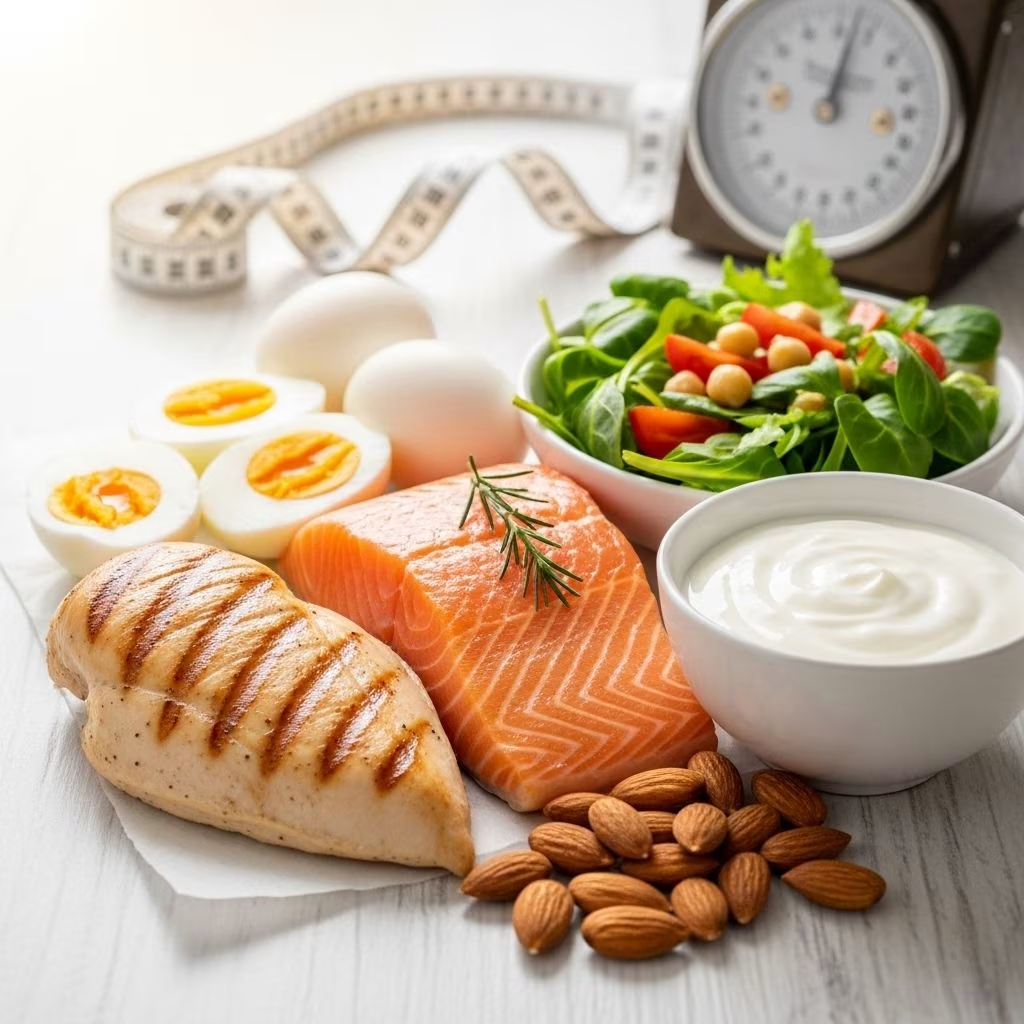
Protein is more than just a macronutrient for muscle builders—it’s a critical component of a successful, long-term weight loss strategy. For years, experts have debated the best weight-loss diet plans, but the science continues to show that when it comes to shedding pounds and keeping them off, protein should hold center stage. Adding more protein to your daily diet can offer powerful and sustainable benefits, impacting everything from your hunger levels to your metabolic rate and body composition.
Why Protein Is Essential for Weight Loss
Unlike fats and carbohydrates, protein has unique properties that make it a standout for people aiming to lose weight:
- Satiety: Protein promotes greater feelings of fullness, which can naturally curb your calorie intake without feeling deprived.
- Preservation of Lean Mass: Consuming enough protein is crucial to protect your muscle mass during periods of weight loss, so your body is less likely to burn muscle for fuel.
- Increased Thermogenesis: The body burns more calories digesting protein than it does carbohydrates or fats, known as the “thermic effect of food.”
- Blood Sugar Regulation: Protein can help maintain steadier blood sugar levels, reducing energy crashes and cravings between meals.
The Science Behind Protein and Weight Loss
Research over the past decade has established multiple mechanisms through which a higher protein intake facilitates weight loss and improved body composition:
- Decreased Appetite: High protein intake increases anorexigenic (appetite-suppressing) gut hormones such as glucagon-like peptide-1 and peptide YY, while lowering levels of ghrelin, a hormone that stimulates hunger.
- Lower Caloric Intake: Because people feel fuller after eating protein-rich meals, they tend to eat fewer total calories per day, leading naturally to weight loss.
- Fat Loss While Preserving Muscle: When calories are restricted, higher protein diets preserve fat-free mass (muscle, bone, and organs) better than lower-protein diets.
- Metabolic Efficiency: Protein helps maintain a higher resting energy expenditure because it helps to retain lean mass, which is more metabolically active than fat tissue.
How Protein Influences Your Appetite and Satiety
One of the standout features of protein is its ability to help you feel satisfied after a meal. Clinical research shows that high-protein diets boost the levels of hormones that signal fullness to your brain. As a result:
- You feel less need to snack between meals or late at night
- Your overall calorie intake decreases without active restriction or counting
- Food cravings, especially for junk foods rich in sugar or refined grains, tend to be diminished
A Rutgers study found that individuals increasing their protein intake—modestly from 18% to 20% of their calories—consistently made healthier food choices, gravitating toward more green vegetables and reducing added sugars and refined grains.
How Much Protein Should You Eat for Weight Loss?
There’s no one-size-fits-all answer, but weight loss experts and nutrition guidelines often recommend the following:
- The Recommended Dietary Allowance (RDA) for healthy adults is 0.8 grams of protein per kilogram of body weight per day.
- For effective weight loss and muscle maintenance, many studies suggest increasing intake to 1.2–1.6 grams per kilogram of body weight per day.
- Older adults, athletes, and individuals on calorie-restricted diets may need even higher amounts to offset muscle loss and support metabolism.
Example Calculation: If you weigh 150 pounds (68 kg), you might aim for roughly 82–109 grams of protein daily for optimal benefits.
Best Protein Sources for Effective Weight Loss
While all protein is beneficial, the quality of your protein sources matters. Nutrient-dense, minimally processed options provide additional health benefits:
- Lean Meats: Skinless chicken, turkey, lean beef, and pork tenderloin
- Seafood: Salmon, tuna, cod, shrimp
- Eggs: Whole eggs and egg whites
- Low-Fat Dairy: Greek yogurt, cottage cheese, skim milk
- Plant Proteins: Beans, lentils, tofu, edamame, tempeh, quinoa
- Nuts and Seeds: Almonds, walnuts, chia seeds, pumpkin seeds (in moderation due to calorie density)
| Food | Serving Size | Protein (g) |
|---|---|---|
| Chicken Breast (cooked) | 3 oz | 26 |
| Eggs | 2 large | 12 |
| Greek Yogurt | 6 oz | 15 |
| Lentils (cooked) | 1 cup | 18 |
| Tofu | 4 oz | 10 |
| Salmon | 3 oz | 22 |
| Black Beans (cooked) | 1 cup | 15 |
Does Protein Help With Belly Fat?
While spot reduction of fat isn’t generally possible, high-protein diets do help reduce total body fat, including the often-stubborn fat found around the midsection. This is because higher protein intake preserves lean muscle—even while in a calorie deficit—resulting in an increased rate of fat burning. Clinical trials have shown that participants on high-protein calorie-restricted diets lose more fat mass than those on lower-protein plans.
Long-Term Benefits: Maintenance and Metabolic Health
Beyond initial weight loss, protein continues to help in the maintenance phase. Studies report that people who keep their protein intake higher while trying to maintain their new, lower weight are less likely to experience rebound weight gain. Protein also assists in other important areas:
- Prevents loss of resting metabolic rate by supporting lean tissue
- Reduces risk of osteoporosis and helps maintain bone health in older adults
- Stabilizes energy and blood sugar, which is beneficial for metabolic health and can support diabetes prevention
Are There Any Downsides to High-Protein Diets?
While most healthy adults can safely consume higher levels of protein, there are important considerations:
- Some clinical studies indicate that extremely high protein intake may blunt the improvement in insulin sensitivity typically seen with weight loss, especially in certain populations such as postmenopausal women.
- Individuals with chronic kidney disease should consult their doctor before increasing protein, as excessive intake may exacerbate kidney problems.
- Balance matters: Eating a variety of food groups is important for overall nutrition. Protein should not entirely displace healthy sources of fiber, vitamins, and minerals.
Overall, the benefits of a moderate increase in protein—especially when substituting for processed carbs and added sugars—far outweigh any risks for most people.
Expert Tips for Increasing Protein in Your Diet
- Start with breakfast: Aim to include eggs, Greek yogurt, or a protein shake in the morning instead of relying on toast or cereal alone.
- Prioritize protein at every meal: Fill one-quarter to one-third of your plate with a protein source.
- Include plant-based proteins: Not only are they rich in valuable nutrients, but they also add variety and fiber to your meals.
- Snack smart: Choose snacks like cottage cheese, roasted chickpeas, turkey rolls, or string cheese.
- Read labels: If you use convenience foods, pick those offering at least 8–10 grams of protein per serving.
FAQ: Frequently Asked Questions
Q: Will eating too much protein harm my kidneys?
A: For healthy adults, higher protein diets are not shown to harm kidney function. People with pre-existing kidney disease should consult their doctor before increasing protein intake significantly.
Q: Can I get enough protein on a vegetarian or vegan diet?
A: Yes, with careful planning. Include beans, lentils, tofu, tempeh, edamame, whole grains, nuts, and seeds in your diet for ample plant-based protein.
Q: How much protein is too much?
A: Most research shows intake up to 2 grams per kilogram body weight is safe for healthy adults. Beyond this, consult a healthcare provider, especially if you have known medical conditions.
Q: Does more protein mean more muscle?
A: Consuming more protein supports muscle retention, especially during weight loss or with strength training, but it must be accompanied by appropriate exercise to build new muscle.
Key Takeaways
- Higher protein intake helps you feel fuller, eat less, and burn more calories through digestion and muscle retention.
- It improves body composition by preserving lean mass while losing fat, especially during calorie restriction.
- Most people benefit from a modest protein increase during weight loss, but extremely high protein diets may have certain metabolic drawbacks.
- Focus on high-quality protein sources and combine them with a balanced diet rich in vegetables, whole grains, and healthy fats for optimal weight loss and health benefits.
Always consult a registered dietitian or healthcare provider before making major changes to your diet, especially if you have underlying health conditions or specific nutritional requirements.
References
- https://pubmed.ncbi.nlm.nih.gov/32699189/
- https://medicine.washu.edu/news/high-protein-diet-curbs-metabolic-benefits-weight-loss/
- https://www.rutgers.edu/news/higher-protein-intake-while-dieting-leads-healthier-eating
- https://www.kumc.edu/about/news/news-archive/protein-benefits.html/
- https://medicine.illinois.edu/news/weight-loss-success-depends-on-eating-more-protein-fiber-while-limiting-calories-study-finds
- https://www.mayoclinic.org/healthy-lifestyle/nutrition-and-healthy-eating/expert-answers/high-protein-diets/faq-20058207
- https://www.ahajournals.org/doi/10.1161/hc4001.096152


