


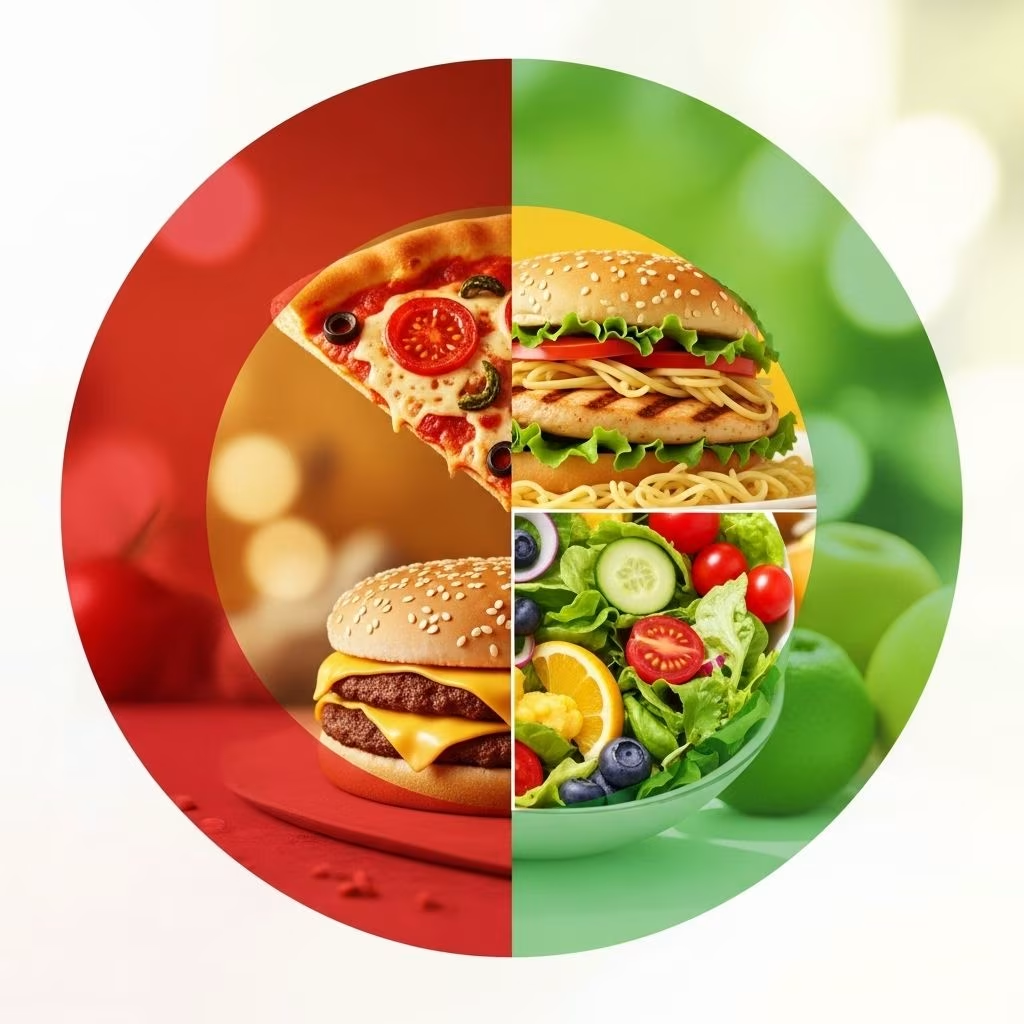
The Red, Yellow, Green Light Food Method: A Simple Guide to Healthier Choices
Choosing what to eat can feel overwhelming with today’s endless food options and ever-changing nutrition advice. To make smart choices easier, the red, yellow, and green light food method offers a practical, visual approach that categorizes foods into three groups—much like a traffic light—helping you quickly identify which foods to focus on and which to limit. This color-coded system simplifies healthy eating and supports weight loss, disease prevention, and overall wellness.
What Is the Traffic Light Food Model?
The traffic light food method divides foods into three categories based on their nutritional value and impact on your health:
- Green-light foods: Eat freely and often—these are the most nutritious choices.
- Yellow-light foods: Eat occasionally—these have moderate nutrition but may include more sugar, fat, or calories.
- Red-light foods: Eat rarely—these are the least nutritious and highest in added sugars, unhealthy fats, or processed ingredients.
This strategy is widely used by nutritionists, educators, and organizations such as the Centers for Disease Control and Prevention (CDC) to help people make informed, mindful choices when selecting meals and snacks. It’s a helpful tool for adults seeking weight loss, parents teaching children healthy habits, and individuals aiming to manage health conditions such as diabetes.
Why Use the Red, Yellow, Green Light Food System?
This approach makes nutrition simple, removing confusion by providing clear, visual cues. Its benefits include:
- Visual Simplicity: The colors mimic a stoplight, making the system easy for all ages to understand and use.
- Balanced Perspective: It emphasizes that no food is inherently “bad”; instead, it’s about frequency and portion size.
- Supports Healthy Habits: Encourages more nutrient-dense foods while reducing less nutritious options.
- Adaptable for All: Useful for meal planning, grocery shopping, snacking, school lunches, and more.
How the Traffic Light Food Model Works
Let’s break down each category to understand what types of foods fit where—and why.
Green-Light Foods: Eat Freely
Green-light foods are the nutritional stars—rich in vitamins, minerals, fiber, and usually low in added sugar and unhealthy fats. These foods fuel your body and brain, support long-term health, and can be eaten regularly.
- Whole, unprocessed fruits and vegetables
- Whole grains (brown rice, quinoa, oats, whole wheat bread)
- Lean proteins (skinless poultry, fish, beans, legumes, tofu)
- Low-fat and nonfat dairy products (milk, yogurt, cheese)
- Nuts and seeds in moderation
- Water and unsweetened beverages
Examples: Spinach salads, grilled chicken, apple slices, steamed broccoli, black beans, plain Greek yogurt.
Enjoy these foods as often as hungry, filling half your plate with fruits and vegetables whenever possible.
Yellow-Light Foods: Eat Occasionally
Yellow-light foods provide some nutrition but may contain more added sugar, sodium, saturated fat, or calories. They’re best eaten in moderation. These foods can easily be included in a balanced diet as treats or occasional additions rather than daily staples.
- 100% fruit juice (due to natural but concentrated sugars)
- Dried fruit
- Flavored yogurts and milk
- Granola and granola bars
- Refined grains (white bread, pasta, white rice)
- Canned or packaged fruits and vegetables (if high in sodium or sugar)
- Vegetables with added sauces/cheese
Examples: Orange juice with breakfast, flavored yogurt as a snack, veggie quesadillas with cheese, white rice with stir fry.
These foods aren’t off-limits—just be mindful of how often you reach for them.
Red-Light Foods: Eat Sparingly
Red-light foods deliver the fewest health benefits and are often high in added sugars, unhealthy fats (like trans and saturated fats), and sodium. They are typically processed, calorie-dense, and low in fiber or beneficial nutrients. Regular consumption can contribute to weight gain, heart disease, type 2 diabetes, and other chronic health issues.
- Candy, cakes, cookies, pastries, donuts
- Sugar-sweetened beverages (soda, energy drinks, sports drinks)
- Fried fast foods (french fries, fried chicken, onion rings)
- Processed meats (sausages, hot dogs, bacon, deli meats)
- Chips and salty snack foods
- Highly processed frozen meals
Examples: Potato chips with dip, soda with lunch, doughnuts for breakfast, cheeseburgers, pepperoni pizza.
Red-light foods should be enjoyed only on rare occasions and ideally replaced with more nutrient-dense green- and yellow-light options for optimal health.
The Science Behind the Method: Why Color Coding Works
The traffic light system is based on scientific principles linking certain nutrients—like fiber, vitamins, and healthy fats—to disease prevention and overall health. Foods in the green category align with national dietary guidelines for optimal health, while yellow and red categories help bring awareness to less-nutritious foods, supporting portion control and mindful choices.
Key takeaways of the science:
- Plant-based, unprocessed foods provide protective nutrients like antioxidants, vitamins, and fiber.
- Highly processed or sugary items typically elevate disease risk and should be consumed sparingly.
- Moderation is key: The model promotes balance, not restriction.
Sample Food List Table
| Category | Food Examples | How Often to Eat |
|---|---|---|
| Green Light | Leafy greens, berries, skinless chicken, beans, whole grain bread, water | Every day |
| Yellow Light | 100% juice, dried fruit, flavored yogurt, cheese, white bread, canned fruit | Sometimes |
| Red Light | Sugary sodas, chips, donuts, fried chicken, ice cream, candy, processed meats | Rarely |
Putting the Traffic Light System Into Practice
1. At Home and in the Kitchen
Use colored containers or labels on pantry shelves and in the fridge to group foods by their traffic light category. This visual aid nudges household members toward smarter choices, making it especially effective for children.
- Stock up on easy-to-grab green-light snacks: apple slices, pre-cut veggies, hard-boiled eggs, low-fat yogurt.
- Rotate yellow-light foods as occasional treats: granola bars on hiking days, dried fruits in lunchboxes, juice for special breakfasts.
- Control access to red-light foods: purchase in small quantities, avoid maintaining a constant supply.
2. Meal Planning & Grocery Shopping
- Fill your cart (and plate) with mostly green-light foods.
- Add a few yellow-light items for variety and enjoyment.
- Limit red-light purchases to single servings or special events.
3. Eating Out and Social Situations
- Seek out menu items heavy on vegetables, lean proteins, and whole grains.
- Choose smaller portions or share red-light items if you indulge.
- Ask for sauces and dressings on the side, and swap fries for a side salad when possible.
FAQs About the Traffic Light Food Method
Q: Is it okay to ever eat red-light foods?
A: Yes! The red, yellow, green light system doesn’t label foods as “bad” but as “occasional” or “treat” items. Even red-light foods can be enjoyed—it’s the frequency and portion that matters most.
Q: Can a food change category depending on preparation?
A: Absolutely. Baked potatoes or grilled chicken are green-light foods, but when fried or loaded with extras, they may move into the yellow or red category. It’s about the cooking method and added ingredients.
Q: How can I help my child use this system?
A: Use colored bins or stickers, and involve your child in grocery shopping and snack prep. Focus on adding more green and yellow options while keeping red-light foods as rare, fun choices. Use language like “fuel for your body!” instead of “good vs. bad” food.
Q: What about foods not on any list?
A: Use your best judgment: If the food is mostly whole, minimally processed, and full of nutrients, it’s probably a green light. Highly processed or sugary foods tend toward red lights. When in doubt, aim for foods closer to their natural state.
Tips for Success: Making the Most of the Model
- Keep green-light foods accessible and visible on countertops or at eye level in the fridge.
- Plan meals in advance to include mostly green-light foods with occasional yellow-light variety.
- Save red-light foods for shared occasions (like family pizza night or a birthday) so they don’t become everyday habits.
- Reframe grocery shopping as “restocking fuel” for your body—prioritizing the healthiest items first.
- Be kind to yourself; eating patterns matter more than any single meal or snack.
Frequently Asked Questions (FAQs)
Q: Does this approach work for weight loss?
A: Yes; by prioritizing green-light foods and limiting red-light choices, you naturally reduce calorie intake and boost nutrition, both of which support healthy weight management. The model also encourages portion awareness and eating habits that last.
Q: Can vegetarians and vegans use this method?
A: Definitely. The traffic light system actually highlights the benefits of whole, plant-based foods—most of which are green lights. Plant-based eaters can tailor the system as needed, focusing on legumes, nuts, seeds, tofu, and whole grains for protein.
Q: Will my children understand this system?
A: Most children respond very well to the bright, color-coded approach. It can be turned into a game, used in lunch packing, or incorporated into snack organization at home and school.
Conclusion: Simple Tools for Lifelong Healthy Eating
The red, yellow, and green light food method offers a no-fuss system to support mindful, healthy eating. By making nutritious foods visible and appealing, and saving treats for special times, you and your family can create positive, sustainable habits—fueling your bodies for energy, wellness, and joy every day. Remember: approach food with curiosity, not perfection, and let traffic light thinking guide you.
References
- https://fit.sanfordhealth.org/blog/red-light-green-light-and-yellow-light-foods
- https://www.cdc.gov/diabetes/php/toolkits/traffic-light-method-eating.html
- https://nutritionfacts.org/video/dining-by-traffic-light-green-is-for-go-red-is-for-stop/
- https://news.sanfordhealth.org/healthy-living/stoplight-model-snack-foods-children/
- https://nutritionfacts.org/blog/dining-by-traffic-light-green-is-for-go-red-is-for-stop/
- https://www.monashfodmap.com/blog/traffic-light-system/
- https://www.wcrf.org/living-well/activ8/understanding-food-labels/
- https://nutritionstudies.org/mastering-diabetes-green-yellow-red-light-foods-to-reverse-insulin-resistance/
- https://www.nhs.uk/live-well/eat-well/food-guidelines-and-food-labels/how-to-read-food-labels/


