


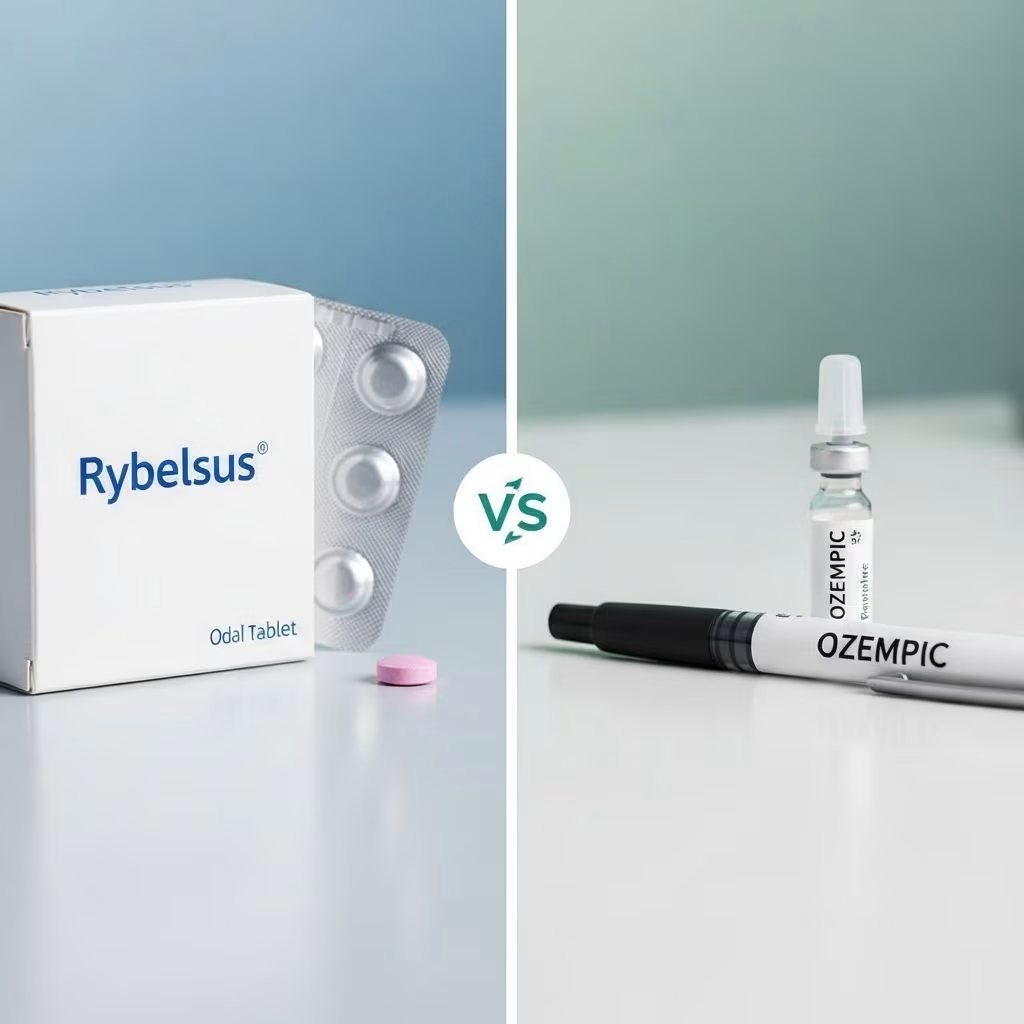
Semaglutide has transformed the way healthcare professionals approach type 2 diabetes and weight management. Two of the most recognized brand names—Rybelsus and Ozempic—offer effective tools in these areas, yet each comes with unique attributes, administration methods, and clinical outcomes. This in-depth comparison will clarify how they work, their effectiveness, side effects, and factors to consider when choosing the right medication for your needs.
What Are Rybelsus and Ozempic?
Rybelsus and Ozempic both contain semaglutide, a medication from the class of GLP-1 receptor agonists. These drugs are FDA-approved for treating adults with type 2 diabetes, aimed at improving blood sugar control in conjunction with diet and exercise. Ozempic has the added approval to reduce major cardiovascular events in patients with type 2 diabetes and known heart disease.
- Rybelsus: Oral tablet taken once daily
- Ozempic: Injectable administered once weekly
Neither medication is FDA-approved specifically for weight loss, but both have shown promising weight loss outcomes during clinical use.
How Do Rybelsus and Ozempic Work?
The core mechanism for both medications centers on mimicking the GLP-1 hormone, which:
- Stimulates insulin secretion when blood sugar levels are high
- Suppresses glucagon release, which otherwise raises blood sugar
- Slows gastric emptying, leading to increased feelings of fullness and reduced appetite, indirectly supporting weight loss
These actions result in improved blood sugar control and modest weight reduction over time.
Administration: Oral vs. Injectable
| Feature | Rybelsus | Ozempic |
|---|---|---|
| Form | Tablet (oral) | Injection (subcutaneous) |
| Dosing Frequency | Once daily | Once weekly |
| Timing | At least 30 minutes before first food, drink, or other medication | With or without food, flexible timing |
| Ease of Use | Convenient for those averse to needles | Suited for those wanting less frequent dosing |
Effectiveness for Blood Sugar Control
Both medications are proven to lower HbA1c levels (a key marker of long-term glucose control) when combined with diet and exercise. In clinical trials:
- Ozempic (1 mg/week): Reduced HbA1c by 1.6%
- Rybelsus (14 mg/day): Reduced HbA1c by 1.4%
No head-to-head trials have directly compared these reductions, but the results suggest comparable blood sugar improvements for both drugs.
Weight Loss Results
Both medications lead to modest but significant weight loss for patients with type 2 diabetes.
- Clinical studies show Rybelsus users lost up to 3.7 kg (8 lbs) over 26 weeks.
- Ozempic users lost up to 4.7 kg (10 lbs) over 30 weeks.
- One observational study found both groups experienced about 6 kg (13 lbs) loss at 6 months.
An important consideration: bioavailability differs significantly. Injected semaglutide (Ozempic) is absorbed more efficiently (~89%) than oral semaglutide (Rybelsus at ~0.4–1%), which may account for some of the weight loss gap at similar doses.
Higher-Dose Oral Semaglutide
Recent trials are investigating higher oral doses (such as 50 mg daily Rybelsus), indicating up to 15% total body weight loss—but this higher dose is not yet FDA-approved for weight management in the US.
Cardiovascular Health Benefits
- Ozempic is approved to lower the risk of major adverse cardiac events (such as heart attack or stroke) in patients with type 2 diabetes and cardiovascular disease.
- Rybelsus is not currently approved for this indication—though it shares the same active ingredient.
Additional Benefits and Limitations
- Both medications may help preserve kidney function in patients with diabetic complications, though Ozempic has stronger data in this area.
- Neither is intended for cosmetic weight loss; they are prescribed for medical reasons by healthcare professionals.
Side Effects: What to Expect
As with all medications, Rybelsus and Ozempic are associated with side effects. The most common are gastrointestinal in nature:
- Nausea
- Vomiting
- Diarrhea
- Constipation
- Abdominal pain
These typically occur early in treatment and often decrease with time as the body adjusts. More serious but rare side effects may include pancreatitis and changes in vision. Patients should promptly report any persistent or serious symptoms to their healthcare provider.
Cost and Insurance Coverage
| Medication | Typical Monthly Cost (Before Insurance) | Insurance/Copay Assistance |
|---|---|---|
| Rybelsus | ~$997 | Varies; both may have manufacturer savings cards or program eligibility |
| Ozempic | ~$997 | Varies; check with insurer and manufacturer |
Choosing Between Rybelsus and Ozempic
The choice often comes down to:
- Route of administration: Tablet (Rybelsus) vs. injection (Ozempic)
- Dosing frequency: Daily (Rybelsus) vs. weekly (Ozempic)
- History of cardiovascular disease: Ozempic may be preferred if heart protection is a priority
- Insurance coverage, costs, and personal preference
Always consult your healthcare provider before starting, stopping, or switching diabetes medications. They will factor in your medical history, preferences, and current health status to choose the optimal treatment.
Similarities and Differences Overview
| Aspect | Rybelsus | Ozempic |
|---|---|---|
| Active ingredient | Semaglutide | Semaglutide |
| Formulation | Oral tablet | Subcutaneous injection |
| Indications | Type 2 diabetes; not approved for weight loss | Type 2 diabetes; reduces risk of major heart events |
| Dosing frequency | Once daily | Once weekly |
| Average weight loss* | Up to 3.7 kg (8 lbs) in 6 months | Up to 4.7 kg (10 lbs) in 7 months |
| Common side effects | Nausea, vomiting, diarrhea, constipation, fatigue | |
| Cost* | ~$997/mo (before insurance) | ~$997/mo (before insurance) |
*Results and costs are averages and can vary depending on dosage, insurance, and individual circumstances.
Key Questions to Ask Your Doctor
- Which medication is more appropriate for my medical history?
- Are there factors (like cardiovascular risk) that affect which drug I should take?
- How do administration and frequency fit with my lifestyle and preferences?
- Does my insurance cover Rybelsus or Ozempic? Are there assistance programs available?
- What should I expect in terms of weight loss and side effects?
- Are there risks or interactions I should consider?
Frequently Asked Questions (FAQs)
Is Rybelsus as effective as Ozempic for weight loss?
Both medications result in modest weight loss, but clinical trials showed Ozempic users lost about 1 kg (2.2 lbs) more over 26–30 weeks. Individual results vary, and real-world studies suggest similar performance over 6 months in practice.
Can I take Rybelsus or Ozempic just for weight loss?
No. Neither drug is FDA-approved solely for weight loss. They are approved for type 2 diabetes management, with weight loss as a secondary benefit. Off-label use should only be considered under close medical supervision.
Are these medications safe?
Both drugs are considered safe and effective for approved uses when prescribed by a healthcare provider. They share similar side effects, mainly gastrointestinal. Rare but serious risks exist, including pancreatitis and thyroid tumors in animal studies. Discuss any safety concerns with your physician.
How quickly will I see results?
Improvements in blood sugar can be seen within weeks of starting therapy. Weight loss is typically observed steadily over 4–6 months, with maximum effects seen when combined with healthy lifestyle changes.
Can I switch from one medication to the other?
This is sometimes possible but must be done under medical supervision, as dose adjustment and monitoring are essential for a safe transition.
Final Thoughts
Rybelsus and Ozempic offer effective type 2 diabetes management and help with modest weight loss, but personalizing therapy is key. Work with your healthcare provider to select the medication that best aligns with your health profile and preferences.
References
- https://www.drugs.com/medical-answers/rybelsus-ozempic-weight-loss-choose-3578038/
- https://www.drugwatch.com/drugs/ozempic/rybelsus/
- https://www.buzzrx.com/blog/rybelsus-vs-ozempic
- https://www.universityhealth.com/blog/weight-loss-medication
- https://www.singlecare.com/blog/rybelsus-vs-ozempic/
- https://clinichunter.com/blog/wegovy-ozempic-mounjaro-rybelsus-compared-which-weight-loss-injection-works-best/


