


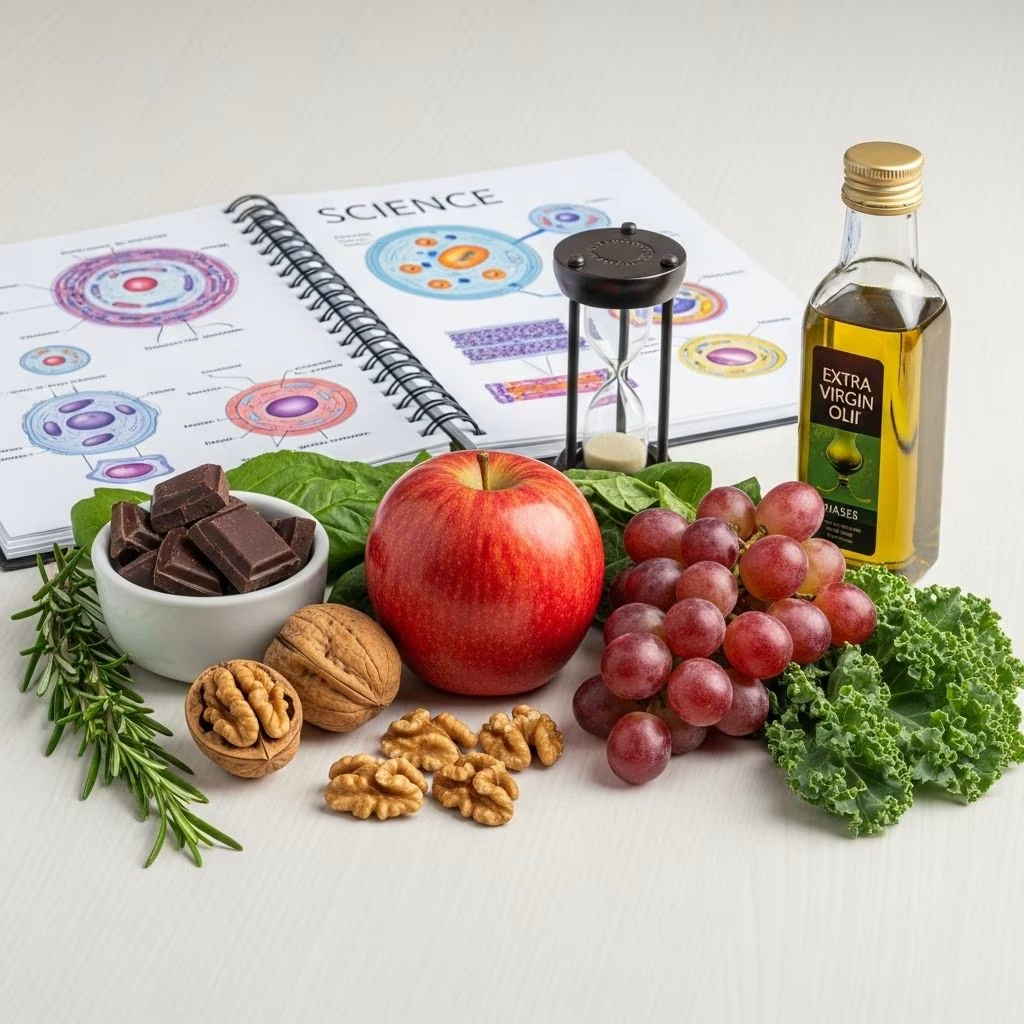
What Is the Sirtfood Diet?
The Sirtfood Diet is a modern weight loss plan that focuses on including foods believed to activate a family of proteins in the body called sirtuins. These proteins are thought to regulate metabolic processes, support fat burning, and protect muscle, with potential anti-aging and disease-fighting properties. Created by British nutritionists Aidan Goggins and Glen Matten, the diet shot to celebrity status after several public figures shared dramatic short-term weight loss results.
The plan is built around eating “sirtfoods“—a selected group of ingredients high in polyphenols (plant compounds that may stimulate sirtuin activity). These foods are central to the diet’s menu and are highlighted for their potential health benefits as well as their role in supporting weight management.
How Does the Sirtfood Diet Work?
The Sirtfood Diet centers on the idea that consuming certain foods can trigger the activity of sirtuins, mimicking some effects of fasting or exercise in the body. Supporters believe this activation can encourage fat loss while maintaining or even building lean muscle. The diet plan has two distinct phases. It was crafted to give followers a structured start followed by the flexibility of a long-term lifestyle change.
The Two Phases of the Sirtfood Diet
- Phase 1: The Intensive Kick-Off (7 days)
- Days 1–3: Extremely calorie-restricted (about 1,000 kcal daily), featuring three sirtfood green juices and one full meal built around sirtfoods.
- Days 4–7: Slightly higher intake (about 1,500 kcal daily), with two sirtfood green juices and two sirtfood-based meals daily.
- Phase 2: Maintenance (14 days)
- Calories are no longer strictly limited. Each day includes three balanced meals based on sirtfoods, plus one green juice.
- The aim is steady, continued weight loss or weight maintenance.
After these initial three weeks, the diet encourages ongoing inclusion of sirtfoods in regular meals to help maintain results.
What Are Sirtfoods?
Sirtfoods are ingredients that are especially rich in certain polyphenols, which may activate sirtuin enzymes. The official diet books highlight a “top 20” list, but many everyday plant foods qualify. Some of the most emphasized sirtfoods include:
- Kale
- Arugula (rocket)
- Green tea (especially matcha)
- Dark chocolate (minimum 85% cocoa)
- Blueberries
- Red wine
- Turmeric
- Red onions
- Parsley
- Extra virgin olive oil
- Soy
- Walnuts
- Buckwheat
- Lovelage
- Capers
- Citrus fruits
- Celery
- Apples
- Strawberries
- Medjool dates
While these are featured, the diet encourages broad plant variety, as many polyphenol-rich foods can support general wellness.
Sample Sirtfood Diet Menu
To help dieters follow the plan, the Sirtfood Diet books provide specific recipes for each phase. Popular example meals and juices include:
- Sirtfood Green Juice: Kale, arugula, parsley, celery, green apple, lemon juice, ginger, and matcha green tea powder.
- Sirtfood Omelette: Eggs with kale, parsley, red onion, and turmeric.
- Chicken & Kale Curry: Chicken breast cooked with kale, turmeric, onions, and spices, served with buckwheat.
- Shrimp Stir-Fry with Buckwheat Noodles: Shrimp, buckwheat noodles, green vegetables, and chili.
- Miso-Glazed Tofu: Marinated tofu with greens and sirt-rich seasoning.
What Can You Eat on the Sirtfood Diet?
The diet highlights a wide selection of foods but recommends emphasis on sirtfood ingredients. The following foods are especially encouraged:
- Leafy greens (kale, arugula, parsley)
- Colorful fruits (blueberries, strawberries, apples, citrus)
- Legumes and soy products
- Nuts (especially walnuts and hazelnuts)
- Dark chocolate & cocoa
- Herbs and spices (turmeric, lovage, capers)
- Whole grains (buckwheat)
- Green tea/matcha
- Extra virgin olive oil
- Red wine (in moderation)
Note: The diet’s structure can exclude or limit some essential foods, such as dairy. Followers are thus encouraged to seek variety and supplement where appropriate.
Potential Benefits of the Sirtfood Diet
- Emphasis on nutrient-dense, plant-based foods which provide fiber, vitamins, and antioxidants.
- Rapid initial weight loss: Many report losing several pounds in the first week, largely due to calorie restriction and water loss.
- Encourages ongoing healthy eating habits by focusing on sirtfoods for the long term, not just crash dieting.
- Allows for some indulgences like moderate dark chocolate and red wine.
Proponents also point to improved energy, reduced inflammation, and potential benefits for blood sugar control due to the high polyphenol content of sirtfoods.
Limitations and Critiques of the Sirtfood Diet
- Restrictive initial phase: The 1,000 calorie cap can be difficult to follow and may leave many feeling hungry or deprived.
- Lack of long-term evidence: There is little clinical research specifically on the Sirtfood Diet itself, and claims rest mostly on the proposed effects of sirtuins and polyphenols, not the full plan.
- Poor sustainability for some: Strict phases may be hard to maintain, leading some dieters to regain lost weight after resuming normal eating.
- May exclude essential nutrients: Minimal dairy, restrictive food lists, and low calories may reduce calcium, iodine, or other vital nutrients if the diet is not carefully planned.
- Not appropriate for all groups: Individuals with high nutritional needs, chronic illness, or eating disorders should consult a professional before beginning.
How Does the Sirtfood Diet Compare to Other Diets?
| Aspect | Sirtfood Diet | Mediterranean Diet | Keto Diet |
|---|---|---|---|
| Calorie Restriction | Significant (short-term) | No, focus on balance | Depends on approach |
| Allowed Foods | Sirtfoods, few extras | Very diverse | High fat, low carb |
| Scientific Evidence | Limited direct evidence | Strong evidence for heart health & longevity | Evidence for weight loss, mixed for health |
| Ease of Use | Challenging at first | Generally easy | Can be restrictive |
| Indulgences | Some (dark chocolate, red wine) | Occasional (wine, olive oil) | Limited (no sugar, fruits restricted) |
Who Might Benefit (and Who Should Avoid) the Sirtfood Diet?
The Sirtfood Diet may appeal to individuals looking to:
- Jumpstart weight loss
- Experiment with plant-based meals
- Include nutrient-rich, antioxidant-packed foods
It is not recommended for people with:
- Diabetes, low blood pressure, or blood sugar regulation problems
- History of eating disorders
- High nutritional/caloric requirements (athletes, pregnant or nursing women, growing teens)
Always consult a medical professional or registered dietitian before starting any restrictive or specialized diet.
Tips for Success on the Sirtfood Diet
- Plan your meals and grocery lists in advance, especially for the restrictive first week.
- Invest in a proper juicer (not a blender), as texture and ingredient quantities matter.
- Read food labels and recipes to maximize variety and cover nutritional gaps.
- Stay hydrated and monitor for signs of fatigue or nutritional shortfalls.
- Transition to long-term, balanced habits instead of yo-yo dieting.
Frequently Asked Questions (FAQs) About the Sirtfood Diet
Q: What are some example recipes for sirtfood meals?
A: Sirtfood meals typically include combinations of sirtfood ingredients like kale salads with walnuts and buckwheat, grilled chicken with turmeric and capers, or stir-fried tofu with green vegetables and miso.
Q: How much weight can I expect to lose?
A: Most people lose 5–7 pounds (2–3 kg) during the first week, mainly due to caloric restriction and water loss. Long-term results depend on ongoing healthy eating habits and caloric balance.
Q: Do I need to buy special supplements or foods?
A: No supplements are required, but some foods (like matcha or buckwheat) may be less common and more costly. The core concept is focusing on plant-based, sirtuin-rich foods.
Q: Is juice fasting safe as described in the diet?
A: The very low-calorie intake in the juice-heavy first phase can be hard on the body and is not recommended for everyone. Modifications may be needed for individual needs.
Q: Is the Sirtfood Diet suitable long-term?
A: The phased diet is not designed for indefinite use, but ongoing “sirtifying”—including sirtfoods as part of a varied, balanced diet—can be continued for general health.
Final Thoughts: Is the Sirtfood Diet Right for You?
The Sirtfood Diet promises quick results, plant-focused nutrition, and a more enjoyable approach to healthy eating by allowing small luxuries like dark chocolate and red wine. Yet, its evidence base is modest and the initial phase may be unsustainable or nutritionally incomplete for some. As with many modern diet trends, long-term health is best supported by a balanced, varied approach—including sirtfoods within a wider healthy eating plan.
References
- https://www.bbcgoodfood.com/health/special-diets/what-sirtfood-diet
- https://www.healthline.com/nutrition/sirtfood-diet
- https://www.youtube.com/watch?v=DXVRn5YQgdA
- https://www.youtube.com/watch?v=SF18nFOsUoU
- https://books.google.com/books/about/The_Sirtfood_Diet.html?id=RB07EQAAQBAJ
- https://www.walmart.com/ip/The-Sirtfood-Diet-A-Complete-Guide-Fast-Weight-Loss-How-Burn-Fat-Get-Lean-Look-Young-Everything-Else-You-Need-Know-Paperback-9798554509681/932847712


