


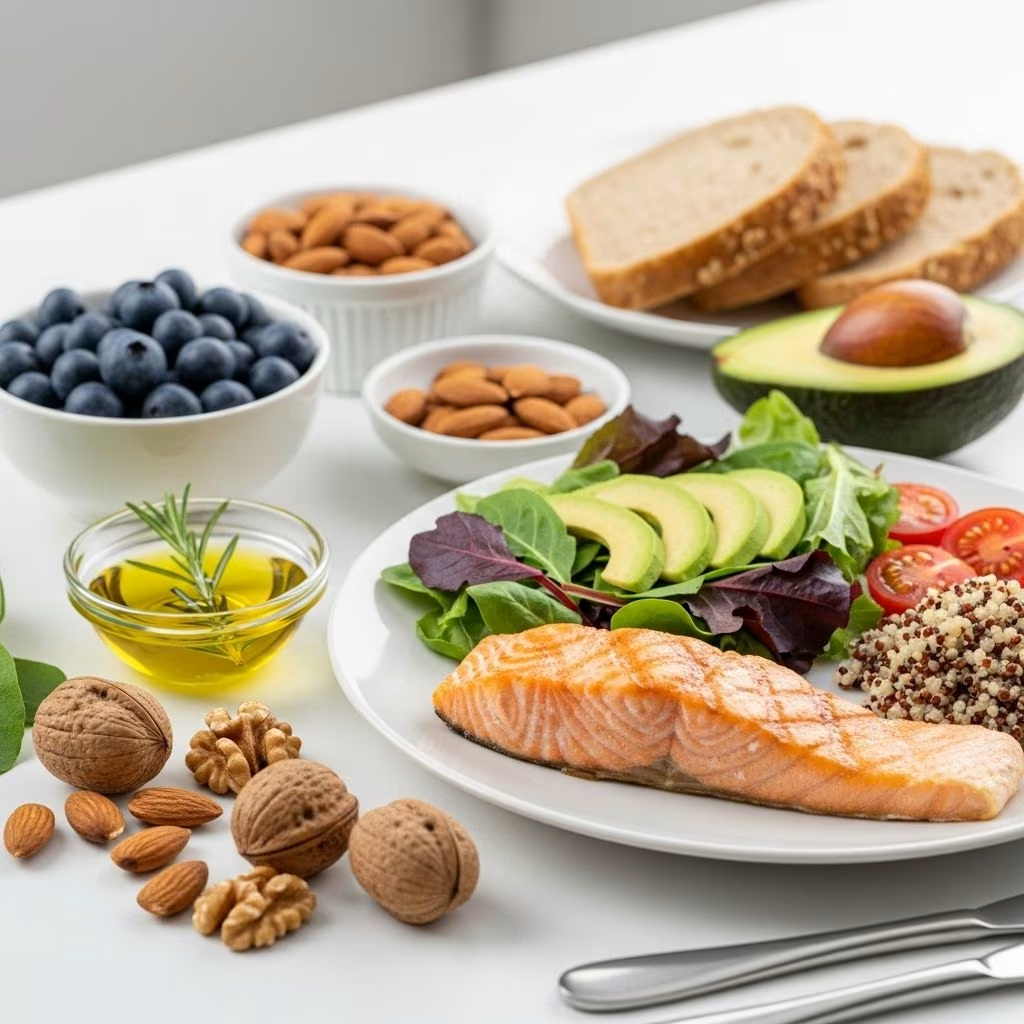
South Beach Diet: Choosing Good Carbs and Healthy Fats for Lasting Weight Loss
The South Beach Diet revolutionized the concept of dieting by focusing not simply on cutting out carbs or fats, but rather selecting good carbs and healthy fats for smarter weight loss and improved health. Originally designed to lower the risk of heart disease, the South Beach Diet has helped countless people lose weight effectively while eating delicious, satisfying foods that nourish the body and curb cravings. This article explains the philosophy behind the diet, how it distinguishes “good” from “bad” carbs and fats, provides specific food recommendations, and offers practical tips for incorporating these principles into everyday life.
Understanding the South Beach Diet
The South Beach Diet is neither a low-carb nor a low-fat diet—instead, it is a nutrient-dense, fiber-rich plan that encourages the consumption of unrefined carbohydrates and heart-healthy fats. Developed by Dr. Arthur Agatston, the diet was intended to address flaws in typical weight loss strategies, especially those that focus on restricting fat or rely heavily on highly processed, high-carb foods.
Its unique approach is founded on distinguishing the type and quality of carbohydrates and fats in the diet, emphasizing their effects on blood sugar, insulin, satiety, and heart health.
Main Principles
- Choose complex carbohydrates such as whole grains, fruits, and vegetables, which provide fiber, vitamins, and sustained energy.
- Prioritize healthy fats: focus on monounsaturated fats from sources like olive oil, nuts, and avocado, and omega-3s from fatty fish.
- Avoid simple sugars and refined white flour, which cause rapid blood sugar spikes and cravings.
- Eat lean proteins and incorporate regular exercise to boost metabolism.
The Three Phases of the South Beach Diet
| Phase | Duration | Goals | Core Foods |
|---|---|---|---|
| Phase 1 | 2 weeks | Kickstart weight loss, reduce cravings | Lean protein, non-starchy veggies, healthy fats |
| Phase 2 | Until goal weight reached | Continue weight loss, reintroduce “good” carbs | All Phase 1 foods plus fruit, whole grains, more legumes |
| Phase 3 | Lifelong | Weight maintenance, flexibility | Flexible, all foods in moderation based on Phase 2 principles |
Phase 1: Eliminating Cravings
This two-week kickoff phase is designed for rapid weight loss (typically 8–13 pounds), resetting hunger cues by eliminating high GI carbs such as sugars, starches, and alcohol. Meals center around lean proteins (chicken, fish, turkey), non-starchy vegetables (leafy greens, broccoli), and modest amounts of healthy fats and legumes. Two snacks a day are encouraged, favoring combinations of lean protein and veggies. The goal here is to stabilize appetite and encourage fat metabolism.
Phase 2: Slow and Steady Progress
Beginning in week 3, Phase 2 continues until the desired weight is achieved (average 1-2 pounds/week). This stage reintroduces limited portions of whole grains, fruit, and even moderate alcohol. Meals remain balanced, focusing on quality sources of carbohydrates and fats, allowing for greater dietary variety while maintaining blood sugar control.
Phase 3: Maintenance for Life
Once target weight is reached, Phase 3 adopts Phase 2’s principles but allows for occasional treats, making no food truly “off-limits”. If weight increases, returning briefly to Phase 1 is recommended. The diet is seen as a lifelong approach to eating rather than a quick fix, emphasizing balance, moderation, and prevention of weight regain.
Good Carbs vs. Bad Carbs: What to Eat and What to Limit
The South Beach Diet offers a nuanced approach to carbohydrate selection, focusing on the glycemic index (GI) to determine whether carbs are “good” or “bad.” Foods with a low GI digest slowly, leading to gradual energy release and reduced hunger, while high GI foods trigger blood sugar spikes and cravings.
Good Carbs
- Whole grains: brown rice, quinoa, barley, steel-cut oats
- Fruits: berries, apples, citrus (after Phase 1)
- Vegetables: leafy greens, cruciferous veggies (broccoli, cauliflower)
- Legumes: lentils, beans, chickpeas
- Root vegetables (limited quantity): sweet potatoes, carrots (after Phase 1)
Bad Carbs
- Refined grains: white bread, white rice, regular pasta
- Sugar-sweetened beverages
- Pastries, cakes, cookies
- Sugar, corn syrup
- Chips, crackers made with white flour
Tip: Always check ingredient labels for hidden sugars and refined flours when choosing packaged foods.
Healthy Fats: The Good and the Bad
The South Beach Diet challenges the myth that “all fat is bad,” recommending the inclusion of specific types of fat for improved heart health and satiety. Fat aids nutrient absorption, hormone production, and can help you feel fuller longer.
Healthy Fats to Embrace
- Monounsaturated fats: olive oil, avocado, almonds, cashews
- Omega-3 fatty acids: salmon, mackerel, sardines, chia seeds, flaxseed
- Nuts and seeds (unsalted, raw or dry roasted)
- Extra virgin olive oil
Fats to Limit or Avoid
- Trans fats: partially hydrogenated oils, fast foods, processed snacks
- Excess saturated fats: fatty red meats, full-fat dairy (eat in moderation)
- Highly processed vegetable oils: corn, soybean, cottonseed oil
Sample South Beach Diet Grocery List
- Proteins: chicken breast, turkey, fish, eggs, tofu
- Vegetables: spinach, kale, broccoli, bell peppers, asparagus
- Good Carbs: sweet potatoes, quinoa, oatmeal, berries (Phase 2+)
- Healthy Fats: walnuts, chia seeds, olive oil, avocados
- Dairy: reduced-fat Greek yogurt, low-fat cottage cheese
- Legumes: lentils, black beans, chickpeas (Phase 2+)
Benefits of the South Beach Diet
- Promotes weight loss without hunger pangs due to higher protein and balanced healthy fat intake.
- Improves heart health by reducing saturated and trans fat intake and encouraging monounsaturated fats.
- Reduces risk of chronic diseases like type 2 diabetes and hypertension due to lower blood sugar fluctuations and inflammation.
- Helps maintain weight loss by teaching lifelong healthy eating habits.
- Offers meal planning support through hundreds of recipes and menu samples.
Risks and Considerations
- Some may experience brief ketosis in early phases due to carb reduction, leading to symptoms like headache or fatigue.
- Strict initial guidelines limit fruit and grains, which may be challenging for some.
- Long-term sustainability depends on learning balance—not banishing entire food groups.
- A few claims lack robust scientific evidence; results may vary per individual.
How to Get Started with the South Beach Diet
To begin:
- Read labels to spot added sugar, refined flour, and unhealthy fats.
- Prepare meals focusing on lean proteins, non-starchy vegetables, and portions of healthy fats.
- Stock your kitchen with groceries from the recommended lists above.
- Develop an exercise routine; physical activity complements dietary changes for steady weight and health improvements.
- Transition slowly between phases to avoid sudden hunger or deprivation.
Smart Swaps for Everyday Eating
- Replace white bread with whole grain or sprouted loaf.
- Use olive oil instead of butter or margarine for cooking and salad dressings.
- Snack on raw nuts rather than chips or crackers.
- Swap regular pasta for lentil or chickpea pasta in recipes.
- Choose Greek yogurt over sweetened varieties for breakfast or snacks.
Common Mistakes and How to Avoid Them
- Focusing too much on eliminating carbs: The diet encourages choosing better carbs, not cutting them completely.
- Being afraid of fats: Embracing the right kinds is key to fullness, energy, and heart health.
- Skipping meals: Always eat regular meals and snacks to prevent cravings and maintain stable blood sugar.
- Neglecting exercise: Physical activity helps break plateaus and improves overall results.
Frequently Asked Questions (FAQs)
Q: What is the main difference between the South Beach Diet and other low-carb diets?
The South Beach Diet focuses not on restricting all carbs but on choosing low-GI, fiber-rich carbs while allowing moderate amounts of healthy fats, making it less restrictive and more balanced than typical low-carb diets.
Q: Is the South Beach Diet safe for people with diabetes?
The diet was designed to promote heart health and blood sugar stability, and many people with diabetes may benefit from its emphasis on whole foods and low-GI carbs. However, it’s important to consult a health professional before making major dietary changes.
Q: Can vegetarians or vegans follow the South Beach Diet?
Yes! Focus on plant-based proteins (tofu, legumes, nuts) and healthy fats (avocado, olive oil), and select non-starchy vegetables and whole grains as your primary carb sources.
Q: What are the best snacks on the South Beach Diet?
- Sliced cucumber with hummus
- Greek yogurt with chia seeds
- Raw almonds and walnuts
- Bell pepper strips with guacamole
- Cottage cheese and cherry tomatoes
Q: Is alcohol allowed?
Alcohol is limited to small amounts in Phase 2 and beyond; dry wine is preferable over sugary cocktails.
Expert Tips for Success
- Plan meals ahead of time: Reduces chance of impulse eating.
- Try new recipes: Keeps nutrition interesting and varied.
- Track progress: Use journals or apps to monitor food choices and feelings of fullness.
- Consult a professional: Get help adjusting the plan to your individual needs.
Conclusion
The South Beach Diet offers a practical, science-informed way to lose weight and improve heart health by selecting good carbs and healthy fats. By emphasizing nutrient-dense foods and teaching smart swaps, it helps you avoid common dietary pitfalls and establishes lifelong habits for wellness. Whether you are looking to lose weight, reduce inflammation, or simply eat more healthfully, the principles of the South Beach Diet offer value for virtually every lifestyle.
References
- https://www.healthline.com/nutrition/south-beach-diet
- https://resources.healthgrades.com/right-care/food-nutrition-and-diet/south-beach-diet
- https://www.bostonspecialists.org/south-beach-diet
- https://www.medicalnewstoday.com/articles/7501
- https://www.mayoclinic.org/healthy-lifestyle/weight-loss/in-depth/south-beach-diet/art-20048491
- https://www.webmd.com/diet/south-beach-diet-what-it-is
- https://www.mymlc.com/health-information/articles/s/south-beach-diet/?section=Diet+details
- https://regene.ai/articles/south-beach-diet-a-holistic-approach


