


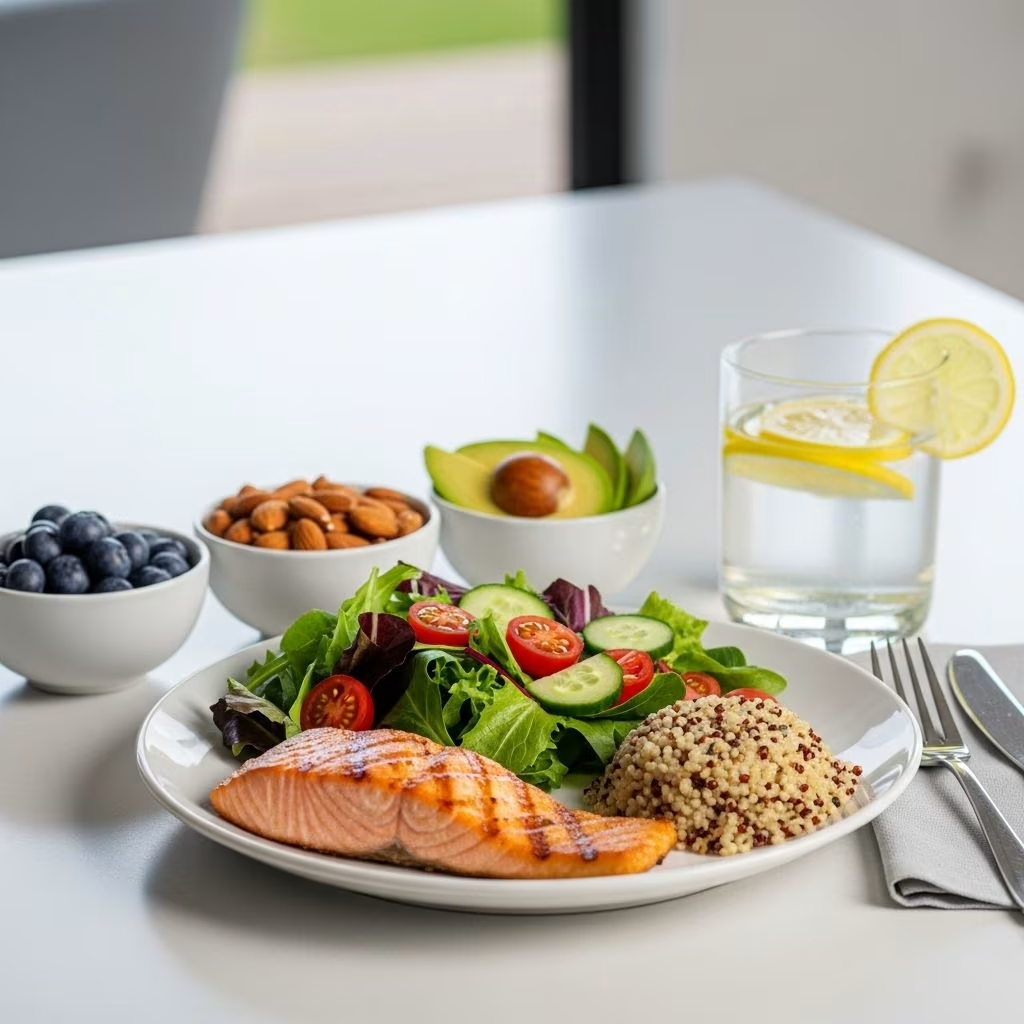
The South Beach Diet remains one of the most discussed and recommended approaches to weight loss and heart health since it was introduced by cardiologist Dr. Arthur Agatston in the early 2000s. Emphasizing nutritious carbohydrates, lean proteins, and healthy fats, this phased diet aims to reset your metabolism, reduce cravings, and promote sustainable weight management. In this guide, you’ll find a detailed breakdown of how the South Beach Diet works, its potential benefits, tips for meal planning, expert insights, and answers to frequently asked questions.
What is the South Beach Diet?
The South Beach Diet is a structured, phased approach to eating designed to promote weight loss and boost cardiovascular health by reducing high-carbohydrate and processed food intake in favor of nutrient-dense proteins, non-starchy vegetables, and good fats. Unlike some low-carb diets, it does not completely cut out carbohydrates but rather encourages the consumption of ones that have a minimal impact on blood sugar.
How Does the South Beach Diet Work?
The diet unfolds in three distinct phases—each tailored to specific goals, from rapid weight loss to lifelong healthy habits.
Phase 1: The Kickstart
- Duration: 14 days
- Objective: Quell cravings, stabilize blood sugar, jumpstart weight loss
- Foods Allowed: Lean proteins (chicken, turkey, fish, eggs), nuts, seeds, non-starchy vegetables (broccoli, spinach, tomatoes), healthy fats (avocado, olive oil), and legumes in moderation
- Foods Avoided: All fruit, starchy vegetables, grains, and alcohol
- Typical Outcome: Most people lose 8–13 pounds (3.5–6 kg)
- Eating Pattern: Three main meals (with lean protein and non-starchy veg) and two snacks daily
Phase 2: Steady Weight Loss
- Start: Immediately after Phase 1 (Day 15 onward)
- Objective: Continue losing weight gradually until you reach your target
- Foods Reintroduced: Whole grains (brown rice, quinoa), most fruits, some starchy vegetables, small servings of alcohol
- Foods Still Limited: Refined flour, sugars, processed foods
- Typical Outcome: 1–2 pounds (0.5–1 kg) lost per week
Phase 3: Maintenance
- Start: Once your weight goal is achieved
- Objective: Maintain your healthy lifestyle and prevent regaining weight
- Flexibility: Occasional treats are permitted—if you regain weight, return to Phase 1 temporarily
- Lifelong Habits: The focus is on balanced nutrition, portion control, and enjoying a wide variety of foods within reasonable limits
South Beach Diet Meal Planning
Each phase requires different meal planning strategies, ensuring variety and satisfaction without the boredom or deprivation found in many other diets. Meal plans prioritize whole foods, nutrient density, and flavor.
Sample Foods for Each Phase
| Food Group | Phase 1 | Phase 2 | Phase 3 |
|---|---|---|---|
| Lean Proteins | ✓ | ✓ | ✓ |
| Non-starchy Veggies | ✓ | ✓ | ✓ |
| Healthy Fats | ✓ | ✓ | ✓ |
| Legumes | ✓ (limited) | ✓ | ✓ |
| Whole Grains | ✓ (limited) | ✓ | |
| Fruits | ✓ (limited) | ✓ | |
| Alcohol | ✓ (small amounts) | ✓ | |
| Refined Sugar/Breads | ✓ (occasionally) |
Key Benefits of the South Beach Diet
The South Beach Diet offers numerous health improvements beyond weight loss. Here’s why it stands out:
- Supports Rapid Weight Loss: Most dieters experience significant weight loss during the initial phases, particularly Phase 1.
- Reduces Hunger and Cravings: High-protein meals and healthy fats help stabilize hunger hormones, promoting satiety and reducing between-meal snacking.
- Improves Heart Health: Emphasizes anti-inflammatory foods like fatty fish, nuts, olive oil, and leafy greens, which help lower cholesterol and support cardiovascular well-being.
- Promotes Blood Sugar Stability: Replacing refined carbohydrates with whole grains and high-fiber foods supports healthy insulin and blood sugar levels, lowering the risk of metabolic syndrome and type 2 diabetes.
- Reduces Inflammation: By focusing on foods rich in antioxidants and healthy fats, the diet helps decrease chronic inflammation—a key risk factor in many diseases.
- Flexible and Sustainable: Phase 3 allows moderate indulgences and lasting habits, making it adaptable for the long-term.
Scientific Research and Results
Research supports the weight loss and metabolic benefits of the South Beach Diet:
- In a study of overweight adults, participants lost approximately 11 pounds (5.2 kg) and 2 inches (5.1 cm) from their waist over 12 weeks following the South Beach Diet, alongside improved insulin levels and fullness hormones.
- Analyses of multiple studies confirm that low-carb, high-protein diets like South Beach improve weight regulation, reduce blood sugar, and lower disease risk.
Potential Risks and Considerations
While generally safe and effective for most healthy adults, the South Beach Diet does carry certain risks and is not appropriate for everyone:
- Risk of Ketosis: During Phase 1, the diet’s low carbohydrate intake can induce ketosis, a state where the body burns fat for fuel, which may cause fatigue, headaches, or irritability in some individuals.
- Scientific Debate: Some critics note that not all claims made by the diet’s creators are supported by robust clinical research, though the core principles align with many established dietary guidelines.
- Possible Nutrient Gaps: Strict avoidance of certain foods in the early phase (like fruits and grains) may reduce intake of key nutrients if not planned carefully.
- Limited Need for Restriction: For those not seeking weight loss, extreme phase 1 restrictions may be unnecessary; gradual change may suffice for stable health improvements.
Who Should Consider the South Beach Diet?
This diet is ideal for adults seeking a structured but flexible approach to weight loss and healthier eating. It is especially suitable for those:
- Struggling with carb cravings or sugar addiction
- With a family history of heart disease or metabolic syndrome
- Preferring a plan that doesn’t require calorie counting or portion weighing
- Who want guidelines for both initial rapid weight loss and permanent healthy habits
Consult your doctor before starting the South Beach Diet if you have kidney disease, are pregnant, nursing, or have any existing medical condition.
Expert Advice and Practical Tips
- Ease Into It: Gradually transition by removing processed foods and sugary snacks before starting Phase 1 to reduce withdrawal symptoms.
- Prepare for the First Two Weeks: Have meal plans, recipes, and supportive foods available to stay on track during the strictest phase.
- Stay Hydrated: Water, herbal teas, and clear broths support energy and reduce headaches from carb withdrawal.
- Embrace Variety: Use different herbs, spices, and vegetable combinations to keep meals diverse and delicious.
- Exercise for Best Results: Regular physical activity complements the diet for faster fat loss and lean muscle preservation, as encouraged in the South Beach Diet Supercharged program.
- Plan for Long-Term Maintenance: Focus on learning new healthy recipes and making gradual permanent changes to ensure the habits stick beyond the initial phases.
Frequently Asked Questions (FAQs)
Q: Can I do the South Beach Diet if I’m vegetarian or vegan?
A: While the diet emphasizes lean animal proteins, vegetarians can follow the plan by focusing on eggs, legumes, tofu, seitan, and plant-based protein. Vegans may need additional planning to ensure adequate protein and nutrient diversity in each phase, especially Phase 1 where legumes are the primary protein source.
Q: What happens if I regain weight during Phase 3?
A: Dr. Agatston recommends returning to Phase 1 for 1–2 weeks until your weight returns to goal, then resuming Phase 3. This helps break the cycle of creeping weight gain without giving up all your progress.
Q: Are there any forbidden foods on the South Beach Diet?
A: No food is permanently “off limits,” especially in Phase 3. The diet encourages avoiding refined sugars, white flour, and processed foods, but occasional indulgences are permitted in moderation.
Q: Is it safe to follow the South Beach Diet if I have diabetes?
A: The diet is designed to support healthy blood sugar levels but always consult a healthcare professional before starting, especially if you take insulin or other diabetes medications. Some individuals may need to adjust their medication while on the plan due to lowered carb intake.
Q: How is the South Beach Diet different from the Atkins Diet?
A: While both limit carbs initially, South Beach focuses more on the quality of carbohydrates—favoring low-glycemic, high-fiber foods—while Atkins restricts carbs more strictly. South Beach encourages healthy fats and lean protein but allows a broader range of foods in later phases.
Is the South Beach Diet Sustainable?
Several studies, along with user reports, suggest the South Beach Diet is realistic for the long haul, especially due to its phased reintroduction of previously restricted foods, focus on satiety, and flexibility once goals are met. Commitment to the guiding principles of unprocessed food, portion awareness, and physical activity are key to maintaining results.
Helpful Resources and Further Reading
- Recipe Books: Numerous publications offer phase-specific recipes and meal plans to diversify weeknight dinners and support adherence.
- Online Meal Plans: Many reputable health websites offer free or low-cost templates for all three phases.
- Support Groups: Joining a social media community or online group can provide accountability, meal ideas, and troubleshooting for common challenges.
Summary Table: South Beach Diet At a Glance
| Phase | Duration | Main Focus | Foods Allowed | Weight Loss |
|---|---|---|---|---|
| Phase 1 | 14 days | Cravings control, quick weight drop | Lean proteins, non-starchy vegetables, nuts | 8-13 lbs |
| Phase 2 | Until goal met | Steady weight loss, food reintroduction | Whole grains, fruits, more veggies, some alcohol | 1-2 lbs/week |
| Phase 3 | Ongoing | Maintenance | All foods, moderation key | Varies |
Key Takeaways
- Well-Structured: Clear rules allow for quick results without calorie counting.
- Satisfying: Emphasizing protein and fiber curbs hunger compared to most diets.
- Research-Backed: Studies confirm strong potential for weight reduction, heart health, and blood sugar balance.
- Personalization: Recipes, snacks, and meal plans can be adjusted for vegetarians, gluten-free needs, and various taste preferences.
- Long-Term Wellness: Ultimately a lifestyle transformation, not just a quick fix.
References
- https://www.healthline.com/nutrition/south-beach-diet
- https://resources.healthgrades.com/right-care/food-nutrition-and-diet/south-beach-diet
- https://draxe.com/nutrition/south-beach-diet/
- https://www.mayoclinic.org/healthy-lifestyle/weight-loss/in-depth/south-beach-diet/art-20048491
- https://www.medicalnewstoday.com/articles/7501
- https://www.bostonspecialists.org/south-beach-diet
- https://www.webmd.com/diet/south-beach-diet-what-it-is
- https://www.mymlc.com/health-information/articles/s/south-beach-diet/?section=Diet+details


