


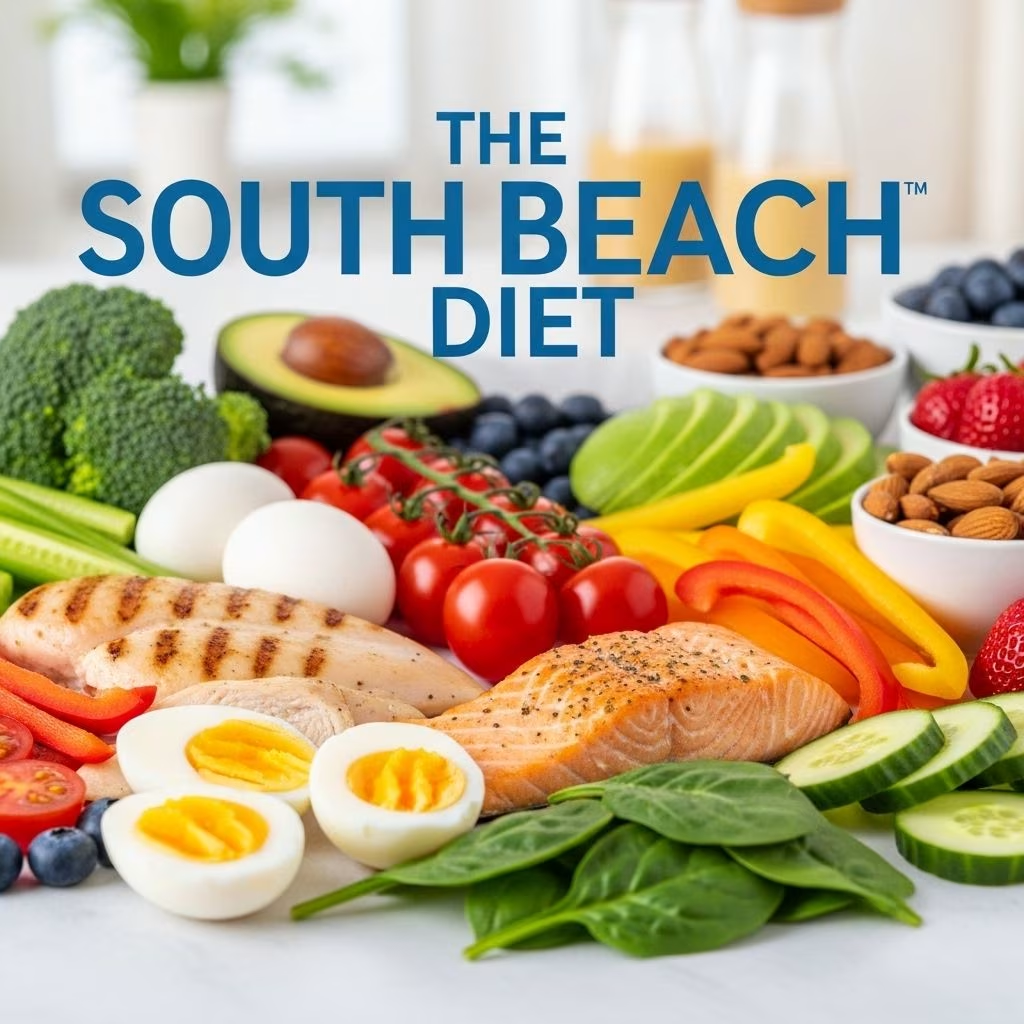
The South Beach Diet, developed in the mid-1990s by Dr. Arthur Agatston and dietitian Marie Almon, is a well-known low-carb, high-protein eating plan with a specific focus on heart health, sustainable weight loss, and improved overall wellness. Since its introduction to the public in 2003, this program has earned a loyal following due to its phased approach, emphasis on healthy fats and fibers, and flexibility compared to other restrictive diet fads. This article provides a thorough, practical breakdown of how the South Beach Diet works, what you can eat, its purported benefits and risks, and what to expect in practice, supported by expert insights and real experiences.
What Is the South Beach Diet?
The South Beach Diet is often classified as a lower-carbohydrate, higher-protein diet. It is designed to help people lose weight, maintain healthy blood sugar levels, and protect heart health by replacing “bad” carbohydrates and unhealthy fats with fiber-rich, more nutritious options. Unlike some low-carb regimens, it does not eliminate carbs entirely but instead focuses on the quality and glycemic index (GI) of carbs consumed.
- Developed by: Dr. Arthur Agatston (cardiologist) and Marie Almon (dietitian)
- First focus: Enhance heart health among at-risk patients
- Primary aims: Sustainable weight loss, improved metabolism, reduced risk of chronic diseases, and better cardiovascular function
How Does the South Beach Diet Work?
The South Beach Diet segments your journey into three distinct phases. Each has unique guidelines for allowed foods, portion sizes, and lifestyle habits to maximize results and foster lasting change.
Phase 1: Kickstart (2 Weeks)
Objective: Rapid initial weight loss by stabilizing blood sugar, reducing cravings, and cutting out refined carbs.
- Duration: 14 days
- Main foods: Lean proteins (eggs, chicken, fish), non-starchy vegetables, healthy fats (olive oil, nuts), and legumes.
- Excluded foods: Fruits, grains, starchy vegetables, alcohol, and added sugars.
- Expected results: Most participants lose 8–13 pounds (3.5–6 kg) during this phase.
Phase 2: Steady Weight Loss (Until Desired Weight)
Objective: Continue weight loss at a more moderate pace and reintroduce some healthy carbs for a more balanced, sustainable regimen.
- Duration: Flexible – lasts until you reach your goal weight
- Foods allowed: Same as Phase 1, plus small portions of whole grains, select fruit, starchy veggies, and limited “good” carbs.
- Expected weight loss: About 1–2 pounds (0.5–1 kg) per week.
Phase 3: Maintenance (Lifelong)
Objective: Maintain your healthy weight and prevent rebound weight gain. Focus is on making these habits your lifestyle rather than a temporary fix.
- Duration: Indefinite – aimed at lifelong health
- Guidelines: Most foods can be reintroduced in moderation. Occasional treats are allowed, but you are encouraged to follow Phase 2 principles most of the time.
- Resetting: If you regain weight or lose focus, it’s recommended to return temporarily to Phase 1 or 2.
What Can You Eat on the South Beach Diet?
The South Beach Diet prioritizes nutrient-dense, fiber-rich foods and healthy fats. Here’s a phase-by-phase breakdown:
| Food Group | Phase 1 | Phase 2 | Phase 3 |
|---|---|---|---|
| Protein (lean meats, fish, eggs) | Unlimited | Unlimited | Unlimited |
| Non-starchy Vegetables | Unlimited | Unlimited | Unlimited |
| Legumes (beans, lentils) | Small portions | Larger portions | Larger portions |
| Healthy Fats (olive oil, nuts) | Allowed in moderation | Allowed in moderation | Allowed in moderation |
| Whole Grains | Not allowed | Reintroduced in small amounts | Liberal, but balanced |
| Fruit | Not allowed | Small portions | Liberal, with moderation |
| Dairy | Low-fat only | Low-fat only | Low-fat only |
| Alcohol | Not allowed | Allowed occasionally | Moderate, if desired |
Sample Meals for Phase 1
- Breakfast: Vegetable omelet made with egg whites and spinach, cooked in olive oil.
- Lunch: Grilled chicken salad with mixed greens, cherry tomatoes, cucumbers, and vinaigrette.
- Dinner: Baked salmon with steamed broccoli and a side of roasted zucchini.
- Snacks: Lean turkey roll-ups, raw nuts, or celery with light cheese spread.
Core Principles and Philosophy
The South Beach Diet is not about deprivation, but about making smarter food choices. Here are the key tenets:
- Emphasize low-GI carbs: Choose carbohydrates that digest slowly, helping control hunger and preventing blood sugar spikes.
- Choose healthy fats: Prioritize unsaturated fats from olive oil, nuts, avocados, and fish over saturated/trans fats.
- Eat lean proteins: Favor skinless poultry, fish, eggs, and low-fat dairy to build muscle, boost satiety, and support metabolism.
- Incorporate fiber: Opt for whole grains and legumes in later phases to help digestion, keep you full, and steady blood sugar.
- Focus on sustainability: Adjust foods and portions as needed to fit long-term goals and personal preferences.
Benefits of the South Beach Diet
Proponents, healthcare professionals, and researchers highlight several clinically-supported and anecdotal benefits:
- Effective Weight Loss: Two-phase approach typically leads to rapid initial weight drop, followed by sustainable, moderate fat loss.
- Reduced Hunger & Cravings: Emphasis on protein and fiber increases satiety-hormone levels, making you feel fuller longer and reducing mindless snacking.
- Improved Blood Sugar and Insulin: Limiting high-sugar foods stabilizes glucose and lowers fasting insulin levels, helpful for people with insulin resistance or prediabetes.
- Heart Health: Strong focus on healthy fats (olive oil, fatty fish) and antioxidant-rich vegetables helps fight inflammation and may lower cholesterol, blood pressure, and cardiovascular risk.
- Lower Risk of Chronic Disease: Some evidence indicates reductions in metabolic syndrome, Type 2 diabetes risk, and hypertension.
- Simplicity & Meal Planning Support: Offers recipes and sample menus for each phase, making adherence easier.
Possible Risks and Downsides
While generally considered safe for most healthy adults, some risks and drawbacks should be noted:
- Risk of Ketosis: Extreme carbohydrate reduction in Phase 1 can push your body into ketosis, leading to unpleasant symptoms (headache, fatigue, bad breath) for some.
- Potential Nutritional Deficiencies: Restricting entire food groups, especially fruits and grains, may temporarily reduce vitamin, mineral, or fiber intake, particularly if not carefully managed.
- Research Gaps: Some claims—especially those made in marketing—are not yet supported by large-scale, peer-reviewed studies.
- Sustainability Concerns: Most people find Phase 1 and 2 easier than traditional keto-style diets, but some miss the flexibility and variety over the longer term.
Who Should Consider the South Beach Diet?
The South Beach Diet can work well for:
- People looking for structured, phased weight-loss support with clear guidelines.
- Those with cardiovascular risks who want to improve blood lipid profiles with proven heart-healthy foods.
- Individuals who prefer a moderate approach rather than extreme carb elimination.
- Anyone wanting practical menus, meal inspiration, and gradual habit changes, not overnight transformation.
Note: Those with kidney disease, pregnant or breastfeeding women, or anyone with a chronic medical condition should consult their healthcare provider before starting this or any new diet.
Sample South Beach Diet Grocery List
- Lean proteins: Chicken breast, turkey, pork tenderloin, tofu, fish (especially salmon, tuna, sardines), shellfish, eggs
- Low-fat dairy: Greek yogurt, skim or low-fat milk, cottage cheese
- Vegetables: Broccoli, spinach, cauliflower, zucchini, peppers, leafy greens, tomatoes, cucumbers, asparagus
- Healthy fats: Extra virgin olive oil, avocado, almonds, walnuts, sunflower seeds, natural nut butters
- Legumes: Black beans, chickpeas, lentils, soybeans
- Whole grains: Brown rice, quinoa, steel-cut oats, whole-wheat bread (phase 2 and beyond)
- Fruits: Berries, apples, oranges, peaches, melon (phase 2 and beyond)
South Beach Diet vs. Other Popular Diets
| Aspect | South Beach Diet | Keto Diet | Mediterranean Diet |
|---|---|---|---|
| Carb Content | Moderate to low (phased) | Very low | Moderate |
| Main Protein Source | Lean meats, fish, eggs | Meat, cheese, eggs | Fish, poultry, legumes |
| Fat Emphasis | Healthy unsaturated fats | High, including saturated | Mostly healthy unsaturated fats |
| Fruit/Whole Grains | Reintroduced after phase 1 | Strictly limited | Liberal, foundation of diet |
| Sustainability | Flexible after initial phases | Challenging long-term | Highly sustainable |
Expert Tips and Strategies for Success
- Prepare and plan your meals ahead, especially snacks, to avoid old temptations.
- Stock your kitchen with phase-appropriate foods and clean out high-GI snacks.
- Stay hydrated—sometimes hunger cues are actually thirst.
- Embrace variety: use herbs, spices, and new veggies to keep meals interesting.
- Listen to your body’s cues instead of obsessing over calorie counting.
- Incorporate physical activity—Dr. Agatston recommends a three-phase fitness routine, but any regular movement supports your goals.
Real-Life Results and Testimonials
Many people report initially dropping pounds quickly in Phase 1, with a steadier loss continuing into Phase 2. Numerous testimonials highlight improved energy, confidence, and bloodwork. In a 12-week study, overweight patients lost an average of 11 pounds and 2 inches off their waists while seeing significant drops in fasting insulin levels.
However, as with any diet, long-term success depends on consistency and personal adaption. Those who reintroduce processed foods or abandon the main principles often regain weight. The phased structure and flexibility, coupled with meal variety, help many users avoid the burnout associated with stricter programs.
Frequently Asked Questions (FAQs)
Is the South Beach Diet safe for everyone?
Most healthy adults can follow this program safely, but those with kidney issues, pregnant or nursing women, or anyone with a chronic disease should check with a healthcare provider first.
How quickly can I expect to see results?
Most dieters see a swift reduction—up to 8–13 pounds—during the first two weeks, then steadier, ongoing progress through Phase 2.
Will I need to count calories?
No, the program emphasizes portion control, whole foods, and food quality over calorie counting.
Can vegetarians or vegans follow the South Beach Diet?
It can be adapted for vegetarians by using eggs, soy, dairy, and legumes; vegan adaptation is more complex, requiring careful protein and B12 planning.
Will I feel hungry?
The high protein and fiber content aim to reduce hunger and prevent cravings, but those accustomed to high-sugar diets may experience temporary adjustment symptoms.
Takeaway
The South Beach Diet remains one of the most popular structured eating plans for those seeking a flexible, balanced approach to weight loss and heart health. With its phased structure, focus on nutrition over restriction, and emphasis on real, satisfying foods, it offers practical support for sustainable change. The best results are seen by those who use the program as a launchpad for lifelong healthy habits, rather than a temporary fix.
References
- https://www.healthline.com/nutrition/south-beach-diet
- https://resources.healthgrades.com/right-care/food-nutrition-and-diet/south-beach-diet
- https://www.bostonspecialists.org/south-beach-diet
- https://www.medicalnewstoday.com/articles/7501
- https://www.mayoclinic.org/healthy-lifestyle/weight-loss/in-depth/south-beach-diet/art-20048491
- https://www.webmd.com/diet/south-beach-diet-what-it-is
- https://www.mymlc.com/health-information/articles/s/south-beach-diet/?section=Diet+details
- https://regene.ai/articles/south-beach-diet-a-holistic-approach


