


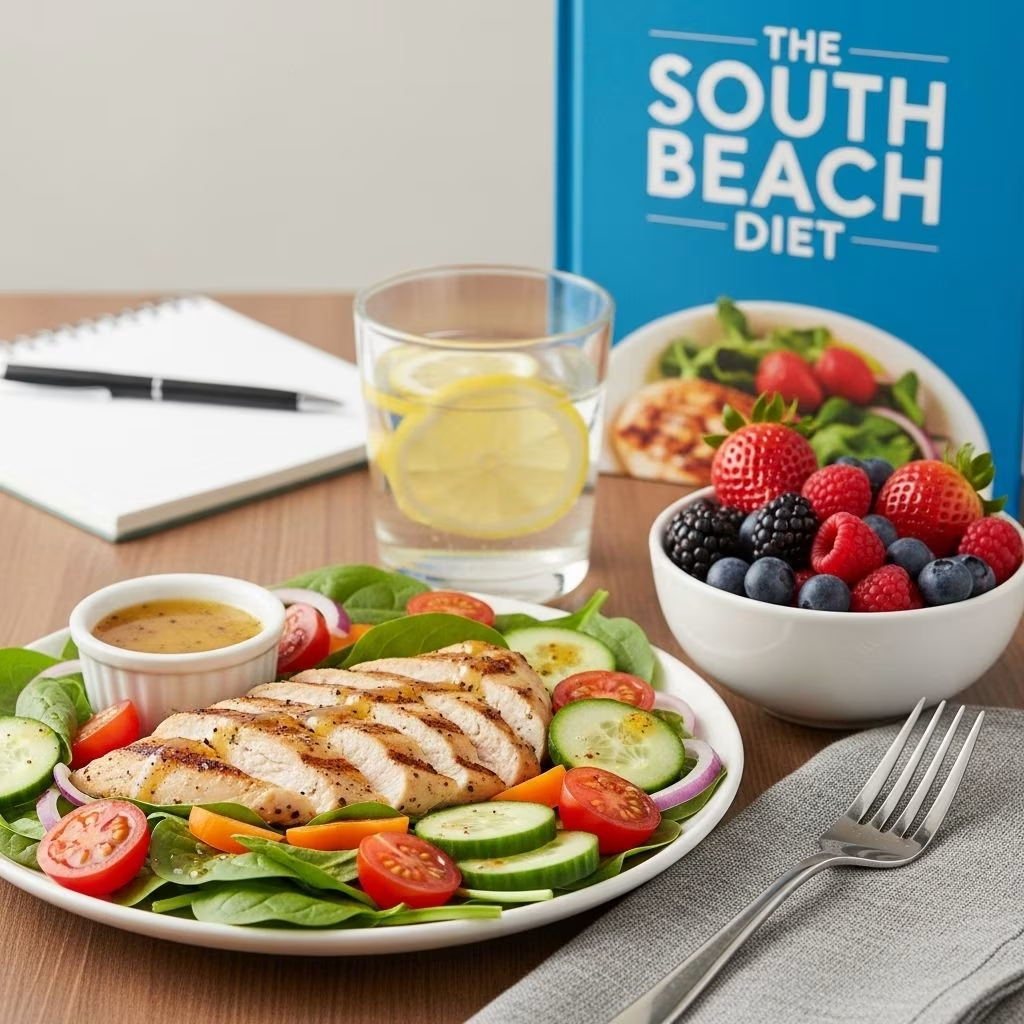
The South Beach Diet is one of the most popular weight loss and healthy eating plans, renowned for promoting a balanced intake of lean protein, healthy fats, and low-glycemic carbohydrates. Developed by cardiologist Dr. Arthur Agatston, this diet has helped millions of people lose weight, improve heart health, and reform their relationship with carbs and fats. This comprehensive guide covers what the diet is, how its three phases work, what foods are encouraged or avoided, expected results, frequently asked questions, and practical tips for sustainable success.
What is the South Beach Diet?
The South Beach Diet is a structured eating plan that focuses on consuming the right kinds of carbohydrates (mainly complex carbs), lean proteins, and healthy fats while avoiding foods high in simple sugars and unhealthy fats. Unlike many low-carb regimes, it does not completely eliminate carbohydrates but encourages eating carbs that have a low glycemic index and provide slower, steadier energy. The approach is designed to curb cravings, promote weight loss, and support long-term heart health.
How Does the South Beach Diet Work?
The diet is divided into three distinct phases, each with its own goals and guidelines. These phases help to reset your metabolism, establish healthy eating habits, and ultimately support long-term weight maintenance.
- Phase 1: Rapid weight loss, strict carb restriction
- Phase 2: Steady weight loss, gradual reintroduction of healthy carbs
- Phase 3: Maintenance, sustainable healthy eating for life
South Beach Diet: Phase by Phase
Phase 1: The Kick-Start
Duration: 14 days
This phase is the most restrictive but sets the foundation for the rest of the diet. It eliminates nearly all carbohydrates that can cause cravings and blood sugar spikes—primarily starches, fruits, sugars, and alcohol.
- What you eat: Lean protein (chicken, fish, eggs), non-starchy vegetables (broccoli, leafy greens), healthy fats (olive oil, nuts), and limited amounts of low-fat dairy.
- What you avoid: Bread, rice, pasta, fruit, sweets, beer, wine, and starchy vegetables like potatoes and corn.
- Meals: Three balanced meals plus two snacks per day, focusing on protein and vegetables.
Most dieters can expect to lose 8–13 pounds (3.5–6 kg) during this initial period. It is designed to reduce cravings and stabilize blood sugar.
Sample Day on Phase 1
- Breakfast: Scrambled eggs with spinach and tomatoes
- Snack: Low-fat cheese stick and cucumber slices
- Lunch: Grilled chicken salad with mixed greens and vinaigrette
- Snack: Handful of almonds
- Dinner: Broiled salmon with asparagus and olive oil
Phase 2: Reintroducing Good Carbs
Duration: From Day 15 until you reach your goal weight
Phase 2 allows you to gradually reintroduce healthy carbohydrates like certain fruits, whole grains, and starchy vegetables. The goal is slower, steady weight loss, averaging 1–2 pounds per week.
- What you eat: All foods from Phase 1, plus limited whole grains (brown rice, quinoa, whole wheat pasta), fruits (berries, apples), and starchy veggies (sweet potatoes, peas).
- What you avoid: Refined grains, high-sugar foods, unhealthy fats, and overly processed products.
- Flexibility: Occasional indulgences are allowed, but with moderation and mindful balance.
Sample Day on Phase 2
- Breakfast: Vegetable omelet with turkey sausage
- Snack: Greek yogurt with fresh berries
- Lunch: Tuna salad on whole-wheat bread, mixed veggie salad
- Snack: Cottage cheese and cherry tomatoes
- Dinner: Grilled chicken breast with quinoa and roasted Brussels sprouts
Phase 3: Weight Maintenance for Life
Duration: Indefinite (after reaching goal weight)
Phase 3 is about maintaining your success with a practical and flexible approach. No foods are strictly forbidden, but the focus remains on healthy patterns established in earlier phases.
- What you eat: Lean proteins, lots of veggies, moderate fruit, whole grains, and healthy fats.
- What you avoid: Frequent consumption of sugary foods, white bread, and high-saturated fat foods.
- Strategy: If weight begins to creep up, dieters are advised to return to Phase 1 or 2 briefly to reset healthy habits.
Sample Day on Phase 3
- Breakfast: Whole-grain cereal, veggie quiche, and an orange
- Lunch: Lean beef sandwich with vegetables and light mustard; salad
- Dinner: Grilled salmon with asparagus and salsa; mixed salad
- Dessert: Berries and sliced peach with vanilla yogurt
What Foods Are Allowed and Not Allowed?
| Food Group | Allowed | Not Allowed |
|---|---|---|
| Proteins | Lean meat, fish, seafood, turkey, eggs, tofu, low-fat dairy | Sausage, bacon (except turkey), fatty cuts of meat |
| Vegetables | Leafy greens, broccoli, peppers, tomatoes, cucumber, zucchini | Potatoes, corn, carrots (Phase 1), beets, peas, winter squash |
| Fruits | Apples, berries, peaches, oranges (Phases 2 and 3) | All fruit (Phase 1) |
| Grains | Whole grains: oatmeal, brown rice, quinoa (Phases 2 and 3) | White bread, white rice, cake, cookies |
| Fats and Oils | Olive oil, avocado oil, nuts, seeds | Butter, lard, margarine high in trans fats |
| Drinks | Water, coffee, tea, plant-based milk, vegetable juice | Sugary sodas, sweetened juices, alcohol (Phase 1) |
Key Principles of the South Beach Diet
- Encourages complex, low-glycemic carbs for stable energy
- Puts a strong emphasis on lean protein and healthy fats
- Aims to reduce cravings and hunger swings
- Teaches mindful snacking and portion control
- Promotes long-term, heart-healthy eating habits
Expected Weight Loss and Health Benefits
- Rapid initial weight loss in Phase 1 (average 8–13 lbs in two weeks)
- Steady, moderate weight loss in Phase 2 (average 1–2 lbs per week)
- Potential for improved cholesterol, triglycerides, and blood sugar due to increased intake of fiber and reduction in processed carbs
- Decreased cravings and improved control over eating
- Greater energy and possibly enhanced mood for some participants
South Beach Diet Sample Grocery List
- Skinless chicken breast, lean beef, turkey meat, fish (salmon, tuna, tilapia)
- Eggs, reduced-fat cheese, Greek yogurt
- Asparagus, spinach, broccoli, zucchini, bell peppers, mushrooms
- Almonds, walnuts, sunflower seeds
- Avocados, extra-virgin olive oil
- Quinoa, brown rice, whole-wheat bread (Phase 2+)
- Fresh berries, oranges, peaches (Phase 2+)
- Herbs, spices, salsa, vinegar
Tips for Success on the South Beach Diet
- Prepare meals ahead to avoid temptation
- Drink plenty of water and unsweetened beverages
- Focus on whole, minimally processed foods
- Use herbs and spices for flavor in place of sugar or excessive salt
- Plan snacks that combine protein and veggies for satiety
- Read nutrition labels to avoid hidden sugars and fats
- Allow yourself occasional treats in moderation during Phase 2 and 3
- Incorporate regular exercise, as recommended by the updated South Beach guidelines
Common Myths and Misconceptions
- Myth: The South Beach Diet is just another no-carb diet.
Fact: The diet actually emphasizes the importance of certain carbohydrates—specifically those that are low on the glycemic index and rich in nutrients. - Myth: You can never eat bread, rice, or fruit again.
Fact: Healthy versions of these foods are gradually reintroduced and encouraged in moderation after Phase 1. - Myth: It’s only about weight loss.
Fact: The long-term maintenance phase is about heart health and making better food choices for life. - Myth: The diet is too difficult to stick with.
Fact: Many find the structured phases and variety of allowed foods make the diet sustainable, especially with ongoing flexibility in Phase 3.
Frequently Asked Questions (FAQs)
1. Who can benefit from the South Beach Diet?
The diet is suitable for adults seeking to lose weight, improve heart health, or manage insulin resistance. Always consult your healthcare provider before starting any new eating plan, especially if you have chronic medical conditions.
2. Is the South Beach Diet safe for people with diabetes?
The emphasis on low-glycemic carbs and lean proteins may help many individuals with insulin resistance or type 2 diabetes. However, close monitoring and consultation with a medical professional are essential.
3. Can vegetarians or vegans follow the South Beach Diet?
It is possible for vegetarians, especially with the inclusion of eggs, dairy, nuts, seeds, legumes, and soy products. Vegans may need to adjust the plan more creatively, substituting plant-based proteins and non-dairy alternatives for restricted foods.
4. Are exercise and physical activity required?
While not required to lose weight in the early phases, incorporating physical activity is encouraged for optimal health and to boost long-term results. The updated guidelines particularly recommend a regular exercise routine.
5. What about dining out or eating on the go?
Choose grilled or baked lean proteins, opt for lots of non-starchy vegetables, and ask for sauces and dressings on the side. Avoid bread baskets, fried appetizers, and sweetened beverages. Many restaurants offer customizable plates that fit the South Beach framework.
6. Will I be hungry on the diet?
The diet emphasizes three balanced meals and two snacks per day (especially in Phases 1 and 2) with enough protein, healthy fats, and fiber to reduce hunger and cravings. Most people report feeling satisfied, especially after the first few days as the body adjusts.
7. How does the South Beach Diet differ from other low-carb diets?
The South Beach Diet is less restrictive than Atkins or keto and encourages the reintroduction and inclusion of healthy carbs with an emphasis on glycemic index, not just total carb content. The focus is on nutrient-dense foods and overall heart health, not just carb elimination.
8. What about alcohol?
No alcohol is allowed in Phase 1. In Phases 2 and 3, moderate consumption of wine or spirits is permitted, ideally with food and mindful calorie tracking.
9. What should I do if I stop losing weight?
Plateaus are common in any weight loss plan. Double-check for hidden sugars or carbs creeping in, review portion sizes, and consider returning to Phase 1 for a short period to reset.
Conclusion
The South Beach Diet is a proven, flexible, and science-supported approach to weight loss and better health. With a focus on lean proteins, healthy fats, and the right carbohydrates, it excels at reducing cravings, stabilizing blood sugar, and promoting lasting habits. By understanding the phases, core foods, and practical strategies, you can harness the South Beach Diet’s strengths for sustainable results and long-term vitality.
References
- https://betterme.world/articles/south-beach-diet-meals/
- https://www.medicinenet.com/the_south_beach_diet_beginners_guide/article.htm
- https://www.mayoclinic.org/healthy-lifestyle/weight-loss/in-depth/south-beach-diet/art-20048491
- https://www.healthline.com/nutrition/south-beach-diet
- https://palm.southbeachdiet.com/frequently-asked-questions-counselors/
- https://palm.southbeachdiet.com/guide-to-success/
- https://www.prevention.com/weight-loss/diets/a20453662/south-beach-diet-faqs/
- https://www.prevention.com/weight-loss/diets/a20457391/south-beach-diet-faqs-0/
- https://getcurex.com/weight-loss-blog/south-beach-diet-guide-rules-benefits-foods-to-eat


