


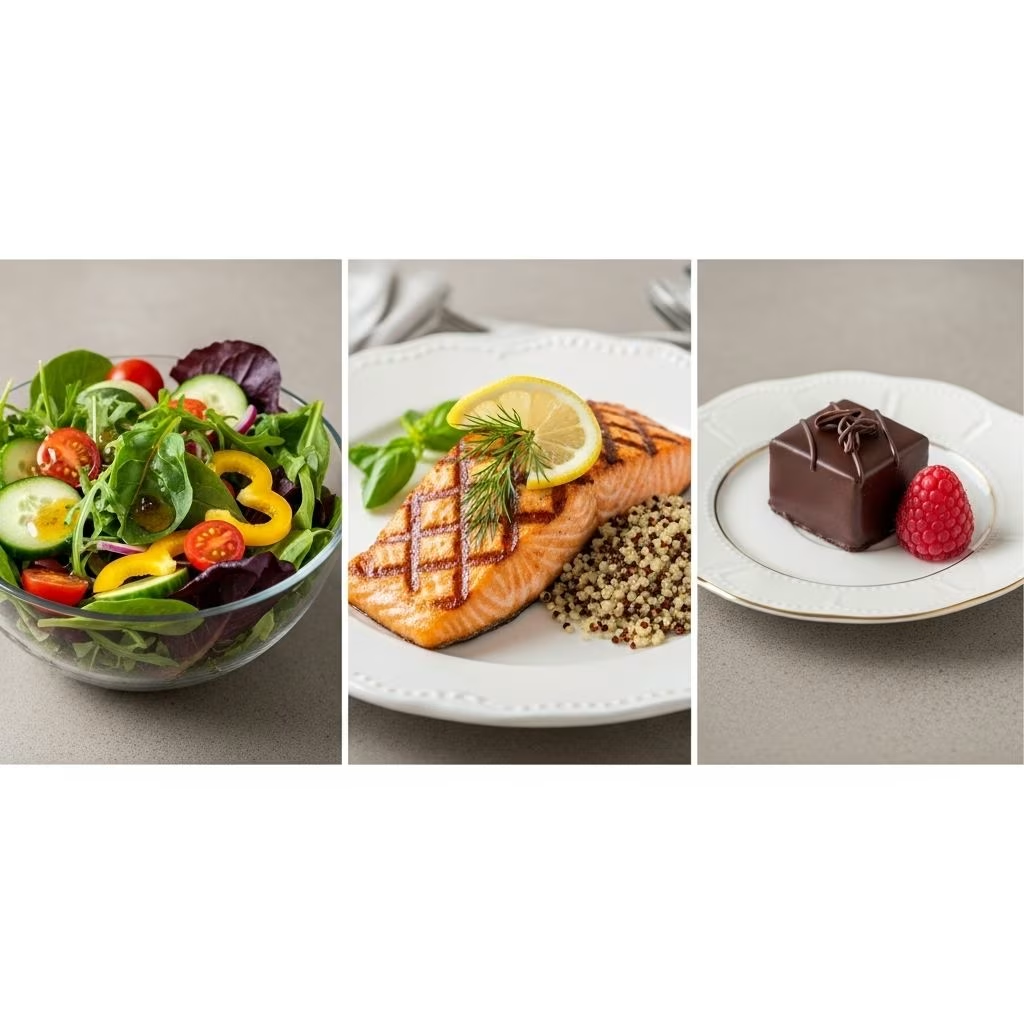
Cravings are often painted as the culprit behind stalled weight loss and failed diets, but what if the secret to sustainable success is not strict deprivation, but giving in—strategically? Enter the three-food rule, a simple yet groundbreaking approach that encourages eating more rather than less, using structure and variety to help you stay satisfied, tame food cravings, and enjoy a healthy, lasting weight loss journey.
Why Do We Crave Certain Foods?
Most people experience cravings—powerful urges for specific foods, like sweets, salty snacks, or carb-heavy comfort foods. Cravings are more than just willpower battles; they are influenced by physiological needs, learned habits, emotional triggers, and even routine behaviors. Research shows that cravings occur in the majority of the population and may be shaped by conditioning: the more frequently you indulge in a food, the more likely you are to crave it in the future.
Introducing the Three-Food Rule
The three-food rule was developed to address the twin challenges of deprivation-driven binge eating and constant dieting disappointment. Instead of focusing on what you can’t eat, the rule asks you to create meals and snacks made up of at least three different foods from distinct food groups. This structural guideline helps ensure satisfaction, reduces the monotony that leads to cravings, and allows you to enjoy the foods you love—in moderation and with balance.
How Does the Three-Food Rule Work?
The principle is simple: whenever you eat, choose three different foods from these groups:
- Fruits
- Vegetables
- Dairy
- Grains
- Meat/Protein (including fish, eggs, nuts, legumes)
If you crave cookies, pair them with fruit and a glass of milk. A classic comfort meal like macaroni and cheese is completed with a helping of green beans and a fresh fruit salad. If you want seconds of any part of your meal, you must also take seconds of the other components. This ensures variety, slows down eating, and boosts your nutritional intake as well as your satiety signals.
Why Eating More (Variety) Works for Weight Loss
The brilliance of the three-food rule lies in its psychological and physiological benefits:
- Structure Without Deprivation: You aren’t told to avoid your favorite foods; rather, you add healthy foods around them, which provides balance and reduces the urgency of cravings.
- Enhanced Satiety: By combining different food groups, you create meals that fill you up and keep you satisfied longer, curbing both hunger and head hunger (the urge to eat out of boredom).
- Balanced Cravings: Regularly including small portions of craved foods, but always as part of a trio, helps train your body and brain not to fixate on single, off-limits treats.
Sample Three-Food Rule Meals and Snacks
It may seem counterintuitive to include more items in your meal or snack, but the three-food rule can make eating more enjoyable, colorful, and nourishing.
| Craving | Three-Food Rule Example |
|---|---|
| Cookies | 2 cookies + a glass of milk + a clementine |
| Mac and Cheese | Mac and cheese + fresh green beans + fruit salad |
| Potato Chips | Potato chips + raw carrots + string cheese |
| Ice Cream | A small dish of ice cream + chopped walnuts + fresh strawberries |
| Toast with Jam | Whole-grain toast with jam + scrambled eggs + apple slices |
When cravings hit, the rule encourages you to match that craving with foods from other groups. “People can’t believe I’m actually telling them to eat more food, but the idea is to satisfy your hunger and dissuade you from eating when you’re just bored,” notes registered dietitian and nutritionist Karen Beerbower, who advocates the approach.
How the Rule Tackles Cravings and Emotional Eating
Many attempts to lose weight are derailed not by hunger but by cravings triggered by stress, monotony, or the everyday environment. If you try to satisfy midafternoon munchies with only an apple, you may find yourself overeating later because the snack wasn’t satisfying enough. By pairing that apple with low-fat cheese and a few whole grain crackers, you create a trio that addresses your taste, texture, and satiety needs.
- Satisfies different flavor and texture needs, making you less likely to binge later
- Keeps blood sugar stable, minimizing crashes that lead to more cravings
- Reduces deprivation, so there’s less risk of going overboard when you finally give in to a craving
The Role of Protein: Breaking the Craving Cycle
One standout element of the three-food rule is its encouragement to include protein at every meal. Many diets aimed at cutting fat or carbs end up slashing protein options, but protein is crucial because it slows digestion, increases satiety, and naturally limits overeating.
According to Beerbower, “Too many women toss out protein when they try to curb fat.” With the three-food rule, even snack time can include protein, which helps break the craving for carbohydrates and sugars, keeping you full and focused for hours.
- Protein slows digestion, reducing blood sugar spikes and crashes
- Increases lasting satisfaction, discouraging overeating on snacks
- Builds and maintains muscle, enhancing healthy weight loss
What About Sweets and Desserts?
Unlike rigid diet plans that banish dessert, the three-food rule welcomes them—within structure. You can enjoy pies, cakes, and other sweet treats, but they should be eaten within 15 minutes of a meal (as a “third food”) or as one element in your three-food snack. This curbs mindless nibbling and anchors treats in a context of balanced eating.
- Enjoy dessert as part of the meal, not as a separate snacking event.
- For sweet snacks, always combine dessert with two other food groups to avoid overindulgence.
- No food is off-limits, making the rule easier to sustain over time.
The Science: Why Frequency Matters More Than Quantity
Emerging research supports the strategy behind the three-food rule. According to studies such as the Preventing Overweight Using Novel Dietary Strategies (POUNDS Lost) trial, decreasing the frequency of consuming craved foods—not just the amount—leads to a reduction in cravings and, subsequently, in weight. In other words, rather than eating small bites of your favorite treat each day, it can be more effective to reduce how often you indulge in that particular food overall. The three-food rule accomplishes this in a natural, nonrestrictive way, since you’re pairing indulgences with variety and limiting frequency by default.
Tips for Making the Most of the Three-Food Rule
- Choose color and texture variety. The more colorful and diverse your plate, the more nutrients and satisfaction you get.
- Plan ahead. Stock your fridge and pantry with foods from different groups. Pre-cut veggies, fresh fruit, and healthy proteins make it easy.
- If craving a treat, add two wholesome foods. Don’t skip the treat—just complete your snack or meal the three-food way.
- Listen to fullness cues. Eat slowly and mindfully, savoring each element. Stop when your hunger is satisfied.
Frequently Asked Questions (FAQs)
Q: Can I really eat my favorite foods and still lose weight?
A: Absolutely. The three-food rule is designed to help you include your favorite foods alongside a variety of healthy options, reducing feelings of deprivation and binge eating while supporting steady, sustainable weight loss.
Q: Will I need to count calories or eliminate food groups?
A: No. The focus is on inclusion, not exclusion. While awareness of portions is always smart, the rule’s built-in variety (especially the emphasis on fruits, vegetables, and protein) naturally leads to better balance and less mindless overeating.
Q: What should I do if I have a craving but don’t want to overeat?
A: When a craving strikes, build a three-food snack that includes the craved food with two nutritious sides from other groups. For example, a small piece of chocolate paired with Greek yogurt and fresh berries can satisfy both your craving and your hunger.
Q: Does the three-food rule work for emotional or habitual eating?
A: Yes, because it offers structure and mindful eating practices. When urges are tied to habits or emotions, the act of preparing and consuming a three-food combination helps break unthinking routines and replaces them with healthy, satisfying alternatives.
Beyond the Plate: Lifestyle Changes to Support Cravings Control
- Get Enough Sleep: Sleep deprivation boosts appetite hormones and triggers cravings, especially for carbs and sweets. Aim for 7–8 hours nightly.
- Distract and Divert: Sometimes, what you crave isn’t food but comfort, novelty, or relaxation. Consider taking a short walk, calling a friend, or engaging in a hobby to reset your mental state before reaching for a snack.
- Watch Out for Triggers: Habits and environments can cue cravings—like eating popcorn during movies. Identify and adjust triggers where you can, and use mindful snacking as a replacement.
Key Takeaways of the Three-Food Rule
- Structure and variety help you feel full, satisfied, and less likely to crave or overeat.
- No foods are forbidden. The emphasis is on balance and inclusion, making this strategy sustainable long-term.
- Including protein at every meal dampens carbohydrate cravings and boosts staying power.
- Reducing the frequency of indulging in craved foods, instead of just minimizing portions, leads to fewer cravings over time.
- Simple guidelines, not rigid rules, lead to success you can live with—and enjoy!
Conclusion
If you’re tired of the endless cycle of dieting, deprivation, and failed willpower, the three-food rule offers a fresh, sustainable approach. By focusing on variety, balance, and mindful indulgence, you’ll not only conquer cravings but enjoy your weight loss journey—and every meal along the way.
References
- https://pmc.ncbi.nlm.nih.gov/articles/PMC5529244/
- https://www.prevention.com/weight-loss/diets/a20445241/foods-cravings-weight-loss-program/
- https://www.prevention.com/weight-loss/a20466650/how-to-stop-food-cravings-and-overeating/
- https://www.prevention.com/weight-loss/diets/a60578947/how-to-lose-weight-fast-safely/
- https://www.prevention.com/weight-loss/g19576831/healthy-snack-ideas-weight-loss/
- https://www.prevention.com/weight-loss/a20474557/how-to-reduce-food-cravings-with-your-finger/
- https://www.prevention.com/weight-loss/g20512093/12-surprisingly-effective-ways-to-halt-your-hunger/
- https://www.prevention.com/food-nutrition/healthy-eating/a65664887/ultra-processed-foods-weight-loss-gut-health-study/
- https://www.prevention.com/weight-loss/g20498713/lose-weight-without-trying/
- https://www.prevention.com/weight-loss/diets/a20718413/apple-cider-vinegar-for-weight-loss/


