


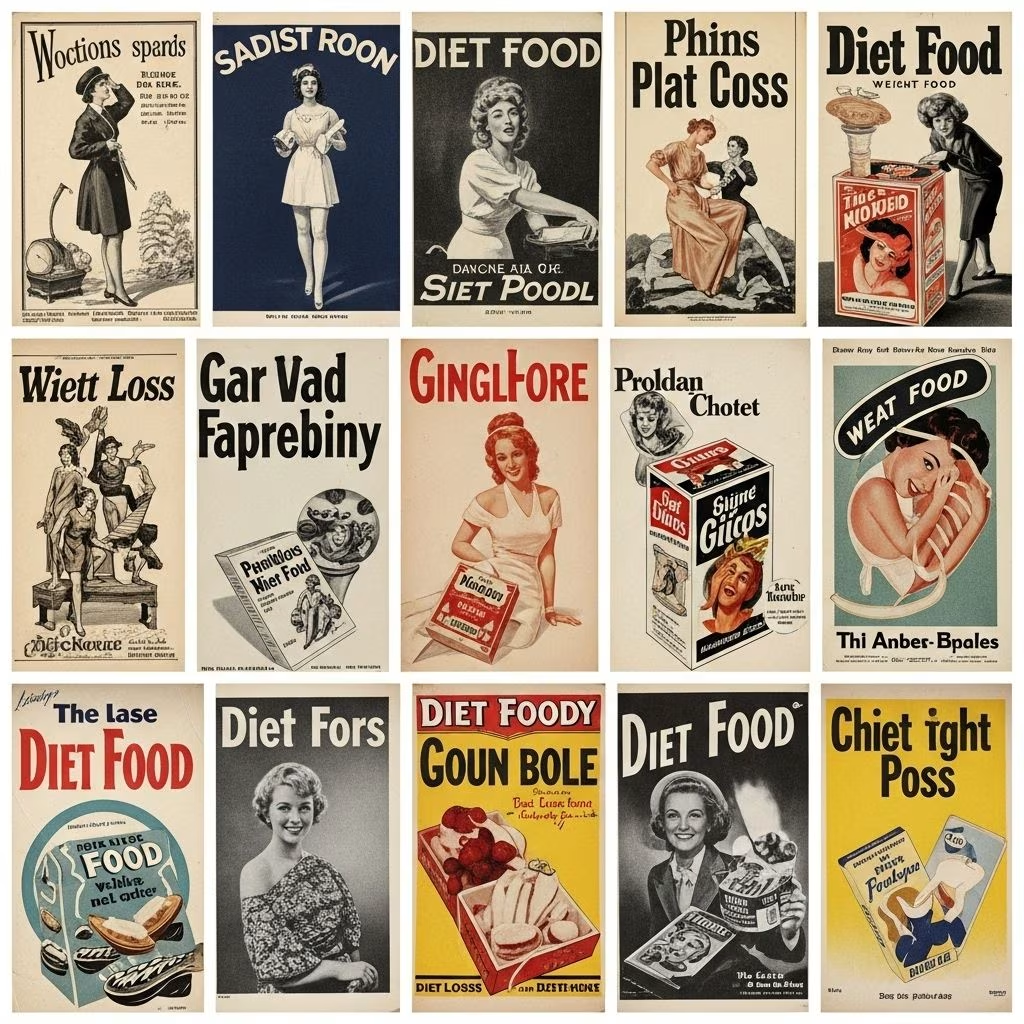
Vintage Diet Food Ads: Where Weight Loss Hype Began
Throughout the 20th century, diet food advertising played a pivotal role in shaping how Americans viewed weight loss and nutrition. From the glamorous promises of the 1950s to the quirky fads of the 1970s, these ads reveal much about cultural attitudes toward body image, dietary myths, and the science (or lack thereof) behind popular weight loss strategies.
This article takes an in-depth look at some of the most iconic—and sometimes bizarre—vintage diet food ads, exposing their strategies, misconceptions, and influence.
The Rise of Diet Culture in Advertising
The postwar boom years saw rapid changes in American society: more leisure time, increased prosperity, and, notably, a growing fascination with thinness as the beauty ideal. Advertising quickly seized upon this, positioning foods and products as solutions for shedding pounds and achieving the fashionable body type. Driven by the era’s gender roles, many ads targeted women as the household’s primary shopper and culinary gatekeeper.
Media like women’s magazines, radio, and early television became key vehicles, with more than 20% of products advertised in major publications relating to food and drink by the 1930s and 1940s.
- Women as the target audience: Most vintage ads focused on women, exploiting anxieties about appearance and social acceptance.
- Family appeal: Some ads also targeted children, presuming mothers would be swayed by promises of healthy, energetic kids.
- Print media dominance: Newspapers and magazines offered fertile ground for propagating diet and food myths.
The Diet Food Revolution: Products That Promised Miracles
Vintage diet ads featured a dizzying array of products, each claiming to deliver fast, effortless results. Some iconic examples included:
- Low-calorie bread and crackers: Often touted as a way to “fill up, not out,” these products played on fears of conventional foods causing weight gain.
- Shakes and meal replacements: Marketed as quick fixes for busy homemakers, these were presented as scientifically engineered for optimal slimming.
- Sugar-enriched foods and drinks: Surprisingly, ads from the 1950s and 1960s sometimes recommended sugar as a way to “control hunger” and provide lasting energy.
Sugar’s Strange Role in Vintage Weight Loss Ads
As medical research began linking excess sugar to weight gain in the mid-1950s, the sugar industry responded with a barrage of advertising. They claimed that sugar could help regulate appetite via the so-called “appestat,” a supposed mechanism controlling hunger. By positioning sugar as a tool for weight management, ads implied that replacing sugar with artificial substitutes would leave people dissatisfied and likely to overeat.
- Energy and satisfaction: Campaigns asserted that sugary snacks and drinks help children stay active and focused—a message aimed squarely at mothers.
- Freedom of choice: Some ads framed the debate as a personal liberty issue, encouraging consumers to resist “diet fads” and stick with “natural” sugar.
| Ad Claim | Science Reality | Consumer Impact |
|---|---|---|
| Sugar curbs appetite, reduces calorie intake | No evidence; sugar drives cravings and overconsumption | Potential increase in sugar intake |
| Diet sodas unsatisfying, full sugar is better for diet | Artificial sweeteners safe in moderation; excess sugar linked to obesity | Confusion, skepticism of “diet” products |
| Sugar equals energy for children | Short-term boost, long-term health risks | Mothers encouraged to buy sugary treats |
Next-Level Diet Schemes: From “Lightly Sweetened” to “Naturally Slimming”
Marketers quickly adapted to shifting public concerns, using buzzwords like “healthy,” “natural,” “lightly sweetened,” and “fruit flavored” to impart a sense of wellness. Packaging and branding evoked freshness and vitality, while quietly concealing high doses of sugar or dubious ingredients.
- Front groups and “independent experts”: To add credibility, the sugar industry recruited scientists and spokespeople unaffiliated with manufacturers—but often indirectly funded.
- Emotional and psychological manipulation: Many campaigns relied on suggestion rather than reasoning, as advertising psychology expert Walter D. Scott wrote: “Man could…be called the creature of suggestion.”
- Visual cues: Lush, colorful images of “slimming” foods reinforced the appeal, regardless of nutritional reality.
Memorable Examples of Vintage Diet Food Ads
- The “Appestat” Diet Table: A prominent ad used a diagram of the alleged appestat device, convincing readers that sugar was akin to turning off cravings and controlling caloric intake.
- Fruit-Flavored Weight Loss Gels: Brands like Knox Gelatine, advertised in women’s magazines, promised that gelatin-based desserts would help “melt fat”—claims based on little or no clinical research.
- Campbell’s “Diet Soup”: Some ads framed soup (especially tomato or vegetable variants) as a “slimming meal,” offering a way to stay full without regrettable caloric intake.
The Downfall: Regulatory Pushback and Changing Tides
By the early 1970s, growing skepticism about health claims in advertising led the Federal Trade Commission (FTC) to demand proof for marketed statements. The sugar industry’s campaign in particular was cited, and guidelines were enforced requiring companies to clarify misleading language and curb overblown promises.
- FTC intervention: The commission required corrective advertising and pressured companies to base claims on scientific evidence.
- Industry pushback: Organizations like the Sugar Association initially protested but ultimately revised their messaging.
- Consumer awareness: As media literacy improved, more Americans questioned the legitimacy of diet product claims.
Advertising Shifts: Gender, Psychology, and Household Change
Beyond product hype, vintage food ads also reflected broader social trends. The early and mid-20th century saw food marketing framed through gender roles: women as homemakers responsible for the family’s nutrition, men as breadwinners, and children as persuasive forces in consumption decisions.
- Gender roles: Ads often depicted women as vigilant guardians against family weight gain, subtly reinforcing domestic stereotypes.
- Psychological tactics: Advertisers used emotional appeals—happy, healthy children, slim, attractive women—to create a sense of urgency around buying specific products.
- Changing household dynamics: As more women joined the workforce and fast food grew in popularity, advertising strategies shifted toward convenience and time-saving diet solutions.
Bizarre and Controversial Ads: A Gallery of Diet Myths
A review of era-defining ads unveils some truly peculiar dietary advice. Here are several notable examples:
- Sugar as a “Health Food”: Using prominent doctors or “nutritionists” in ads, brands characterized sugar as essential for well-being, contrary to later evidence.
- Leaf Lard and Shortening: Promoted as a “purity” solution to control one’s figure, despite being loaded with saturated fats.
- Jello and Gelatin Desserts: Marketed as slimming and “figure-friendly”—yet typically high in sugar.
- “Diet Bread” and Low-Calorie Crackers: Brands used filler ingredients to promise a full belly and a flat stomach.
- Campbell’s Slender Line Soups: Soup became a weight loss staple, advertised as light, filling, and essential for a slim figure.
Legacy and Impact: How Vintage Ads Still Influence Us
While many claims from vintage diet food ads have been debunked, their legacy persists. The enduring themes—quick fixes, distrust of emerging diet products, emotional manipulation—remain embedded in modern marketing strategies. Today’s health-conscious consumers are more skeptical, but similar messages continue to reappear in ads and influencer campaigns.
- Lasting myths: The notion of “good” versus “bad” calories; “natural” sweeteners; “magic bullets” for weight loss—all traceable to previous decades.
- Nostalgia marketing: Food brands still use vintage aesthetics to evoke feelings of trust and simplicity, even if claims have changed.
- Consumer vigilance: Modern shoppers consult scientific studies, government guidelines, and independent reviews, rather than relying solely on advertisement narratives.
Frequently Asked Questions (FAQs)
Q: Were vintage diet food ads based on real science?
A: Most vintage diet food ads used pseudoscientific concepts like the “appestat.” While some referenced genuine nutritional ideas, many exaggerated or misinterpreted data to sell products.
Q: Why did sugar feature so prominently in old diet ads?
A: During the 1950s-1960s, the sugar industry attempted to counteract negative publicity by promoting sugar as a tool for energy and appetite control. Withstanding regulatory scrutiny, these claims persisted until the FTC demanded more accuracy.
Q: Did these ads impact long-term diet trends?
A: Yes. They contributed to cycles of diet fads, shaped public confusion about “healthy” foods, and influenced snack and beverage choices into the late 20th century.
Q: How are diet food ads different today?
A: Modern ads focus more on “natural” ingredients, transparency, and scientific backing. Regulatory agencies enforce rules about health claims, though emotional appeals and marketing myths persist.
Q: What can we learn from vintage diet food ads?
A: They remind us to view weight loss marketing with skepticism, seek evidence-based information, and not fall for “magic bullet” solutions to complex health challenges.
Conclusion: Advertising Myths and Consumer Wisdom
The history of diet food ads mirrors changing societal norms and underlines the power of marketing to shape beliefs about health and nutrition. Their stories serve as cautionary tales: scrutinize health claims, question quick fixes, and remain aware of the persuasive psychological tactics advertisers use. The nostalgia might be charming, but the lessons urge us to be wiser in the face of clever marketing.


