


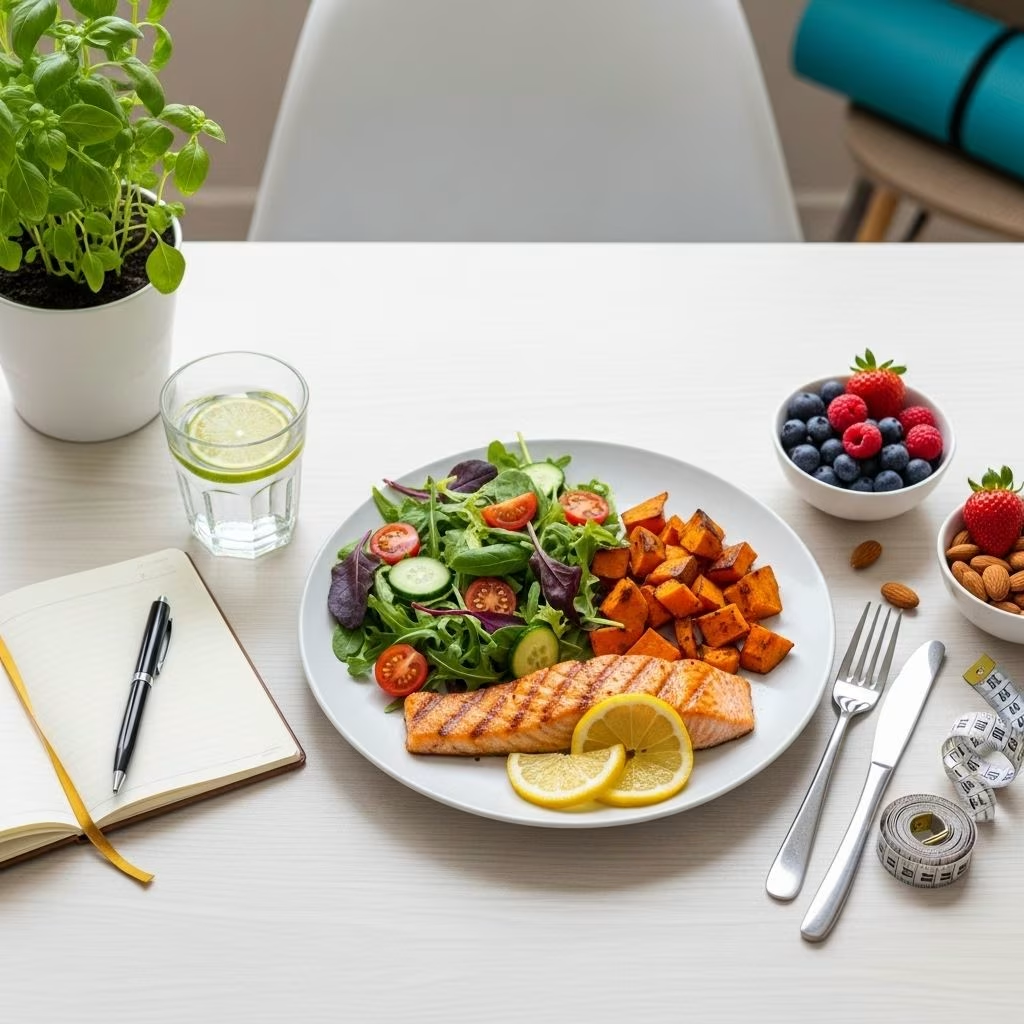
Weight Loss and Healthy Eating: Practical Strategies for Lasting Success
Weight loss and healthy eating are more than fleeting trends—they are lifelong habits that foster overall well-being. Many people approach weight management with short-term diets or rigid restrictions, but research and expert advice show that building balanced meals, prioritizing nutrient-dense foods, and making small, sustainable changes are the keys to success. This comprehensive guide covers the essential elements of healthy eating for weight loss, including smart meal planning, recommended food groups, effective portion control, and actionable strategies for lasting results.
Understanding the Foundations of Weight Loss
At its core, weight loss occurs when you consume fewer calories than your body burns. However, effective and lasting results require more than just calorie counting. You need to nourish your body with foods that provide energy, essential nutrients, and satiety without excess added sugar, saturated fat, or sodium.
Key points include:
- Balanced nutrition — prioritizing foods rich in vitamins, minerals, fiber, and protein.
- Personalized calorie goals — based on age, sex, body size, activity level, and individual health needs.
- Sustainable changes — choosing habits and foods you can maintain long-term.
Building a Healthy Eating Plan
Creating a healthy eating plan is your blueprint for successful weight management. The Dietary Guidelines for Americans, NHS guidance, and leading health organizations recommend organizing meals and snacks around nutrient-dense foods that promote satiety, energy, and satisfaction.
Essential Food Groups for Weight Loss
- Vegetables: Choose a variety of colors and types—aim for at least 2 portions with every main meal, ideally making half your plate vegetables. Vegetables are low in calories and high in fiber, helping keep you full and reducing overall calorie intake.
- Fruits: Include whole fruits over juices to maximize fiber and nutrition. Strive for 3 servings a day, but more is even better. Fruits make excellent snack options without excess sugar or calories.
- Whole Grains: Opt for brown rice, oats, whole-wheat bread, quinoa, and barley. Whole grains contain more fiber than refined grains and provide longer-lasting energy.
- Protein Foods: Lean meats, poultry, eggs, seafood (favor fatty fish like salmon, sardines, or mackerel), beans, peas, lentils, tofu, nuts, and seeds. Protein helps you stay full longer and supports muscle health.
- Dairy: Select low-fat or fat-free milk, cheese, and yogurt. Alternatives like unsweetened soy beverages with added calcium and vitamins are suitable for those avoiding dairy.
- Healthy Oils: Use olive, sunflower, or rapeseed oil, which offer unsaturated fats. Enjoy nuts, seeds, and avocados for healthy fat content.
What to Limit for Healthy Weight Loss
- Added Sugars: Keep added sugars below 10% of daily calories. Limit sweets, sodas, and sugary snacks.
- Saturated Fat: Aim for less than 10% of calories from saturated fats by limiting fatty meats, processed snacks, and full-fat dairy.
- Sodium: Keep sodium under 2,300mg daily, and be mindful of processed foods, canned goods, and salty snacks.
Balanced Meal Composition
| Food Group | Recommended Proportion | Examples |
|---|---|---|
| Vegetables | 1/2 plate | Broccoli, spinach, bell peppers, carrots |
| Whole Grains | 1/4 plate | Brown rice, quinoa, whole-wheat pasta |
| Lean Protein | 1/4 plate | Chicken breast, salmon, lentils, tofu |
| Fruit (as snack or side) | 1 serving | Apple, orange, berries |
Smart Strategies for Healthy Weight Management
It’s possible to simplify healthy eating and weight management with practical routines and consistent habits. Below are proven strategies to help you stay on track and enjoy the journey.
1. Plan Your Meals
- Create weekly meal plans to avoid impulsive eating and rely less on processed foods.
- Prepare healthy snacks in advance: carrot sticks, low-fat cheese with fruit, hummus and bell peppers, plain yogurt with berries.
2. Portion Control
- Use smaller plates and bowls to help manage serving sizes.
- Divide your plate: half vegetables, a quarter lean protein, a quarter whole grains.
3. Mindful Eating
- Eat slowly, focus on flavor and satiety, and pay attention to hunger cues.
- Avoid distractions such as eating while watching TV or working.
4. Hydration Matters
- Drink 6-8 cups of fluid daily: water, unsweetened tea, coffee, clear broth, and soup all count toward hydration.
- Limit sugar-sweetened beverages and alcohol, which add calories without nutritional benefit.
Choosing the Right Proteins
Protein is essential for maintaining lean muscle mass, supporting metabolism, and promoting fullness. Select lean, nutrient-rich sources:
- Poultry: Skinless chicken or turkey, grilled or baked.
- Fish: Salmon, sardines, and mackerel are high in omega-3 fatty acids. Include fish twice per week, but limit high-mercury options like shark, swordfish, and king mackerel.
- Lean Meats: Trim visible fat from beef or pork; choose lean cuts.
- Plant-Based Proteins: Beans, lentils, tofu, edamame, nuts, and seeds. These boost fiber as well as protein content.
- Eggs: Safe for most healthy people to consume 1-2 eggs daily; the yolk contains most nutrients.
Maximizing Fruits and Vegetables
Increase your intake by:
- Incorporating vegetables into omelets, sandwiches, stir-fries, stews, and even pasta dishes.
- Replacing part of the grains or cheese in meals with vegetables, reducing calorie intake without sacrificing flavor.
- Snacking on fresh fruit instead of sweets or chips.
- Using frozen veggies for convenience and affordability.
- Minimizing fruit juice—whole fruits are better for satiety and blood sugar control.
Smart Choices for Snacks and Sweets
- Favor snacks that combine fiber and protein, such as apple slices with peanut butter, berries with Greek yogurt, or bell peppers with hummus.
- Reduce cookies, cakes, chips, and candies—these provide calories with little nutritional benefit.
Healthy Fats and Oils
- Choose unsaturated oils (olive, sunflower, rapeseed) in small amounts for cooking and salad dressings.
- Enjoy nuts, seeds, and avocado for heart-healthy fat content.
- Limit saturated fats found in butter, processed meats, and full-fat dairy.
Dairy: Keeping it Light
- Select low-fat versions of milk, cheese, and yogurt.
- Check labels for added sugars, especially in flavored yogurts.
- Use calcium-fortified plant alternatives (e.g., soy beverage) if avoiding dairy.
Staying Motivated and Consistent
- Set realistic goals—aim to lose 1-2 pounds per week for lasting results.
- Track progress with food diaries, apps, or photographs.
- Enlist support from family, friends, or professional guidance such as a dietitian or weight loss group.
Overcoming Common Challenges
- Social occasions: Suggest healthy options, have a small portion of treats, and fill up on produce before celebrations.
- Dining out: Look for grilled, baked, or steamed options; ask for dressings on the side; avoid fried foods.
- Busy schedules: Prepare meals in bulk, keep healthy staples at home, and rely on easy-to-prepare options like salads, stir fries, or grain bowls.
Frequently Asked Questions (FAQs)
Q: How many servings of fruits and vegetables should I eat each day for weight loss?
A: Aim for at least 5 servings daily—a minimum of 2 portions of vegetables at main meals and 3 servings of fruit throughout the day. More is even better, as produce is low in calories and high in fiber and nutrients.
Q: Do I need to count calories to lose weight?
A: Knowing your daily calorie needs can help, but focusing on balanced meals rich in vegetables, lean protein, and whole grains is usually more sustainable than strict calorie counting.
Q: Can I still eat carbohydrates if I’m trying to lose weight?
A: Yes, choose whole grains and limit refined carbs like white bread or sugary snacks. Carbohydrates fuel your body, and fiber-rich options help with satiety.
Q: What is the best way to handle cravings?
A: Choose healthy, filling snacks with fiber and protein, and allow yourself an occasional treat in moderation. Mindful eating and regular meals can reduce cravings.
Q: How important is physical activity in weight loss?
A: Physical activity helps burn calories, preserve muscle, and support mental health. Aim for at least 150 minutes of moderate activity per week, combined with healthy eating.
Quick Tips for Sustainable Weight Loss
- Stock your kitchen with healthy staples—fresh produce, lean proteins, whole grains, and low-fat dairy.
- Stay hydrated—drink plenty of water throughout the day.
- Snack smart—keep fruit, veggies, and protein-rich snacks handy.
- Avoid skipping meals to prevent overeating later.
- Celebrate small victories and keep progress visible.
Conclusion
Weight loss and healthy eating are about more than just numbers on a scale. By focusing on balanced nutrition, enjoying a variety of wholesome foods, controlling portions, and shaping sustainable habits, you can achieve your goals and maintain a healthy weight for life.
References
- https://www.niddk.nih.gov/health-information/weight-management/adult-overweight-obesity/eating-physical-activity
- https://www.nhs.uk/better-health/lose-weight/healthy-eating-when-trying-to-lose-weight/
- https://medlineplus.gov/ency/patientinstructions/000330.htm
- https://www.mayoclinic.org/healthy-lifestyle/weight-loss/in-depth/weight-loss/art-20047752
- https://www.mountsinai.org/health-library/special-topic/healthy-habits-for-weight-loss
- https://www.nutrition.gov/topics/healthy-living-and-weight/strategies-success/interested-losing-weight
- https://beingwell.yale.edu/programs/weight-management-nutrition/weight-management-options/your-own/weight-management-strategies
- https://www.heart.org/en/healthy-living/healthy-eating/losing-weight


