


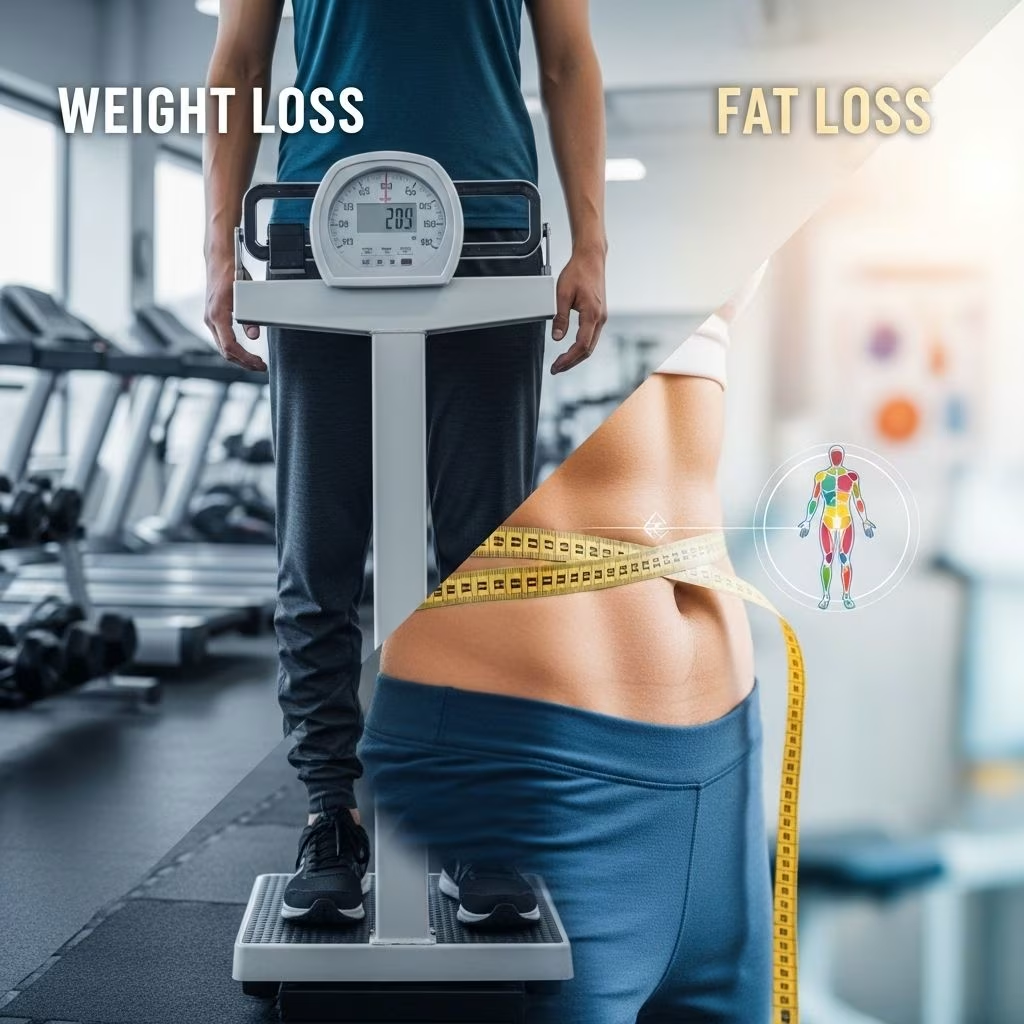
Weight Loss vs. Fat Loss: The Complete Guide for Sustainable Results
Dropping pounds quickly may be tempting, but not all weight loss is created equally. If your goal is a healthier, stronger, and more resilient body, it’s vital to recognize the difference between weight loss and fat loss. This comprehensive guide unpacks the myths, explores the science, and delivers practical steps toward achieving long-term health.
What’s the Difference Between Weight Loss and Fat Loss?
Not all weight loss means you’ve lost fat. The bathroom scale only tells a small part of the story. Here’s why:
- Weight loss measures everything: fat, muscle, water, and even the contents of your stomach.
- Fat loss specifically refers to burning stored body fat (adipose tissue) while ideally maintaining lean muscle mass.
Focusing solely on the scale can be misleading. Rapid drops often signal water or muscle loss—not healthy fat reduction.
Why Is Losing Lean Muscle Bad?
Losing muscle during a weight loss program is counterproductive for several reasons:
- Muscle burns more calories at rest than fat, so retaining muscle helps sustain a healthy metabolism.
- Low muscle mass increases the risk for injury, impairs mobility, and is linked to future weight regain.
- Long-term health relies on muscular strength for functional movement and metabolic health.
How Does the Body Actually Lose Fat?
Fat loss happens when your body senses an energy deficit—meaning, you expend more calories through movement and basic metabolic functions than you take in from food and drink. In response, your body taps into stored fat for fuel.
However, how you achieve this deficit—via crash diets or balanced, sustainable changes—makes all the difference.
The Science Behind Losing Weight and Fat
Short-Term Weight Loss: The Water Weight Trap
Initial rapid weight loss is usually water—not fat. Glycogen, your primary stored carbohydrate, is kept in your muscles and liver. For each gram burned, the body sheds about three grams of water. So, cutting calories or carbs can make the scale plunge temporarily—but this doesn’t mean you’ve burned fat.
Stubborn Plateaus: Why the Scale Stops Moving
Your body is highly adaptive. As you lose weight, your metabolism slows to conserve energy. That’s why extreme diets often lead to frustrating plateaus—and even to regaining more weight later.
- Muscle loss is the main culprit behind slower metabolism.
- Adaptive thermogenesis means your body tries to restore lost weight, lowering calorie expenditure at rest and during activity.
The Role of Hormones and Appetite
Severe calorie restriction disrupts hormones like leptin (which signals fullness) and ghrelin (which triggers hunger). This hormonal shift drives cravings and makes maintaining your new weight much harder.
How to Achieve Healthy, Sustainable Fat Loss
Rule #1: Prioritize Fat Loss, Not Just Weight Loss
If you create a modest and consistent calorie deficit—with adequate protein and strength training—you help preserve muscle and mobilize fat stores. Aim for 1 to 2 pounds of weight loss per week, which most experts recommend for sustainable fat loss.
Rule #2: Eat Real, Whole Foods
- Focus on foods with simple, recognizable ingredients—think vegetables, fruits, whole grains, lean meats, fish, eggs, beans, nuts, and healthy fats.
- Ultra-processed foods are linked to overeating and weight gain due to their low fiber and high sugar content.
Rule #3: Don’t Fear Healthy Fats
Fats don’t inherently make you fat. Healthy unsaturated fats found in avocados, nuts, seeds, olive oil, and fatty fish support satiety, hormone production, and absorption of key vitamins.
Rule #4: Emphasize Protein and Fiber
- Protein preserves lean muscle during fat loss, boosts metabolism due to its high thermic effect, and keeps you feeling fuller for longer. Aim for about 20–30 grams per meal from lean sources.
- Fiber slows digestion, curbs hunger, stabilizes blood sugar, and supports beneficial gut bacteria. Get at least 25 grams per day from whole grains, beans, fruits, and vegetables.
Rule #5: Move More, Not Necessarily Harder
You don’t need to become a gym fanatic. Regular physical activity—especially strength training and daily movement—burns calories and protects muscle mass.
- Include both resistance exercise (weights, bands, bodyweight) and moderate cardio (walking, cycling, swimming) for best results.
- NEAT (non-exercise activity thermogenesis), like walking, fidgeting, or taking the stairs, can make a big impact over time.
Common Myths About Weight Loss and Fat Loss
| Myth | Reality |
|---|---|
| Rapid weight loss is best | Slow, steady fat loss is healthier and longer-lasting |
| Eat as little as possible | Too few calories can crash your metabolism and cause muscle loss |
| All pounds lost are equal | Only fat loss—while retaining muscle—benefits appearance and health |
| Cardio is the only way to lose fat | Strength training preserves muscle, which increases fat burning |
| Fat makes you fat | Quality of fats matters more than quantity; healthy fats support weight loss |
Evaluating Progress: Beyond the Bathroom Scale
Shifting your focus from total weight to overall body composition is key for long-term progress. Here’s what matters:
- Body measurements: Use a tape measure around your waist, hips, and thighs to track fat loss.
- Progress photos: Monthly photos in consistent lighting/clothing show visible changes.
- How you feel: Notice improvements in energy, mood, sleep, strength, and daily activity.
- Body fat percentage: If available, use measurements from a trainer or fitness device.
Expert Strategies for Lasting Results
- Set small, achievable goals: Break your main goal into bite-sized targets for steady progress.
- Practice mindful eating: Focus on your food, eat slowly, and stop when 80% full.
- Be patient: Understand that lasting change takes time—avoid get-thin-quick fixes.
- Get adequate sleep: Lack of sleep disrupts hormones and increases cravings for high-calorie foods.
- Find non-scale victories: Celebrate improved mobility, better mood, more energy, and healthier habits.
Tips for Troubleshooting Plateaus and Staying Motivated
- Reassess your calorie intake and activity if weight loss stalls.
- Switch up your workout routine to challenge new muscles.
- Try new recipes with more fiber, protein, or vegetables.
- Enlist a workout buddy or health coach for accountability.
- Focus on habit-building, not perfection. Missing a workout or eating treat foods is normal; what matters is getting back on track.
Frequently Asked Questions (FAQs)
Q: Can you target fat loss from specific areas of the body?
A: No. Spot reduction is a myth. Genetics determines where your body loses fat first. Consistent overall fat loss is the only way to see results in stubborn areas.
Q: Why do I feel tired or irritable when I cut calories?
A: Extreme calorie deficits trigger hormonal changes that boost hunger and stress, making you feel fatigued or moody. Focus on a moderate deficit and ensure you get enough protein, fiber, and healthy fats for energy and satiety.
Q: Is it possible to lose fat and gain muscle at the same time?
A: Yes, especially for beginners or those returning after a break. Strength training and a high-protein diet support “body recomposition”—growing muscle while dropping fat.
Q: How can I tell if I’m losing fat and not just water?
A: Look for changes in body measurements, how your clothes fit, and visible muscle definition—these are better indicators than rapid scale changes.
Q: Do I have to do intense workouts to burn fat?
A: Not at all. Consistency matters most. Daily walks, gentle strength exercises, and staying active are often more sustainable (and effective) than punishing routines.
Key Takeaways for Lifelong Health
- Focus on fat loss, not just dropping pounds.
- Eat a balanced diet rich in protein, fiber, and healthy fats.
- Include both resistance training and regular movement.
- Use measurements and non-scale victories to track progress.
- Be kind to yourself: progress, not perfection, leads to lifelong success.
References
- https://www.prevention.com/weight-loss/a20437039/100-easy-tricks-to-move-more-and-lose-weight/
- https://www.prevention.com/weight-loss/g24805401/fat-burning-foods/
- https://www.prevention.com/weight-loss/diets/a60578947/how-to-lose-weight-fast-safely/
- https://www.prevention.com/weight-loss/g20490240/10-rules-to-live-by-for-long-lasting-weight-loss/
- https://www.prevention.com/weight-loss/a30188568/lose-weight-without-exercise-0/
- https://www.prevention.com/weight-loss/
- https://www.prevention.com
- https://www.prevention.com/weight-loss/diets/a20718413/apple-cider-vinegar-for-weight-loss/
- https://www.prevention.com/weight-loss/a36065492/rethinking-body-weight/
- https://www.prevention.com/health/a65401665/expert-walking-tips-weight-loss/


