


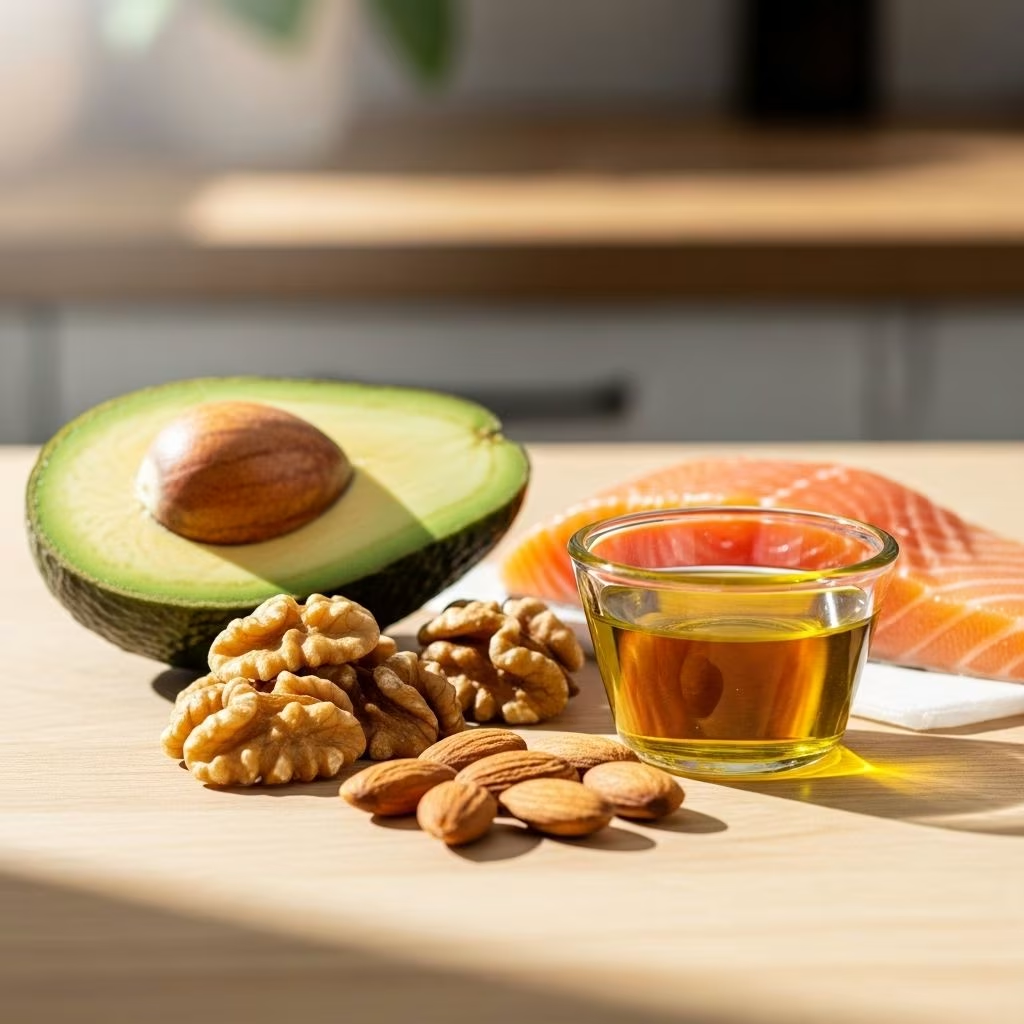
Why You Need Fat in Your Diet
For decades, dietary fat was cast as the villain in the battle against weight gain and chronic disease. Yet, recent science reveals that not all fats are created equal—and some are absolutely essential for your health, weight management, hormone production, and more. Understanding the many faces of dietary fat empowers you to make smarter choices for a truly balanced diet.
Understanding Fat: The Basics
Fat is one of three essential macronutrients, along with carbohydrates and protein. It serves vital roles in the body, including energy storage, cell structure, insulation, and the absorption of fat-soluble vitamins. There are several types of dietary fats, each with different effects on health and metabolism.
- Saturated Fat: Typically solid at room temperature, found in animal products (meat, dairy) and tropical oils (coconut, palm).
- Unsaturated Fat: Usually liquid at room temperature; includes monounsaturated (olive oil, avocados) and polyunsaturated (nuts, fish, flaxseed oil) fats.
- Trans Fat: Artificially manufactured (partially hydrogenated oils); found in many processed foods.
Each fat type affects your body differently, with implications for heart health, cholesterol, inflammation, and disease risk.
Debunking Common Fat Myths
For years, dietary guidelines and popular media warned against eating fat to avoid weight gain and heart disease. Studies have since debunked many of these claims. Here are some pervasive fat myths—and the truth behind them.
- Myth: All fat makes you gain weight.
Fact: Excess calories—not fat itself—lead to weight gain. Healthy fats can actually promote satiety and weight control. - Myth: Eating fat causes heart disease.
Fact: Unsaturated fats can lower your risk, while trans fats and excessive saturated fats raise it. - Myth: Fat is bad for your cholesterol.
Fact: Monounsaturated and polyunsaturated fats can improve cholesterol profiles, while trans fats and certain saturated fats worsen them. - Myth: Low-fat diets are the best approach for everyone.
Fact: Very low-fat diets are not suitable for all; dietary fat is essential, particularly for hormonal and cognitive health.
The Role of Fat in Weight Loss
Low-fat diets were once the go-to advice for weight loss, but research now indicates that moderate fat intake—especially of the right types—can be highly effective and sustainable.
Key research findings on fat and weight loss include:
- Low-fat diets may yield modest weight loss in some individuals, but replacing fat with sugar and refined carbs can spike cravings and undermine progress.
- Healthy fats contribute to fullness and satiety, which helps prevent overeating and excessive snacking.
- Ultra-processed, low-fat foods can negatively impact gut health, appetite regulation, and metabolic outcomes, highlighting the importance of food quality over just macronutrient composition.
| Diet Approach | Average Weight Loss* | Satiety |
|---|---|---|
| Low-Fat, High-Carb | 2.5 – 4.4 kg over 6–24 months | Moderate, may increase hunger if carbs are refined |
| Moderate-Fat, Whole Foods | Equal or greater (weight loss mainly from fat) | Improved, promotes fullness and less food cravings |
| Ultra-Processed, Low-Fat | Minimal | Poor, may increase cravings and disrupt metabolism |
*Average results may vary by individual, as shown in clinical studies
Why Your Body Needs Fat
Fat isn’t just a source of extra calories. Its functions are integral to overall health and well-being. Here’s what fat does for your body:
- Supplies Essential Fatty Acids: Your body cannot produce omega-3 and omega-6 fatty acids, so you must obtain them from your diet.
- Enables Vitamin Absorption: Vitamins A, D, E, and K are fat-soluble—meaning you can only absorb them if there’s fat in your meal.
- Provides Long-Lasting Energy: Fat is an efficient source of stored energy, critical for endurance, exercise, and survival during periods without food.
- Builds Cell Membranes: Every cell in your body needs fat for its membrane. Fats ensure structure, flexibility, and regulation of cell signaling.
- Regulates Hormones: Fats are the building blocks for many hormones, including sex hormones and those that regulate appetite and metabolism.
- Promotes Brain Health: The brain is composed of nearly 60% fat; certain fats are necessary for cognitive function and protection against neurodegenerative diseases.
Good Fats Versus Bad Fats
Not all fats are equal. Choosing the right fats is critical for heart health, inflammation, and weight management. Here’s how dietary fats break down:
| Type of Fat | Common Sources | Health Effects |
|---|---|---|
| Monounsaturated | Olive oil, avocados, nuts | Improves cholesterol, lowers risk of heart disease |
| Polyunsaturated | Fatty fish, walnuts, flaxseeds | Essential for brain, reduces inflammation |
| Saturated | Butter, red meat, coconut oil | Neutral or harmful in excess; moderation advised |
| Trans fat | Packaged snacks, fried foods | Raises bad cholesterol, increases disease risk; best avoided |
- Best choices: Emphasize unsaturated fats from plants and fish.
- Limit: Saturated fats; choose lean meats, low-fat dairy, and plant-based options when possible.
- Avoid: Artificial trans fats, still found in some processed and baked goods.
How Much Fat Should You Eat?
Modern nutrition guidelines recommend that 20–35% of daily calories come from fat. This means for a 2000-calorie diet, about 44–78 grams of fat per day. However, quality matters more than quantity.
- Focus on minimally processed, whole-food sources of fat.
- Watch for unsaturated fats as your primary fat source.
- Limit saturated fat to less than 10% of daily calories (about 20g for a 2000-calorie diet).
- Completely avoid trans fats for best health outcomes.
Some people—such as athletes, those with certain medical needs, and children—may require individual adjustments. Consult a healthcare provider for personalized advice.
Reading Nutrition Labels: What to Look For
Food labels often try to lure consumers with “low-fat” or “fat-free” claims. Yet, these products may replace fat with added sugars, starches, and artificial additives—potentially making them less healthy overall.
- Check the ingredients: Prioritize foods where healthy fats (like olive oil or nuts) are listed higher than added sugars or refined carbohydrates.
- Avoid products: With “partially hydrogenated oils,” a sign of trans fat—even if the label claims “0 grams trans fat.”
- Ignore marketing: “Fat-free” and “low-fat” don’t automatically mean healthier. These products can be just as calorie-dense or less satisfying than their full-fat counterparts.
- Assess portion size: Fat content per serving can be deceptive if serving sizes are unrealistically small.
The Truth About Fat in Everyday Foods
Some foods have gotten an unfair reputation because of their fat content. Here’s how common foods stack up, and how you can include them in a balanced diet:
- Eggs: Once feared for their cholesterol and fat, eggs are a nutrient powerhouse, especially when included as part of an overall healthy diet.
- Nuts: High in fat but mostly unsaturated. Numerous studies show nuts are associated with lower heart disease risk and healthy weight maintenance.
- Full-fat dairy: Eaten in moderation, these products may improve satiety and nutrient absorption; opt for plain versions without added sugar.
- Avocados: Packed with fiber and heart-healthy fats, avocados support a healthy gut and metabolism.
- Fatty fish: Salmon, sardines, and mackerel are top choices for omega-3s.
What to watch out for: Beware of convenience foods and restaurant fare, where fat sources are often low in nutrients and high in calories (think: fries, pastries, processed meats). At home, prepare your meals with wholesome oils and limit fried or heavily processed foods.
Tips for Choosing and Using Healthy Fats
You can harness the benefits of dietary fat with a few smart strategies:
- Cook with olive oil, avocado oil, or canola oil instead of butter or lard.
- Add nuts and seeds to salads, yogurt, or oatmeal for an extra dose of healthy fat and fiber.
- Choose wild fatty fish (like salmon or sardines) twice per week for omega-3 benefits.
- Snack on whole foods, such as fruit paired with nut butter, hummus with cut veggies, or a handful of olives.
- Limit processed and fried foods that often contain trans fats and refined oils.
- Read food labels carefully and avoid “trans fat,” “partially hydrogenated oil,” and high quantities of “vegetable shortening” in the ingredient list.
Frequently Asked Questions (FAQs)
Q: Is there a healthy way to follow a low-fat diet?
A: While very low fat diets (less than 15% of calories from fat) may result in short-term weight loss, they often come with challenges in sustaining satiety, optimal nutrient absorption, and overall wellbeing. Most experts now recommend moderate fat intake focused on healthy fat sources.
Q: Can eating more fat help me lose weight?
A: Consuming higher amounts of unsaturated fats (while keeping calories in check) can promote satiety and reduce overall calorie intake, making weight loss easier and more sustainable than strict low-fat or high-sugar diets.
Q: Are all plant oils healthy?
A: Not all plant oils are created equal. Olive oil, avocado oil, and canola oil are better choices due to their high unsaturated fat content. Highly processed oils (like cottonseed or soybean oil) and oils exposed to high heat and chemical processing are less desirable.
Q: How do I transition from a low-fat to a balanced-fat diet?
A: Start by swapping low-fat processed foods for whole foods with natural fats. Add a handful of nuts, cook with olive oil, and enjoy salmon or avocado in meals. Focus on nutrient-dense, minimally processed sources to boost both flavor and nutrition.
Q: What is the most important dietary takeaway about fat?
A: View dietary fat as essential for health, not the enemy. Focus on the type and source of fat rather than slashing fat across the board. Prioritize whole, unprocessed foods high in unsaturated fats while moderating or avoiding unhealthy fats.
References
- https://pubmed.ncbi.nlm.nih.gov/11466588/
- https://www.ahajournals.org/doi/10.1161/01.CIR.98.9.935
- https://www.prevention.com/food-nutrition/healthy-eating/a65664887/ultra-processed-foods-weight-loss-gut-health-study/
- https://www.prevention.com/health/a61547770/high-fat-diet-makes-stress-anxiety-worse-study/
- https://www.prevention.com/weight-loss/a36065492/rethinking-body-weight/
- https://www.prevention.com/food-nutrition/healthy-eating/a60980824/mediterranean-diet-help-women-live-longer-study/
- https://pmc.ncbi.nlm.nih.gov/articles/PMC30550/
- https://www.prevention.com/food-nutrition/healthy-eating/a63423411/foods-you-should-not-eat/
- https://nutritionsource.hsph.harvard.edu/what-should-you-eat/fats-and-cholesterol/types-of-fat/


