


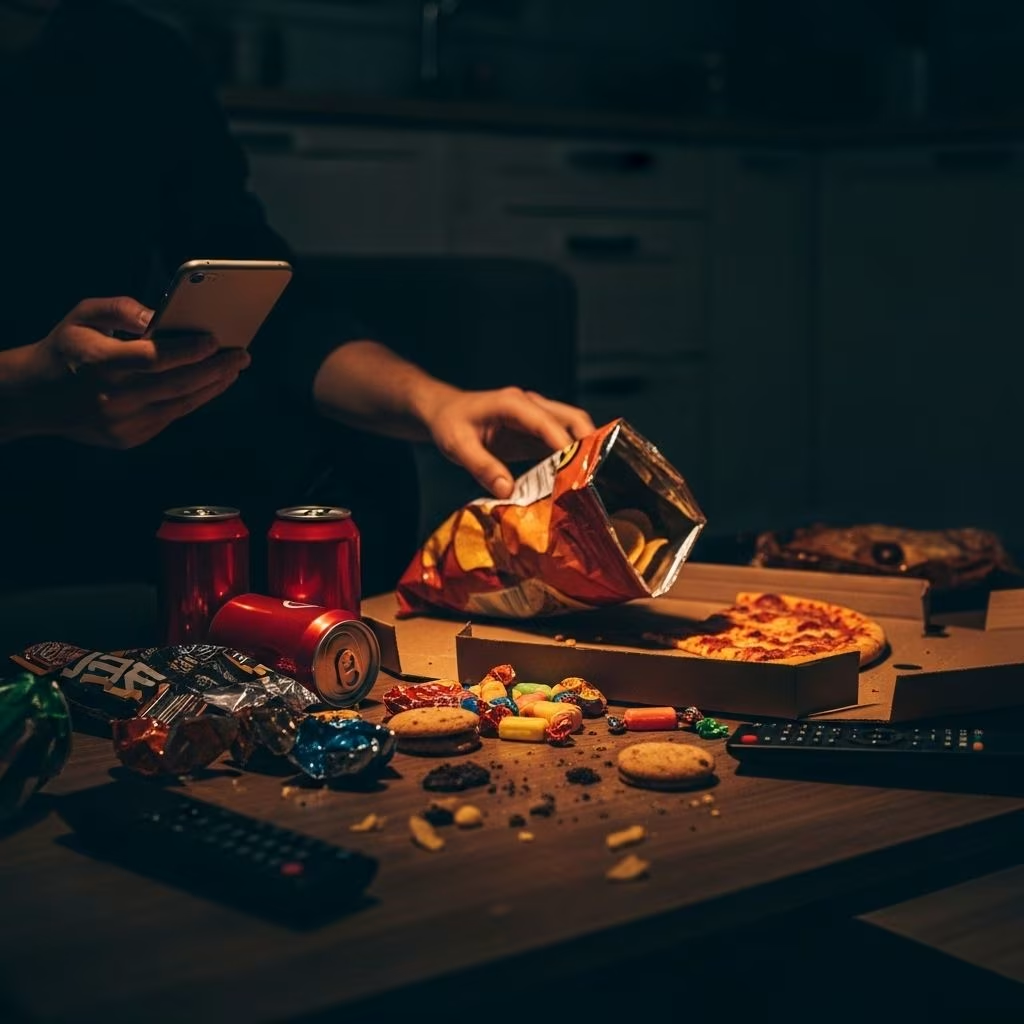
Why You Binge on Junk Food at Night
Evening cravings for junk food are more common than many people think. While you may breeze through the day with healthy meals and willpower intact, you can suddenly find yourself rummaging the pantry or ordering late-night takeout after dark. The urge hits hard and fast, often leaving you with regret and confusion. What’s really happening, and can you change these patterns? This article unpacks the science, psychology, and environment behind nighttime binge eating—and provides actionable steps for reclaiming control.
Understanding Nighttime Binge Eating
- Binge eating disorder (BED) is the most common eating disorder in the U.S., affecting about 3% of the population and characterized by periods of eating significantly more food in a short period than most people would under similar circumstances.
- Unlike bulimia, BED does not involve purging behaviors. Binges usually end when the person feels physically uncomfortable, not by counteracting calorie intake with exercise or laxatives.
- Nighttime binge eating is often less about hunger and more about psychological and biological drivers.
The Biology Behind Late-Night Cravings
There are valid physical reasons you crave junk food at night:
- Hormonal fluctuations: Stress and fatigue can lower serotonin and dopamine, the brain’s pleasure chemicals that food can temporarily replace.
- Blood sugar rebounds: Skipping meals or eating low-nutrient foods during the day sets up dramatic blood sugar spikes and crashes, increasing hunger and cravings later.
- Nutrient deficiencies: Lack of essential vitamins and minerals can cause your body to seek quick energy and comfort from high-calorie snacks.
Key Insight
Eating insufficient, low-protein, or low-fiber meals early sets the stage for bingeing later. People who restrict calories are especially vulnerable to nighttime binges when willpower wanes or hunger finally breaks through.
Psychological Triggers for Junk Food Binges
Evening is a prime time for emotional eating. Here’s why:
- Pleasure deprivation: If your day lacks enjoyment (from work, relationships, rest, or self-care), food becomes an easy substitute for missing pleasure.
- Stress accumulation: Unresolved stresses pile up as the day progresses, with TV and snacks often providing a fleeting sense of relief.
- Emotional avoidance: People may use eating to numb uncomfortable feelings such as sadness, anxiety, or loneliness.
- Habit and learned behavior: Regular nighttime snacking creates a reinforced habit loop that’s hard to break without targeted effort.
Why Late-Night Eating Feels Addictive
Neuroscience shows that eating highly palatable foods—like chips, candy, or ice cream—releases pleasure chemicals which can make these foods feel addictive. Over time, the brain learns to crave these comfort sources night after night.
Environmental and Societal Factors
Your surroundings play a bigger role than you might think. Consider:
- Food environment: Easy access to junk food at home, work, and local stores leads to mindless eating, especially at night when energy and discipline dip.
- Marketing and availability: Fast-food ads, convenience stores open late, and social cues encourage unhealthy choices during late hours.
- Lack of healthy options: Homes filled with processed snacks, not fresh produce or protein-rich choices, set traps for binge eating.
What Really Happens When You Binge at Night?
Most people describe nighttime binges with these features:
- Eating large amounts of food rapidly (often without tasting or enjoying it)
- Continued eating despite not being hungry
- Feeling compelled, almost out of control
- Finishing with guilt, regret, and physical discomfort
Often, the underlying problem isn’t a lack of willpower or knowledge—it’s systemic hunger, depleted pleasure, or stress combined with accessible junk food.
Seven Major Reasons You Binge on Junk Food at Night
Night snacking is driven by overlapping causes:
- Restricted or Skipped Meals: Poor daytime eating leaves your body desperate for calories and comfort after dark.
- Pleasure Deprivation: Using food to compensate for a lack of satisfaction in life.
- Stress and Unresolved Emotions: High anxiety or sadness can drive urgings for high-sugar, high-fat foods.
- Repressed Hunger: Dieting or ignoring mild hunger signals until late causes overeating later.
- Habitual Late-Night Eating: Conditioning through repetition (Netflix and ice cream, for example).
- Environmental Traps: Easy access, advertising, or peer pressure.
- Fatigue and Willpower Depletion: Tiredness reduces your ability to self-regulate.
Expert Strategies to Prevent Nighttime Binges
- Don’t forget to eat regular meals: Hunger from skipping meals or long gaps between eating is the biggest binge trigger. Eat protein and fiber-rich foods every 2-3 hours to keep blood sugar steady and cravings at bay.
- Practice mindful eating: Slow down and savor. Eating slowly helps you recognize fullness and satisfaction before you overdo it. It takes your body around 20 minutes to send fullness signals to your brain, so mindful eating can reveal how little enjoyment some junk foods actually offer.
- Clear out your pantry: If you don’t have junk food at home, you won’t binge on it. Replace trigger foods with healthy alternatives like cut vegetables, high-protein snacks, or Greek yogurt with fruit.
- Move your body: Moderate exercise (about 30 minutes a day) can reduce appetite and stress. Extreme exercise, however, can prompt compensation by overeating.
- Normalize lapses: One binge does not ruin your entire week. Self-criticism strengthens binge cycles, so allow yourself compassion and reset the next day.
Psychological and Medical Support
For some, nighttime bingeing is a symptom of a deeper disorder or stress. Proven support options include:
- Psychotherapy: Cognitive-behavioral therapy is the gold standard treatment for binge eating and stressful triggers, focusing on new coping strategies and re-framing negative thoughts.
- Nutritional counseling: Learning about balanced nutrition and planning meals can reduce decision fatigue and improve eating behaviors.
- Medications: Doctors may prescribe medications to stabilize mood or reduce compulsive urges, especially if binge eating is linked to depression or severe anxiety.
Addressing root stressors—like relationships, depression, traumatic life events—can improve both binge eating and overall well-being.
Prevention Tactics: From Individuals to Policy
- Individual-level prevention: Education, structured eating schedules, and cognitive dissonance techniques (challenging unattainable body ideals).
- Societal-level prevention: Reducing access to unhealthy foods in schools or workplaces, supporting farmers markets, and countering junk food marketing.
- Most effective efforts: Multi-component strategies that address both individual risk factors (like stress, dieting) and larger structural influences (like policy, food access).
Table: Individual vs. Societal Prevention Strategies
| Individual Prevention | Societal Prevention |
|---|---|
| Meal planning and education | Healthy food policies in schools/workplaces |
| Cognitive behavioral therapy | Tax policy on sugary or fatty foods |
| Media literacy programs | Regulation of junk food advertising |
Solutions That Work: Day and Night Eating Routines
- Eat protein and fiber at every meal: These nutrients increase satiety, making night cravings less likely.
- Don’t wait to eat: Late-night binges are often the result of going too long without food. Try to eat every 3-4 hours while awake.
- Replace emotional eating with other pleasures: Find joy outside food—walks, music, books, social time, or self-care activities.
- Create eating boundaries: Designate your kitchen as “closed” after dinner to break routines.
- Stock your home with better choices: Make nutritious snacks visible and easy to grab.
Frequently Asked Questions (FAQs)
Q: Why do I only crave junk food at night?
A: Cravings intensify at night due to a blend of psychological, biological, and environmental factors. Fatigue, stress, and depleted willpower make comfort foods appealing, especially if the day’s meals lacked protein or fiber.
Q: Can skipping breakfast or lunch cause nighttime binge eating?
A: Yes. Skipping meals causes intense hunger later, destabilizing blood sugar and increasing the odds of binge eating junk food after dark.
Q: Is nighttime binge eating a sign of a disorder?
A: Nighttime bingeing may be a symptom of binge eating disorder (BED), particularly if it involves frequent uncontrolled eating episodes, emotional distress, and lasting guilt. Consider consulting a health professional if you notice these patterns.
Q: Does exercise help reduce nighttime cravings?
A: Moderate exercise (30 minutes daily) can regulate appetite and decrease stress, reducing cravings. However, extreme exercise may prompt binge eating due to overcompensation.
Q: What’s the first step to break the cycle of junk food binges?
A: Begin by stabilizing daytime nutrition. Eating regular, balanced meals with adequate protein and fiber reduces physiological hunger and increases self-control when cravings strike at night.
Actionable Plan: How to Master Evening Eating
- Implement a consistent meal schedule: Don’t let more than four hours go by without eating.
- Identify emotional triggers: Pause before snacking and ask what you’re really seeking (comfort, reward, distraction).
- Swap in healthy alternatives: Fill your kitchen with nutritious snacks and make junk food less accessible.
- Practice self-compassion: If a binge happens, accept it without judgment, and use it as data, not a personal failing.
Conclusion: Progress Over Perfection
Nighttime junk food binges are neither rare nor evidence of personal weakness. They result from a tapestry of physical, emotional, and environmental forces that intersect after dark. The solutions start with daytime eating habits, emotional awareness, and a carefully designed food environment. With practical prevention and the right support, old patterns can be changed—and replaced with nourishing routines that last.
References
- https://www.prevention.com/weight-loss/a20472840/how-to-prevent-binge-eating/
- https://pmc.ncbi.nlm.nih.gov/articles/PMC9793802/
- https://my.clevelandclinic.org/health/diseases/17652-binge-eating-disorder
- https://www.eatingdisorderhope.com/treatment-for-eating-disorders/eating-disorder-hotlines
- https://www.mayoclinic.org/diseases-conditions/binge-eating-disorder/symptoms-causes/syc-20353627
- https://kidshealth.org/en/teens/binge-eating.html
- https://www.keckmedicine.org/blog/5-very-real-dangers-of-binge-eating/
- https://pmc.ncbi.nlm.nih.gov/articles/PMC4527960/


