


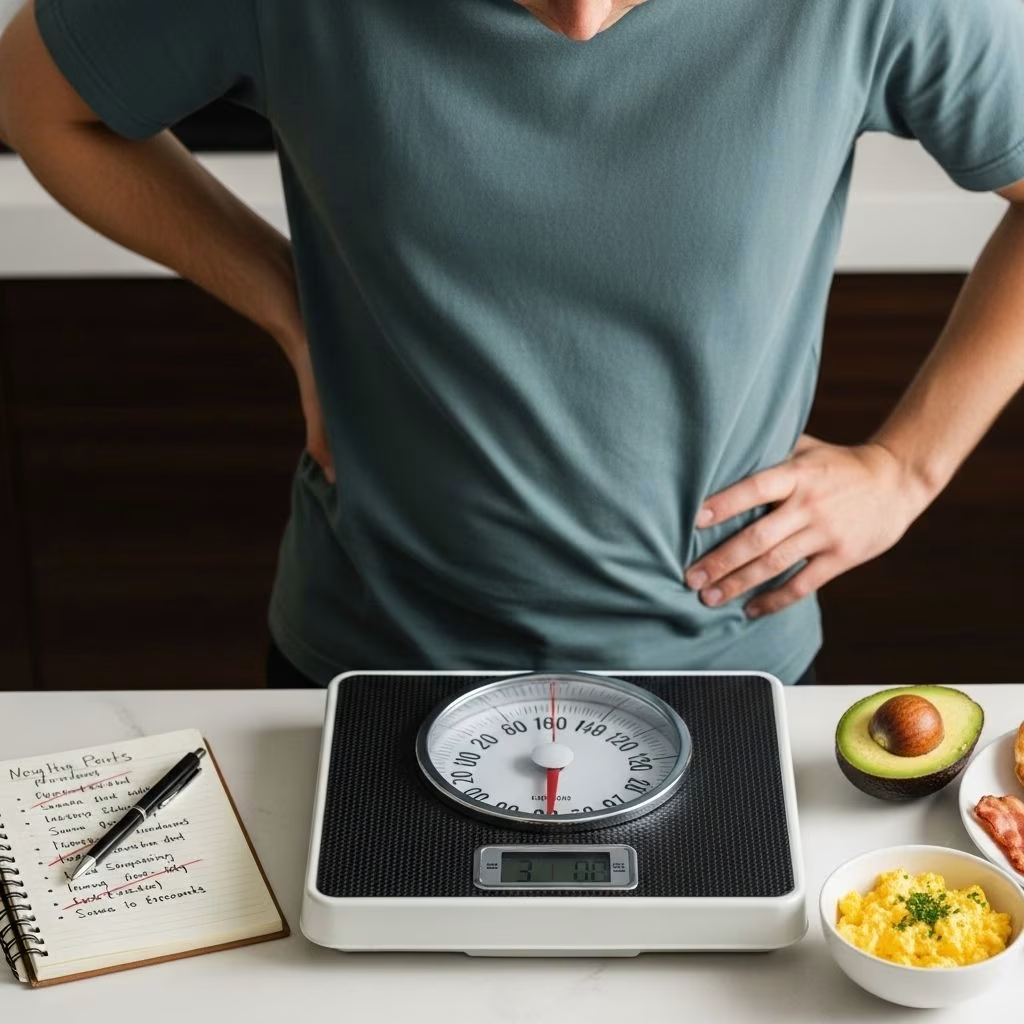
Why You’re Not Losing Weight on Keto
The ketogenic (keto) diet promises rapid weight loss and improved health by dramatically reducing your carbohydrate intake while boosting fat consumption. Although many dieters see quick results, hitting a weight loss plateau or not seeing progress at all is surprisingly common. In this comprehensive guide, we’ll cover the leading reasons you might have stalled on keto, research-backed strategies to overcome plateaus, and how to troubleshoot your approach for sustainable success.
How the Keto Diet Works
The keto diet works by triggering ketosis—a metabolic state where your body burns fat for fuel instead of carbohydrates. This happens because the reduction in carbs deprives your body of glucose, forcing it to rely on fat breakdown for energy. Ketones, the byproduct of this process, can be measured in blood, urine, or breath to confirm ketosis. Many keto followers experience initial rapid weight loss, mainly due to water lost as carbohydrate stores (glycogen) are depleted. However, this rate often slows or stalls over time for several reasons.
Top Reasons You’re Not Losing Weight on Keto
- Not Achieving Ketosis: Even if you think you’ve slashed carbs, you may not be low enough for true ketosis. Sneaky sources of carbs and imprecise tracking can keep you out of this fat-burning state.
Signs you’re not in ketosis include frequent hunger, sluggish energy, and lack of rapid water weight loss.
Testing your blood ketone levels is the most accurate measure, but home urine strips and breath monitors can also indicate if you’re on track.
- Eating Too Many Carbs: Net carbs (total carbs minus fiber and sugar alcohols) should typically remain under 20–50 grams daily for most people to achieve ketosis. Common culprits that push you over the edge include starchy veggies, processed keto snacks, nuts, seeds, dairy, and restaurant foods.
Action Step: Track your carb intake meticulously using apps or food journals. Double-check sauces, dressings, and condiments for hidden sugars.
- Consuming Too Much Protein: While protein is critical for health and satiety, overconsumption can inadvertently spike your insulin and kick you out of ketosis. Excess protein is converted to glucose in the liver (gluconeogenesis).
Action Step: Aim for a moderate protein intake—usually 20–25% of total calories. Focus on fatty cuts of meat and eggs, and avoid giant protein shakes or bars.
- Calories Still Matter: Keto isn’t a free pass to eat unlimited calories. Overeating fat, nuts, cheese, and oils can lead to a calorie surplus.
Action Step: Monitor your total intake, prioritizing nutrient-dense, whole foods. Use calorie calculators to determine your target range for weight loss.
- Eating Processed ‘Keto-Friendly’ Foods: Many packaged foods labeled as keto contain hidden carbs, inflammatory ingredients, or excess calories. These products can sabotage your progress.
Action Step: Stick to minimally processed items—think fresh vegetables, real meats, eggs, and healthy oils.
- Hidden Sugars and Carb Creep: Carb creep can occur after weeks on keto, as more foods—like berries, nuts, or low-carb baked goods—get reintroduced.
Action Step: Maintain awareness of all ingredients. Log everything for a week to spot patterns.
- Stress and Sleep: Chronic stress triggers cortisol, which has been linked to increased appetite and stubborn weight. Poor sleep undermines your metabolism and increases cravings for quick carbs.
Action Step: Prioritize sleep hygiene with regular routines and manage stress with light exercise, mindfulness, and breaks.
- Underlying Medical Conditions: Hormonal imbalances (thyroid, PCOS), medications, and other health issues can hinder weight loss despite a well-followed keto diet.
Action Step: Consult with your healthcare provider if progress stalls for several weeks despite consistent effort.
What Science Says: Does Keto Really Work for Weight Loss?
Numerous small studies show the keto diet can promote fast initial weight loss—sometimes up to 40 lbs over four months for obese adults. This is mostly water loss at first, then body fat over time as the body adapts. Other research, however, reveals that over a longer term, keto is not much more effective than other calorie-restricted diets, and some participants reported poor mood and increased inflammation. Larger, better-designed studies are needed to establish keto’s long-term benefits versus traditional approaches.
Potential Health Benefits Beyond Weight Loss
- Blood Sugar Control: Useful for some people with diabetes or prediabetes.
- Reduced Insulin Resistance: May occur with adherence.
- Heart Health: Some improvements in cholesterol, though these happen with any weight loss, not just keto.
Side Effects and Drawbacks
- Keto Flu: Headaches, fatigue, muscle cramps, brain fog during adaptation.
- Bad Breath: Due to ketone production.
- Constipation: Lower fiber intake is common.
- Possible Muscle Loss: If protein is too low or calories are restricted.
- No Magic Bullet: Most experts agree keto is not more effective than other balanced, lower-calorie diets for most people over the long term.
Common Keto Pitfalls That Stall Weight Loss
- Inaccurate Tracking: Many underestimate carb or calorie intake.
- Over-reliance on packaged foods: These often contain more carbs and calories than whole foods.
- Ignoring Portion Sizes: High-fat foods are dense in calories; portion control is key.
- Not Enough Physical Activity: Exercise supports fat burning and can help break plateaus.
- Too Little Fiber: Can cause digestion issues and stall metabolism. Add low-carb, high-fiber veggies.
How to Break a Weight Loss Plateau on Keto
- Reassess Macronutrient Ratios: Stay within classic keto percentages (~75% fat, 20–25% protein, 5–10% net carbs).
- Increase Non-Starchy Veggies: Add spinach, kale, broccoli, and zucchini for nutrition and fullness.
- Reduce Processed Snacks: Prioritize meals from whole foods.
- Add Movement: Combine resistance training, walking, or cardio with your diet.
- Experiment with Intermittent Fasting: Short overnight fasts or limited eating windows may help mobilize stubborn fat.
- Monitor Stress and Sleep: Mindfulness and good sleep help regulate hunger and hormones.
Is Keto Right for Everyone?
While keto can jumpstart weight loss for some, it’s neither sustainable nor optimal for everyone. It restricts entire food groups, requires meticulous tracking, and can be challenging for social occasions or family meals. Other eating patterns, like the Mediterranean diet, offer greater variety, more fiber, and proven long-term health benefits—including balanced carbs.
Table: Keto Diet vs. Mediterranean Diet
| Keto Diet | Mediterranean Diet |
|---|---|
| Very low carb High fat Moderate protein Strict tracking | Moderate carb High fiber Balanced fat (mostly plant-based) Flexible, easier for long-term |
| Quick initial weight loss | Steady, longer-term weight loss |
| Limited food variety | Wide variety, easy social meals |
| Possible digestive issues (low fiber) | Promotes gut health (high fiber) |
Expert Tips for Maximizing Keto Success
- Track macros and calories daily.
- Focus on high-quality fats: avocado, olive oil, nuts, and seeds.
- Prioritize protein, but don’t overdo it.
- Eat plenty of leafy green and non-starchy vegetables.
- Avoid processed and packaged keto foods.
- Stay hydrated—electrolyte balance is crucial on keto.
- If you plateau, mix up your approach: increase physical activity, try intermittent fasting, or reduce snacking.
- Consult healthcare professionals before making major diet changes, especially if you have existing health conditions.
Frequently Asked Questions (FAQs)
Q: How do I know if I’m in ketosis?
A: Signs include rapid water weight loss, reduced hunger, and increased energy. Urine, blood, or breath ketone tests offer confirmation.
Q: Can you gain weight on keto?
A: Yes. Overeating fat or calories, consuming too many keto treats, or not truly being in ketosis can all lead to weight gain.
Q: Is keto safe for everyone?
A: Keto is not recommended for pregnant women, people with certain metabolic, liver, or kidney conditions, or those with thyroid disorders without medical guidance.
Q: Will keto improve my cholesterol?
A: Some individuals experience better cholesterol profiles on keto, but results vary and improvements are often seen on other weight loss diets.
Q: What is “keto flu”?
A: Keto flu describes temporary symptoms like headache, fatigue, cramping, and mental fog that occur as your body adapts to burning fat.
Better Alternatives: Is Keto the Only Way?
Experts suggest that sustainable, flexible, balanced diets—including the Mediterranean diet—are just as effective and much easier to maintain for most people. These approaches allow all food groups, focus on whole foods, and maintain health and energy for the long haul.
- The Mediterranean diet emphasizes olive oil, fish, fruits, vegetables, whole grains, nuts, and moderate dairy, prioritizing heart and brain health, weight control, and longevity.
- Balanced, lower-carb plans such as “Keto 2.0” offer more fiber and variety, improving gut health and helping prevent disease.
Conclusion: The Bottom Line on Keto Weight Loss
The keto diet can deliver dramatic short-term results, but hitting a plateau or struggling to lose weight is common. Key reasons include not reaching ketosis, hidden carbs, protein overconsumption, too many calories, processed foods, and lifestyle factors like stress. For lasting results, meticulous tracking, consistent healthy choices, and a holistic approach are required. If you continue to struggle, consult a medical professional and consider alternative dietary plans that offer flexibility, sustainability, and proven health benefits.
References
- https://www.medicalnewstoday.com/articles/326484
- https://www.prevention.com/weight-loss/diets/a25735316/does-the-keto-diet-work/
- https://www.prevention.com/food-nutrition/a20483336/keto-diet-facts/
- https://www.prevention.com/weight-loss/diets/a30196446/keto-2-0-diet/
- https://www.prevention.com/food-nutrition/a38224997/prevention-keto-for-beginners/
- https://www.prevention.com/weight-loss/diets/a65255830/low-carb-diets-weight-loss/
- https://www.prevention.com/weight-loss/diets/g21764082/keto-diet-side-effects/
- https://www.prevention.com/weight-loss/a20517440/ketogenic-diet-for-weight-loss/
- https://nutritionsource.hsph.harvard.edu/healthy-weight/diet-reviews/ketogenic-diet/


