


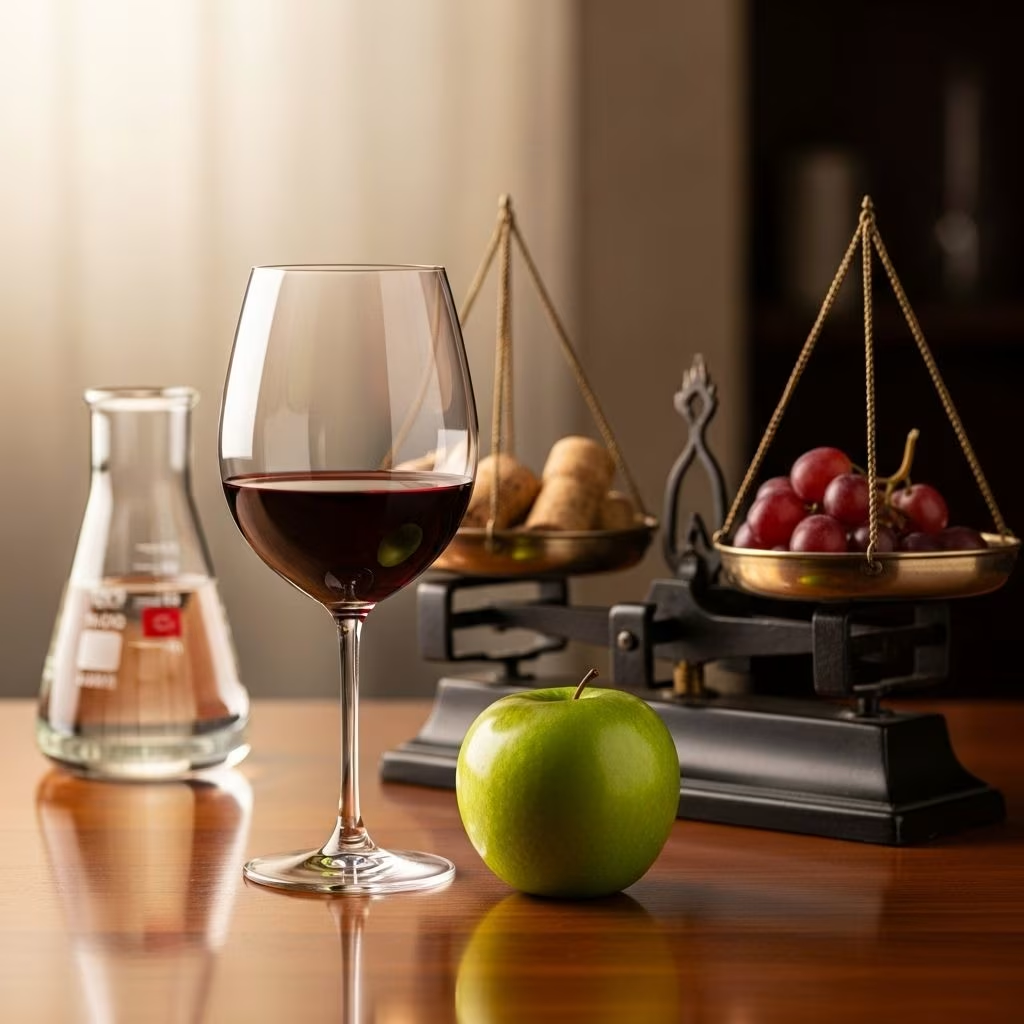
Wine and Weight Loss: Untangling the Facts from the Hype
Few topics spark as much debate as the relationship between wine consumption and weight management. For years, headlines have proclaimed that drinking red wine can help you lose weight or magically block fat absorption. But how much of this is grounded in rigorous science, and how much is wishful thinking? In this comprehensive guide, we’ll break down the actual research, clarify the role of key compounds like resveratrol, and provide healthy, realistic strategies for people who enjoy wine but are also mindful of their weight.
Does Drinking Wine Help You Lose Weight?
The myth that red wine directly promotes weight loss has persisted in popular culture, fueled by selective interpretations of emerging studies. The reality is more nuanced. Wine contains calories – about 120 to 130 per 5-ounce glass – and alcohol, both of which can contribute to weight gain if consumed in excess. While some animal and lab studies have suggested certain wine compounds may alter fat metabolism, no credible research confirms that drinking wine causes weight loss in humans.
- Red wine does not prevent obesity: Headlines often exaggerate the effects of specific wine compounds in studies that don’t translate directly to human outcomes.
- Wine has calories and alcohol, which must be included in your daily energy balance.
- Overconsumption of alcohol increases the risk of weight gain and other health issues – not weight loss.
The Science Behind the Hype: Resveratrol and Piceatannol
Most of the excitement comes from studies on resveratrol (a polyphenol found in red grapes and wine) and its metabolite, piceatannol.
- Resveratrol has demonstrated a range of potential health benefits in laboratory and animal studies. These include inhibiting cancer pathways, reducing inflammation, and possibly influencing fat metabolism.
- A subset of studies shows that resveratrol can transform white fat (which stores energy) into brown fat (which burns energy) — in animals.
- Piceatannol, a compound our bodies produce from resveratrol, appears in controlled lab studies to block the development of new fat cells by interfering with insulin signaling.
However, lab and animal results don’t guarantee similar effects in humans. No robust clinical trial has shown that drinking wine leads to meaningful or safe weight loss.
How Much Resveratrol Do You Get From Wine?
The amounts of resveratrol and piceatannol found in a glass of wine are much lower than the doses used in most cell and animal studies. For example, you’d need to drink hundreds of glasses to match the resveratrol concentrations often used to demonstrate metabolic effects in mice. Obviously, this is neither safe nor practical.
- Resveratrol is present in grapes, berries, peanuts, and wine – but the highest intake comes from eating these foods directly, not from wine alone.
- Supplementing wine drinking with other plant foods remains the healthier choice.
- Focusing on whole, plant-based foods ensures you get a safe, diverse intake of beneficial polyphenols.
Wine and Chronic Disease: New Findings
Although the connection between wine and weight loss is weak, research continues into wine’s potential effects on broader metabolic health. Recent large-scale human studies have explored whether moderate wine consumption, especially with meals, may lower the risk of chronic illnesses like type 2 diabetes and cardiovascular disease.
- A major study analyzing over 300,000 adults found that drinking a glass of wine with a meal was associated with a 14% reduction in risk for type 2 diabetes compared to drinking without food.
- No similar benefit was seen with beer or spirits.
- Experts suggest antioxidants in wine may play a role, rather than alcohol content itself.
- The American Heart Association (AHA) still recommends drinking in moderation or not at all for heart health, as no amount of alcohol is deemed risk-free.
In summary, while moderate wine consumption with meals may have a protective association against some metabolic diseases, it should not be your sole strategy for prevention or treatment.
The Calorie Count: How Wine Fits Into Your Diet
If you enjoy wine, you don’t have to completely abstain – but mindful consumption is essential for those with weight loss goals. A single serving of wine (5 ounces) contains:
- 120-130 calories (dry red or white wine)
- Sugar content varies by wine type (dry wines have less sugar than sweet varieties)
- Zero fiber, little protein, and no significant vitamins or minerals
Consider the following strategies to enjoy wine wisely:
- Savor a small glass (not a large pour) and count it in your daily calories.
- Avoid sweetened or fortified wines, which add extra sugar and calories.
- Pair wine with healthy, flavorful plant-based meals rather than high-fat, high-calorie snacks.
Polyphenols: The Broader Picture
Wine is just one source of polyphenols – a large family of plant compounds with antioxidant properties. Resveratrol is part of this group, but many common foods provide even higher amounts:
- Red grapes: Highly concentrated in resveratrol, especially in the skin and seeds.
- Berries: Blueberries, deerberries, and cranberries are loaded with anthocyanins, which support inflammation control and may boost metabolic health.
- Peanuts: An underrated but rich source of resveratrol and monounsaturated fats.
- Tea, cocoa, and extra virgin olive oil: Offer diverse polyphenols with proven heart and metabolic benefits.
Choosing a plant-based diet – with the majority of foods coming from whole grains, legumes, nuts, seeds, fruits, and vegetables – ensures you benefit from a wide array of polyphenols, fiber, vitamins, and minerals. These nutrients work synergistically to reduce disease risk and support healthy weight loss.
Other Weight Loss Factors: Why Wine Isn’t a Magic Bullet
Weight management is complex, involving multiple lifestyle and genetic factors. While enjoying occasional wine can be part of a balanced approach, it won’t replace proven strategies such as:
- Reducing total calorie intake through portion control and smart swaps
- Increasing physical activity (both cardio and strength training)
- Prioritizing restful sleep and stress management
- Minimizing processed foods in favor of whole, nutrient-dense choices
As with any potential dietary indulgence, moderation and mindful balance are critical for success.
The Health Risks of Too Much Wine
Regularly exceeding moderate wine consumption guidelines may cause far more harm than good. Key risks include:
- Increased cancer risk: Multiple cancers are linked to heavy alcohol use.
- Weight gain due to excess calories
- Liver, heart, and brain damage in the context of chronic overconsumption
- Poor sleep, mood disorders, and impaired immunity
The American Institute for Cancer Research (AICR) and American Heart Association (AHA) both recommend, if you choose to drink, limiting intake to:
- 1 drink per day for women
- 2 drinks per day for men
Wine Alternatives for Health Benefits
If you’re seeking the health-promoting properties of resveratrol or polyphenols without alcohol, consider these options:
- Concord grape juice (100% natural and unsweetened): Offers antioxidants without the risks of alcohol.
- Fresh grapes, berries, peanuts, and passion fruit: Deliver potent polyphenols and fiber.
- Herbal teas: Rich in antioxidants, and naturally caffeine and alcohol free.
Wine, Weight Loss, and the Mediterranean Diet
Wine is a traditional component of the Mediterranean diet, which is associated with longer lifespan and lower rates of heart disease. However, wine is enjoyed:
- In moderate amounts
- With meals, never in excess or isolation
- Within the context of an overall plant-rich, whole-foods diet
Such dietary patterns highlight balance, variety, and quality over any single food or beverage.
Frequently Asked Questions (FAQs)
Q: Can drinking wine actually help me lose weight?
A: No rigorous studies have shown that wine causes weight loss in humans. While certain wine components have shown effects in lab-based studies, their impact is not strong enough to offset the calories and alcohol in wine. Any modest metabolic benefits are best realized from a diet abundant in whole plant foods.
Q: What about resveratrol supplements? Are they effective for weight loss?
A: Evidence for resveratrol supplements remains limited. It’s most effective and safest to obtain resveratrol and other polyphenols from whole foods such as berries, grapes, and peanuts.
Q: Is any type of wine better for health?
A: Red wine contains more resveratrol than white wine. However, the difference is not enough to justify drinking for health reasons alone. Focus on moderation, and consult your healthcare provider for personalized advice.
Q: Should I start drinking wine for its possible health benefits?
A: Both the AICR and AHA advise against starting to drink alcohol for health benefits. If you already drink, moderation is key. If you do not drink, there are safer, proven ways to improve your health.
Q: Can I still drink wine while trying to lose weight?
A: Yes, you can enjoy wine in moderation, provided that you account for its calories and prioritize an overall nutrient-dense, balanced diet and active lifestyle. Avoid using wine as a weight loss aid.
Smart Tips for Enjoying Wine Responsibly
- Keep pours moderate – stick to 5-ounce servings.
- Use a small glass for natural portion control.
- Skip sugary mixes and focus on dry varieties.
- Have your wine with food to slow alcohol absorption and potentially support metabolic benefits.
- Track your intake like any other treat to stay within your calorie goals.
References
- AICR: “Does drinking red wine prevent obesity? No, no it doesn’t.”
- Prevention: “Drinking Wine With Meals May Reduce Risk for Type 2 Diabetes”
- Prevention: “Red Wine May Prevent Weight Gain – Prevention”
References
- https://www.aicr.org/resources/blog/drinking-red-wine-prevents-obesity-no-no-it-doesnt/
- https://www.prevention.com/food-nutrition/a39374895/drinking-glass-of-wine-with-dinner-may-help-lower-risk-of-type-2-diabetes/
- https://www.prevention.com/weight-loss/a20433232/red-wine-may-prevent-weight-gain/
- https://www.prevention.com/weight-loss/a20439434/wine-and-weight-loss/
- https://www.prevention.com/health/a62235186/rethinking-drinking-november-2024/
- https://www.prevention.com/health/a20474723/how-alcohol-affects-your-body/
- https://www.prevention.com
- https://www.prevention.com/weight-loss/a20465042/lose-weight-over-40/
- https://www.prevention.com/weight-loss/g20514132/5-bedtime-beverages-that-can-help-you-lose-weight/
- https://www.prevention.com/weight-loss/diets/a60578947/how-to-lose-weight-fast-safely/


