


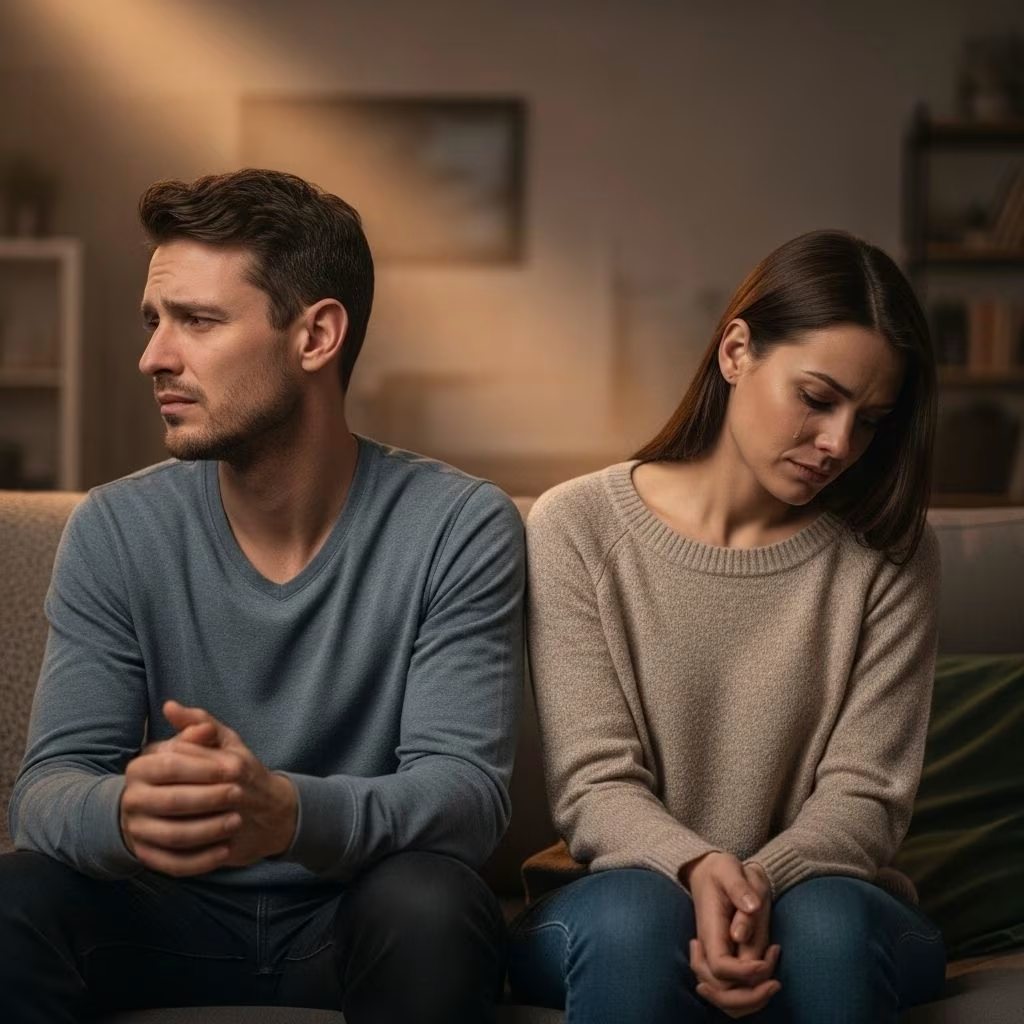
Continuing a Relationship After Infidelity: Can Love Survive?
Infidelity is often described as one of the most devastating blows to a romantic partnership. The pain, shock, and sense of betrayal it brings can topple the foundations of even the strongest relationships. But what happens when, despite the heartbreak, two people decide to try to move forward together? Is it truly possible for love to survive after trust has been broken? In this article, we explore what it takes to continue a relationship after infidelity, the emotional complexities involved, and the strategies experts recommend for rebuilding hope and intimacy.
Understanding the Impact of Infidelity
Cheating rarely happens in a vacuum. Emotional wounds run deep, and the aftermath often leaves both partners grappling with feelings of grief, rage, guilt, and confusion. Before addressing how to heal, it’s important to understand the broad impacts:
- Betrayed partners often experience a roller coaster of emotions—anger, sadness, self-doubt, and fear of further betrayal.
- Those who stray may feel intense guilt, shame, or defensiveness, and sometimes struggle to comprehend the gravity of their actions.
- The relationship dynamic inevitably changes, often resulting in a loss of security and a sense that the “old” relationship is gone.
Whether you choose to stay or leave, understanding these impacts is the first step towards clarity and healing.
Should You Stay or Go? Weighing Your Options
Deciding whether to continue the relationship after infidelity is a deeply personal choice with no universal answer. Here are a few key considerations to help guide your decision:
- The Nature of the Infidelity: Was it a one-time lapse or part of an ongoing pattern? Emotional affairs and physical affairs can impact partners differently, but both signify broken trust.
- Remorse and Accountability: Has the unfaithful partner expressed genuine remorse? Are they willing to take responsibility and make meaningful changes?
- Commitment to Repair: Are both individuals ready to put in the emotional work to rebuild the relationship?
- Underlying Issues: Are there pre-existing issues, such as communication breakdowns or unmet needs, that contributed to the infidelity?
- Your Own Healing: Are you ready to either let go of anger and start to heal, or would staying only deepen the hurt?
If both partners are invested in working through the aftermath, healing is possible; but it requires brutal honesty and effort from both sides.
Rebuilding Trust: A Gradual Process
Trust may be shattered in an instant, but rebuilding it is a slow, deliberate process. Both partners need to actively participate. Here’s how experts suggest moving forward:
- Open Communication: The betrayer must be willing to answer questions, even the uncomfortable ones, to help the betrayed partner process the truth.
- Transparency: Practices such as sharing phone or email access, or checking in about whereabouts, can help bridge the trust gap temporarily.
- Consistency in Actions: Trust is restored through consistent, trustworthy behavior over time—not just words.
- Patience With Emotions: Both must acknowledge that healing isn’t linear; setbacks and painful discussions are normal.
Professional help from couples therapy or individual counseling can accelerate the process, providing a non-judgmental space to air grievances and learn healthy coping skills.
The Emotional Rollercoaster: Navigating Guilt, Grief, and Anger
Post-infidelity recovery is far from straightforward. The emotional fallout is complex, and partners may find themselves alternating between hope, despair, and confusion. Common phases include:
- Shock and Denial: Initially, it can be hard to believe or accept the betrayal.
- Anger and Blame: Anger may be directed at the partner, the third party, or even oneself.
- Grieving the Lost Relationship: Many mourn the “old” relationship and the sense of security it provided.
- Guilt and Shame: Cheaters often struggle with intense shame, while betrayed partners may blame themselves, questioning their worth.
- Ambivalence: It’s normal to simultaneously want to leave and stay. Clarity comes with time and reflection.
Therapists emphasize the importance of allowing and expressing these emotions, rather than burying them. Suppressed feelings can resurface later and harm the recovery process.
Sex After Cheating: How Intimacy Changes
One of the most sensitive topics after infidelity is restoring physical closeness. Sex and intimacy are often deeply affected in several ways:
- Loss of Desire: The betrayed partner may have less sexual interest due to lingering hurt.
- Sex as Reaffirmation: Some couples experience a temporary surge in sexual activity, trying to reclaim connection or prove loyalty.
- Guilt-Driven Encounters: Cheating partners sometimes initiate more sex out of guilt; the betrayed may consent seeking validation.
- Judgment and Self-Consciousness: External judgment from friends or societal stigma can lead to shame and awkwardness.
- Greater Meaningfulness: For some, as emotions are processed and trust is rebuilt, sex becomes a powerful bridge for emotional healing and closeness.
According to expert therapists, it’s important for couples to be patient and communicate openly about their needs, boundaries, and discomforts. Professional sex therapists can also help navigate these issues, ensuring intimacy doesn’t become another battleground.
Setting Healthy Boundaries and Expectations
After infidelity, both partners must establish new relationship rules to prevent the past from repeating and to feel safe. Boundaries may include:
- Defining What Constitutes Cheating: Clarity around emotional affairs, inappropriate texting, or any behavior that feels disloyal.
- Discussing Acceptable Communication With Others: Transparency regarding friendships and interactions with ex-partners or colleagues.
- New Agreements on Digital Privacy: Depending on comfort levels, this might include sharing passwords or checking in about social engagements.
- Making Honesty Non-Negotiable: Both partners should agree that honesty is essential, even when the truth is uncomfortable.
Reviewing and adjusting these boundaries is healthy and expected as the relationship evolves.
The Role of Therapy and Outside Support
Professional therapy often plays a crucial role in moving beyond betrayal. Trained relationship counselors provide:
- Neutral Mediation: Therapists help keep discussions productive and focused, preventing arguments from spiraling.
- Tools for Communication: Skills such as active listening, non-defensive expression, and addressing underlying issues.
- Accountability and Progress Tracking: Therapy can highlight setbacks and celebrate milestones in trust rebuilding.
- Personal Healing: Individual therapy helps both partners work through their own guilt, anger, or insecurity, which can improve the relationship dynamic.
Other forms of support—trusted friends, support groups, or self-help resources—can also provide much-needed empathy and perspective.
How to Know If You’re Ready to Move Forward
Staying together after cheating only works if both partners are genuinely committed to repair and growth. Ask yourself:
- Can you envision a future with your partner that isn’t dominated by suspicion or resentment?
- Are you both willing to learn from the experience and make changes in yourselves and your relationship?
- Is the cheater willing to take responsibility and consistently demonstrate new behaviors?
- Do you still share values, goals, and affection that make the effort worthwhile?
If the answer to most is yes, it may be worth the hard work to rebuild. If not, walking away can also be the healthiest choice.
What Survivors Wish They’d Known Sooner
- Healing Takes Time: There are no quick fixes; rushing the process often leads to setbacks.
- It’s Normal to Have Doubts: Second-guessing your decision to stay or leave is common; clarity develops gradually.
- Self-Worth Isn’t Dependent on a Partner’s Choices: No one is responsible for another’s dishonesty or betrayal.
- Boundaries Can Be Relearned: You may need to redefine what you’re comfortable with as trust is rebuilt.
- Forgiveness Is a Process, Not a Destination: It can be partial, ongoing, or never come at all—and that’s okay.
Frequently Asked Questions (FAQs) About Recovering from Infidelity
Is it possible to truly trust my partner again after they’ve cheated?
While many couples do manage to rebuild trust, it takes a sustained commitment from both people. Trust is rebuilt slowly through consistent honesty, openness, and reliability—not by expecting things to “go back to normal” overnight.
Should I tell friends and family about the infidelity?
This is a personal decision. External opinions can sometimes hinder healing or create pressure. Only share with those who will support your healing process, not fuel judgment or resentment.
How long does it typically take to recover from an affair?
There is no set timeline for healing. Experts suggest it can take from several months to a few years to fully process and move beyond infidelity, but every relationship is unique.
Can an affair ever make a relationship stronger?
Some couples find that, after working through the pain and addressing unresolved issues, their relationship becomes more authentic and resilient. However, this growth requires immense effort, vulnerability, and honest communication.
Is it normal to want to leave, even if my partner seems genuinely sorry?
Absolutely. Wanting to leave is a valid response. Sometimes, the best path to healing means letting go, regardless of ongoing love or remorse.
Expert-Backed Steps for Moving Forward After Infidelity
- Seek Professional Guidance: Therapy helps process emotions, establish rules for communication, and prevent destructive fights.
- Allow Grief and Anger: Do not rush forgiveness—let both partners feel and express their emotions fully.
- Make New Agreements: Discuss expectations, boundaries, and what both partners need to feel safe again.
- Monitor Progress: Acknowledge setbacks and milestones together, revisiting the process as necessary.
- Prioritize Self-Care: Healing means caring for your own physical, emotional, and mental well-being.
Conclusion: Can Love Survive After Infidelity?
Cheating can be a painful chapter, but it’s not always the end of the story. While some couples part ways, others discover a renewed sense of connection and growth. Moving forward requires honesty, empathy, time, and often the support of a trained professional. The path to healing is not linear, nor is it easy. Still, with sustained effort, many couples learn that trust, once broken, can be rebuilt—and sometimes, love returns on new and even stronger foundations.
References
- https://www.elitedaily.com/dating/sex-changes-after-cheating
- https://www.elitedaily.com/p/if-youre-dating-again-after-being-cheated-on-keep-these-5-things-in-mind-31517010
- https://www.peacefulwaypsychology.com/sex-changes-after-cheating-so-heres-what-to-expect-when-moving-past-infidelity/
- https://www.ravishly.com/what-exactly-counts-cheating
- https://www.draudreyt.com/post/2019/03/21/love-platonic-love-or-just-good-friends-where-do-you-stand


