Living With Ghosts: The Enduring Grip of Parasocial Relationships
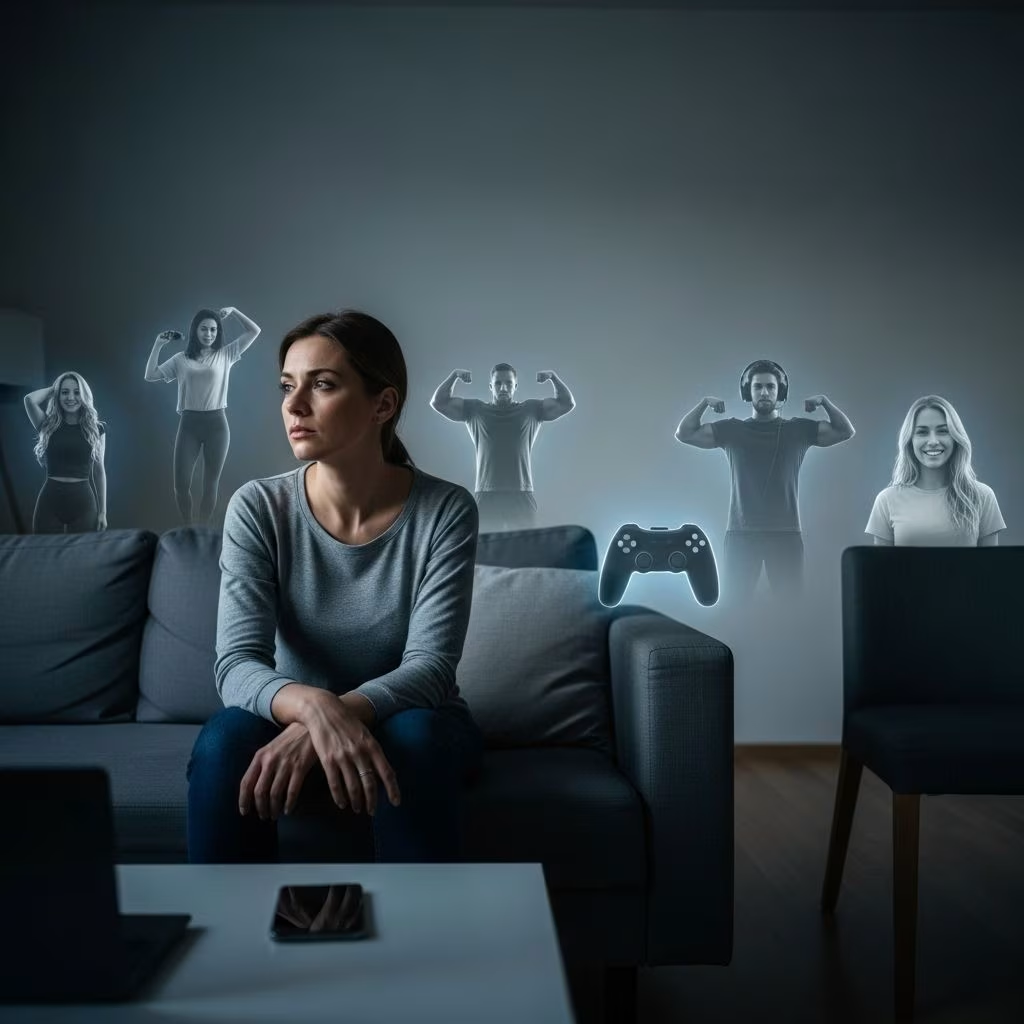
Three months ago, I deleted my Instagram and all other major social media accounts. The disgust I felt from hours spent scrolling through strangers’ updates—Outfits of the Day, ambitious workouts, picture-perfect renovations—had grown unbearable. Yet, even after leaving behind the envy, lethargy, and disconnect, I found myself haunted by memories of influencers, runners, and even that high school mean girl. Despite severing my digital connection, these online figures continued to occupy space in my thoughts. Why are these one-sided connections so persistent?
Parasocial relationships—those strange, one-sided bonds we build with media personalities or public figures—still linger long after you close the app. Often, these connections leave us feeling attached, curious, and even emotionally invested, despite never meeting these people in real life.
Why Quitting Instagram Isn’t a Clean Break
- Persistent Thoughts: After deleting social media, it’s common to wonder about the lives of those influencers you followed—what happened at the queen bee’s wedding? Is the runner still chasing PRs?
- Culture of Sharing: Social networks are engineered to foster intimacy by broadcasting personal details—what people eat, think, and experience—making it feel as though we genuinely know them.
- Unfinished Stories: There’s an urge to check up, even after disconnecting, akin to missing updates from old friends.
But as you try to rebuild your creative life or prioritize real-world connections, the absence of these online figures can feel strangely profound, as if something important is missing.
Understanding Parasocial Relationships: What Are They?
Parasocial relationships are one-sided psychological bonds with public figures, celebrities, or influencers. Unlike ordinary friendships, these connections are entirely mediated by media—sometimes intensifying through constant social media updates and personal disclosure.
- Fans may know intimate details about these figures (skincare routines, favorite lip balm, brunch spots), often better than they know their own friends.
- Information overload: Everyone, including non-celebrities, shares so much online, conditioning us to expect and crave these bits of information.
- The emotional attachment can linger and impact our mood, identity, and daily thoughts, regardless of whether we actively follow them.
From Posters to Phones: The Evolution of Parasocial Bonds
As therapist Rachel Goldberg, LMFT, notes: in the past, fans formed attachments to musicians or actors—think of teenagers talking to celebrity posters in their bedrooms. Now, thanks to social media, these bonds form around influencers who share day-to-day minutiae, deepening the false sense of intimacy.
Technology and 24/7 access have intensified these connections, making celebrities and influencers a persistent presence in our lives—from bedroom walls to phone screens.
The Psychology Behind Parasocial Attachment
So why do these connections feel so real—even after quitting Instagram?
- Intimacy through Oversharing: When you know someone’s morning routine or emotional struggles, your brain often mistakes this as true closeness, despite never meeting in person.
- Vicarious Living: These relationships let us experience lifestyles, successes, and adventures by proxy—sometimes filling gaps in our social or emotional life.
- Emotional Support: Even though parasocial bonds are technically one-sided, they can soothe loneliness, provide entertainment, and become part of our routine.
- Identity and Aspiration: Many fans see themselves reflected in the stories or journeys of digital idols, using these relationships to shape personal narratives or aspirations.
False Sense of Familiarity
Because social media is built to mimic real-life interaction—likes, comments, stories—users may feel authentic emotional connection, further blurring the boundary between reality and illusion.
Why We Miss Parasocial Relationships After Logging Off
Quitting Instagram is trending: over 900,000 searches for “delete” or “deactivate Instagram” were recorded in 2022, reflecting growing discomfort with social media’s effects on mental health. Still, a sense of loss follows the break.
- Routine Disruption: Missing the tiny, daily updates about someone’s workout or house décor can leave a gap, altering routine.
- Social Withdrawal: Some experience withdrawal-like symptoms: emptiness, curiosity, and even anxiety about not knowing what happens next.
- Habitual Scrolling: The urge to check, refresh, and “catch up” doesn’t fade immediately; the brain craves closure to ongoing narratives.
As Goldberg explains, disengaging from the lives of digital acquaintances can feel as though something is missing.
Do Parasocial Relationships Serve a Purpose?
Despite their hazards, parasocial relationships aren’t inherently negative. Experts argue they can offer benefits alongside drawbacks:
- Companionship: For some, following an influencer or celebrity fills a social void, creating comfort and routine.
- Entertainment and Inspiration: Observing ordinary people achieve extraordinary things can be motivating or simply entertaining.
- Low-Cost Social Bonding: One-sided relationships require little emotional risk compared to real friendships, making them easier to maintain.
- Community Formation: Fanbases and online communities built around shared admiration help people connect and even make friends.
Downsides and Dangers
- Comparison Culture: Constant exposure to curated perfection can fuel jealousy, insecurity, and disengagement from “real” life.
- Emotional Hollowness: Relying on digital connections sometimes leaves fans feeling empty or even obsessed.
- Borderline Pathological Bonds: A small percentage develop unmanageable attachment or obsessive behavior, risking harm and unintended consequences.
- Disconnection: Excessive parasocial engagement may erode real-life friendships and community bonds.
Types of Parasocial Relationships
| Type | Description | Potential Risks |
|---|---|---|
| Entertainment-Social | Casual enjoyment, fun, shared fandom activities | Minimal risk, generally positive |
| Intense-Personal | Strong emotional investment; feelings of real friendship | Can impair relationships or daily functioning |
| Borderline-Pathological | Obsessive thoughts, uncontrollable attachment | Risk of stalking or dangerous behavior |
Social Media’s Role in Shaping Parasocial Relationships
Platforms like Instagram, TikTok, and YouTube are engineered to foster parasocial intimacy:
- Algorithmic Content Delivery: Social networks prioritize relatable, personal content that triggers emotional response.
- Interactive Features: Likes, DMs, livestreams, and comments simulate genuine connection, encouraging deeper engagement.
- Monetization: Brands and celebrities capitalize on parasocial attachment—merchandise, paywalled access, subscription communities—which also strengthens the bond.
This makes it easier to cultivate strong feelings toward online personalities, and harder to let go—even after disconnecting.
Breaking Up With Parasocial Bonds: Strategies for Moving On
- Awareness: Recognize the emotional effect digital figures have on your life and mental health.
- Refocus: Shift attention to in-person friendships and creative endeavors.
- Limit Exposure: Set boundaries for digital content consumption and mute or unfollow triggering accounts.
- Community Engagement: Replace online connection with real-world group activities.
- Seek Support: If feelings of emptiness or obsession persist, consult a therapist or counselor familiar with digital attachment issues.
Frequently Asked Questions (FAQs)
Q: What are parasocial relationships?
A: They are one-sided emotional bonds formed with public figures or influencers, often via social media, where the fan knows extensive details but the figure remains unaware.
Q: Why do I still think about influencers after deleting Instagram?
A: The repeated exposure and sense of intimacy created online remain psychologically present, even after quitting. The brain craves closure to ongoing stories and habits.
Q: Are parasocial relationships harmful?
A: They can be neutral, positive, or harmful. While many experience comfort and entertainment, some encounter insecurity, obsession, or social withdrawal if attachment becomes too intense.
Q: How can I transition away from parasocial connections?
A: By increasing awareness, setting content boundaries, and focusing on real-life social experiences, you can reduce the impact of these relationships.
Q: What role does social media play in shaping these bonds?
A: Platforms encourage sharing, oversharing, and emotional engagement—deepening the false sense of intimacy and making it harder to disengage.
Key Takeaways
- Parasocial relationships persist psychologically, even after you quit social media.
- They serve real emotional and social functions—sometimes helpful, sometimes harmful.
- Social media platforms and influencer culture intensify these bonds.
- Awareness, boundaries, and real-world connection can help you move forward.
How to Tell If Your Parasocial Attachment Is Unhealthy
- Obsession: Daily preoccupation with an influencer’s life or activities.
- Neglect: Ignoring real-world relationships or responsibilities in favor of following digital personalities.
- Emotional Disruption: Anxiety, jealousy, or distress resulting from online updates or absence.
- Unrealistic Fantasies: Believing the influencer or celebrity reciprocates your feelings or would welcome your direct contact.
If you experience these symptoms, consider seeking professional support or therapy.
Final Thoughts: Living With Digital Ghosts
Whether you call them digital ghosts, online companions, or imaginary friends for adults, parasocial relationships aren’t going anywhere. The overwhelming access provided by social media and our participation in sharing intimate details turns strangers into emotional fixtures in our lives. Breaking up with Instagram may offer relief and creative freedom, but the psychological impact persists—sometimes for months, sometimes for years. The challenge is finding ways to honor your emotional needs, reclaim your attention, and foster real, meaningful connections outside the relentless vertical scroll.
References
- https://www.bustle.com/life/parasocial-relationships-deleted-instagram
- https://www.rachelgoldbergtherapy.com/media-2/deleted-instagram-but-miss-your-parasocial-relationships
- https://kdunniganwilliams.substack.com/p/quitting-instagram-made-me-more-stylish
- https://www.allsides.com/news/2025-01-06-1500/general-news-i-quit-instagram-my-parasocial-relationships-still-live-rent-free
- https://health.clevelandclinic.org/parasocial-relationships
- https://andscape.com/features/snoop-dogg-trump-inauguration-parasocial-relationships/