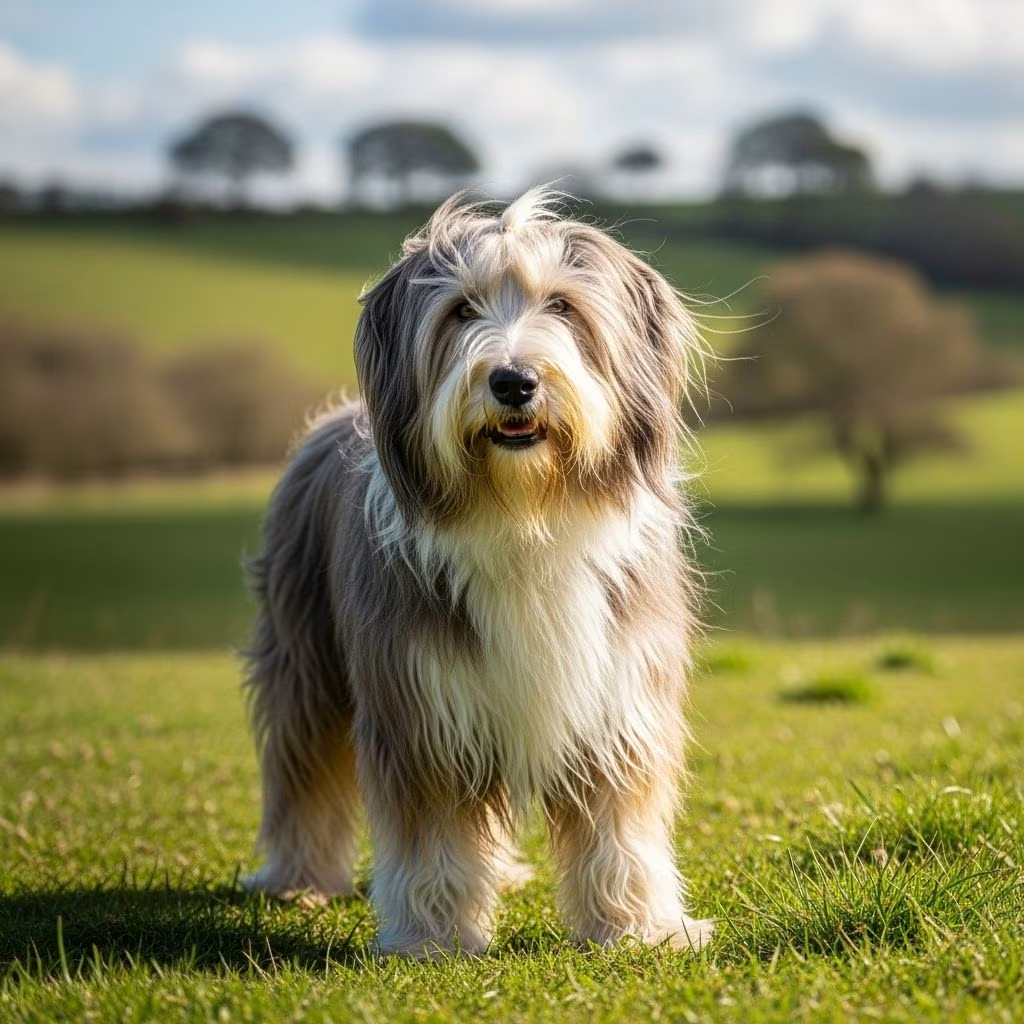
The Bearded Collie, affectionately known as the “Beardie,” is a lively, agile herding breed originating from Scotland. Prized for its intelligence, affectionate nature, and unmistakable shaggy coat, the Bearded Collie has won the hearts of families and dog enthusiasts worldwide. This expert guide explores every aspect of the breed, from its storied history through its physical characteristics, care needs, personality, health, and more.
Overview of the Bearded Collie
- Origin: Scotland
- Purpose: Herding sheep and cattle
- Size: Medium
- Other Names: Beardie
- Notable Traits: Shaggy double coat, expressive eyes, energetic spirit
History & Origins
The Bearded Collie’s roots trace back to Scotland’s misty highlands, where these hardy, smart dogs helped farmers herd and manage livestock. Although their exact ancestry isn’t fully documented, it’s widely believed that the breed descended from sheepdogs brought by Central European traders—such as the Polish Lowland Sheepdog—several centuries ago. These foreign sheepdogs were crossed with native Scottish breeds, developing into the sturdy, weather-resistant, and agile Bearded Collie we know today.
Bearded Collies became a staple on Scottish farms by the 19th century, valued for their ability to work independently in harsh conditions. Their keen intelligence and enthusiasm for herding earned them the reputation of tireless workers and trusted companions. By the mid-20th century, the breed gained popularity beyond the working fields, stepping into show rings and family homes across the UK, USA, and beyond.
| Trait | Description |
|---|---|
| Country of Origin | Scotland |
| Original Purpose | Herding sheep and cattle |
| Notable Qualities | Intelligent, agile, weather-resistant |
| Popularity | Moderate |
Physical Characteristics
The Bearded Collie is a medium-sized, athletic dog, instantly recognizable for its flowing double coat and bearded chin. These dogs are slightly longer than they are tall, exuding balance, strength, and grace. Their body proportion ensures fluid, ground-covering movement essential for a working herding dog.
General Appearance
- Height: Males 21–22 inches; Females 20–21 inches at the shoulder
- Weight: 45–55 pounds (varies by sex, genetics, diet, and exercise)
- Build: Lean but solid, slightly longer than tall
- Expression: Alert, affectionate, and intelligent
- Coat: Distinctive double coat—harsh, straight or slightly wavy outer coat with a soft, dense undercoat
- Tail: Set low, long, well-feathered, carried low with a gentle upward curve at the tip when relaxed
Coat and Color
- Thick, harsh outer coat over a soft, dense undercoat
- Coat should never drag on the ground
- Born in black, blue, brown, or fawn; often with white markings
- May show tan points on eyebrows, chest, cheeks, legs, and under the tail
- Known for “fading gene”: many puppies lighten after birth, often darkening slightly again in adulthood
Color and Markings Table
| Primary Colors | Markings | Tan Points |
|---|---|---|
| Black | White on face, chest, neck, feet, tail tip | Eyebrows, cheeks, ears, legs, under tail |
| Brown | White on face, chest, neck, feet, tail tip | Eyebrows, cheeks, ears, legs, under tail |
| Blue | White accents common | Possible tan points |
| Fawn | White accents common | Possible tan points |
Regardless of coat color, eye pigment, nose, lips, and eye rims typically match or harmonize with the dog’s primary coat shade (black, brown, blue-grey, or lighter brown for fawn).
Unique Feature: The Bearded Face
The breed’s name comes from the long, shaggy hair that grows around the lower jaw, giving them their characteristic “beard.” This detail not only adds charm but also reflects their origins as rugged working dogs able to handle rough conditions.
Temperament & Personality
Bearded Collies are famed for their friendly, outgoing, and exuberant personalities. They are devoted to their families, including children, and thrive on human companionship. While they can be independent and sometimes a touch stubborn—remnants of their decision-making roots as herding dogs—they are rarely shy or aggressive. Their confidence, charisma, and playfulness make them well-suited for active, social homes.
- Affectionate: Form strong bonds with all family members
- Playful: Always ready for fun, games, and outdoor activities
- Gentle: Known for patience and tolerance with children
- Intelligent: Quick learners, thrive on training and mental stimulation
- Alert & Watchful: Good watchdogs, but not aggressive
- Social: Enjoys interaction with people and other dogs
Training & Exercise
Training a Bearded Collie is usually enjoyable thanks to their intelligence and willingness to please. However, their independent spirit can sometimes make them a bit willful. Positive reinforcement and consistency are key. Early socialization and obedience lessons are essential to encourage good manners and build confidence.
Exercise Needs
Bearded Collies are highly energetic. Their herding roots demand a lifestyle rich in physical and mental activity.
- Daily long walks or jogs
- Agility and obedience training
- Fetch, frisbee, and problem-solving games
- Herding trials or other canine sports
- Interactive toys and regular play sessions
Best Activities for Bearded Collies
- Hiking and trail walks
- Dog sports: agility, rally, obedience, herding
- Swimming (many enjoy water)
- Group play with other dogs
Boredom or lack of exercise may lead to undesirable behaviors such as excessive barking, digging, or chewing.
Living With a Bearded Collie
Bearded Collies adapt well to home life, provided their need for activity and companionship is met. Apartments are suitable only if the Beardie receives ample daily exercise. Large yards are ideal but not mandatory if exercise is provided elsewhere.
- Family Compatibility: Excellent with children; gentle, patient, and tolerant
- Other Pets: Generally do well when socialized early
- Barking: Naturally alert and may bark to announce visitors or strange sights but not excessively yappy
- Alone Time: Does not tolerate being left alone for extended periods—craves company and may become anxious or destructive if isolated. Consider doggie daycare or a second pet if away often.
Grooming and Maintenance
The Bearded Collie’s beautiful double coat demands a committed grooming routine. Regular brushing not only preserves their characteristic appearance but also maintains skin health, reduces shedding, and prevents mats and tangles.
Grooming Essentials
- Thorough brushing at least two to three times per week (daily during shedding)
- Periodic bathing (as needed, every 6-8 weeks or after muddy outings)
- Regular trimming of nails and hair around feet and sanitary areas
- Routine ear cleaning to prevent infections
- Tooth brushing 2-3 times a week to maintain oral health
Neglecting coat care can quickly lead to severe matting and discomfort for the dog.
Health & Lifespan
The Bearded Collie is generally a robust and healthy breed, especially when sourced from reputable breeders who screen for hereditary conditions. With good care, these dogs typically live 12 to 14 years.
Common Health Concerns
- Hip Dysplasia: Malformation of the hip joint, affecting mobility
- Autoimmune Disorders: Prone to some immune-mediated diseases
- Hypothyroidism: Thyroid hormone deficiency
- Allergies and skin sensitivities: Need good grooming and diet
- Eye Disorders: Cataracts and progressive retinal atrophy occasionally seen
Breeders should provide health clearances for hips, elbows, thyroid, and eyes.
Nutrition & Feeding
Feed adult Bearded Collies a nutritionally balanced, high-quality dog food appropriate for their age, size, and energy level. Puppies, adults, and seniors may each require different formulas and feeding routines.
- Two meals per day for adults
- Monitor portions to prevent weight gain
- Always provide fresh water
- Discuss dietary needs with your veterinarian, especially for dogs with allergies or special medical conditions
Finding a Bearded Collie
If you’re considering adding a Beardie to your family, seek out responsible breeders or breed-specific rescues. Ethical breeders will gladly provide health records, meet the puppy’s parents, offer guidance, and answer all your questions. Many local and national Bearded Collie clubs assist with rescue and adoption.
- Look for breeders participating in health screening programs
- Ask about temperament and breed suitability for your lifestyle
- Rescue organizations often have adults and senior Beardies needing loving homes
Bearded Collie vs. Similar Breeds
| Breed | Key Features | Main Differences |
|---|---|---|
| Bearded Collie | Medium, shaggy coat, agile, independent | Lighter build, more exuberant, less heavy coat |
| Old English Sheepdog | Large, profuse coat, slower, heavier | Heavier, shorter body, coat can obscure eyes completely |
| Border Collie | Medium, smooth/rough coat, intense, work-driven | More intense herding instinct, less shaggy |
Frequently Asked Questions (FAQs)
Q: Is the Bearded Collie a good choice for families with children?
A: Yes, Bearded Collies are affectionate, playful, and gentle with children, making them excellent family companions when properly socialized.
Q: How much exercise does a Bearded Collie need?
A: Beardies require at least 1 to 2 hours of vigorous exercise daily to stay healthy, both physically and mentally.
Q: What grooming commitment is necessary for a Bearded Collie?
A: Expect to brush the coat thoroughly several times a week, with more frequent sessions needed during seasonal shedding or after outdoor adventures.
Q: Are Bearded Collies easy to train?
A: They are intelligent and eager to please, but can be independent. Early, positive, and consistent training methods work best.
Q: Do Bearded Collies shed a lot?
A: Yes, they do shed, especially seasonally. Regular brushing controls loose hair and prevents matting.
In Summary
The Bearded Collie is an outstanding companion for active families and individuals willing to invest in exercise, training, and grooming. Their cheerful personality, intelligence, and iconic appearance offer joy, laughter, and devotion to the right home.
References
- https://www.akc.org/dog-breeds/bearded-collie/
- https://beardedcollieclub.us/about-beardies/
- https://www.youtube.com/watch?v=G_YrH_zzFQI
- https://www.hillspet.com/dog-care/dog-breeds/bearded-collie
- https://www.akc.org/about/archive/guide-collections/bearded-collie-collection/
- https://showsightmagazine.com/dog-breeds/bearded-collie/
- https://www.ukcdogs.com/bearded-collie
- https://www.akc.org/expert-advice/dog-breeds/old-english-sheepdog-vs-bearded-collie-how-to-tell-the-difference/