The Broholmer represents one of Denmark’s most treasured canine exports—a magnificent large breed that combines impressive physical presence with a remarkably gentle and affectionate temperament. Despite their imposing size and historical role as estate guardians, these dogs have evolved into loving family companions that bring both protection and warmth to households around the world.
This comprehensive guide explores everything you need to know about the Broholmer, from their fascinating history and distinctive physical characteristics to their care requirements and training needs. Whether you’re considering adding a Broholmer to your family or simply want to learn more about this remarkable breed, you’ll discover why these gentle giants have captured the hearts of dog lovers everywhere.
Physical Characteristics and Appearance
The Broholmer is unmistakably a large and powerful dog, with males and females both displaying impressive stature and strength. Their physical presence commands attention, yet their composed demeanor prevents them from appearing threatening to those familiar with the breed.
Adult Broholmers typically weigh between 90 and 150 pounds, with males generally falling on the heavier end of this spectrum. Their height ranges from 28 to 30 inches at the shoulder, placing them firmly in the large breed category. This substantial size requires prospective owners to carefully consider their living arrangements and ability to manage a dog of this magnitude.
The breed’s body structure is solidly built and rectangular in shape, with powerful forequarters that speak to their mastiff heritage. Their movement is composed yet powerful, demonstrating both strength and agility despite their considerable size. The Broholmer’s gait reflects confidence without aggression, embodying the breed’s balanced temperament.
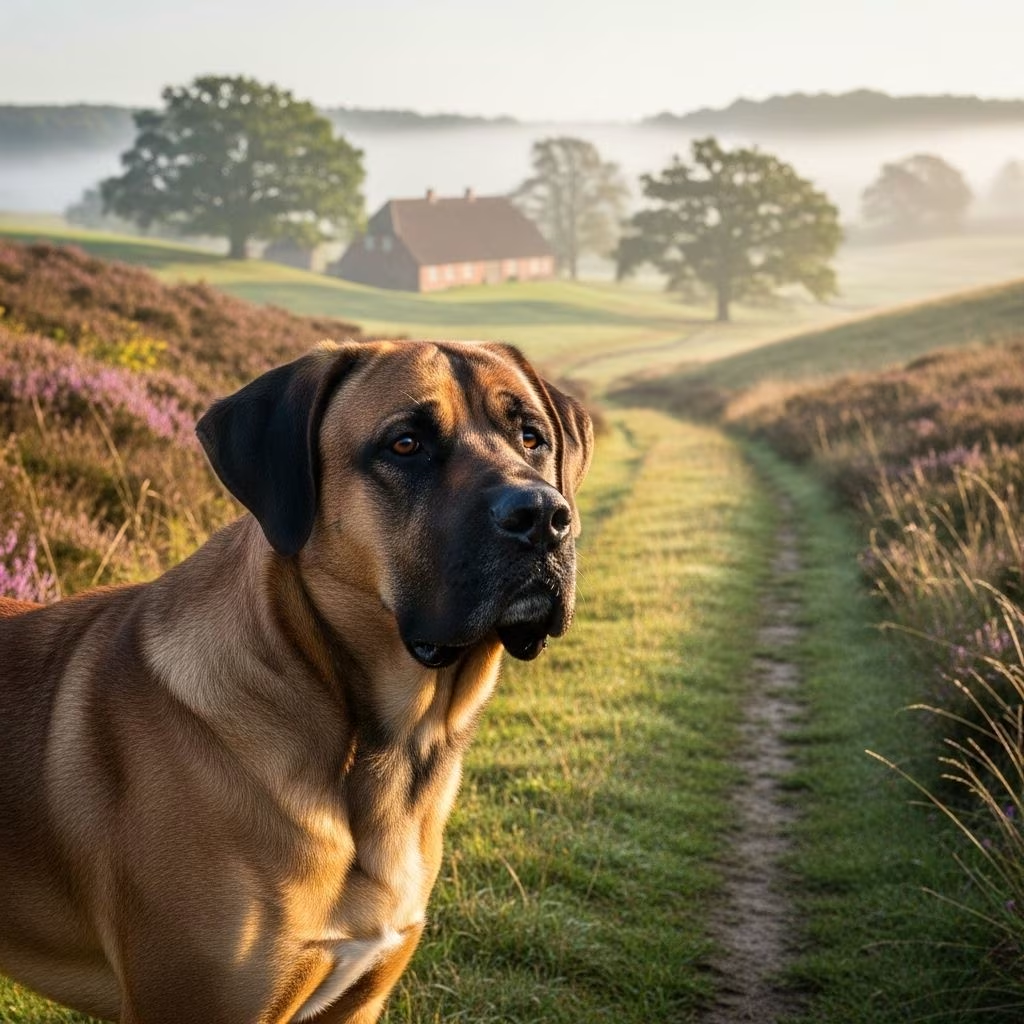
One of the most distinctive features of the Broholmer is their massive head, which is broad and gives a heavy appearance proportional to their body size. This impressive head is complemented by short drop ears that hang close to the cheeks, set at a medium height. The combination of these features creates an expression of calm alertness and self-confidence that is characteristic of the breed.
The Broholmer’s coat is short and dense, providing adequate protection without requiring extensive grooming. The breed comes in several color variations, including light yellow, brownish yellow, and black. This coat type makes them relatively low-maintenance compared to long-haired breeds, though regular grooming is still necessary to keep them looking their best.
Temperament and Personality Traits
What truly sets the Broholmer apart from other large breeds is their exceptional temperament. These dogs are remarkably calm, docile, and even-tempered, making them surprisingly suitable for family life despite their imposing appearance. Their personality combines the protective instincts of a guardian with the gentle nature of a devoted companion.
Broholmers form strong bonds with their family members and are known for being intensely loyal and affectionate. One endearing trait that often surprises new owners is their tendency to act as though they are lap dogs, despite their considerable size. They genuinely enjoy being close to or even on their human pack members, seeking physical contact and companionship throughout the day.
With children, Broholmers can be excellent companions, though they are best suited for families with older children who understand how to interact appropriately with large dogs. Their patient and gentle nature makes them tolerant of children’s activities, but their size means that supervision is always necessary to prevent accidental knockdowns or injuries during play.
The breed’s intelligence is evident in their ability to learn quickly and respond to training. However, this intelligence is paired with an independent streak that can manifest as stubbornness or willfulness. This combination means that while Broholmers are capable learners, they require consistent training and clear leadership from their owners.
Around strangers, Broholmers tend to be wary but not aggressive. Their watchful nature makes them excellent watchdogs who will alert their family to unusual activity, but they are not prone to excessive barking or reactive behavior. This measured response to new people and situations reflects the breed’s stable temperament and self-confidence.
Historical Background and Development
The Broholmer’s history is deeply rooted in Danish culture, where the breed has been valued for centuries. As a large Molosser breed from Denmark, the Broholmer was developed through the crossbreeding of English Mastiffs with local German dogs. This intentional breeding program aimed to create a powerful yet manageable guardian dog suited to the Danish climate and lifestyle.
Throughout their history, Broholmers were primarily employed to guard the homes and estates of wealthy Danish families. Their imposing size, confident presence, and natural protective instincts made them ideal for this role. They could effectively deter intruders while remaining calm and controlled around family members and authorized visitors.
The breed faced significant challenges during World War II, when their numbers fell sharply. The hardships of wartime made it difficult to maintain breeding programs, and many lines were lost during this period. The Broholmer came perilously close to extinction, with only a handful of dogs surviving the war years.
Fortunately, dedicated breed enthusiasts recognized the importance of preserving this Danish heritage breed. Since the 1970s, careful breeding programs have worked to restore Broholmer populations, and the breed has experienced steady growth. Today, while still relatively rare compared to more popular breeds, the Broholmer has secured its future and is gaining recognition in countries beyond Denmark.
In modern times, the Broholmer’s role has evolved significantly from its original purpose. While these dogs still possess protective tendencies, they now more commonly serve as gentle companion dogs and family pets. This transition from working guardian to beloved family member has been seamless, thanks to the breed’s adaptable and affectionate nature.
Essential Care Requirements
Nutritional Needs
Proper nutrition is fundamental to maintaining a Broholmer’s health and vitality. These large dogs require a high-quality diet that is specifically formulated for their age and activity level. Puppies need food that supports healthy growth without encouraging too-rapid development, which can stress developing bones and joints.
One significant concern with Broholmers is their tendency toward weight gain. Their calm nature means they are not naturally hyperactive, and without careful monitoring, they can easily become overweight. Excess weight places additional stress on their joints and can contribute to various health problems, particularly in a breed already predisposed to issues common in large dogs.
Portion control is essential when feeding a Broholmer. Follow the recommended guidelines based on your dog’s weight, age, and activity level, but be prepared to adjust as needed. Regular weight checks and body condition assessments will help you determine if your feeding regimen needs modification.
Treats should be given judiciously, as they can quickly add excessive calories to your dog’s daily intake. While treats are valuable for training and bonding, remember that they should constitute no more than 10% of your Broholmer’s total caloric intake. Consider using healthy, low-calorie options or portions of their regular kibble as training rewards.
Grooming and Maintenance
The Broholmer’s short, dense coat is relatively easy to maintain compared to long-haired breeds. Regular weekly grooming sessions using a firm bristle brush will help remove loose hair, distribute natural oils, and keep the coat looking healthy and shiny. During seasonal shedding periods, you may need to increase brushing frequency to manage the increased hair loss.
Bathing should be done on an as-needed basis, typically every few months or when your dog becomes particularly dirty. Over-bathing can strip the coat of natural oils and lead to skin issues, so resist the temptation to bathe too frequently. Use a high-quality dog shampoo formulated for short coats, and ensure thorough rinsing to prevent residue buildup.
Nail care is particularly important for Broholmers, as their fast-growing nails can quickly become problematic if left unattended. Long nails can cause discomfort when walking, alter your dog’s gait, and even lead to joint problems over time. Trim nails regularly, typically every 2-3 weeks, or consider having a professional groomer or veterinarian handle this task if you’re uncomfortable doing it yourself.
Dental care should be an integral part of your Broholmer’s grooming routine. Regular teeth brushing, ideally daily but at minimum several times per week, helps prevent dental disease and maintains overall health. Use dog-specific toothpaste and introduce the routine gradually if your dog is not accustomed to having their teeth brushed.
Ear cleaning is another essential maintenance task. Check your Broholmer’s ears frequently for signs of wax buildup, debris, or infection. Clean them as needed using a veterinarian-approved ear cleaning solution and cotton balls, being careful not to probe too deeply into the ear canal.
Exercise and Activity
Despite their calm demeanor, Broholmers require regular daily exercise to maintain physical health and mental well-being. While they are not as high-energy as some working breeds, they do need opportunities to move their bodies and engage their minds. Without adequate exercise, behavioral problems can develop, including destructiveness, excessive barking, or depression.
The Broholmer is surprisingly agile for their size, and they enjoy a variety of physical activities. Playing hide-and-seek, retrieving balls, and catching frisbees are all excellent ways to exercise your dog while providing mental stimulation. These activities engage both body and mind, helping to tire your Broholmer in a healthy way.
Outdoor adventures are typically well-received by Broholmers. Whether you enjoy camping, hiking, frolicking in the park, or simply strolling around the neighborhood, your Broholmer will make an eager companion. Their size and stamina make them excellent partners for longer walks and moderate hikes, though their exercise should be built up gradually, especially during puppyhood.
If you rely primarily on your yard for exercise, ensure the area is properly fenced and secure. Broholmers need space to move around safely, and a sturdy fence prevents them from wandering and keeps potential threats out. Remember that yard time alone is not sufficient—interactive play and walks outside your property provide important socialization and environmental enrichment.
Training and Socialization
Training a Broholmer is generally a rewarding experience, as these dogs are intelligent and eager to please. However, their independent nature means that training requires consistency, patience, and clear leadership. Establishing yourself as the dominant pack leader from the beginning is crucial to preventing future behavioral issues.
Start training early, ideally as soon as you bring your Broholmer puppy home. Basic obedience commands such as sit, stay, come, down, and heel should be introduced gradually using positive reinforcement methods. Reward-based training works exceptionally well with this breed, as they respond enthusiastically to praise, treats, and play.
The stubborn streak that can appear in Broholmers means that training should continue throughout your dog’s life. Even after your dog has mastered basic commands, ongoing training sessions help reinforce good behavior and prevent backsliding into undesirable habits. Short, frequent training sessions are more effective than long, infrequent ones.
Socialization is equally important as obedience training. Early exposure to different people, animals, environments, and situations helps ensure your Broholmer grows into a well-adjusted, confident adult dog. The socialization period is particularly critical during the first few months of life, though continued socialization throughout adulthood remains beneficial.
While Broholmers are generally not aggressive toward people or other dogs, proper socialization helps reinforce this natural temperament and prevents fear-based reactions. Introduce your dog to a wide variety of experiences in a positive, controlled manner, always ensuring that encounters are pleasant and not overwhelming.
Consider enrolling in puppy kindergarten classes and continuing with advanced obedience training as your Broholmer matures. These classes provide structured socialization opportunities and professional guidance, helping you address any training challenges that arise. Group classes also teach your dog to focus on you despite distractions, an invaluable skill for any large breed.
Health Considerations and Lifespan
Like all large breeds, Broholmers have a relatively shorter lifespan compared to small dogs, typically living 8 to 10 years. While this may seem brief, proper care, nutrition, and regular veterinary attention can help maximize both the length and quality of your dog’s life.
Large breeds like the Broholmer are predisposed to certain health conditions that prospective owners should be aware of. Hip and elbow dysplasia are common concerns in giant breeds, as the stress on developing joints during growth can lead to malformations. Responsible breeders screen their breeding stock for these conditions to minimize the risk of passing them to offspring.
Bloat, or gastric dilatation-volvulus, is a serious emergency condition that affects deep-chested large breeds. This life-threatening condition occurs when the stomach fills with gas and potentially twists on itself. Feeding multiple smaller meals rather than one large meal, avoiding exercise immediately after eating, and using elevated food bowls (though this is debated) may help reduce risk.
Regular veterinary checkups are essential for monitoring your Broholmer’s health and catching potential issues early. Annual examinations should include a thorough physical assessment, discussion of any behavioral or health changes, and recommendations for preventive care. As your dog ages, more frequent veterinary visits may be necessary.
Maintaining an appropriate weight throughout your Broholmer’s life is one of the most important things you can do to promote longevity and quality of life. Obesity exacerbates many health problems common in large breeds, including joint issues, heart disease, and diabetes. Work with your veterinarian to establish and maintain an ideal body condition for your individual dog.
Living Requirements and Housing
The Broholmer’s substantial size means that living arrangements require careful consideration. These dogs need a large home with access to a yard where they can move around comfortably and stretch their legs. Apartment living is generally not suitable for Broholmers, as they simply require more space than most apartments can provide.
Indoor space is equally important, as Broholmers want to be close to their family members. They are not outdoor dogs that can be relegated to a kennel or backyard; they need to live indoors with their people. Ensure your home has enough room for a dog of this size to move around without constantly bumping into furniture or feeling cramped.
A securely fenced yard provides an essential outlet for exercise and bathroom breaks. The fence should be tall and sturdy enough to contain a large, powerful dog, even though Broholmers are not typically prone to escaping. Privacy fencing can help prevent your dog from becoming overly reactive to passing pedestrians or animals.
Climate considerations are important when housing a Broholmer. Their short coat provides moderate protection against cold weather, but they are not suited for extreme cold without additional shelter or protection. Similarly, their dark coloring and heavy build mean they can be susceptible to overheating in hot weather, requiring access to shade and fresh water during warm months.
Is a Broholmer Right for You?
Deciding whether a Broholmer is the right breed for your family requires honest assessment of your lifestyle, living situation, and ability to meet this breed’s needs. These dogs are not suitable for everyone, despite their many wonderful qualities.
Ideal Broholmer owners have experience with large breeds and understand the commitment required to properly raise and care for a dog of this size. They have adequate space in their home and yard, the time for daily exercise and training, and the financial resources to provide quality food, veterinary care, and other necessities.
Families with older children who understand how to interact respectfully with large dogs often find Broholmers to be wonderful additions. However, families with very young children should carefully consider whether they can safely manage a dog of this size around small, unpredictable toddlers.
People seeking a low-maintenance dog should look elsewhere, as Broholmers require consistent training, regular exercise, and dedicated attention. Similarly, those living in apartments or small homes without yards should consider smaller, more adaptable breeds.
If you want a dog that combines impressive presence with gentle affection, loyalty with independence, and protective instincts with a calm demeanor, the Broholmer may be an excellent match. These remarkable dogs reward dedicated ownership with unwavering devotion and years of companionship.
Frequently Asked Questions About Broholmers
Q: Are Broholmers good with children?
A: Yes, Broholmers can be excellent with children, particularly older children who understand how to interact appropriately with large dogs. They are patient, gentle, and protective of their family members. However, due to their substantial size, supervision is always necessary to prevent accidental injuries during play. Families with very young children should carefully consider whether they can safely manage a dog of this size.
Q: How much exercise does a Broholmer need daily?
A: Broholmers require moderate daily exercise despite their calm demeanor. This typically includes at least one substantial walk or play session, along with opportunities for mental stimulation through training or interactive games. Activities like retrieving, hiking, or playing in a securely fenced yard are ideal. Without adequate exercise, Broholmers may develop behavioral problems such as destructiveness or excessive barking.
Q: Do Broholmers shed a lot?
A: Broholmers have short, dense coats that shed moderately year-round, with heavier shedding during seasonal changes. Regular weekly brushing helps manage loose hair and keeps the coat healthy. While they are not considered heavy shedders compared to some breeds, potential owners should be prepared for some hair around the home and increased grooming needs during shedding seasons.
Q: Are Broholmers difficult to train?
A: Broholmers are intelligent and generally eager to please, making them relatively easy to train with consistent, positive reinforcement methods. However, they can display stubbornness or independence at times, requiring patient, firm leadership. Early training and ongoing reinforcement throughout their life are essential. They respond well to reward-based training and typically enjoy learning new commands when training is made engaging and fun.
Q: Can Broholmers live in apartments?
A: Apartment living is generally not recommended for Broholmers due to their large size and need for space. They require room to move comfortably and access to a yard for exercise and bathroom breaks. While some exceptionally dedicated owners might make apartment living work with multiple daily walks and trips to dog parks, a house with a fenced yard is strongly preferred for this breed’s well-being.
Q: How long do Broholmers typically live?
A: Broholmers have a lifespan of 8 to 10 years, which is typical for large breed dogs. Providing excellent nutrition, maintaining an appropriate weight, ensuring regular exercise, and receiving consistent veterinary care can help maximize both the length and quality of your Broholmer’s life. Working with a responsible breeder who screens for genetic health issues also contributes to longevity.
Q: Are Broholmers aggressive or dangerous?
A: No, Broholmers are not naturally aggressive dogs. They are calm, even-tempered, and friendly with proper socialization and training. While they may be initially wary of strangers due to their watchful nature, they are not prone to aggressive behavior. Their protective instincts are balanced with self-confidence, meaning they assess situations carefully rather than reacting impulsively. Early socialization ensures they develop into well-adjusted, non-aggressive adults.
References
- https://www.akc.org/dog-breeds/broholmer/
- https://dogtime.com/dog-breeds/broholmer
- https://www.wisdompanel.com/en-us/dog-breeds/broholmer
- https://usserviceanimals.org/blog/broholmer-the-loyal-guardian/
- https://www.holistapet.com/blogs/dog-breeds/broholmer-dog
- https://www.ukcdogs.com/danish-broholmer
- https://dogacademy.org/breeds/broholmer
- https://www.youtube.com/watch?v=6HzAo4v4SfE