Cesky Terrier Dog Breed Information
The Cesky Terrier, also known as the Czech Terrier or Bohemian Terrier, is a rare and distinctive small breed originating in the former Czechoslovakia. Known for its muscular yet compact build, lively spirit, and reserved demeanor, the Cesky Terrier is a versatile companion valued for both its hunting prowess and suitability as a loving family pet.
Breed Overview
- AKC Breed Group: Terrier
- Origin: Czechoslovakia (now Czech Republic)
- Height: 10-14 inches
- Weight: 13-22 pounds
- Life Expectancy: 12-15 years
- Coat: Long, silky, and wavy in shades of gray or occasionally coffee brown
- AKC Recognition: Official breed since 2011
- Rarity: Less than 600 dogs in the United States
Key Talents & Features
- Hunting (vermin, hare, fox, and red deer)
- Earthdog and tracking competitions
- Watchdog and guarding
- Adaptable family companion
History of the Cesky Terrier
The Cesky Terrier is a relatively modern breed, created in the late 1940s by Czech breeder František Horák. Seeking a terrier capable of effective hunting in the Bohemian forests, Horák crossed the Sealyham Terrier with the Scottish Terrier. He wanted a dog that possessed the tenacious spirit of a terrier but with a softer coat and a narrower chest for entering burrows with ease.
The first Cesky Terrier litter was bred in 1949, and the breed received international recognition from the Fédération Cynologique Internationale (FCI) in 1963. Its arrival in the United States dates to the 1980s, with AKC official recognition being granted in 2011.
| Year | Event |
|---|---|
| 1949 | First Cesky Terrier litter bred by František Horák |
| 1963 | International recognition by FCI |
| 1980s | Importation to United States |
| 2011 | Accepted into AKC Terrier Group |
Appearance & Physical Characteristics
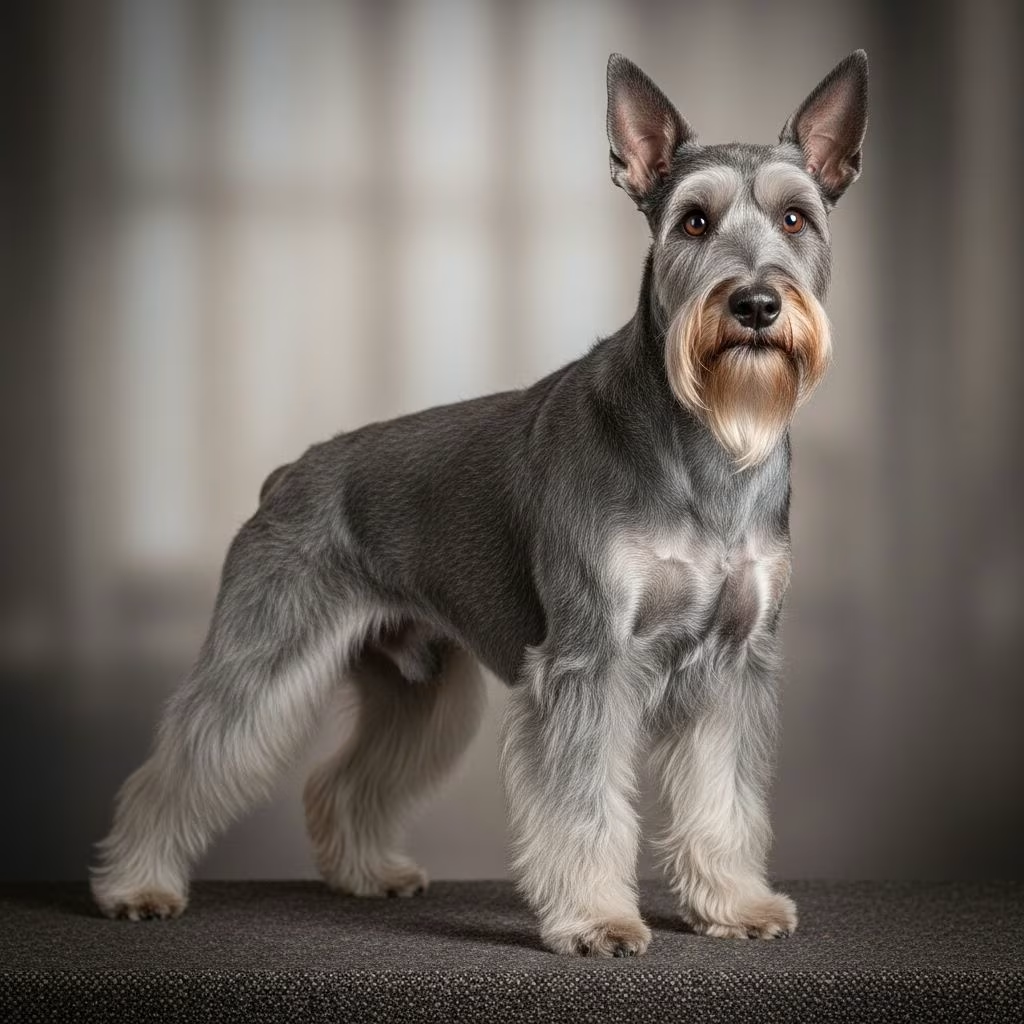
The Cesky Terrier is a small, low-to-the-ground, athletic terrier with a well-muscled body and distinctive wavy coat.
Physical Traits
- Build: Moderately long, low, slightly high in the rear; sturdy, but not heavy
- Head: Long wedge-shaped; bushy beard, mustache, pronounced eyebrows
- Eyes: Brown in gray-blue dogs; yellow in brown dogs
- Coat: Soft, long, wavy, and silky; clipped (not stripped)
- Color: Varies from charcoal to platinum gray as adults; puppies born black or black and tan
- Furnishings: Tan, gray, white, or yellow markings permitted
- Tail: Undocked tail, 7-8 inches long
- Ears: Triangular, folded forward
- Legs: Short, sturdy, and straight front legs
- Size: Typically 10-14 inches tall; weighs 13-22 lbs
Breed Standards (AKC)
| Feature | Standard |
|---|---|
| Height | 10-14 in (at shoulder) |
| Weight | 13-22 lbs |
| Coat | Long, silky/wavy; clipped, not stripped |
| Color (Mature) | Any shade of gray (charcoal to platinum); rarely coffee brown |
| Puppy Color | Black or black/tan; color lightens with age (by 3 years) |
Temperament & Personality
Cesky Terriers are playful, loyal, patient, and brave. Unlike many terriers, they are calmer and more reserved, demonstrating an affectionate but somewhat dignified nature.
- Family-Friendly: Good with children, making them excellent family companions
- Reserved: Reserved around strangers but not aggressive; forms strong bonds with owners
- Trainability: Slightly easier to train than most terriers; intelligence and eagerness help in learning
- Protectiveness: Gentle yet protective, especially with their human family
- Dominance: Not generally dominant or aggressive toward other dogs
- Barking: Moderate tendency to bark
- Energy: Energetic but not hyperactive; moderate exercise needs
Health & Care
Cesky Terriers are generally hardy and not prone to major hereditary health issues. Occasionally, individuals may experience Scottie Cramp, a mild, non-life-threatening movement disorder inherited from the Scottish Terrier lineage.
Grooming Needs
- Grooming: Regular grooming required; coat is clipped with electric clippers
- Brushing: Daily brushing recommended for the longer parts of the coat
- Shedding: Very light shedding; good for owners seeking minimal hair around the house
- Trimming/Stripping: Moderate trimming needed; coat is not stripped as with other terriers
Exercise & Living Requirements
- Exercise: Moderate daily exercise; walks, play, and occasional jogging
- Indoor Activity: Moderately active indoors
- Apartments: Suited for apartment life
- Outdoor Space: Does well with or without a yard
- Climate: Adaptable to most climates
Longevity & Common Issues
- Average Lifespan: 12-15 years
- Major Health Concerns: None prevalent; very robust breed
- Minor Issues: Scottie Cramp (rare, not serious)
Living with a Cesky Terrier
Cesky Terriers are adaptable to various lifestyles, from active singles to families and seniors. They thrive on human companionship, and their sensitive nature means they do best in homes where they are included in daily activities.
- Good with Children: Known for their gentle, stable temperament around kids
- Coexistence with Other Pets: Generally good with other dogs and pets if socialized early
- Travel Compatibility: Robust and easy to travel with; handle new situations well
- Compatibility for Novice Owners: Suitable for first-time dog owners due to their manageable size and temperament
Breed Rarity & Availability
The Cesky Terrier remains exceptionally rare worldwide. In the United States, the breed population is estimated at fewer than 600 individuals. This rarity presents challenges in finding reputable breeders and ensuring genetic diversity.
Puppy Development, Color Changes & Breed Standard Faults
Puppies are born black or black and tan. Their coat gradually changes color to gray-blue or coffee brown by the age of three, although some markings may persist.
- Acceptable Colors in Adults: Any shade of gray from charcoal to platinum gray, with permitted markings
- Markings: White, gray, brown, and yellow allowed on head, beard, chest, limbs
- Breed Faults: Long brindled coat in dogs older than 2 years, white covering more than 20% of body, and a pronounced white blaze are disqualifying flaws per breed standards
Gait
- Movement: Free, driven, and enduring; forelegs extend straight forward during gait
- Gallop: Slow but lasting
Training & Activity Recommendations
The Cesky Terrier responds well to positive reinforcement and consistency. Early socialization and patience are key, as their sensitivity makes harsh training methods ineffective.
- Trainability: Intelligent and eager, but can be stubborn. Recommended methods include treats, praise, and gentle guidance.
- Activities: Enjoys earthdog, tracking, obedience, and hunting sports.
Notable Traits & Fun Facts
- Name Pronunciation: “Chess-key” Terrier
- Origins: Only terrier breed from the Czech Republic
- Temperament: Less excitable and quieter than most terriers
- Intelligence: Used knowledge from scientific work to refine breed traits
- Parent Clubs: Cesky Terrier Club of America (active promoter), American Cesky Terrier Fanciers Association (AKC parent club)
Frequently Asked Questions (FAQs)
Q: What is the origin of the Cesky Terrier?
A: The Cesky Terrier was developed in Czechoslovakia in the late 1940s by František Horák, who combined Sealyham and Scottish Terriers to create a versatile hunting and companion dog.
Q: How rare is the Cesky Terrier?
A: The Cesky Terrier is among the rarest breeds worldwide, with less than 600 dogs estimated in the United States.
Q: Are Cesky Terriers good with children and other pets?
A: Yes, Cesky Terriers are known for their gentle, patient temperament, making them good with children and generally friendly with other pets.
Q: What grooming does the Cesky Terrier require?
A: The breed needs regular clipping and daily brushing of longer coat areas. Shedding is minimal and manageable.
Q: What health issues affect the Cesky Terrier?
A: Cesky Terriers are hardy dogs, with no major hereditary conditions common to the breed. Scottie Cramp may occur rarely, which is not painful or life-threatening.
Q: Can Cesky Terriers live in apartments?
A: Yes, their small size and moderate exercise needs make them well-suited to apartment living with regular walks and playtime.
Q: How long do Cesky Terriers live?
A: The average lifespan of a Cesky Terrier is 12 to 15 years.
Summary Table: Cesky Terrier Key Details
| Characteristic | Details |
|---|---|
| Size | Small (10-14 in tall, 13-22 lbs) |
| Coat | Long, wavy, clipped, shades of gray |
| Temperament | Calm, playful, loyal, protective |
| Exercise Needs | Moderate |
| Life Expectancy | 12-15 years |
| Health Concerns | Scottie Cramp (rare) |
| Good With Children | Yes |
| Rarity | Very rare; <600 in US |
Cesky Terrier Breed Summary
- Originated in Czechoslovakia, designed for hunting and companionship
- Distinct appearance with a wavy gray coat and bushy facial hair
- Combines terrier tenacity with unusually calm and trainable temperament
- Requires regular grooming but is low-shedding
- Good fit for families, singles, apartments, and active owners
- Exceptional rarity requires diligence in breeder research and care
References
- https://www.akc.org/dog-breeds/cesky-terrier/
- https://www.akc.org/expert-advice/lifestyle/9-facts-about-the-cesky-terrier/
- https://www.akc.org/expert-advice/dog-breeds/cesky-terrier-history/
- https://www.americanceskyterrierfanciersassociation.org/akc-standard.html
- https://www.wisdompanel.com/en-us/dog-breeds/cesky-terrier
- https://vcahospitals.com/know-your-pet/cesky-terrier
- https://georgiapuppiesfromheaven.com/breed-info/terrier/ceskterr/
- https://en.wikipedia.org/wiki/Cesky_Terrier