The German Spitz stands as one of Central Europe’s oldest and most distinguished dog breeds, captivating dog enthusiasts with its fox-like appearance, intelligent demeanor, and unwavering devotion to family. This ancient breed has evolved from medieval watchdogs and vermin hunters into beloved modern companions while retaining the alertness and spirited personality that made them invaluable working dogs centuries ago. With their luxurious double coats, pointed ears, and expressive faces, German Spitz dogs embody both beauty and brains in a compact, versatile package.
Breed Origins and Historical Significance
The German Spitz holds the distinction of being the oldest dog breed in Central Europe, with a lineage that stretches back centuries and served as the foundation for numerous European breeds we know today. The breed’s name itself reveals much about its characteristics—”Spitz” derives from Old Dutch, translating to “pointed peaks,” a direct reference to the breed’s distinctive, sharply pointed ears that give them their alert, attentive expression.
During medieval times, the German Spitz was far more than a companion animal. These industrious dogs worked tirelessly across European farms and vineyards, earning their keep as watchdogs, vermin hunters, and guardians of valuable livestock. The breed developed distinct color variations based on their working roles: white German Spitz typically guarded livestock, while their black counterparts protected vineyards. This functional breeding created dogs with independent spirits, territorial instincts, and vocal tendencies—traits that remain evident in the breed today.
The formal recognition of the German Spitz began in Germany in 1899 when large black and white varieties were first registered. The breed’s gene pool expanded significantly during the 1950s and 1960s when smaller sizes and additional color variations were officially added to breed standards. This rich heritage has produced a breed that combines historical working dog qualities with modern companion dog appeal, making the German Spitz both a living piece of canine history and a thoroughly contemporary pet.
Physical Characteristics and Appearance
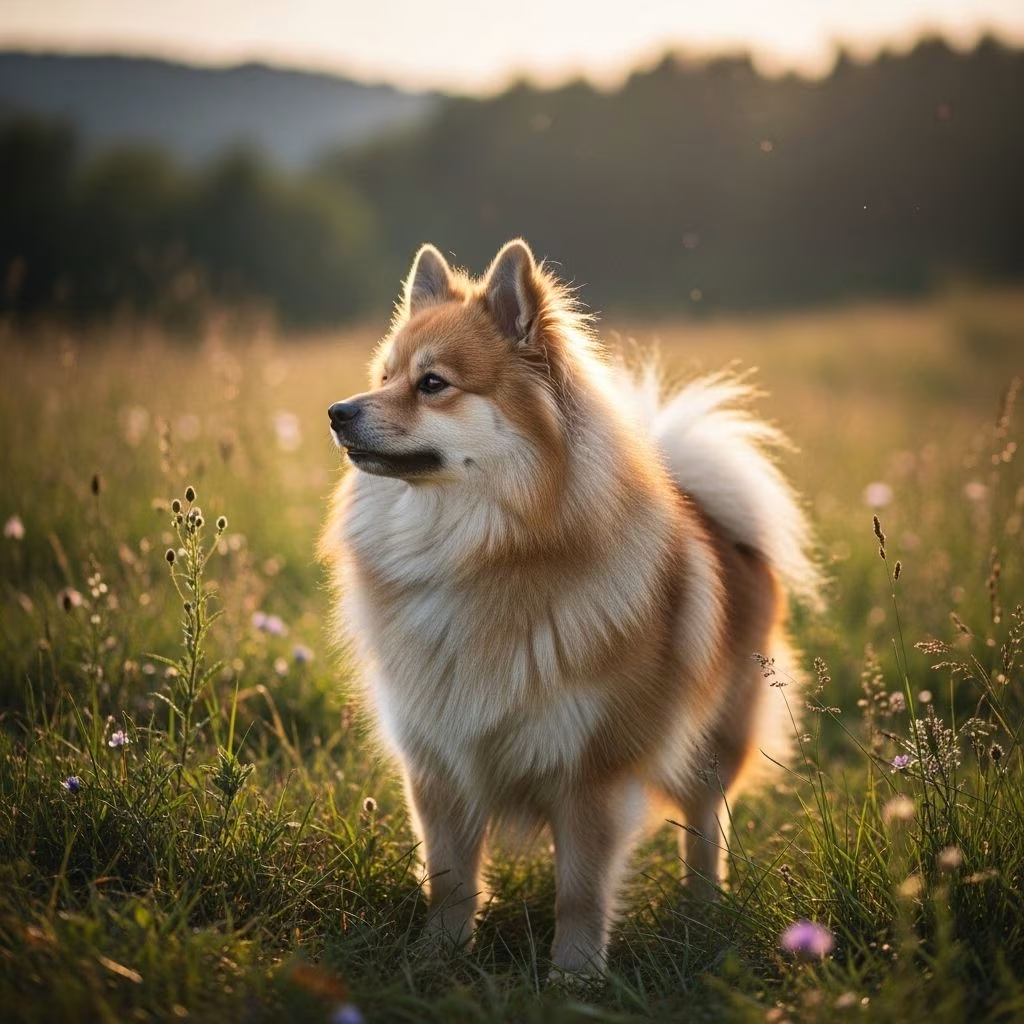
The German Spitz presents a striking appearance that immediately catches the eye. These dogs exhibit a compact, short-coupled Nordic body type with an almost square outline, characterized by firm structure, good substance, and a profuse coat that creates an impressive silhouette. Males display distinctly masculine features while females appear unmistakably feminine, with both sexes sharing the breed’s signature fox-like expression and confident bearing.
The breed’s head is wedge-shaped with clean cheeks and tight flews, topped by small triangular ears that stand perfectly erect and set rather high on the skull. Their medium-sized, oval eyes are positioned obliquely and always appear dark in color, surrounded by fully pigmented eyelids that complement their coat color. The nose is fully pigmented—black in black, white, and parti-colored dogs, while matching the coat color in other varieties. This attention to pigmentation detail contributes to the breed’s refined, polished appearance.
Size Variations
One of the most remarkable aspects of the German Spitz is the considerable variation in size within the breed. The breed comes in three distinct size categories, each with specific height ranges and weight expectations:
Large (Große) Spitz: Standing 16 to 20 inches tall with an average height of 17.7 inches, these dogs typically weigh between 30 and 50 pounds. This size variation represents the original working dog type that guarded farms and vineyards.
Medium (Mittel) Spitz: Measuring 12 to 15.9 inches in height with an average of 13.8 inches, medium German Spitz generally weigh 15 to 25 pounds. This mid-sized version offers a balance between the substantial presence of large varieties and the portability of smaller ones.
Small (Kleine) Spitz: The most petite variety stands 8 to 11.9 inches tall, averaging 10.6 inches, with weights typically ranging from 10 to 11 pounds. Despite their smaller stature, these dogs maintain the same confident personality and working dog instincts as their larger relatives.
Coat Colors and Patterns
The German Spitz boasts a remarkable variety of coat colors, with different colors available depending on the size variation. Large German Spitz come in three classic colors: white, black, or brown. Small and medium German Spitz display a much wider palette, including white, black, brown, orange, grey-shaded, and numerous other color variations. Some dogs feature particolored patterns with white bodies marked by uniform patches in primary colors, while others display sable patterns, cream shades, or black and tan combinations.
Coat Structure and Texture
The German Spitz’s coat represents one of its most distinctive and beautiful features. These dogs possess a double coat consisting of two distinct layers that work together to create their characteristic appearance. The undercoat is short, thick, and soft with a texture resembling a cotton-wool blend, providing insulation and body to the outer layer. The outercoat grows long, straight, and stands off from the body, creating the breed’s signature fluffy appearance.
The coat length varies across different body parts, creating visual interest and practical functionality. Hair on the head, ears, front sides of legs, and paws remains short with a velvety texture, while the body coat grows longer and more profuse. The neck features a distinctive mane-like collar of fur that frames the face beautifully. The tail carries very bushy hair that complements the long body coat, and when the medium-length tail rolls forward over the back as characteristic of the breed, it creates the classic Spitz silhouette.
Temperament and Personality
The German Spitz possesses a temperament that perfectly balances devotion with independence, creating a companion that is both affectionate and self-assured. These dogs are consistently described as attentive, lively, and exceptionally devoted to their owners. Their intelligent, active, and alert nature combines with a confident, happy disposition that shows no signs of nervousness or aggression when properly socialized.
Family life suits the German Spitz perfectly, as these dogs develop strong attachments to their people, including small children. They eagerly accept attention from family members and thrive on the interaction and affection that comes with being part of a household. Their upbeat nature and spring in their step demonstrate the enthusiasm they bring to daily life, along with the stamina to keep up with active families until it’s time to curl up for a nap.
However, the German Spitz maintains an independent streak inherited from centuries of working dog heritage. This independence can manifest as stubbornness, particularly if the dog perceives itself as the property owner rather than a family member. Their history as watchdogs means they’re quick to announce their ownership of territory, making early socialization and consistent training essential. When strangers approach, German Spitz may appear standoffish, though they’re more likely to be vocal than display fear or aggression.
Watchdog Instincts and Vocalization
The German Spitz earned a reputation as an excellent watchdog that persists to this day. Their extraordinary curiosity keeps them aware of everything happening in their environment, and they won’t hesitate to alert their families to anything unusual. This vocal tendency earned them the colorful historical nickname “dung-hill barkers”. While this makes them outstanding watchdogs, potential owners should understand that German Spitz can be very vocal, which might present challenges in apartment living situations or noise-sensitive neighborhoods.
Intelligence and Trainability
The German Spitz ranks among the most intelligent dog breeds, demonstrating quick learning abilities and remarkable problem-solving skills. Their intelligence combines with an eagerness to please their owners, creating dogs that respond exceptionally well to various training motivators including treats, praise, and play. This combination of brains and devotion makes them relatively easy to train when approached with consistency and positive methods.
These dogs excel in performance sports and activities, particularly agility, obedience competitions, and trick training. Their historical background in circus performances demonstrates their natural aptitude for learning complex behaviors and entertaining routines. German Spitz respond well to both discipline and praise, appreciating the mental challenges that training provides. They need busy, engaging activities that stimulate their active minds and prevent boredom.
Despite their trainability, owners must account for the breed’s independent nature during training sessions. Consistent socialization from an early age proves crucial for developing well-rounded German Spitz that interact appropriately with other people and dogs. Without proper training and socialization, their independent streak can lead to stubborn behavior or excessive territoriality. Early training establishes the foundation for a well-behaved companion that channels its intelligence and energy appropriately.
Exercise and Activity Requirements
The German Spitz possesses high energy levels that demand substantial daily exercise. These aren’t dogs content with a quick walk around the block—they need vigorous physical activity to maintain their physical and mental health. Their working dog heritage means they have stamina and drive that must be appropriately channeled through regular exercise routines.
Beyond physical exercise, German Spitz require considerable mental stimulation to prevent boredom and destructive behaviors. They benefit greatly from having a job, activity, or purpose that engages their intelligent minds. Without adequate mental and physical stimulation, these lively dogs may become bored, destructive, or overly vocal. Performance sports, puzzle toys, training sessions, and interactive play all help satisfy their need for mental engagement while strengthening the bond with their owners.
Grooming and Maintenance
Despite their profuse double coats, German Spitz have relatively manageable grooming requirements when maintained regularly. The breed experiences moderate shedding throughout the year, with grooming needs that can be handled by most owners willing to invest time in coat care.
Bathing: German Spitz need bathing once every one to three months, depending on their activity level and environmental exposure. Their double coats require thorough wetting and rinsing to ensure cleaning reaches the skin beneath the dense undercoat.
Brushing: Regular brushing maintains coat health and appearance while managing shedding. Owners should use a combination of tools including combs, rakes, and pin brushes to effectively work through both coat layers. The long, stand-off outercoat and thick undercoat require different tools and techniques for optimal maintenance.
Nail Care: Trimming nails one to two times monthly prevents overgrowth that can affect gait and cause discomfort. Regular nail maintenance from puppyhood helps dogs become accustomed to the process.
Health Considerations
The German Spitz generally enjoys normal health with standard veterinary and feeding requirements. Their robust constitution reflects centuries of functional breeding that prioritized working ability and overall soundness. However, responsible breeders screen for several health conditions to maintain breed health.
Recommended Health Testing
Comprehensive health screening helps identify potential issues before breeding and ensures puppies have the best chance at healthy lives. Recommended tests include:
Orthopedic Evaluations: X-rays of elbows and hips help identify dysplasia or other structural issues. Patella examinations check for luxation that could affect mobility.
Eye Examinations: Regular eye exams by veterinary ophthalmologists detect conditions that could impact vision.
Genetic Testing: DNA tests screen for Progressive Retinal Atrophy (PRA), von Willebrand Factor type 1 (a bleeding disorder), and albinism. These tests help breeders make informed decisions and provide puppy buyers with health information.
Life Expectancy
German Spitz typically enjoy long lives, with life expectancies of 15 years or more. This longevity means owners can expect many years of companionship from their German Spitz, making them excellent long-term family members. Proper care, nutrition, exercise, and regular veterinary attention support maximum lifespan and quality of life.
Living with a German Spitz
German Spitz adapt moderately well to various living situations, though certain considerations help ensure compatibility between dog and household. Their vocal nature and need for exercise make them better suited to homes where these characteristics won’t create conflicts with neighbors or lifestyle constraints.
These dogs demonstrate affection with family members while maintaining some reserve toward strangers. Their playfulness ranges from moderate to non-stop depending on individual personality and energy levels. When properly socialized, German Spitz can coexist well with other dogs and children, though supervision remains important given their sometimes territorial nature and preference for being the only dog in some households.
The breed’s high energy and need for mental stimulation mean they thrive in active households where they receive adequate attention, exercise, and engagement. Families who enjoy training, performance sports, or outdoor activities will find the German Spitz an enthusiastic participant in their lifestyle. However, people who work long hours or cannot provide sufficient interaction may find that German Spitz become bored and develop behavioral issues.
Breed Relations and Historical Connections
The German Spitz’s role as a progenitor breed for many European varieties makes it historically significant beyond its own merits. The breed shares close relationships with several well-known breeds including the Pomeranian, American Eskimo Dog, and Keeshond. Understanding these connections helps illustrate the German Spitz’s influence on modern dog breeding and the characteristics shared across related breeds.
Finding a German Spitz
Prospective German Spitz owners should work with reputable breeders who health test their breeding stock and prioritize temperament alongside physical characteristics. The German Spitz Club of America serves as the national breed club, providing resources for finding responsible breeders and learning more about the breed. Connecting with breed clubs offers opportunities to meet German Spitz in person, speak with experienced owners, and make informed decisions about whether this breed fits your lifestyle.
Frequently Asked Questions
Q: Are German Spitz good family dogs?
A: Yes, German Spitz make excellent family dogs. They develop strong attachments to family members including children and are affectionate, devoted companions. However, they require proper socialization and training from an early age, and their interactions with young children should be supervised.
Q: How much do German Spitz bark?
A: German Spitz are very vocal dogs with strong watchdog instincts. They bark to alert their families to unusual activities or strangers, earning them the historical nickname “dung-hill barkers.” This vocal tendency makes them excellent watchdogs but may present challenges in apartments or noise-sensitive environments.
Q: What is the difference between German Spitz sizes?
A: German Spitz come in three sizes: Large (16-20 inches, 30-50 pounds), Medium (12-15.9 inches, 15-25 pounds), and Small (8-11.9 inches, 10-11 pounds). Large varieties are limited to white, black, or brown colors, while small and medium varieties come in many additional colors and patterns.
Q: Are German Spitz difficult to train?
A: No, German Spitz are highly intelligent and eager to please, making them relatively easy to train. They respond well to positive reinforcement methods and excel in obedience, agility, and trick training. However, their independent streak requires consistent training and early socialization for best results.
Q: How much exercise does a German Spitz need?
A: German Spitz need substantial daily exercise including vigorous physical activity and mental stimulation. They are high-energy dogs that require more than short walks, benefiting from performance sports, interactive play, training sessions, and activities that challenge both body and mind.
Q: Do German Spitz get along with other pets?
A: German Spitz can coexist with other dogs when properly socialized, though some individuals prefer being the only dog in the household. Their hunting heritage means they may chase small animals. Early socialization and supervision help ensure peaceful multi-pet households.
Q: How often do German Spitz need grooming?
A: German Spitz require regular brushing using combs, rakes, and pin brushes to maintain their double coats. They need bathing every one to three months and nail trimming one to two times monthly. Despite their profuse coats, they have moderate shedding and manageable grooming needs with consistent maintenance.
Q: What health problems do German Spitz have?
A: German Spitz are generally healthy dogs with normal veterinary requirements. Responsible breeders test for hip and elbow dysplasia, patellar luxation, eye conditions, Progressive Retinal Atrophy, von Willebrand Factor type 1, and albinism. With proper care, they typically live 15 years or more.