


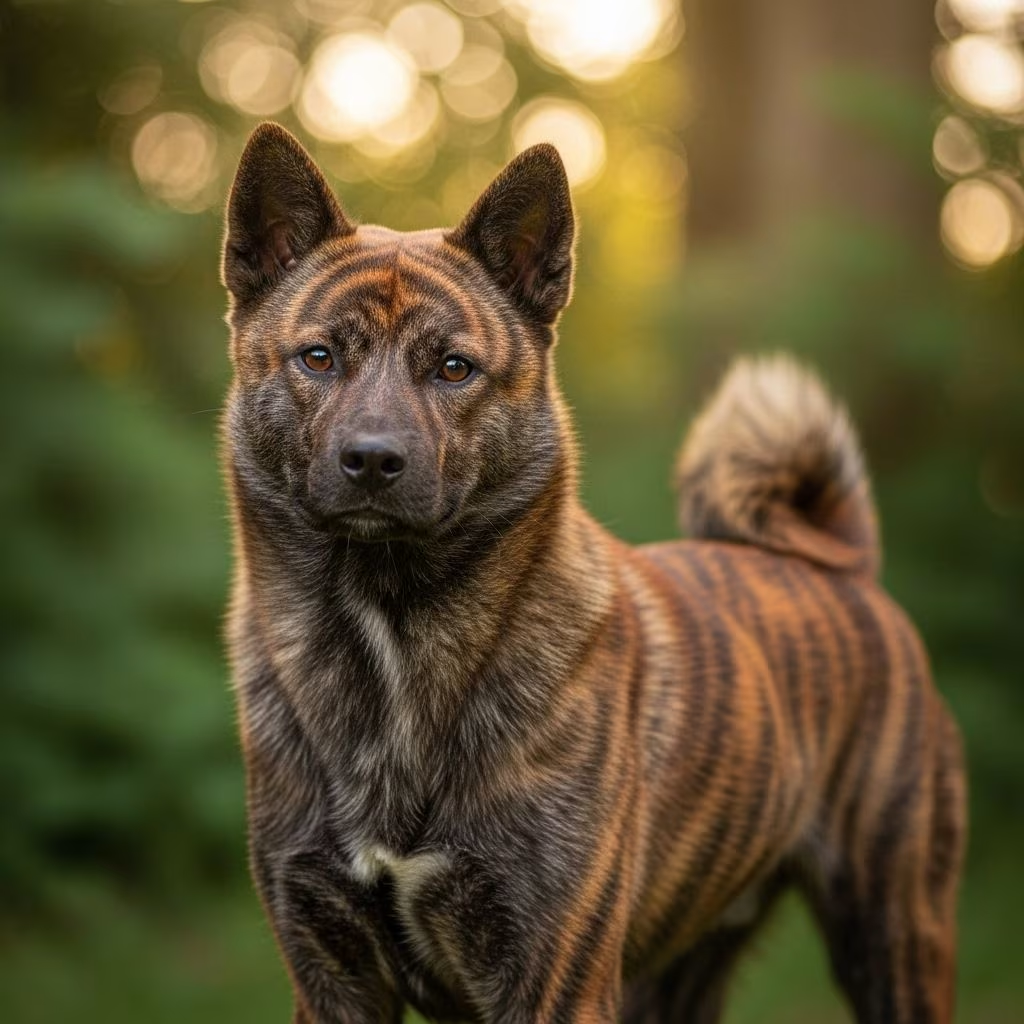
The Kai Ken stands as one of Japan’s most treasured yet rarest canine treasures, a medium-sized spitz-type dog that has captured the hearts of dog enthusiasts worldwide. Known colloquially as the Tiger Dog or Tora Inu, this breed represents centuries of Japanese breeding tradition and mountain hunting heritage. As one of only six native Japanese dog breeds recognized and protected by the Nihon Ken Hozonkai, the Kai Ken embodies the perfect balance of primitive instinct and devoted companionship.
Originating from the mountainous Kai region of Yamanashi Prefecture, these remarkable dogs were historically employed to hunt formidable game including wild boar, deer, and the elusive Japanese serow across treacherous mountain terrain. Their distinctive brindle coat patterns, which evolve and intensify over the first five years of life, serve as natural camouflage during hunts while giving them their tiger-like appearance. Despite their rarity even in their native Japan, where they hold status as a national monument since 1933, the Kai Ken has gradually gained international recognition for its intelligence, loyalty, and adaptable temperament.
Physical Characteristics and Appearance
The Kai Ken presents a striking and well-balanced physique that reflects its heritage as a mountain hunting dog. This medium-sized breed displays remarkable sexual dimorphism, with males typically standing 18 to 22 inches at the shoulder and females measuring slightly smaller at 17 to 20 inches. Weight generally ranges between 30 to 40 pounds, making them substantial enough to handle demanding physical tasks while remaining agile and nimble across challenging terrain.
The breed’s wedge-shaped head features a broad forehead that falls to a moderate stop, complemented by triangular, moderately thick ears that angle forward with clean lines. Their eyes are distinctively shaped—nearly triangular with slightly upturned outer corners—and colored in dark brown, though some shading may occur depending on coat color. The muzzle is pointed but not overly long, maintaining moderate thickness with tight lips and strong teeth in a proper scissor bite.
One of the most distinctive features of the Kai Ken is its double coat structure. The outer coat stands upright with a harsh, straight texture of medium length, while the undercoat remains soft, dense, and thick. Well-bred specimens should display a prominent mane around the neck area. The body is sturdily built with well-developed muscles, high withers, a straight and short back, and a deep chest with moderately sprung ribs. The breed’s strong limbs and remarkably developed hocks are testaments to their mountain-dwelling ancestry, enabling them to be exceptional swimmers and climbers—capabilities that extend to the remarkable ability to climb trees while pursuing prey.
The Signature Brindle Coat Pattern
Perhaps no feature defines the Kai Ken more distinctly than its brindle coat pattern, which directly inspired its Tiger Dog nickname. The breed standard recognizes three primary brindle variations: Kuro-tora (black brindle), Chu-tora (medium brindle), and Aka-tora (red brindle). Each variation presents a unique aesthetic, with tiger-like stripes creating natural camouflage patterns that served the breed well during mountain hunts.
Interestingly, Kai Ken puppies are often born with solid coloring, and their characteristic brindle markings emerge gradually as they mature. This color development process continues throughout the dog’s early years, sometimes requiring as long as five years before the full brindle pattern completely manifests. This extended maturation period makes predicting the final appearance of young Kai Kens particularly challenging, adding an element of anticipation for breed enthusiasts.
The tail of the Kai Ken may be carried curled over the back or held in a sickle position, both presentations being acceptable according to breed standards. Like other spitz hunting breeds including the Kishu Ken and Jindo, the Kai Ken’s high-set, thick tail serves both functional and aesthetic purposes, contributing to the breed’s balanced and distinctive silhouette.
Temperament and Personality Traits
The Kai Ken possesses a temperament that beautifully balances primitive hunting instincts with devoted companionship. These dogs are renowned for their keen intelligence and alert nature, characteristics that made them invaluable hunting partners in Japan’s mountainous regions. Their composed boldness coupled with an unadorned, unsophisticated air reflects generations of purposeful breeding for function over form.
One of the breed’s most celebrated characteristics is its profound loyalty to family. Kai Kens are famously devoted to their people, forming strong attachments and demonstrating a propensity toward loyalty to one master for life. This pack mentality means they prefer to be integral members of their household rather than isolated or kenneled dogs. When properly integrated into family life, they work as steadfast guardians, naturally protective without being unnecessarily aggressive.
While reserved and cautious around strangers—a trait that makes them excellent watchdogs—Kai Kens are generally friendly and often good with children when properly socialized. Their reserved nature should not be confused with timidity; rather, it represents a thoughtful assessment of new situations and people. With adequate socialization from puppyhood, these dogs can learn to welcome appropriate newcomers while maintaining their protective instincts.
The breed retains strong hunting drives, which potential owners must understand and manage appropriately. Kai Kens may view smaller animals as prey, and their exceptional climbing abilities—developed for pursuing game up trees and across rocky terrain—make them capable escape artists. Secure fencing of adequate height is essential, as these dogs possess both the motivation and physical capability to overcome inadequate barriers.
Intelligence and Trainability
As hunting dogs bred to work cooperatively with humans across challenging terrain, Kai Kens demonstrate notable intelligence and capacity for training. They are very capable of listening to and taking direction from their owners, though their willingness to comply depends heavily on the bond developed between dog and handler. This underscores the importance of establishing strong, positive relationships through consistent, reward-based training methods.
The breed’s natural hunting instincts mean they possess inherent problem-solving abilities and independence of thought—qualities that served them well when tracking game across mountains but can translate to stubbornness if not properly channeled. Early socialization and consistent training from puppyhood are crucial for developing well-mannered adult dogs. Kai Kens respond best to training approaches that respect their intelligence while establishing clear leadership and boundaries.
Their pack mentality and desire to please their family members make them generally eager learners when training is approached correctly. However, harsh corrections or heavy-handed training methods are counterproductive with this sensitive breed. Positive reinforcement techniques that build trust and cooperation yield the best results, helping channel their natural drives into appropriate behaviors.
Exercise Requirements and Energy Levels
The Kai Ken’s mountain hunting heritage means this breed possesses considerable energy and requires substantial daily exercise to maintain physical and mental health. These are active dogs that need regular vigorous activity, including long walks, hiking opportunities, and mentally stimulating challenges. Their agility and nimbleness make them excellent candidates for dog sports such as agility training, nosework, and other activities that engage both body and mind.
Despite their exercise needs, Kai Kens can adapt surprisingly well to apartment living when their activity requirements are adequately met. The breed is naturally quiet and clean, and with sufficient daily exercise, these dogs are content to relax alongside their owners in smaller living spaces. However, access to secure outdoor areas for regular exercise remains essential regardless of living situation.
Their love of swimming provides an excellent exercise outlet, and many Kai Kens demonstrate natural swimming ability and enthusiasm for water activities. This affinity for water, combined with their climbing skills, makes them versatile exercise companions capable of participating in diverse outdoor activities. Owners should aim to provide at least 60 to 90 minutes of substantive exercise daily, adjusting based on individual dog’s age, health, and energy level.
Grooming and Maintenance Needs
Compared to many breeds, the Kai Ken presents relatively moderate grooming requirements, though their double coat does demand regular attention. The breed experiences seasonal shedding, particularly during spring and fall when they “blow” their dense undercoat. During these shedding periods, daily brushing helps manage loose fur and prevents matting while keeping the coat healthy and the home cleaner.
Outside of heavy shedding seasons, brushing two to three times weekly typically suffices to maintain coat health and remove debris. The Kai Ken’s harsh outer coat naturally resists dirt to some degree, and these dogs are notably clean by nature. Bathing should be performed as needed—generally every few months or when the dog becomes particularly dirty—using quality dog shampoo that won’t strip natural oils from the coat.
Regular maintenance tasks include nail trimming every three to four weeks, dental care through regular teeth brushing, and ear checks to ensure cleanliness and catch any potential issues early. Like all dogs, Kai Kens benefit from early introduction to grooming routines to ensure they accept handling calmly throughout their lives.
Health Considerations and Lifespan
The Kai Ken is generally considered a healthy and hardy breed, benefiting from relatively limited genetic manipulation and a diverse gene pool within its native population. These dogs typically enjoy lifespans of 12 to 16 years when provided with appropriate care, nutrition, and veterinary attention. Their mountain heritage contributed to natural selection for robust health and physical soundness.
While the breed doesn’t suffer from numerous genetic health problems common to many purebred dogs, responsible ownership still requires attention to preventive health care. Regular veterinary check-ups, appropriate vaccinations, parasite prevention, and maintenance of healthy weight through proper diet and exercise form the foundation of good health care for Kai Kens.
Potential owners should work exclusively with reputable breeders who conduct health screenings on breeding stock and can provide documentation of health clearances. Due to the breed’s rarity, maintaining genetic diversity remains important, and responsible breeders take care to avoid excessive inbreeding that could introduce health problems into the population.
History and Heritage
The Kai Ken’s history is deeply intertwined with Japan’s mountainous Kai region in Yamanashi Prefecture, where the breed was discovered in 1929. The breed was split off from the broader Nihon Ken (Japanese Dog) landrace during the creation of the Nihon Ken Hozonkai (NIPPO) in 1928 and named after its region of origin. In 1931, the Kai Ken Aigokai (KKA) was established as the primary preservation society for the breed in Japan, a role it continues to fulfill today.
Recognition as a Japanese national monument came swiftly in 1933, reflecting the breed’s cultural significance and the desire to preserve this unique canine heritage. As one of six native Japanese breeds protected by the Nihon Ken Hozonkai, the Kai Ken represents an important link to Japan’s rural and hunting traditions.
Historically, Kai Kens served as invaluable hunting partners in the steep, treacherous terrain of Yamanashi’s mountains. Their agility and climbing abilities allowed them to pursue prey that other hunting dogs could not reach, tracking Japanese serow, deer, wild boar, and occasionally even bears. Their brindle coats provided natural camouflage in forested mountain environments, while their intelligence and loyalty made them reliable working partners.
Despite their protected status and cultural importance in Japan, Kai Kens remain rare even in their homeland. International recognition has grown gradually, with kennel clubs including the American Kennel Club, United Kennel Club, and Fédération Cynologique Internationale now recognizing the breed. However, finding Kai Ken puppies outside Japan remains challenging, and prospective owners often face significant wait times.
Living with a Kai Ken
Sharing your life with a Kai Ken requires understanding and accommodating the breed’s specific needs and characteristics. These dogs thrive in homes where they can be fully integrated family members rather than yard ornaments or occasional companions. Their strong bonding tendency means they do best with owners who can provide consistent companionship and avoid long periods of isolation.
Socialization must begin early and continue throughout the dog’s life. Exposing young Kai Kens to diverse people, animals, environments, and experiences helps them develop into confident, well-adjusted adults. Their natural reserve around strangers becomes appropriate caution rather than fearfulness or aggression when socialization is handled properly.
The breed’s hunting background means securing the home environment is crucial. Fencing must be tall and secure—at least six feet high—and owners should regularly inspect for potential escape routes. The Kai Ken’s climbing and jumping abilities mean that fencing adequate for many breeds may prove insufficient for these athletic dogs. Similarly, their prey drive requires careful management around smaller pets, and off-leash exercise should only occur in securely enclosed areas.
For families with children, Kai Kens can make excellent companions when all interactions are supervised and children are taught appropriate behavior around dogs. The breed’s medium size makes them less overwhelming than giant breeds while being sturdy enough to handle typical household activity. Their playful nature and loyalty to family can create wonderful bonds with children who treat them respectfully.
Is a Kai Ken Right for You?
Determining whether the Kai Ken is the right breed for your lifestyle requires honest assessment of several factors. These dogs are best suited to active individuals or families who can provide substantial daily exercise and mental stimulation. Couch potatoes need not apply—the Kai Ken requires owners willing to commit to regular outdoor activities and training sessions.
Experience with dogs, particularly primitive or independent breeds, proves beneficial when working with Kai Kens. While not impossibly difficult for dedicated first-time owners, the breed’s intelligence, hunting drives, and strong bonding tendencies require understanding and appropriate management. Those willing to invest time in training, socialization, and building strong relationships will be rewarded with devoted, capable companions.
The breed’s rarity presents practical considerations. Finding reputable breeders may require extensive searching, travel, and significant wait times. Prospective owners should prepare for potential challenges locating veterinarians familiar with the breed and should be committed to ongoing education about Kai Ken-specific needs and characteristics.
Living situations must accommodate the breed’s exercise needs and escape artist tendencies. While apartment living is possible with dedicated exercise routines, access to secure outdoor spaces significantly enhances quality of life for both dog and owner. Homes with adequate fencing and nearby areas for hiking or walking are ideal.
Frequently Asked Questions
Q: Why are Kai Kens called Tiger Dogs?
A: Kai Kens earned the nickname “Tiger Dog” or “Tora Inu” due to their distinctive brindle coat patterns that resemble tiger stripes. These markings develop gradually as puppies mature, sometimes taking up to five years to fully manifest in three recognized variations: black brindle, medium brindle, and red brindle.
Q: Are Kai Kens good with other pets?
A: Kai Kens retain strong hunting instincts and may view smaller animals as prey. While they are generally not aggressive toward other dogs and can coexist peacefully with proper socialization, caution is warranted around cats, small mammals, and other pets. Early socialization and careful supervision are essential.
Q: How much exercise does a Kai Ken need daily?
A: Kai Kens require substantial daily exercise—typically 60 to 90 minutes of vigorous activity including long walks, hiking, swimming, or interactive play. Their mountain hunting heritage means they possess considerable energy and stamina that must be appropriately channeled through regular physical and mental stimulation.
Q: Can Kai Kens really climb trees?
A: Yes, Kai Kens are renowned for their exceptional climbing abilities, a trait developed through generations of hunting in mountainous terrain. They have been documented climbing trees while pursuing prey, and this climbing skill combined with their jumping ability makes them escape artists requiring secure, tall fencing.
Q: How rare are Kai Kens outside of Japan?
A: Kai Kens are extremely rare even in their native Japan and even more uncommon internationally. Finding reputable breeders outside Japan can be challenging, with prospective owners often facing significant wait times. The breed’s rarity means careful research is essential when seeking a Kai Ken puppy.
Q: Do Kai Kens make good apartment dogs?
A: Despite their exercise needs, Kai Kens can adapt to apartment living when their activity requirements are adequately met. They are naturally quiet and clean dogs that will relax contentedly indoors after sufficient exercise. However, owners must commit to providing daily outdoor activities and mental stimulation regardless of living situation.
References
- https://www.akc.org/dog-breeds/kai-ken/
- https://www.akc.org/wp-content/uploads/2021/05/Kai-Ken.pdf
- https://kaisociety.org/breed-standard/
- https://dogacademy.org/breeds/kai-ken
- https://kai-ken.weebly.com/kai-ken-standard.html
- https://www.wisdompanel.com/en-us/dog-breeds/kai-ken
- https://usserviceanimals.org/blog/kai-ben-breed-overview/
- https://kai-ken.weebly.com/why-kai.html
- https://www.ukcdogs.com/kai
- https://en.wikipedia.org/wiki/Kai_Ken


