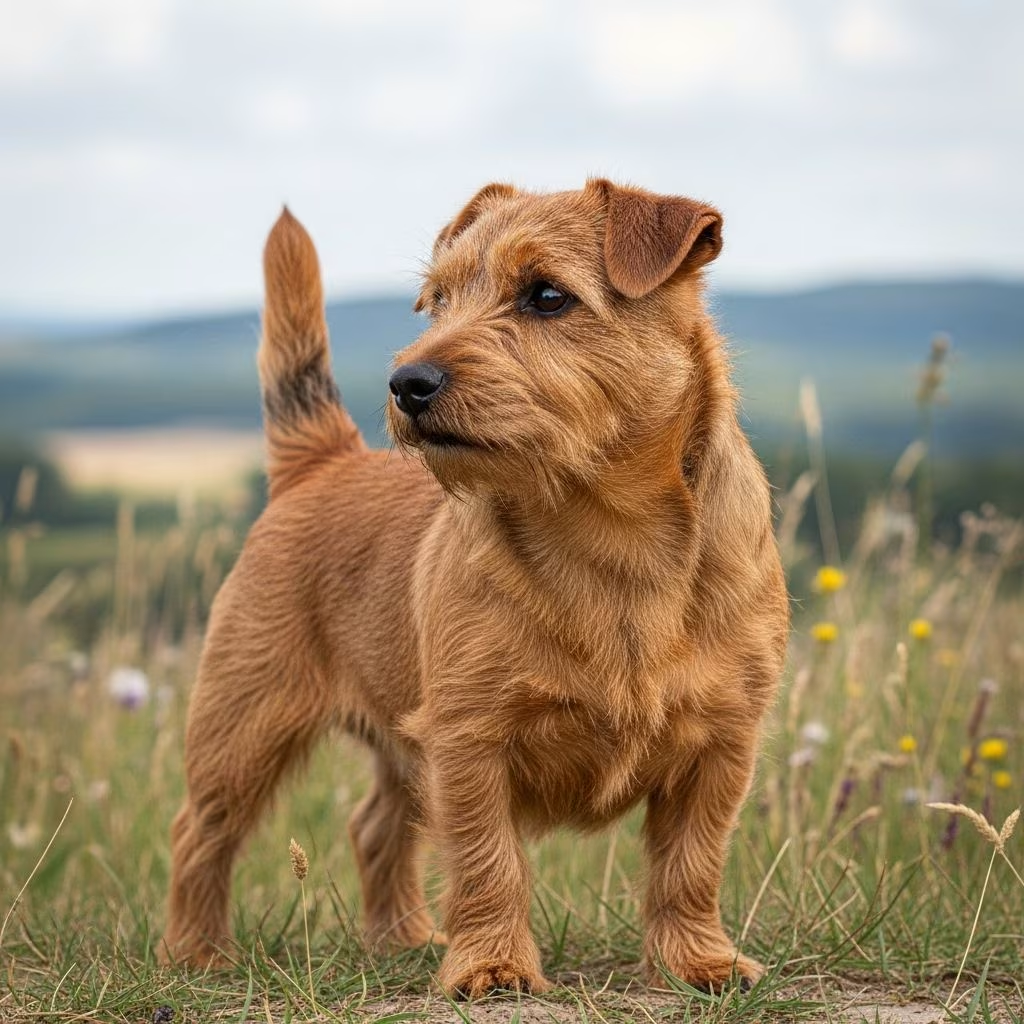
The Norfolk Terrier stands out as one of the smallest working terriers, blending boldness, charm, and a deep sense of loyalty. With its perky yet compact frame, weather-resistant coat, and unique dropped ears, the Norfolk Terrier remains highly valued both as a resilient hunter and a beloved family companion. This comprehensive guide covers the breed’s history, key traits, care requirements, and everything potential owners should know.
Breed Overview
| Group | Terrier |
|---|---|
| Height | 9–10 inches (23–25.5 cm) at shoulder |
| Weight | 11–12 pounds (5–5.5 kg) |
| Life Expectancy | 12–16 years |
| Coat Type | Hard, wiry, straight; weather-resistant |
| Colors | Red, wheaten, black and tan, grizzle |
| Ears | Distinctive small, dropped, rounded at tips |
History of the Norfolk Terrier
The Norfolk Terrier traces its roots to 19th-century England, where small, harsh-coated terriers were prized for their ability to hunt vermin in barns and stables. By the late 1800s and early 1900s, these terriers were popular among Cambridge University students and horsemen for their skill in eradicating rats and bolting foxes during hunts. Over time, the breed’s development ran parallel to that of the Norwich Terrier.
- The Norfolk and Norwich Terriers were originally considered a single breed, separated by ear type: pricked (erect) and dropped (folded) ears.
- In 1932, the breed became officially recognized as Norwich Terriers in England, with distinctions emerging between the two ear types.
- By 1964 in England and 1979 in the United States, the dropped-ear dogs were classified as Norfolk Terriers and the pricked-ear dogs remained as Norwich Terriers.
- Today, the Norfolk Terrier is cherished for its adaptability — suited for both active work in the field and congenial companionship at home.
Appearance and Physical Characteristics
The Norfolk Terrier is compact, sturdy, and slightly longer than tall, displaying a substance and bone structure that belies its small stature. Hallmarks of the breed include its distinctive dropped ears and hard, wiry coat.
- Head: Broad, slightly rounded skull; moderate stop; wedge-shaped, strong muzzle.
- Eyes: Small, oval, dark brown eyes with an intelligent, lively expression.
- Ears: Small, neatly dropped ears folding forward close to the cheeks, rounded at the tips — the signature difference from the Norwich Terrier.
- Body: Sturdy, stocky, slightly longer than tall; level topline; well-sprung ribs.
- Tail: Set high, customarily docked to maintain a balanced outline; carried gaily but not curled.
- Feet: Round with thick pads.
- Coat: Double-layered; outer coat is hard, wiry, and straight; undercoat is soft, offering weather resistance.
- Color: Acceptable shades include red, wheaten, black and tan, and grizzle. Dark points are allowed, but white markings are undesirable.
Temperament and Personality
Norfolk Terriers are renowned for their lively, outgoing, and affectionate personalities. These qualities make them ideal companions for families, singles, and active seniors alike.
- Friendliness: Exceedingly sociable and gregarious, they thrive on human interaction and love being included in every aspect of family life.
- Playfulness: Highly playful and inquisitive, Norfolk Terriers enjoy games and toys, displaying puppy-like exuberance well into maturity.
- Courage: Fearless yet not aggressive, they are alert watchdogs who will bark to signal the arrival of guests or unfamiliar happenings.
- Adaptability: Adapt well to apartment living given adequate exercise, and are equally at home in country settings.
- Trainability: Intelligent, quick-witted, and eager to please — though sometimes displaying typical terrier stubbornness.
- Behavior with Children and Other Pets: Very good with children and, when properly socialized from puppyhood, generally get along well with other dogs and household pets.
Norfolk Terrier vs. Norwich Terrier
| Breed | Ear Type | Height | Temperament Highlights |
|---|---|---|---|
| Norfolk Terrier | Dropped (folded) | 9–10 in. | Social, outgoing, alert family companion |
| Norwich Terrier | Pricked (erect) | 9–10 in. | Lively, tenacious, affectionate |
While closely related, the Norfolk’s key distinction is its dropped ear and slightly more sociable disposition compared to the Norwich, whose ears are pricked.
Living with a Norfolk Terrier
Norfolk Terriers do best in homes where they are valued as part of the family. Their adaptability allows them to thrive in various living situations, provided their needs for exercise, attention, and mental stimulation are met.
- Provide daily physical activity — walks, playtime, or agility training to satisfy their moderate energy levels.
- Secured outdoor space is ideal; they love to explore and may dig or chase small animals due to their strong prey drive.
- Indoors: Active and curious but not hyper; enjoy toys, interactive games, and learning new tricks.
- Best kept on-leash or in a secure yard due to their natural hunting instincts.
Care and Grooming
The Norfolk Terrier’s weather-resistant coat and hardy constitution make them relatively low-maintenance, but certain grooming and care considerations remain important.
- Brushing: Brush weekly with a slicker or pin brush to remove dirt and loose hairs. This helps prevent matting and keeps the coat healthy.
- Stripping: Rough stripping or expert hand trimming a few times a year is required to maintain texture and remove dead hairs. Clippers may soften the coat and are less desirable.
- Bathing: Bathe as needed, especially after muddy adventures.
- Nail Care: Trim nails regularly to prevent discomfort and injury.
- Dental Care: Brush teeth several times a week to discourage tartar buildup and gum disease.
- Ear Care: Check ears weekly for dirt and wax; keep dry to avoid infections.
Exercise and Activity Needs
- Daily exercise is essential — moderate walks, play fetch, and short jogs are ideal for this energetic breed.
- Enjoys agility, earthdog trials, and obedience activities, utilizing both their intelligence and natural instincts.
- Without sufficient mental and physical stimulation, can develop nuisance behaviors such as digging and excessive barking.
- Supervised off-leash play only in enclosed areas; their prey drive may cause them to chase wildlife.
Training and Socialization
Norfolk Terriers thrive with gentle, consistent training that rewards their cooperation and alertness. Early socialization is vital to shaping their confident, well-mannered nature.
- Start basic obedience, leash manners, and housebreaking from a young age.
- Socialize with a range of people, environments, sounds, and other pets to prevent timidity and anxiousness.
- Respond best to positive reinforcement — praise, treats, and interactive play. Harsh correction can diminish trust and enthusiasm.
- May be stubborn, but are quick learners with patient, creative trainers.
Health Considerations
Generally robust and long-lived, the Norfolk Terrier’s average lifespan ranges from 12 to 16 years. Responsible breeders screen for inherited conditions to promote ongoing breed health.
- Occasionally susceptible to heart murmurs, hip dysplasia, and patellar luxation.
- Potential dental crowding and related dental issues due to their small size.
- Regular veterinary checkups, a balanced diet, and appropriate exercise are key to longevity.
Is a Norfolk Terrier Right for You?
The Norfolk Terrier fits best with owners seeking an affectionate, lively, and intelligent companion. Their adaptability suits various lifestyles, provided their curiosity and energy are accommodated.
- Well-suited to singles, couples, and families — especially those who appreciate interactive, energetic pets.
- Adept for first-time owners due to their manageable size, easy trainability, and low aggression.
- May not be ideal for those unwilling to provide daily engagement, regular grooming, or who are away from home for long stretches.
Frequently Asked Questions (FAQs)
Q: Are Norfolk Terriers good with children?
A: Yes, Norfolk Terriers are known for their affectionate, playful demeanor. They are generally excellent with children, especially when raised together or socialized early. Supervise interactions with very small children, as with any breed.
Q: Do Norfolk Terriers get along with other pets?
A: They tend to be sociable with other dogs, especially if properly socialized as puppies. Their natural hunting instinct means they may chase smaller household pets unless taught otherwise.
Q: How much exercise do Norfolk Terriers need?
A: While compact, they are energetic and require daily exercise. A few brisk walks, interactive play, and occasional agility or earthdog activities are ideal.
Q: Is the Norfolk Terrier hypoallergenic?
A: No breed is entirely hypoallergenic, but their wiry coat sheds lightly and may be less problematic for mild allergy sufferers than some other breeds.
Q: Are Norfolk Terriers easy to train?
A: They are quick learners but may be independent and occasionally stubborn. Consistent, positive-reinforcement methods work best. Early training and socialization are recommended.
Q: How often does a Norfolk Terrier need grooming?
A: A weekly brushing and professional hand stripping or trimming several times per year is needed to maintain the coat’s texture and appearance.
Quick Facts and Breed Highlights
- Smallest of the working terriers, standing 9–10 inches tall and weighing 11–12 pounds.
- Compact, sturdy build with a signature hard, wiry coat and dropped ears.
- Adept at hunting, tracking, earthdog work, and excelling as a fun-loving family pet.
- Known for lively personality, sociability, fearlessness, and affection.
- Lifetime companion: 12–16 years of energy and devotion.
Further Resources
- Norfolk Terrier Club (Official Breed Club)
- American Kennel Club’s Norfolk Terrier Breed Information
- Breed-specific rescue and adoption organizations
- Professional breeders committed to AKC standards and responsible breeding practices
References
- https://www.akc.org/dog-breeds/norfolk-terrier/
- https://www.akc.org/expert-advice/lifestyle/5-facts-norfolk-terriers/
- https://norfolkterrierclub.org
- https://www.westminsterkennelclub.org/breed/norfolk-terrier/
- https://georgiapuppiesfromheaven.com/breed-info/terrier/norfterr/
- http://cdn.akc.org/NorfolkTerrier-club-flier.pdf
- http://norfolkterrierclub.org/wp-content/uploads/2020/05/Complete.pdf
- https://www.dogbreedinfo.com/norfolkterrier.htm