The Toy Manchester Terrier stands as one of the most elegant and spirited members of the toy dog family. This sleek, athletic breed combines the refinement of a gentleman’s companion with the fearless heart of a true terrier. Recognized by the American Kennel Club in 1886 as the club’s 31st breed, the Toy Manchester Terrier has captivated dog lovers for generations with its distinctive appearance, remarkable intelligence, and unwavering loyalty.
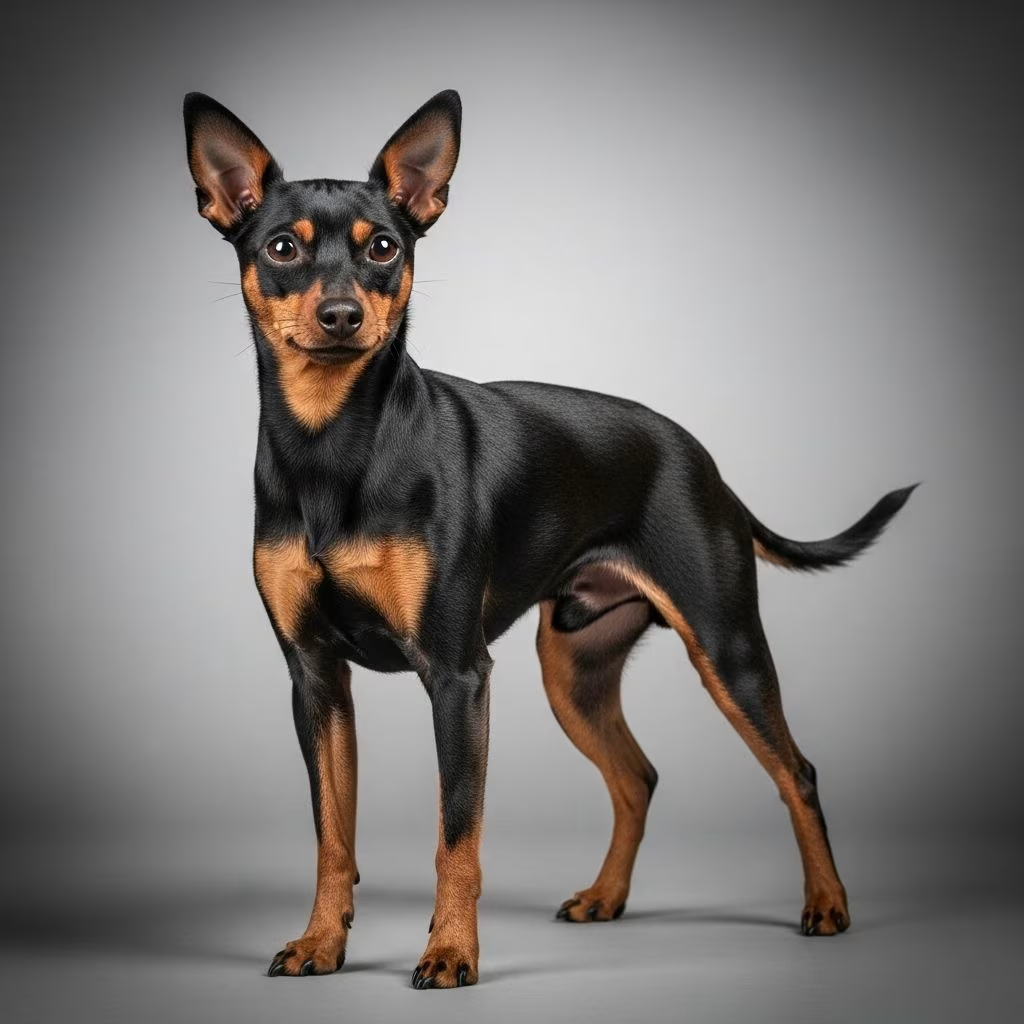
Weighing no more than 12 pounds and standing between 10 to 12 inches tall, these compact dogs pack tremendous personality into a small frame. Their glossy black-and-tan coat, naturally erect candle flame ears, and alert expression create a striking silhouette that turns heads wherever they go. Despite their diminutive size, Toy Manchester Terriers retain the authentic terrier instinct for hunting vermin, making them far more than just decorative lap dogs.
Origins and Historical Background
The Manchester Terrier may well be one of the oldest terrier breeds, with roots stretching back to the British Isles and direct descent from the now-extinct Black-and-Tan Terrier. The modern Manchester Terrier was developed in nineteenth-century Manchester, England, by a gentleman named John Hulme, who sought to create the ultimate rat-hunting dog for the industrial city. During this era, rat-infested warehouses and docks created serious health hazards, and skilled ratting dogs were invaluable.
Hulme’s breeding program crossed the tough Black and Tan Terrier with the swift Whippet, potentially incorporating Italian Greyhound and Dachshund bloodlines to enhance speed, power, stamina, and courage. This careful selection resulted in a dog that combined the terrier’s tenacity with the sighthound’s grace and agility. The Manchester Terrier quickly earned a reputation as the best vermin-hunting breed of its time—a legendary Manchester Terrier named Billy reportedly dispatched 100 rats in merely six minutes and 13 seconds during a British contest.
The Toy variety emerged during Queen Victoria’s reign, when miniaturization became fashionable among the aristocracy. Victorian breeders worked to create ever-smaller versions of the Manchester, with some specimens weighing as little as 2.5 pounds. While such extreme miniaturization is no longer pursued, the Toy Manchester Terrier remains a distinct size variety, differing from the Standard Manchester primarily in weight and ear type.
Interestingly, the Manchester Terrier even found its way into popular culture. The lively dog featured in the classic cartoon strip “Maggie and Jiggs” was a caricature of the Toy Manchester Terrier, bringing the breed’s spirited personality to readers worldwide.
Physical Characteristics and Appearance
The Toy Manchester Terrier possesses a refined, racy build that speaks to both its terrier heritage and sighthound ancestry. Every aspect of this breed’s physical structure reflects functionality combined with elegance.
Body Structure: The Toy Manchester presents a sleek, compact, and muscular body that is long in proportion to its height. The slightly arched back, known as a roached topline, reveals the breed’s Whippet heritage and contributes to its distinctive profile. Despite weighing under 12 pounds, these dogs possess surprising substance and should never appear fragile or overly delicate.
Head and Expression: The head is long, narrow, and tapering, with a wedge-shaped appearance that gives the breed its keen, intelligent expression. Small, dark, almond-shaped eyes sparkle with alertness and curiosity. Characteristic tan spots appear above each eye, creating what fanciers call “rosettes”—one of the breed’s most distinctive features. The nose is black, and the teeth should form either a scissors or level bite.
Ears: Perhaps the most defining characteristic of the Toy variety is ear type. Toy Manchester Terriers must have naturally erect ears shaped like candle flames, and ear cropping is not permitted in this variety. This differs from the Standard Manchester Terrier, which may have naturally erect, cropped, or button ears. The requirement for natural ears in Toys has been a breed hallmark for generations and contributes significantly to their alert, attentive expression.
Coat and Color: The Manchester Terrier’s coat is smooth, short, and glossy, lying close to the body. The color pattern is invariably jet black with rich mahogany tan markings in specific locations. Tan markings appear on the muzzle, over the eyes, on the chest, legs, and beneath the tail. The precise placement of these markings follows a consistent pattern across all Manchester Terriers, creating the breed’s signature appearance. The coat requires minimal grooming while maintaining its lustrous sheen.
Movement: When in motion, the Toy Manchester Terrier demonstrates effortless, free-flowing gait. The movement should be smooth and agile, reflecting the breed’s ratting heritage and athletic capability. Despite their small stature, these dogs can achieve impressive speeds and display remarkable agility.
Temperament and Personality Traits
The Toy Manchester Terrier personality combines contradictions in the most delightful way. Often called “The Gentleman’s Terrier,” this breed displays sophisticated habits and a tendency toward cleanliness while retaining authentic terrier fire.
Intelligence and Trainability: Manchester Terriers rank among the most intelligent toy breeds. They are bright, keenly observant, and quick learners who excel in many canine sports including conformation, obedience, agility, and rally. Their sharp minds require mental stimulation, and they thrive when given tasks or training challenges. However, their intelligence comes with an independent streak—they think for themselves and may question commands that seem unreasonable to their terrier sensibilities.
Family Relationships: Within the family unit, Toy Manchester Terriers are affectionate, loyal, and devoted companions. They bond quickly with people and actively demand attention and affection. Many owners describe them as “velcro dogs” who prefer to remain close to their favorite humans. They typically get along well with children, especially when raised together, though their small size means interactions with very young children should be supervised to prevent accidental injury to the dog.
Sensitivity: The Toy Manchester ranks among the most sensitive and gentle of terrier breeds. They are attuned to their owner’s emotions and respond poorly to harsh training methods or raised voices. Positive reinforcement techniques work best with this breed, as they are eager to please when approached with patience and consistency.
Hunting Instincts: Despite generations of breeding as companions, the Toy Manchester Terrier retains strong vermin-hunting instincts. They may chase small animals, including cats and pocket pets, if not properly socialized. Their ratting heritage means they possess quick reflexes and will pursue anything that moves rapidly. Many modern Toy Manchesters still demonstrate enthusiasm for hunting games and enjoy activities that channel their natural prey drive.
Watchdog Abilities: These small dogs possess impressive watchdog capabilities. Alert and naturally suspicious of strangers, they will announce visitors with a surprisingly loud bark. While reserved or sometimes timid with unknown people, they warm up gradually once they determine someone poses no threat to their family or territory.
Social Nature: The Toy Manchester is playful and clownish with family members but may display wariness around strangers. Early socialization helps ensure they develop into confident, well-adjusted adults. Without proper socialization, some individuals may become overly suspicious or reactive in new situations.
Exercise and Activity Requirements
The Toy Manchester Terrier’s exercise needs reflect its dual nature as both athletic terrier and refined companion. These dogs possess remarkable versatility—they will happily accompany owners on trail hikes or curl up under a blanket for television time.
Daily exercise remains important for maintaining physical and mental health. A simple walk or perhaps a two-mile slow jog suits most Toy Manchesters perfectly. Their small size means they don’t require marathon exercise sessions, but they do need regular opportunities to stretch their legs and engage their minds. Indoor play sessions, interactive toys, and training games provide excellent mental stimulation.
The breed’s athletic abilities make them naturals for dog sports. Their agility, speed, and intelligence allow them to excel in activities like agility courses, rally obedience, and even earthdog trials. Many owners find that participating in organized canine sports provides ideal outlets for their Manchester’s energy while strengthening the human-dog bond.
The Manchester Terrier is described as a terrier with an “off” button—they can be active and energetic when opportunities arise but are equally content to relax quietly at home. This adaptability makes them suitable for various living situations, from apartments to houses with yards.
Care and Maintenance
Grooming: One of the Toy Manchester Terrier’s greatest practical advantages is minimal grooming requirements. The short, smooth coat requires almost no maintenance. Weekly brushing with a soft bristle brush or grooming mitt removes loose hair and distributes natural oils, maintaining the coat’s characteristic shine. These dogs are naturally clean and rarely develop the “doggy odor” common in some breeds.
Bathing should occur only when necessary, as frequent bathing can strip natural oils from the coat. Most Toy Manchesters stay remarkably clean with minimal intervention. Regular nail trimming, ear cleaning, and dental care complete the grooming routine.
Health Considerations: Generally healthy and long-lived, Toy Manchester Terriers typically enjoy lifespans of 14 to 17 years. However, like all purebred dogs, they may be susceptible to certain health conditions. Responsible breeders screen for genetic issues and work to produce healthy puppies. Prospective owners should inquire about health testing and request documentation of clear results.
Small breeds like the Toy Manchester can be prone to dental problems, making regular dental care essential. Daily tooth brushing and annual professional cleanings help maintain oral health throughout the dog’s life.
Nutrition: Proper nutrition supports the Toy Manchester’s health and vitality. High-quality dog food appropriate for the dog’s age, size, and activity level provides necessary nutrients. Small breed formulas often work well, as they are designed for smaller mouths and higher metabolic rates. Portion control is important—obesity can lead to serious health problems in any dog but is especially problematic for small breeds.
Breed Variations and Standards
The relationship between Toy and Standard Manchester Terriers merits understanding for anyone interested in the breed. The American Kennel Club considers them one breed with two varieties, differing only in weight and ear type.
Weight distinctions are strictly defined: Dogs weighing 12 pounds or under must compete as Toys, while those weighing over 12 pounds but not exceeding 22 pounds compete as Standards. If a dog begins showing in the Toy variety but later exceeds 12 pounds, it must move to the Standard variety, though all awards and titles carry over.
Exhibition differences exist between the varieties: Standards show in the Terrier Group, while Toys compete in the Toy Group. At most AKC conformation events, the varieties compete separately for “Best of Variety” rather than “Best of Breed.” Only at standalone specialties may winners from each variety compete against each other for Best of Breed.
Registration and breeding practices reflect the unified breed concept: All dogs are registered simply as “Manchester Terrier” with no variety indication on papers. Breeding between Toy and Standard varieties is permitted, and both size varieties can appear in the same litter. The final adult weight of puppies may not correspond to the variety classification of their parents.
This flexibility sometimes generates debate among breed enthusiasts. Some fanciers argue that decades of selective breeding for one variety over the other have created genetic differences significant enough to warrant breed separation. Others maintain that interbreeding between varieties preserves genetic diversity and honors the breed’s unified heritage. The discussion continues within the breed community, though the AKC’s official stance remains that Manchester Terriers constitute a single breed.
Living with a Toy Manchester Terrier
Prospective owners should carefully consider whether the Toy Manchester Terrier suits their lifestyle and expectations. These dogs thrive in homes where they receive attention, mental stimulation, and opportunities for both activity and companionship.
Ideal Home Environment: Toy Manchester Terriers adapt well to various living situations. Their small size makes them suitable for apartment living, provided they receive adequate exercise and mental enrichment. They appreciate access to secure outdoor spaces but don’t require large yards. Climate considerations matter—with their short, thin coats, Manchester Terriers are sensitive to cold weather and may need protective clothing during winter months.
Training Approach: Positive reinforcement methods work best with this intelligent, sensitive breed. They respond enthusiastically to reward-based training and enjoy the mental challenge of learning new behaviors. Consistency and patience are essential, as is avoiding harsh corrections that can damage the trust between dog and owner.
Socialization Needs: Early, ongoing socialization helps Toy Manchester Terriers develop confidence and appropriate social skills. Exposure to various people, animals, environments, and situations during the critical socialization period (roughly 3 to 14 weeks of age) lays the foundation for a well-adjusted adult dog. Puppy kindergarten classes provide excellent socialization opportunities while teaching basic obedience.
Compatibility Considerations: Toy Manchester Terriers generally do well in homes with older, respectful children who understand how to interact gently with small dogs. Their compatibility with other pets varies—they may coexist peacefully with dogs and cats raised alongside them but might view smaller pets as prey. Each dog’s temperament and socialization history influences their ability to live harmoniously with other animals.
Finding a Toy Manchester Terrier
Those interested in adding a Toy Manchester Terrier to their family have several options for finding a dog. The most important consideration is working with responsible sources that prioritize health, temperament, and breed preservation.
Reputable Breeders: Quality breeders conduct health testing on breeding stock, provide proper socialization for puppies, offer health guarantees, and remain available as resources throughout the dog’s life. They ask prospective buyers questions to ensure good matches and willingly share information about their breeding program. The American Kennel Club and breed-specific clubs can provide referrals to responsible breeders.
Rescue Organizations: Breed-specific rescues occasionally have Toy Manchester Terriers and Manchester Terrier mixes available for adoption. Adult dogs from rescue organizations often come with known temperaments and may already have basic training. Rescue can be a rewarding way to provide a home for a dog in need.
Research and Preparation: Before acquiring any dog, prospective owners should thoroughly research the breed, honestly assess their ability to meet the dog’s needs, and prepare their home for a new arrival. Understanding the Toy Manchester Terrier’s characteristics, care requirements, and potential challenges helps ensure successful, lasting placements.
Frequently Asked Questions
Q: Are Toy Manchester Terriers good apartment dogs?
A: Yes, Toy Manchester Terriers adapt well to apartment living due to their small size and moderate exercise needs. They require daily walks and mental stimulation but don’t need large yards. Their tendency to bark when alerting to visitors should be considered in close living quarters.
Q: Do Toy Manchester Terriers get along with cats?
A: Toy Manchester Terriers can coexist with cats, especially when raised together from puppyhood. However, their strong prey drive means they may chase small, fast-moving animals. Proper socialization and supervision are essential for successful multi-pet households.
Q: How much grooming does a Toy Manchester Terrier require?
A: Grooming requirements are minimal. Their short, smooth coat needs only weekly brushing to maintain shine and remove loose hair. They rarely need baths and are naturally clean dogs. Regular nail trimming, ear cleaning, and dental care complete the routine.
Q: Are Toy Manchester Terriers difficult to train?
A: Toy Manchester Terriers are intelligent and generally easy to train using positive reinforcement methods. They learn quickly and enjoy mental challenges. Their sensitivity means they don’t respond well to harsh corrections. Consistency and patience yield excellent results.
Q: What is the difference between Toy and Standard Manchester Terriers?
A: The primary differences are weight and ear type. Toy Manchester Terriers weigh 12 pounds or less and must have naturally erect ears. Standard Manchester Terriers weigh 12 to 22 pounds and may have naturally erect, button, or cropped ears. Both varieties share the same breed standard otherwise.
Q: How long do Toy Manchester Terriers typically live?
A: Toy Manchester Terriers typically enjoy lifespans of 14 to 17 years when provided with proper care, nutrition, and veterinary attention. Their longevity makes them long-term companions requiring commitment from owners.
Q: Do Toy Manchester Terriers bark frequently?
A: Toy Manchester Terriers are alert watchdogs and will bark to announce visitors or unusual activities. They possess surprisingly loud barks for their size. With proper training, excessive barking can be managed, though their natural vigilance remains part of their terrier heritage.
Q: Can Toy Manchester Terriers tolerate cold weather?
A: No, Toy Manchester Terriers are sensitive to cold due to their short, thin coats and small body size. They require protective clothing such as sweaters or coats during cold weather and should not be left outside in low temperatures. They are best suited to temperate climates or indoor living with brief outdoor excursions in winter.
The Toy Manchester Terrier represents a unique combination of elegance, intelligence, and terrier spirit packed into a compact, manageable size. Whether serving as devoted companion, agile athlete, or vigilant watchdog, this breed brings tremendous personality and loyalty to the families fortunate enough to share their lives with them. For those seeking a small dog with authentic terrier character and refined manners, the Toy Manchester Terrier stands as an exceptional choice worthy of serious consideration.
References
- https://www.akc.org/dog-breeds/manchester-terrier-toy/
- https://www.akc.org/dog-breeds/manchester-terrier-toy/pictures/
- https://www.akc.org/dog-breeds/manchester-terrier-standard/
- https://georgiapuppiesfromheaven.com/breed-info/toy/manterto/
- https://www.petmd.com/dog/breeds/c_dg_toy_manchester_terrier
- https://kokopellivet.net/breed/manchester-terrier/
- https://www.maximaldog.com/about-manchester-terriers/
- https://www.wisdompanel.com/en-us/dog-breeds/manchester-terrier-standard-toy
- https://vcahospitals.com/know-your-pet/manchester-terrier