The Russian Tsvetnaya Bolonka is a delightful small companion dog that has captured the hearts of dog enthusiasts worldwide. Developed specifically to be the ultimate house pet, this charming breed combines a sweet temperament with an adorable appearance and practical hypoallergenic qualities. Whether you’re considering adding a Bolonka to your family or simply want to learn more about this fascinating Russian breed, this comprehensive guide covers everything you need to know about these remarkable little dogs.
Breed Overview and History
The Russian Tsvetnaya Bolonka, often simply called Bolonka (with Bolonki being the plural form), represents a unique chapter in canine breeding history. Developed in Russia during a time when resources were scarce, these dogs were specifically bred to be companion animals that could thrive in apartment settings. The breed’s name translates to “Russian Colored Lap Dog,” which perfectly describes their primary purpose and appearance.
Interestingly, the earliest Bolonki were exclusively black in color. This wasn’t merely an aesthetic choice but a practical one—black coats helped hide dirt during an era when dog shampoo was scarce and bathing opportunities were limited. Today, the breed standard has evolved to embrace a wide variety of colors, though white remains the only prohibited solid color for the Tsvetnaya Bolonka variety.
Physical Characteristics and Appearance
The Russian Tsvetnaya Bolonka presents a distinctive and charming appearance that sets it apart from other toy breeds. These small dogs are carefully bred to maintain specific physical characteristics that define the breed standard.
Size and Proportion
Bolonki are truly small dogs, with a height ranging from 18 to 27 centimeters at the withers, or up to approximately 10.25 inches. The breed standard is quite specific about size, with heights exceeding 11 inches being a disqualification. The ideal weight for both males and females falls between 7 to 9 pounds, though some individuals may range from 2 to 5 kilograms depending on their specific build.
The body structure of the Bolonka is described as slightly longer than tall, creating an almost square silhouette. This proportion should not exceed 15% longer than the height at the withers, measured from the point of shoulder to the ischium. Despite their small size, these dogs are moderately boned and should never appear fine-boned or fragile. This sturdy build contributes to their overall balanced and compact appearance.
Coat and Color Variations
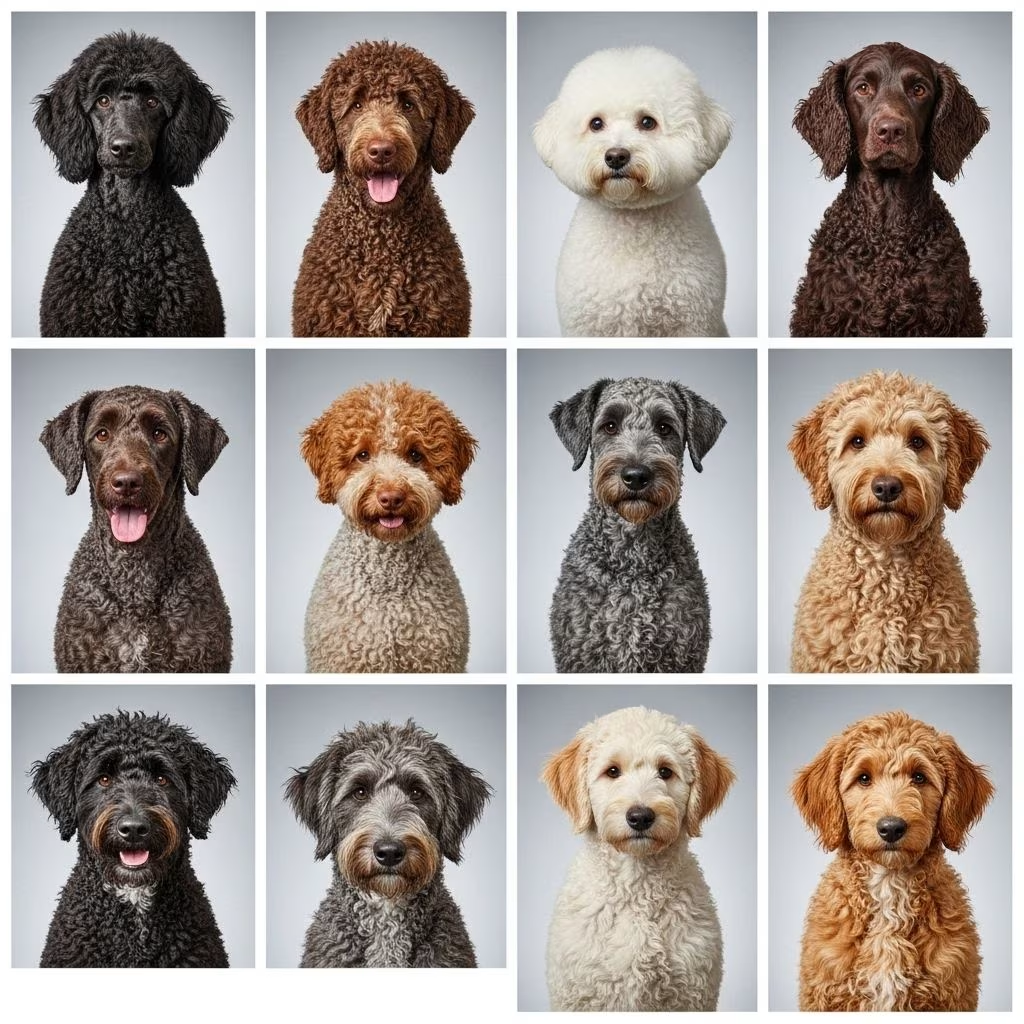
One of the most distinctive features of the Russian Tsvetnaya Bolonka is its luxurious double coat. The undercoat is well-developed, providing insulation and body, while the outer coat is dense, thick, and remarkably soft to the touch. The coat forms large, beautiful curls that fall naturally, creating the breed’s characteristic disheveled yet elegant appearance.
The breed standard requires all Bolonki to have beards and mustaches, with males typically displaying more pronounced facial furnishings than females. The hair on top of their heads often grows long enough to require fashionable bows or clips to keep it out of their eyes—a practical solution that has become part of the breed’s signature look.
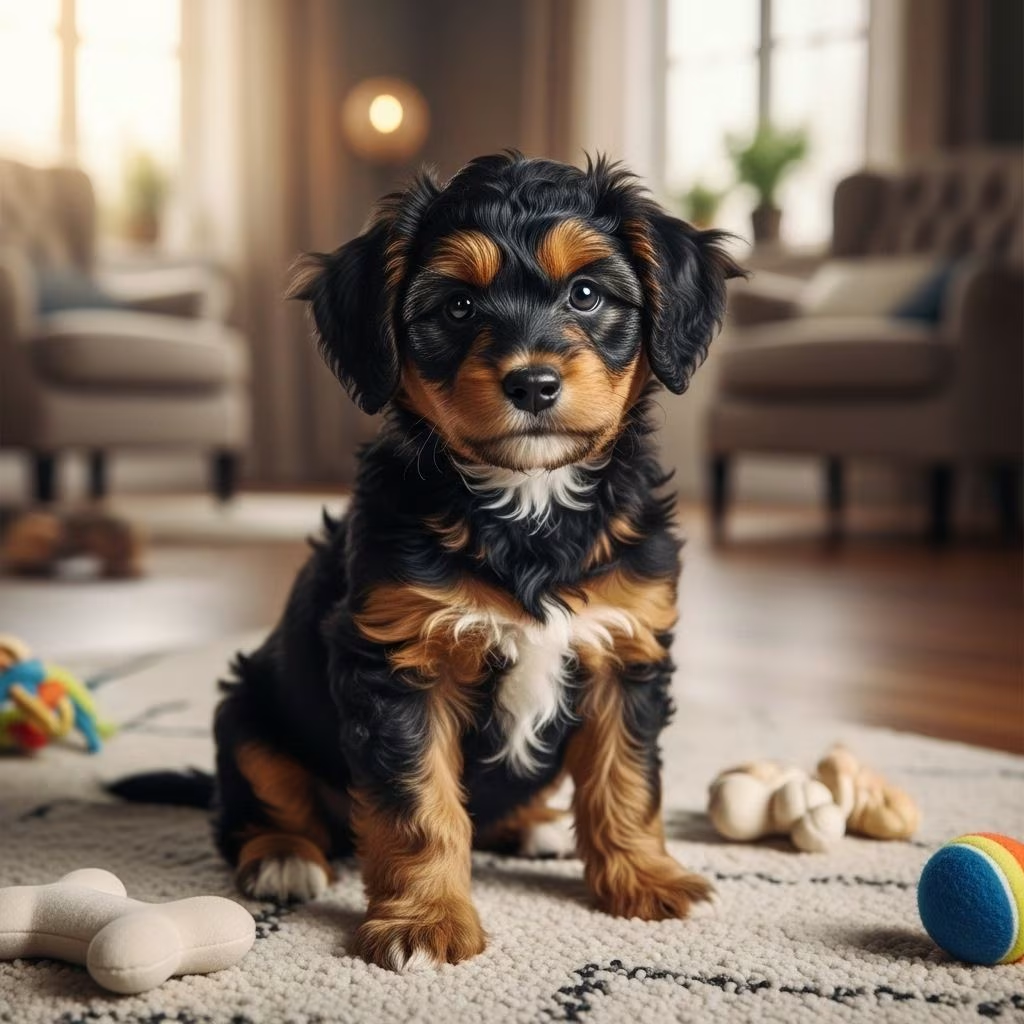
Color variety is one of the breed’s most appealing features. While initially only black, the current breed standard permits all colors except solid white, though white markings on the toes and chest are acceptable. Common colors include black, brown, gray, red, and wolf-gray, often accompanied by fawn, silver, and tan markings. Black and brown remain among the most popular color choices. The breed standard explicitly disqualifies parti-color, merle patterns, or any dog with spots or markings beyond those mentioned as acceptable.
Head and Facial Features
The Bolonka head is proportionate to the body and features several distinctive characteristics. The skull is slightly prominent and rounded, with a well-defined stop that creates the breed’s sweet, alert, and intelligent expression. The muzzle is relatively short, comprising slightly more than one-third of the total head length, and tapers gently toward the nose.
The eyes are medium-sized, rounded, and set on the frontal plane, creating the breed’s characteristic forward-facing gaze. Eye color is typically dark brown, though lighter brown shades are permitted in dogs with brown, fawn, or cream coats. Blue or partially blue eyes constitute a disqualification. The eye rims are either black or match the coat color, contributing to the overall harmonious appearance.
The ears are moderate in size, V-shaped with slightly rounded tips, and set moderately high on the skull. They lay close to the head and are carried in a dropped position, though they lift at the base when the dog is alert. The nose is small and vertical in profile with well-opened nostrils. Nose color is either solid black or matches the coat color, with all shades of solid brown pigmentation allowed in brown dogs. A spotted or flesh-colored nose is a breed disqualification.
Body Structure and Movement
The Bolonka possesses a compact body with a broad, well-muscled back, deep chest, and short, level loins. This solid construction provides the foundation for the breed’s graceful movement. The medium-length tail is set high and carried either over the back or off to the side, with the ideal being that the tip touches the back. A missing or docked tail is a disqualification, as the natural tail is integral to the breed’s overall balance and silhouette.
When in motion, the Bolonka moves with surprising grace for such a small dog. The gait is fluid and balanced, reflecting the breed’s overall sound construction and moderate bone structure.
Temperament and Personality
The Russian Tsvetnaya Bolonka was specifically developed to be a companion animal, and this purpose shines through in every aspect of their personality. These dogs are characterized by their sweet, even-tempered nature and remarkable adaptability to various living situations.
Family Dynamics
Bolonki are exceptionally affectionate with their families, forming strong bonds with all household members. Their small size and spirited yet easygoing personalities make them particularly beloved by children, and the feeling is mutual—Bolonki genuinely love spending time with younger family members. However, as with any small breed, supervision during interactions with very young children is recommended to ensure safe play for both the child and the dog.
What sets the Bolonka apart from many other toy breeds is their friendly attitude toward strangers. Rather than being reserved or suspicious, these charming dogs have an innate ability to turn strangers into friends. Many people unfamiliar with the breed quickly become enthusiastic fans after meeting a well-socialized Bolonka.
Intelligence and Trainability
The breed is notably intelligent and eager to please, traits that make training relatively straightforward. Bolonki are quick learners who respond well to positive reinforcement methods. Their intelligence extends beyond simple command learning—these dogs are remarkably adaptable and can adjust to many different situations and environments.
This adaptability makes them excellent candidates for apartment living, a quality that was intentionally bred into the line given their Russian origins and the housing situations common in their native country. They can thrive in various living arrangements, from small city apartments to larger suburban homes, as long as they receive adequate attention and companionship.
Vocalization and Alertness
While Bolonki are naturally alert and will notify their owners if something seems amiss, they are not inherently vocal dogs. This characteristic makes them particularly well-suited to apartment living where excessive barking could be problematic. With proper training, they learn appropriate times to vocalize and generally maintain a peaceful household presence.
The breed standard explicitly states that Bolonki should be even-tempered, friendly to all, and should never display shyness or aggression of any kind. Any sign of aggression is considered a serious fault and is contrary to the breed’s fundamental character.
Care Requirements and Maintenance
The Russian Tsvetnaya Bolonka requires regular grooming and care to maintain their health and distinctive appearance. Understanding these requirements is essential for anyone considering adding a Bolonka to their family.
Grooming Needs
Daily brushing of the coat is necessary to prevent matting, which can occur easily given the soft, curly nature of the Bolonka’s coat. If the coat becomes severely matted, it can lead to skin issues, including hematomas, making preventive grooming essential rather than optional.
Like other Bichon-type breeds, Russian Tsvetnaya Bolonki do not shed, which contributes to their reputation as hypoallergenic dogs. However, it’s important to understand that no dog is completely hypoallergenic. The term means that breeds which don’t shed are more likely to be suitable for people with allergies because the dog’s dander and saliva stick to the hair rather than being released into the environment.
The frequent trimming, brushing, and bathing required to keep a Bolonka looking their best actually helps remove loose hair and dander while controlling saliva exposure. Individual reactions can vary significantly, and how hypoallergenic a particular dog is for a specific person depends on both the individual dog and the person’s particular allergies.
Exercise and Activity Needs
While Bolonki are energetic and playful, their small size means their exercise requirements are moderate and can typically be met with indoor play and short walks. They enjoy activities and adventures but are equally content being cozy companions for quieter moments. This versatility makes them suitable for various lifestyles and owner activity levels.
Health Considerations
The Russian Tsvetnaya Bolonka is generally a healthy breed when obtained from responsible breeders who conduct appropriate health testing. Their moderate bone structure and balanced build contribute to overall soundness. Potential owners should seek breeders who prioritize health and temperament in their breeding programs.
Breed Standard Disqualifications
Understanding what constitutes a disqualification helps appreciate the breed standard and what defines a true Russian Tsvetnaya Bolonka. The following are specific disqualifications according to the breed standard:
Height: Dogs with withers height over 11 inches are disqualified, as this exceeds the breed’s toy classification limits.
Eye Color: Blue or partially blue eyes are disqualified, as they are not consistent with the breed’s genetic makeup and desired appearance.
Nose Pigmentation: A spotted or flesh-colored nose is disqualified, as proper pigmentation is essential to breed type.
Bite: An overshot bite or wry mouth represents a disqualification, though scissors bite is preferred and level bite or slightly undershot bite is tolerated.
Tail: A missing or docked tail is disqualified, as the natural tail is integral to breed type and balance.
Facial Furnishings: Complete lack of beard and mustache is disqualified, as these features are distinctive breed characteristics.
Coat Color: Any spots or markings beyond those specified, solid white coloring, parti-color patterns, or merle coat colors are disqualified.
Why Choose a Russian Tsvetnaya Bolonka
The Russian Tsvetnaya Bolonka offers a unique combination of qualities that make them exceptional companion animals. Their small size makes them practical for various living situations, while their sturdy build ensures they’re not overly fragile. The hypoallergenic qualities of their non-shedding coat make them accessible to many people who might otherwise be unable to own a dog due to allergies.
Their temperament represents perhaps their greatest asset. Sweet, loving, intelligent, and willing to please, Bolonki embody the ideal companion dog personality. They’re friendly to everyone they meet yet devoted to their families, small enough to accompany owners almost anywhere yet sturdy enough for active play, and beautiful to look at while remaining practical and low-maintenance in terms of space requirements.
For individuals or families seeking a small companion dog with a big heart, the Russian Tsvetnaya Bolonka deserves serious consideration. Their adaptability, affectionate nature, and charming appearance make them suitable for first-time dog owners and experienced handlers alike. Whether you live in a small apartment or a spacious home, whether you’re active or prefer quieter pursuits, a Bolonka can adapt to your lifestyle while enriching your daily life with their loving presence.
Frequently Asked Questions
Q: Are Russian Tsvetnaya Bolonkas truly hypoallergenic?
A: While no dog is completely hypoallergenic, Bolonki are considered suitable for many people with allergies because they don’t shed. Their dander and saliva remain attached to their hair rather than being released into the environment. Regular grooming, including frequent brushing and bathing, further reduces allergen exposure. However, individual reactions vary, and people with allergies should spend time with the breed before committing to ownership.
Q: How much grooming does a Bolonka require?
A: Bolonki require daily brushing to prevent their soft, curly coat from matting. They also need regular bathing and trimming to maintain their appearance and health. Professional grooming every 6-8 weeks is typically recommended, along with daily at-home maintenance. The beard and mustache require particular attention to keep clean and tangle-free.
Q: Are Bolonkas good with children and other pets?
A: Yes, Bolonki are excellent with children and typically friendly toward other pets. Their small size and spirited yet easygoing personalities make them beloved by children, and they genuinely enjoy spending time with younger family members. They’re also friendly toward strangers and other animals, making them versatile family companions. However, supervision with very young children is recommended to ensure safe interactions.
Q: Can Russian Tsvetnaya Bolonkas live in apartments?
A: Absolutely. Bolonki were specifically developed to thrive in apartment settings. Their small size, moderate exercise needs, and relatively quiet nature make them ideal apartment dogs. They’re not excessive barkers when properly trained, and their exercise requirements can typically be met with indoor play and short walks.
Q: What is the difference between Russian Tsvetnaya Bolonka and other Bolonka varieties?
A: The Tsvetnaya Bolonka refers to the colored variety of the breed, which can be black, brown, gray, red, wolf-gray, or combinations with fawn, silver, and tan markings. The Franzuskaya Bolonka is the white variety. The breed standard for Tsvetnaya Bolonka specifically excludes solid white coloring, though white markings on toes and chest are permitted.
Q: How much exercise does a Bolonka need daily?
A: Bolonki have moderate exercise needs that can typically be met with 20-30 minutes of daily activity, including short walks and indoor play sessions. They’re energetic and playful but don’t require extensive exercise routines. Their small size means they can get substantial exercise even in indoor spaces, making them practical for various lifestyles.
Q: What should I look for when choosing a Bolonka breeder?
A: Seek breeders who prioritize health testing, temperament, and adherence to breed standards. Responsible breeders should provide health clearances, allow you to meet parent dogs, raise puppies in home environments, and be knowledgeable about the breed standard including proper size, coat quality, and temperament characteristics. They should also screen potential buyers to ensure good matches between puppies and families.
References
- https://www.wisdompanel.com/en-us/dog-breeds/russian-tsvetnaya-bolonka
- https://en.wikipedia.org/wiki/Bolonka
- https://dogtime.com/dog-breeds/russian-tsvetnaya-bolonka
- https://www.rtbca.com/russian-tsvetnaya-bolonka-breed-standard/
- https://wagwalking.com/breed/russian-tsvetnaya-bolonka
- https://embarkvet.com/resources/dog-breeds/russian-tsvetnaya-bolonka/
- https://showsightmagazine.com/what-makes-a-bolonka-a-bolonka/
- https://pinklotuskennels.com/akc-standard%2Fhistory
- https://www.russianbolonkapuppies.com/russian-bolonka-temperament-testing.html