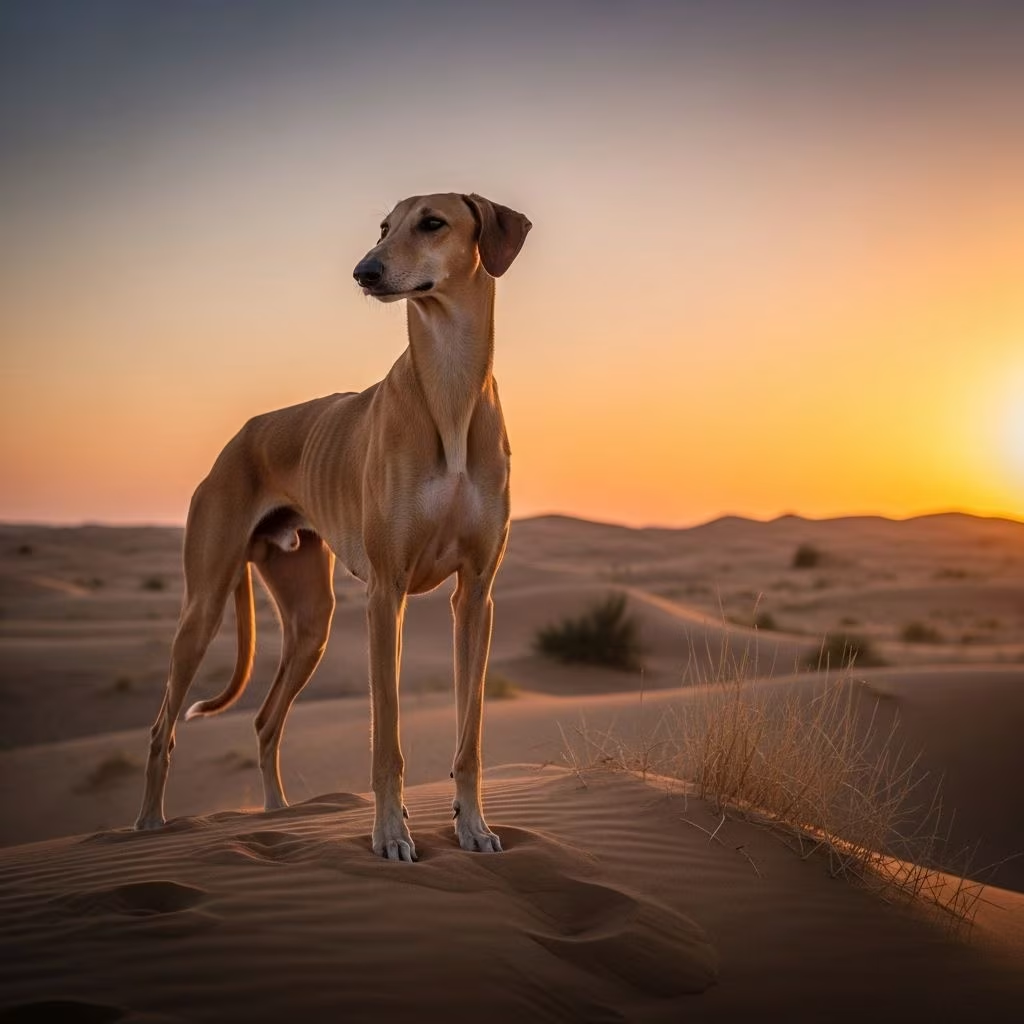
The Sloughi, sometimes referred to as the Arabian Greyhound, is a rare and graceful sighthound breed with deep roots in North Africa. Cherished by the Berber and Bedouin peoples for its hunting prowess and sensitive loyalty, the Sloughi remains both an athletic working dog and a devoted family companion.
Breed Overview
- Group: Hound
- Origin: North Africa (primarily Algeria, Morocco, Tunisia, Libya)
- Height: Males 26–29 in (66–74 cm); Females 24–27 in (61–69 cm)
- Weight: 35–65 lbs (16–29.5 kg)
- Coat: Short, smooth, fine
- Colors: Light sand to mahogany red fawn; may be brindled or have black markings
- Lifespan: 10–16 years
- Temperament: Loyal, reserved, affectionate, sensitive, athletic
- Purpose: Hunting, companionship
History and Origins
The Sloughi’s roots can be traced to ancient North Africa, with evidence dating as far back as 7000–8000 BCE. Archaeologists have discovered Neolithic rock art and Egyptian tomb paintings depicting sleek, slender dogs resembling the modern Sloughi, indicating the breed’s longstanding partnership with humans. Traditionally, the Sloughi was bred by Berber and Bedouin tribes who valued its speed and agility for hunting game over arid deserts, plains, and rugged mountains. The breed was vital for hunting a diverse range of prey, from gazelles and hares to wild boar and jackals, showcasing its extraordinary endurance across challenging terrain.
Though often compared with both the Saluki and Greyhound due to physical similarities, the Sloughi is recognized as a distinct breed, refined over generations in North Africa. Morocco, in particular, has played a significant role in standardizing the breed.
Physical Appearance
The Sloughi embodies a unique combination of elegance, athleticism, and austerity. Its appearance is marked by:
- Body: Medium to large, lean yet muscular, with neither excess nor exaggeration. The outline is almost rectangular in males and slightly longer in females.
- Head: Long and wedge-shaped, narrowing gracefully from a broad skull to refined jaws. The head displays understated aristocracy.
- Eyes: Large, dark, oval to almond-shaped, exuding a gentle, sometimes soulful expression.
- Coat: Always short, smooth, and fine to the touch, without feathering. Coat color ranges from pale sand to rich mahogany fawn, sometimes featuring black or brindle markings, a black mask, or black ears. Prominent white markings are undesirable, but small white patches on chest or toes are permissible.
- Legs and Gait: Long, straight, and well-muscled legs contribute to its remarkable speed and ground-covering, effortless stride.
Temperament and Personality
The Sloughi is known for its blend of dignity, sensitivity, and devotion:
- Loyalty: Deeply bonded with its family, forming close attachments and displaying affectionate, gentle behavior at home.
- Reserved Nature: Cautious, aloof, and discerning with strangers—traits developed to protect home and pack in harsh environments.
- Intelligence and Trainability: Intelligent and eager to please, though their independent streak and sensitivity require patient, reward-based training. Early socialization is crucial.
- Prey Drive: Strong sighthound instincts; the Sloughi will chase anything that moves, especially outdoors. Secure fencing and supervision are essential.
- Children and Other Pets: Generally gentle and tolerant, especially with respectful children. Their hunting background means caution is advisable with small pets.
Sloughi in North African Culture
For centuries, the Sloughi has been a revered companion and a valuable hunter among Berber and Bedouin peoples. They were often considered a family’s treasured asset, a symbol of pride, and sometimes even a subject of poetry. Their capacity to hunt efficiently in relentless terrains led to their nickname, the ” Arabian Greyhound .” Unlike many Western breeds, Sloughis were traditionally not bred for looks but for functional hunting ability, stamina, and loyalty.
Living with a Sloughi
Despite their regal appearance, Sloughis are affectionate and adaptable house dogs, provided their needs are met.
- Exercise: As a highly athletic sighthound, Sloughis require daily, vigorous physical activity. Long walks, secure off-leash runs, and mental stimulation are essential to their well-being. Without adequate exercise, they may become restless or anxious.
- Living Environment: Best suited to homes with access to a yard or safe, enclosed space. They can adapt to apartment life with sufficient outdoor activity, but a life of inactivity or confinement does not suit them.
- Grooming: Minimal—just occasional brushing to remove loose hair and basic hygiene. Their short coat rarely needs bathing and has little odor. Check ears, nails, and teeth regularly.
- Training: Positive reinforcement and a gentle hand are necessary. Rough handling can damage the breed’s trust.
Health and Care
The Sloughi is generally robust, but there are health considerations prospective owners should note:
- Lifespan: Typically 10–16 years, with some living even longer when properly cared for.
- Inherited Disorders:
- Progressive Retinal Atrophy (PRA): A genetic eye condition that can lead to blindness. Responsible breeders test for PRA and avoid affected dogs in breeding programs.
- Addison’s Disease: A hormonal imbalance that can affect some individuals, though it is rare.
- Allergies and Sensitivities: Sloughis may be sensitive to certain medications (including anesthesia and vaccines) and can have skin or food allergies.
- Hip Dysplasia: While not common, larger sighthound breeds can be affected.
- Bloat (Gastric Dilatation-Volvulus): As with many deep-chested breeds, Sloughis can experience bloat. Feed several small meals a day and avoid vigorous exercise right after eating.
- Veterinary Care: Always inform your veterinarian about the breed’s known sensitivities to anesthesia and medications.
Breed Standard
| Trait | Description |
|---|---|
| Size | Males: 26–29 in, 45–65 lbs; Females: 24–27 in, 35–50 lbs |
| Coat | Short, fine, smooth; no feathering |
| Color | Light sand, fawn, mahogany; may have brindling, black mask, black ears |
| Head | Long, wedge-shaped, refined |
| Temperament | Loyal, reserved, sensitive, athletic |
| Gait | Long-strided, supple, effortless |
Is the Sloughi Right for You?
The Sloughi requires a home that understands and respects its unique needs:
- You lead an active lifestyle and can provide daily exercise
- You appreciate a gentle, reserved companion dog
- You can offer secure spaces for free running, due to their prey drive
- You practice consistent positive training and early socialization
Although sometimes aloof with strangers, the Sloughi offers unwavering devotion to its family. Their relatively low grooming needs, combined with their athletic and gentle temperament, make them a distinctive and rewarding companion for the right household.
Frequently Asked Questions: Sloughi
Q: Are Sloughis good with children?
A: Yes, Sloughis are typically gentle and affectionate with calm, respectful children. Their sensitive nature means they may be uncomfortable with rough or unpredictable play, so supervision and gentle handling are crucial.
Q: Do Sloughis get along with other pets?
A: Sloughis can coexist with other dogs, particularly those raised with them. Due to their strong prey drive, homes with small pets (such as rabbits, rodents, or cats not raised with them) may experience chasing behavior.
Q: How much exercise does a Sloughi need?
A: Sloughis need vigorous daily exercise, combining leashed walks and safe, fenced running opportunities. Mental stimulation through training and scent games is also recommended.
Q: Are Sloughis easy to train?
A: Intelligent yet independent, Sloughis respond best to positive reinforcement, consistency, and patience. Harsh methods can break down their confidence and trust, so gentle leadership works best.
Q: What health problems are Sloughis prone to?
A: The breed is generally healthy but may be susceptible to progressive retinal atrophy, anesthesia sensitivity, allergies, Addison’s disease, and bloat.
Adoption and Breed Recognition
The first Sloughi was brought to the United States in 1973, but the breed remained rare until being accepted into the American Kennel Club’s Foundation Stock Service in 1997. Full AKC recognition followed in 2016, and today, the Sloughi can participate in conformation, agility, lure coursing, obedience, and tracking events.
If you are interested in welcoming a Sloughi into your home, choose a responsible breeder who screens for inherited health conditions. Rescue organizations and breed-specific groups can also assist in finding Sloughis in need of adoption.
Summary
The Sloughi is a rare gem among dog breeds: athletic, dignified, and deeply devoted to its family. For experienced owners who appreciate an ancient breed with both working heritage and gentle companionship, the Sloughi proves to be a loyal, elegant addition to the household.
References
- https://www.akc.org/expert-advice/lifestyle/sloughi-cherished-dog-north-africa/
- https://www.webmd.com/pets/dogs/what-to-know-sloughi
- https://en.wikipedia.org/wiki/Sloughi
- https://sloughi-international.com/about-sloughis/history-of-the-sloughi-in-the-u-s/
- https://articles.hepper.com/sloughi/
- https://www.wisdompanel.com/en-us/dog-breeds/sloughi
- https://www.akc.org/dog-breeds/sloughi/pictures/