Silky Terrier Dog Breed Information
The Silky Terrier is a lively, elegant toy breed with true terrier grit and charm. Originating from Australia, this breed seamlessly combines the elegance of a glamorous pet with the spirited drive of a working terrier. Despite their small size, Silky Terriers are robust, intelligent, and vigilant—making exceptional companions for families, city dwellers, and experienced owners who appreciate an active, affectionate pet.
Key Breed Facts
- Group: Toy (AKC classification)
- Origin: Australia
- Weight: 10–11 pounds
- Height: 9–10 inches at the shoulder
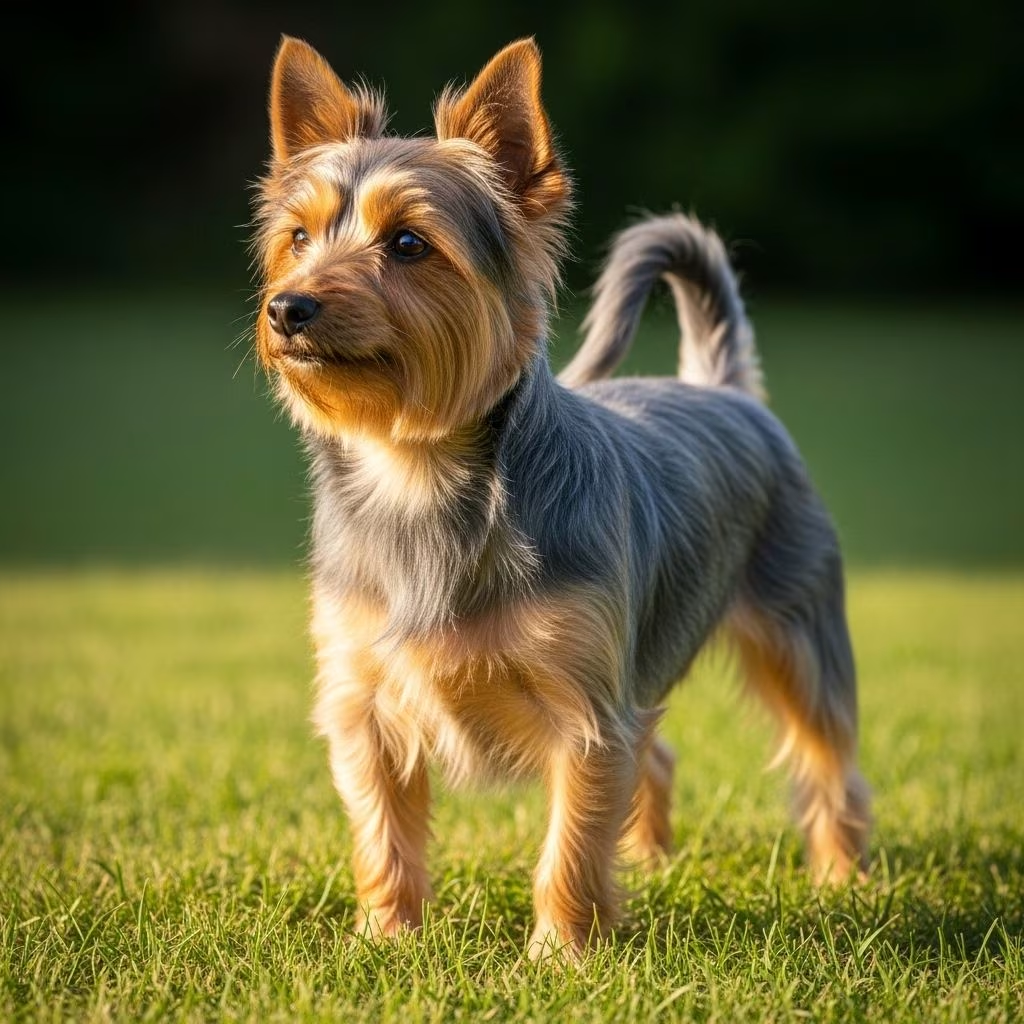
- Coat: Single, long, fine, silky; blue and tan coloration
- Lifespan: 13–17 years
History and Origin of the Silky Terrier
The Silky Terrier emerged in early 20th-century Australia through deliberate breeding between the Australian Terrier and the Yorkshire Terrier. The goal was to retain the sturdy body and vermin-hunting skills of the Australian Terrier, but with the glossy, flowing coat characteristic of the Yorkshire Terrier.
Initially known by various names—most notably the Sydney Silky Terrier and Australian Silky Terrier—the breed became recognized as the Silky Terrier in the United States. The AKC formally acknowledged the breed in 1959, placing it in the Toy Group, despite its fundamentally terrier personality and working dog ancestry.
American servicemen stationed in Australia during World War II played a significant role in introducing the Silky Terrier to the United States, leading to its growing popularity as a vivacious yet refined companion.
Physical Characteristics
Silky Terriers stand out due to their fine bone structure, yet possess muscular substance. They are slightly longer than tall, giving them an agile, athletic silhouette despite their diminutive size.
| Feature | Description |
|---|---|
| Head | Wedge-shaped, flat between ears, moderately long muzzle; keen, intelligent expression |
| Ears | Small, V-shaped, set high, carried erect |
| Eyes | Almond-shaped, dark, with an alert and inquisitive gaze |
| Coat | Single, straight, fine, and silky; falls flat along the body, parted along the spine |
| Color | Distinctive blue and tan; many shades of blue (silver blue, slate blue) permitted |
| Tail | Customarily docked, carried high |
| Feet | Small, compact, cat-like, indicative of breed agility |
Grooming and Coat Maintenance
- The Silky’s single coat requires regular brushing to remain glossy and tangle-free, but sheds very little.
- The coat should not reach the floor, and hair is parted down the center of the back.
- Occasional trimming of the feet and ears keeps the dog tidy.
- Regular bathing helps maintain the coat’s natural sheen and manageability.
Personality and Temperament
Despite their refined appearance, Silky Terriers are bold, curious, and spirited. True terriers at heart, they are alert and quick to investigate anything out of the ordinary—traits that once made them excellent ratting dogs in urban and rural Australia.
Owners admire their:
- Intelligence: Quick learners, often excelling at obedience and trick training when motivated by food or praise.
- Bravery: Will stand up to larger dogs if challenged, sometimes displaying an outsized sense of self-confidence.
- Loyalty: Form close bonds with family and can be protective of loved ones.
- Energy: Playful and spirited, requiring daily mental and physical enrichment.
- Sensitivity: Respond well to positive reinforcement and gentle handling but can become stubborn if treated harshly.
Note: Early socialization is essential to foster a well-mannered, confident Silky who is comfortable with new people, animals, and environments.
Living with a Silky Terrier
The breed’s compact size and moderate exercise needs make them excellent companions for apartment dwellers, singles, families with older children, and city residents. They are alert watchdogs who will bark at unfamiliar sounds but are affectionate with familiar faces.
Some key points for Silky Terrier households:
- Ideal for people who appreciate an interactive pet and can lead as the “alpha”—otherwise, Silkys may try to assert themselves as the pack leader.
- Best suited to families with considerate children; due to their robust temperament, they may be overwhelming for toddlers or mishandled by young kids.
- Generally get along well with other pets when raised together, but their strong prey drive means caution should be exercised around small animals.
- Can be wary of strangers but warm up quickly with appropriate introductions.
Activity and Exercise Requirements
- Daily walks and supervised playtime are important to prevent boredom and promote wellbeing.
- Dog sports such as agility, obedience, or rally can harness their intellect and athleticism.
- Enthusiastic about fetch, interactive toys, and puzzle games that stimulate their problem-solving abilities.
- Moderately active indoors—do not require a large yard but benefit from regular mental and physical stimulation.
Health and Lifespan
Silky Terriers are generally robust and enjoy a healthy lifespan of 13–17 years. Like all breeds, they can be predisposed to certain genetic and age-related health conditions.
- Common health concerns include:
- Patellar luxation (kneecap instability)
- Tracheal collapse
- Legg-Calvé-Perthes disease (affecting the hip joint)
- Dental issues—small breeds often develop tartar or gum disease
- Routine veterinary care, dental hygiene, balanced nutrition, and regular exercise are crucial for longevity and quality of life.
- The breed’s single coat helps minimize allergy risks and reduces excessive shedding.
Training and Socialization
Training a Silky Terrier requires patience, consistency, and the use of positive reinforcement. These dogs love attention and are food-motivated, making them responsive to treats and praise. However, their independent streak means training should begin early and remain interesting to avoid stubbornness.
Helpful training tips:
- Begin socialization during puppyhood with exposure to a variety of people, places, sounds, and situations.
- Use positive rewards and avoid harsh corrections—Silkys may become obstinate if handled too strictly.
- Crate training and basic obedience build manners, security, and confidence.
- Continue stimulating training throughout adulthood to prevent boredom-related mischief.
Grooming Guide
- Brush several times per week with a soft brush or comb to prevent tangling and maintain shine.
- Bathe every 3–4 weeks, or more often if needed, using mild canine shampoo.
- Trim or tidy hair around feet and ears as necessary.
- Check and clean ears regularly to avoid buildup of wax or debris.
- Brush teeth daily or use dental treats to help prevent tartar and gum disease.
Is a Silky Terrier Right for You?
The Silky Terrier is a joyful, loving, and lively companion for experienced dog owners who appreciate and understand terrier temperament. Ideal for active singles or families (with older children), Silkys thrive on daily engagement and affection.
| Suitability | Notes |
|---|---|
| Apartment Living | Excellent, if provided sufficient exercise |
| Novice Owners | Not ideal; best for those familiar with terrier breeds |
| Families with Children | Best with older, respectful children |
| Other Pets | Generally good; supervise small animals due to prey drive |
Five Fun Facts About the Silky Terrier
- Bred in Australia: Developed in Sydney from Yorkshire and Australian Terrier ancestors.
- City Suitability: Known for thriving in urban environments due to their adaptability and compact size.
- Rare Coat: The blue and tan single coat is unique and visually striking, requiring regular grooming but only light shedding.
- Name Changes: Internationally known as the Australian Silky Terrier but registered as the Silky Terrier with the AKC in the USA.
- True Terrier: Though placed in the Toy Group, their feisty, chase-driven nature is unmistakably terrier.
Frequently Asked Questions (FAQs)
Q: Are Silky Terriers good with children?
A: Silky Terriers are best with older, considerate children who understand how to respect a small but spirited dog. Their energetic nature can overwhelm toddlers, so interactive supervision is always recommended.
Q: How much exercise does a Silky Terrier need each day?
A: This breed needs daily walks, play sessions, and mental enrichment such as puzzle toys or obedience work. Though content in apartments, Silkys thrive on activity and attention.
Q: Do Silky Terriers shed much?
A: They have a single, silky coat that sheds minimally. Regular grooming will keep their fur healthy, shiny, and largely off the furniture.
Q: How trainable is the Silky Terrier?
A: Highly intelligent and eager for attention, Silkys respond well to consistent, positive reinforcement training, but do have a streak of independence that requires patience and engagement from their handlers.
Q: Are Silky Terriers good for first-time owners?
A: Their bold personality and need for clear boundaries make them better suited to owners familiar with terrier traits and needs.
Q: What is the lifespan of a Silky Terrier?
A: With good care, they typically live 13–17 years, making them a long-lived companion for the right family.
Q: Can they live with other pets?
A: When socialized from a young age, most Silkys get along well with other pets at home, although caution is needed around small rodents or birds due to their high prey drive.
Conclusion
The Silky Terrier is a charming, elegant breed combining the best of both the toy and terrier worlds. With its distinctive blue and tan silky coat, lively personality, and affectionate nature, the Silky Terrier stands out as a spirited companion perfect for attentive, active owners ready to embrace all the joys and challenges of this unique breed.
References
- https://www.akc.org/dog-breeds/silky-terrier/
- https://www.akc.org/expert-advice/dog-breeds/silky-terrier-history-sweet-feisty-australian-ratting-dog/
- https://www.akc.org/expert-advice/lifestyle/5-facts-silky-terrier/
- https://silkyterrier.net/silky-terrier-dog-breed-how-to-guide/
- https://www.ukcdogs.com/silky-terrier
- https://georgiapuppiesfromheaven.com/breed-info/toy/silkterr/
- https://www.hillspet.com/dog-care/dog-breeds/silky-terrier
- https://www.webmd.com/pets/dogs/what-to-know-silky-terriers
- https://www.dogbreedinfo.com/silkyterrier.htm