Collie vs. Shetland Sheepdog: How to Tell the Difference
At first glance, Collies and Shetland Sheepdogs (often called “Shelties”) look remarkably similar. Both breeds are intelligent, loyal, and have striking, lush coats. However, these two dogs have notable distinctions in size, temperament, activity needs, and grooming requirements. Whether you’re considering bringing home a new family pet or simply want to be able to identify these breeds at a glance, understanding their differences is essential.
Origins and History
Collie
Collies originated in Scotland, where they served as working farm dogs, prized for their herding abilities. They gained international fame thanks to fictional characters like Lassie. Over the years, Collies have been selectively bred for both appearance and temperament, resulting in the gentle, trainable dogs we see today.
Shetland Sheepdog
The Shetland Sheepdog, or Sheltie, hails from the Shetland Islands, off the coast of Scotland. These dogs were developed as smaller herders, able to manage the small, hardy livestock of the islands. Shelties share ancestry with rough and smooth Collies, as well as other herding breeds, giving them a similar appearance but a more petite frame.
Physical Appearance: Size and Build
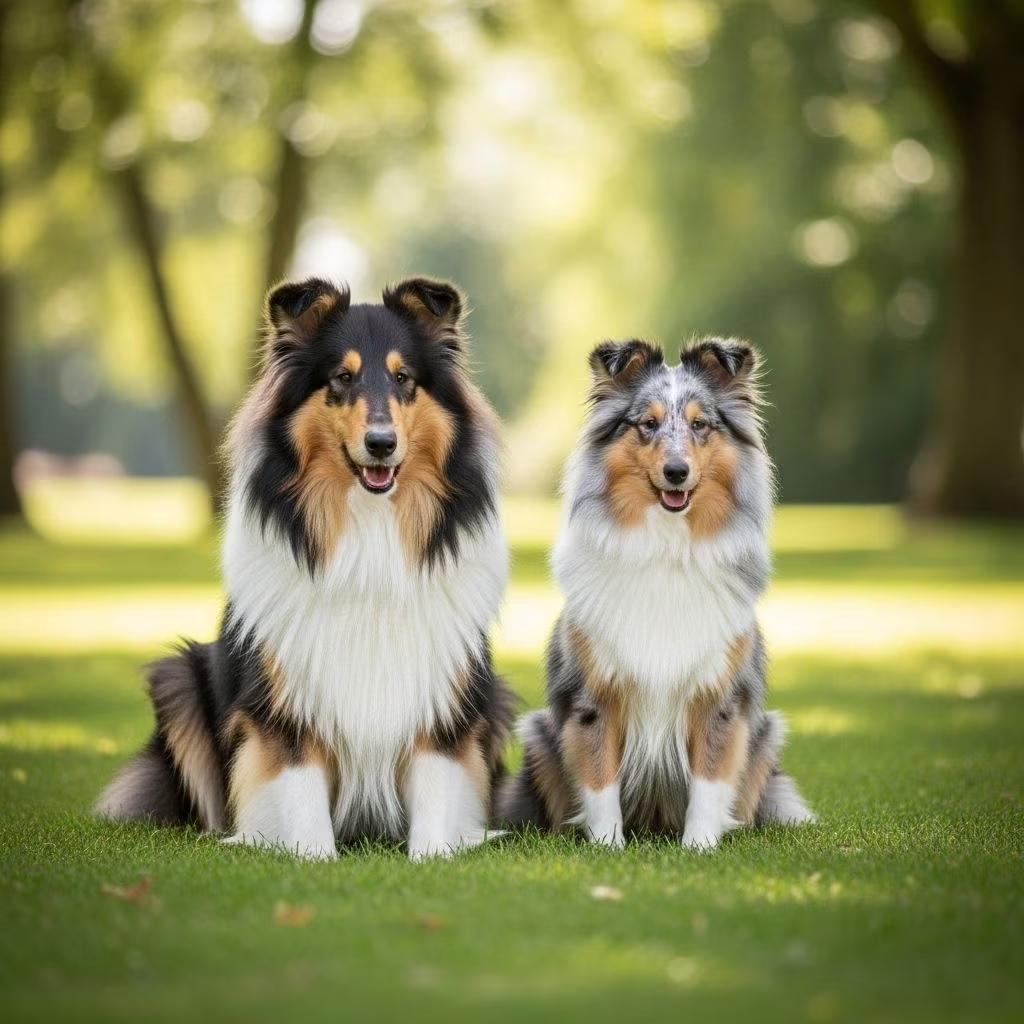
The most obvious difference between Collies and Shetland Sheepdogs is their size. Collies are considerably larger, with a graceful, athletic build, while Shelties are much smaller, earning them the nickname “mini-Lassie.”
| Rough Collie | Shetland Sheepdog | |
|---|---|---|
| Height | 22–26 inches | 13–16 inches |
| Weight | 50–75 pounds | 15–25 pounds |
| Coat | Long, double coat; requires moderate grooming | Long, double coat; requires regular grooming |
| Colors | Sable, sable merle, blue merle, white | Sable, black, blue merle, sable merle, black & white, black, white & tan |
While both breeds have a similar silhouette, the Sheltie is essentially a “miniature Collie” in appearance, with a foxier head and a more compact body. Both breeds have a lush double coat, but the Collie’s coat is generally less profuse compared to the Sheltie’s, which is extremely abundant on the ruff, mane, and britches.
Facial Features and Expression
Although their coats and body shapes are similar, their faces are quite different. Collies have a longer, more tapered muzzle, often referred to as a “fox-muzzle,” and a gentle, alert expression. Shelties have a shorter, more refined skull, with a sweet but more foxy look. Ears on both breeds are smaller, but the Sheltie’s are carried slightly higher on the head.
Temperament and Personality
Shetland Sheepdog
Shelties are highly intelligent, energetic, and eager to please, making them excellent companions for active families. They form strong bonds with their owners and are known for their sensitivity to human emotions. Shelties thrive in environments where they receive plenty of mental and physical stimulation and can be reserved or shy around strangers if not properly socialized. They are often vocal, and their barking can be a behavior to manage with training.
Collie
Collies are calm, gentle, and exceptionally friendly. They are patient with children and generally get along well with other animals. Collies are less prone to shyness and are typically more outgoing than Shelties. Both breeds are eager to learn, but Collies may be slightly less intense and demanding when it comes to mental stimulation.
| Shetland Sheepdog | Collie | |
|---|---|---|
| Intelligence | Highly intelligent | Highly intelligent |
| Energy Level | High | Moderate |
| Sensitivity | Very sensitive, bonds strongly | Gentle, patient |
| With Strangers | Reserved, may be shy | Friendly, outgoing |
Trainability and Activity Needs
Shetland Sheepdog
Shelties excel in obedience and agility trials due to their intelligence and eagerness to learn. They are quick to pick up commands, especially when training is positive and engaging. Their high energy levels require daily exercise and mental challenges to prevent boredom and destructive behaviors.
Collie
Collies are equally smart but generally more laid-back. They enjoy learning and perform well in obedience and herding activities, but they do not require the same intense level of daily stimulation as Shelties. A few good walks and some playtime are usually sufficient for their activity needs.
Both breeds respond well to positive reinforcement and consistent training, but their differing activity levels mean prospective owners should consider their lifestyle before choosing one over the other.
Grooming and Care
Both breeds possess a long, double coat that sheds seasonally and requires regular maintenance. The Sheltie’s coat is particularly profuse, especially around the neck, chest, and hindquarters, and regular brushing (at least several times a week) is necessary to prevent mats and tangles. Collies also shed, but their coat is less dense and may be slightly easier to manage.
Shetland Sheepdog
- Requires frequent brushing to prevent matting in their thick ruff, mane, and britches.
- More prone to seasonal shedding, especially in spring and fall.
- Regular bathing and trimming around the feet and ears may be needed.
Collie
- Needs regular brushing, particularly during shedding seasons.
- Coat is less profuse than the Sheltie’s but still requires attention to stay healthy.
- Minimal trimming required; focus on brushing and overall coat health.
Health Considerations
Both breeds are generally healthy, but each is predisposed to certain genetic health issues.
Shetland Sheepdog
- Eyelid and Eye Problems: Shelties are prone to progressive retinal atrophy and cataracts.
- Hypothyroidism: This condition can affect metabolism and energy levels.
- Hip Dysplasia: Though less common than in larger breeds, it can still be a concern.
- Von Willebrand’s Disease: A blood clotting disorder.
Collie
- Collie Eye Anomaly (CEA): A genetic eye defect that can impair vision.
- Drug Sensitivity: Some Collies have a genetic mutation that makes them sensitive to certain medications (MDR1 gene).
- Bloat (Gastric Dilatation Volvulus): A life-threatening condition more common in deep-chested breeds.
Regular veterinary check-ups and keeping up with recommended health screenings are important for both breeds.
Lifespan
Shelties and Collies have similar lifespans for their size classes. Shelties generally live 12–14 years, while Collies, despite being larger, also average around 10–14 years. Good diet, exercise, and regular veterinary care can help both breeds achieve the upper end of their lifespan range.
Living Arrangements
Shetland Sheepdog
The Sheltie’s smaller size makes them adaptable to apartment living, provided they receive adequate exercise and mental stimulation. They thrive in homes with fenced yards where they can play and explore. Shelties are happiest when they are deeply integrated into family life and have plenty of attention and activities.
Collie
Collies, being larger and slightly less intense, do well in a variety of living situations, from apartments to large homes with yards. They are calm indoors but appreciate outdoor play and exercise.
Suitability for Families
Both breeds make excellent family pets, but there are subtle differences in their suitability for different households.
Shetland Sheepdog
- Well-suited to families who can provide daily mental and physical activities.
- Good with children but may be reserved with strangers if not well socialized.
- Thrives in environments where they are treated as central members of the family.
Collie
- Ideal for families seeking a gentle, trainable, and reliable companion.
- Exceptional with children and generally friendly with strangers.
- Less demanding in terms of activity than Shelties.
Coat Colors and Patterns
Both Collies and Shelties come in a variety of colors and patterns, but there are some breed-specific distinctions.
Shetland Sheepdog
- Colors: Sable, black, blue merle, sable merle, black & white, black, white & tan, bi-blue, bi-black.
- Markings: White markings are common, often on the face, chest, legs, and tail tip.
Collie
- Colors: Sable (shades from gold to dark mahogany), tricolor (black, white, and tan), blue merle, and white (with or without markings).
- Markings: White markings appear mainly on the chest, collar, legs, and tail tip.
Frequently Asked Questions (FAQs)
Are Collies and Shetland Sheepdogs similar?
Yes, Collies and Shetland Sheepdogs are similar in appearance and temperament, but Shelties are much smaller, have a different head shape, and tend to be more reserved with strangers.
Do Collies and Shelties get along well with children?
Both breeds are excellent family dogs and generally get along well with children if properly socialized. Collies are especially gentle, while Shelties can be playful but may be reserved if not introduced properly.
Which breed is easier to groom?
The Collie’s coat is slightly less profuse than the Sheltie’s, making it somewhat easier to maintain. However, both require regular brushing and grooming to keep their coats healthy and free of tangles.
Which breed is more active?
Shelties are generally higher energy and require more daily exercise and mental stimulation than Collies. Both breeds are intelligent and benefit from regular activity, but Shelties may be more demanding.
Are Collies or Shelties better for first-time dog owners?
Collies are often considered one of the best breeds for first-time owners due to their gentle, trainable nature. Shelties are also trainable but may be more intense and require more attention to activity and socialization.
How do I tell a Collie from a Sheltie at a glance?
Look at the size first—Shelties are much smaller. Next, observe the head shape: Collies have a longer, more tapered muzzle, while Shelties have a shorter, foxier face. The Sheltie’s coat is also more profuse, especially around the neck and hindquarters.
Conclusion
Collies and Shetland Sheepdogs are both wonderful companions known for their intelligence, devotion, and beauty. While they share a similar heritage and looks, they differ in size, activity level, temperament, and grooming needs. Collies are larger, gentler, and somewhat less demanding, making them a superb choice for families seeking a calm, loving dog. Shelties, on the other hand, are compact, energetic, and highly trainable, perfect for active owners who enjoy teaching tricks and agility. Regardless of your choice, both breeds reward their families with loyalty, affection, and years of joyful companionship.
References
- https://www.dogster.com/dog-breeds/sheltie-vs-collie
- https://sheltieforums.com/threads/shelties-vs-collies.12527/
- https://www.youtube.com/watch?v=cFPoAXhAev0
- https://tristatecollierescue.org/know-your-collie-or-sheltie/
- https://a-z-animals.com/pets/dogs/dog-comparison/shetland-sheepdog-vs-border-collie-key-differences-explained-2/