Introduction to Livestock Guardian Dogs
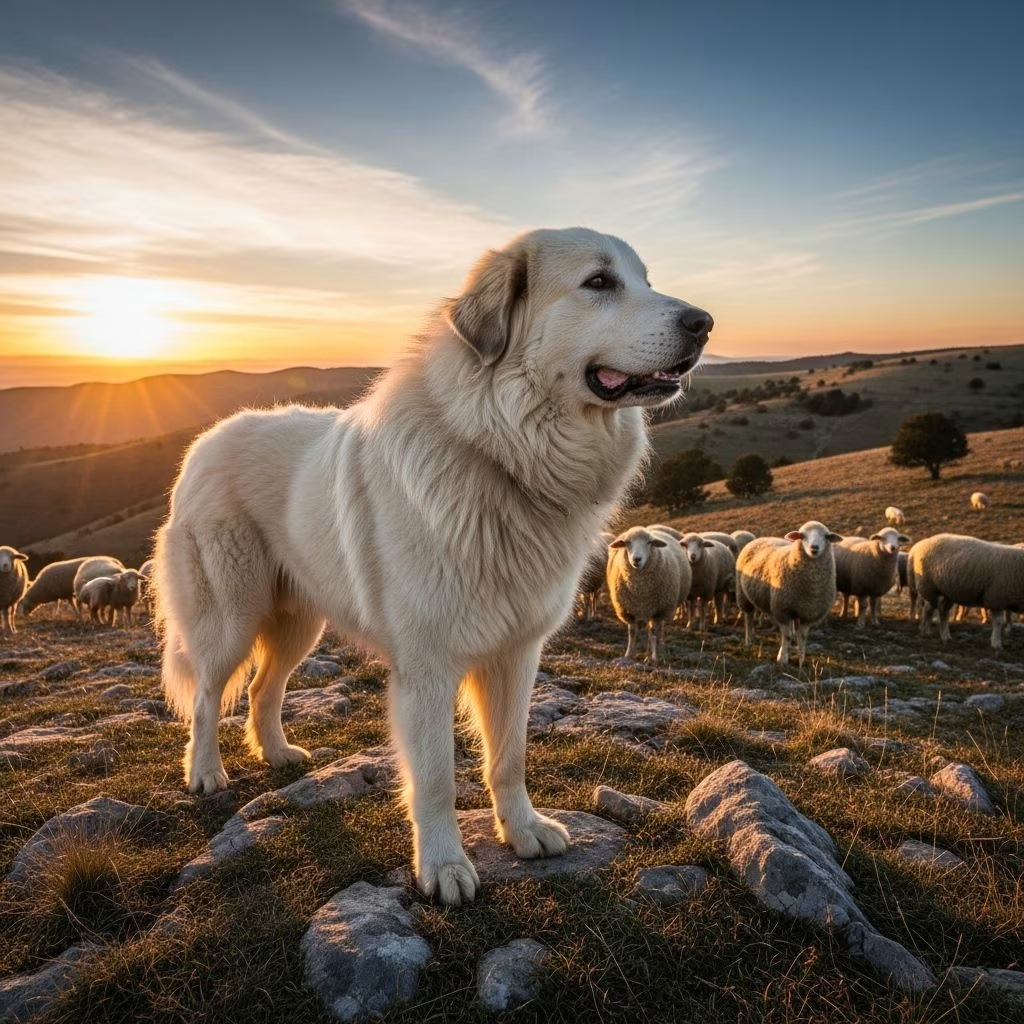
For thousands of years, humans have relied on dogs to help them in various roles, including hunting, herding, and guarding livestock. Livestock guardian dogs (LGDs) are specifically bred to protect livestock such as sheep, goats, pigs, and even chickens from predators. These dogs are not herding dogs but play a crucial role in safeguarding both animals and humans on farms and ranches. They are known for their loyalty, intelligence, and ability to distinguish between family and threats, making them invaluable assets in agricultural settings.
Characteristics of Livestock Guardian Dogs
Livestock guardian dogs are typically large, powerful breeds with distinctive physical and behavioral traits. Here are some key characteristics:
- Physical Traits: LGDs often have thick, light-colored coats that help them blend in with their flock, such as the Great Pyrenees and Anatolian Shepherd.
- Behavioral Traits: They are generally aloof to strangers but form strong bonds with their flock and family. They are calm and gentle with livestock but vigilant and protective when needed.
- Working Style: LGDs use their posture, vocalizations, and body language to deter predators without needing to show aggression unless necessary.
Anatolian Shepherd Dog
The Anatolian Shepherd Dog traces its origins back thousands of years to Asia Minor, where it initially served as a hunting dog before becoming a livestock guardian. They are known for their loyalty, independence, and reserved nature. Anatolians are highly intelligent, courageous, and adaptable, making them excellent guardians. However, they require early socialization to prevent over-protectiveness and aggression towards other dogs and strangers.
Komondor
The Komondor is an ancient breed from Hungary, famous for its distinctive corded white coat that resembles dreadlocks. This breed is considered a national treasure in Hungary and is often referred to as the “king” among livestock guardians. Komondors are loyal, dignified, and brave, forming strong bonds with their flock and humans. Their unique coat helps them blend in with the sheep they guard, providing protection against both weather and predators.
Kuvasz
The Kuvasz is a large, powerful dog originating from northern Iraq, where sheep were first domesticated around 11,000 years ago. With a white coat that helps them blend in with their flock, Kuvasz dogs are loyal, fearless, and courageous. They serve as natural guardians, protecting family, house, and property without hesitation. Today, they are used as livestock guardians, family companions, and sometimes as therapy dogs.
| Breed | Origin | Physical Traits | Behavioral Traits |
|---|---|---|---|
| Anatolian Shepherd Dog | Asia Minor (Current-day Turkey) | Large, thick coat | Loyal, independent, highly intelligent |
| Komondor | Hungary | Corded white coat | Loyal, dignified, brave |
| Kuvasz | Northern Iraq | White coat | Loyal, fearless, courageous |
FAQs
Q: What distinguishes a livestock guardian dog from a herding dog?
A: Livestock guardian dogs are bred to protect livestock from predators, whereas herding dogs control the movement of animals to a specific area.
Q: How do livestock guardian dogs develop their protective instincts?
A: Their protective instincts are mainly instinctive, developed by bonding with their herd from an early age.
Q: Are livestock guardian dogs suitable as family pets?
A: Yes, they can make excellent family pets if properly socialized and given the space they need. However, they require careful handling due to their protective nature.
Q: What kind of grooming do livestock guardian dogs need?
A: Some breeds, like the Komondor, require regular grooming to prevent matting and maintain coat health. Others may need occasional baths and brushing.
Conclusion
Livestock guardian dogs have been a cornerstone of agriculture for millennia, providing protection and companionship to both humans and animals. Their unique characteristics and abilities make them indispensable in rural settings. Whether you’re a farmer, rancher, or simply someone interested in these magnificent breeds, understanding their history, traits, and roles can deepen your appreciation for these extraordinary dogs.
References
- https://www.akc.org/expert-advice/dog-breeds/get-to-know-the-livestock-guardian-dog-breeds/
- https://en.wikipedia.org/wiki/Livestock_guardian_dog
- http://texnat.tamu.edu/files/2010/08/Livestock-Guardian-Dogs-2016.pdf
- https://dirtyfreehub.org/knowledge-base/livestock-guardian-dogs/
- https://worldanimalfoundation.org/dogs/breeds-that-guard-livestock-from-small-predators/
- https://mountainlion.org/2024/03/01/what-you-dont-know-about-livestock-guardian-dogs/