Introduction
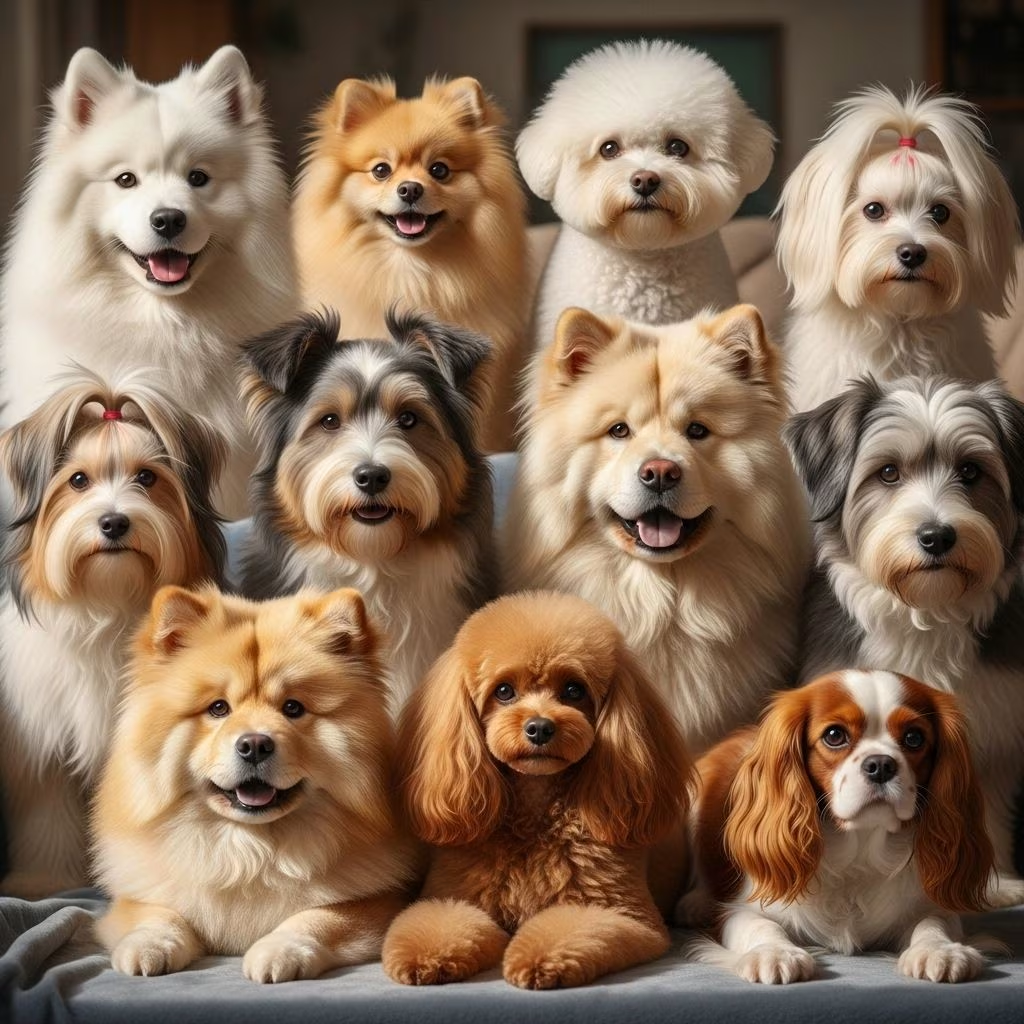
Fluffy dog breeds have a special charm, with their soft, luxurious coats and expressive faces. But while they are undeniably adorable, their impressive fur requires dedicated grooming care to keep them looking their best. In this comprehensive guide, we dive deep into 10 of the fluffiest dog breeds, detailing their personalities, grooming routines, and lifestyle compatibility. Whether you’re looking for a lapdog, a playful companion, or a gentle giant, there’s a fluffy breed for every home.
What Makes a Dog Breed “Fluffy”?
Fluffiness in dogs is primarily defined by the density, length, and texture of their coat. Most fluffy breeds possess a double coat, which includes a soft undercoat for insulation and a longer, protective topcoat. This double layer not only gives them their signature plush appearance but also requires regular maintenance to prevent matting and tangling. Breeds from cold climates often have the fluffiest coats, originally developed to protect them from harsh weather.
The 10 Fluffiest Dog Breeds
Here’s a detailed look at 10 of the most popular fluffy dog breeds, highlighting their origins, personalities, and what it takes to care for their magnificent coats.
Standard Poodle
- Known for their curly, dense coat, which is surprisingly low-shedding and hypoallergenic.
- Highly intelligent and eager to please, making them easy to train.
- Coat requires professional grooming every 4–6 weeks and daily brushing at home to prevent matting.
Old English Sheepdog
- Famous for their shaggy, bear-like appearance.
- Playful and adaptable, great with families and children.
- Their thick, long coat needs regular brushing (at least several times a week) to avoid tangles and mats.
Keeshond
- Sporting a plush gray coat with distinctive “spectacle” markings around the eyes.
- Affectionate, social, and great with children, but known for alert barking.
- Heavy shedding twice a year; regular brushing is essential.
Collie
- Luxurious double coat, especially long and silky in Rough Collies.
- Gentle, loyal, and excellent with families.
- Weekly brushing is a must to keep their coat in top condition.
Bichon Frise
- Small, compact body with a curly, hypoallergenic coat.
- Cheerful, affectionate, and well-suited to apartment living.
- Requires frequent grooming (every 4–6 weeks) and daily brushing.
Chow Chow
- Distinctive lion-like mane and blue-black tongue.
- Aloof yet loyal, best for experienced owners.
- Heavy double coat needs daily brushing to prevent matting, especially during shedding seasons.
Samoyed
- The iconic “land cloud” with a thick, white double coat.
- Friendly, outgoing, and energetic; needs lots of exercise.
- Constant shedding; daily brushing helps manage loose fur.
Pomeranian
- Tiny, confident dogs with a fox-like face and abundant, fluffy fur.
- Weighs no more than 7 pounds, yet brims with personality.
- Comes in more than 20 colors, but orange and red are most common.
- Double coat needs weekly brushing with a pin brush to maintain shine and prevent tangles.
- Regular dental care is also important for Pomeranians.
Siberian Husky
- Thick double coat designed for extreme cold, with striking markings.
- Friendly, mischievous, and energetic; excels in active households.
- Bathe only a few times a year, but brush weekly to manage shedding, especially during seasonal coat blows.
Comparison Table: Fluffy Dog Breeds at a Glance
| Breed | Size | Coat Type | Temperament | Grooming Needs |
|---|---|---|---|---|
| Standard Poodle | Large | Curly, dense, low-shedding | Intelligent, eager to please | Daily brushing, professional trim every 4–6 weeks |
| Old English Sheepdog | Large | Long, shaggy | Playful, adaptable, great with kids | Brush several times a week |
| Keeshond | Medium | Plush, gray | Affectionate, social, vocal | Regular brushing, heavy shedding |
| Collie | Large | Long, silky | Gentle, loyal, family-friendly | Weekly brushing |
| Bichon Frise | Small | Curly, hypoallergenic | Cheerful, affectionate | Daily brushing, frequent grooming |
| Chow Chow | Medium-Large | Dense, lion-like | Loyal, aloof | Daily brushing, heavy shedding |
| Samoyed | Medium-Large | Thick, white, double coat | Friendly, energetic | Daily brushing, constant shedding |
| Pomeranian | Toy (Small) | Abundant, double coat | Confident, bold, affectionate | Weekly brushing, regular dental care |
| Siberian Husky | Medium-Large | Thick, double coat | Friendly, mischievous, energetic | Weekly brushing, heavy seasonal shedding |
Grooming Tips for Fluffy Dogs
Maintaining a fluffy dog’s coat requires more than just the occasional bath. Here are essential grooming tips to keep your fluffy friend looking and feeling their best:
- Brushing: Invest in quality tools like a pin brush or slicker brush. Brush down to the skin at least weekly, and daily for heavy shedders.
- Bathing: Bathe only as needed, using a dog-specific shampoo to avoid stripping natural oils. Over-bathing can lead to dry, irritated skin.
- Managing Shedding: During seasonal coat blows, use a de-shedding tool or comb to remove loose undercoat and prevent matting.
- Professional Grooming: Consider professional grooming every 4–6 weeks for breeds like the Poodle or Bichon Frise to maintain their distinctive look.
- Check Ears and Paws: Fluff can hide debris; regularly check and clean ears, and trim fur between paw pads to prevent matting and infection.
Health Considerations for Fluffy Breeds
Beyond grooming, fluffy breeds may face specific health challenges:
- Skin Issues: Thick coats can trap moisture, leading to skin infections. Regular brushing and bathing help prevent this.
- Hot Spots: Matting can cause sores or hot spots (localized skin infections). Immediate attention and clipping may be necessary.
- Overheating: Breeds like the Samoyed and Husky are prone to overheating in warm climates. Provide shade, water, and avoid vigorous exercise during hot weather.
- Dental Health: Small fluffy breeds, such as the Pomeranian, are susceptible to dental issues. Regular teeth brushing and veterinary check-ups are vital.
Choosing the Right Fluffy Dog for Your Lifestyle
Selecting a fluffy breed goes beyond aesthetics. Consider these factors:
- Activity Level: High-energy breeds like the Husky or Collie need ample exercise and mental stimulation.
- Grooming Commitment: Are you prepared to invest time and money in regular grooming and veterinary care?
- Living Space: Large breeds may not thrive in apartments, whereas smaller fluffies like the Pomeranian or Bichon Frise adapt well to city living.
- Family Dynamics: Some breeds are excellent with children, while others may be better suited for adults or experienced dog owners.
Frequently Asked Questions About Fluffy Dog Breeds
Q: Do all fluffy dog breeds shed a lot?
A: While most fluffy breeds shed, the extent varies. Breeds like the Poodle and Bichon Frise are low-shedding, while Siberian Huskies and Samoyeds shed heavily, especially seasonally.
Q: Are fluffy dogs good for people with allergies?
A: Some fluffy breeds (e.g., Poodles, Bichon Frises) are considered hypoallergenic because they shed less and produce less dander. However, no dog is completely hypoallergenic.
Q: How often should I groom my fluffy dog?
A: Most fluffy breeds require daily or weekly brushing, plus professional grooming every 4–6 weeks, depending on the breed and coat type.
Q: Can a fluffy dog live in a hot climate?
A: Breeds with thick, insulating coats (e.g., Samoyed, Husky) may struggle in hot, humid climates. They need careful management to avoid overheating.
Q: Are fluffy dogs harder to train?
A: Intelligence and trainability vary by breed. Poodles and Collies are highly trainable, while independent breeds like the Chow Chow may require more patience.
Q: What’s the smallest fluffy dog breed?
A: The Pomeranian is one of the smallest and fluffiest breeds, weighing under 7 pounds.
Q: What’s the largest fluffy dog breed?
A: Breeds like the Old English Sheepdog and Newfoundland are among the largest and fluffiest.
Conclusion
Owning a fluffy dog is a joyful but committed endeavor. Their luxurious coats and endearing personalities make them beloved companions, but they require regular grooming, attention to health, and an understanding of their unique needs. By choosing the right breed for your lifestyle and committing to proper care, you’ll enjoy the warmth and love of a fluffy canine friend for years to come.
References
- https://www.akc.org/expert-advice/dog-breeds/fluffy-dog-breeds/
- https://www.akc.org/expert-advice/lifestyle/fluffiest-dog-breeds/
- https://www.akc.org/dog-breeds/affenpinscher/
- https://devildogpetco.com/blogs/the-devil-dog-blog/fluffy-dogs
- https://www.akc.org/dog-breeds/bichon-frise/
- https://www.akc.org/dog-breeds/chow-chow/
- https://spiritdogtraining.com/breeds/small-fluffy-dog-breeds/
- https://www.akc.org/dog-breeds/pekingese/
- https://outwardhound.com/furtropolis/dogs/the-fluffiest-dogs-in-the-world
- https://www.akc.org/dog-breeds/