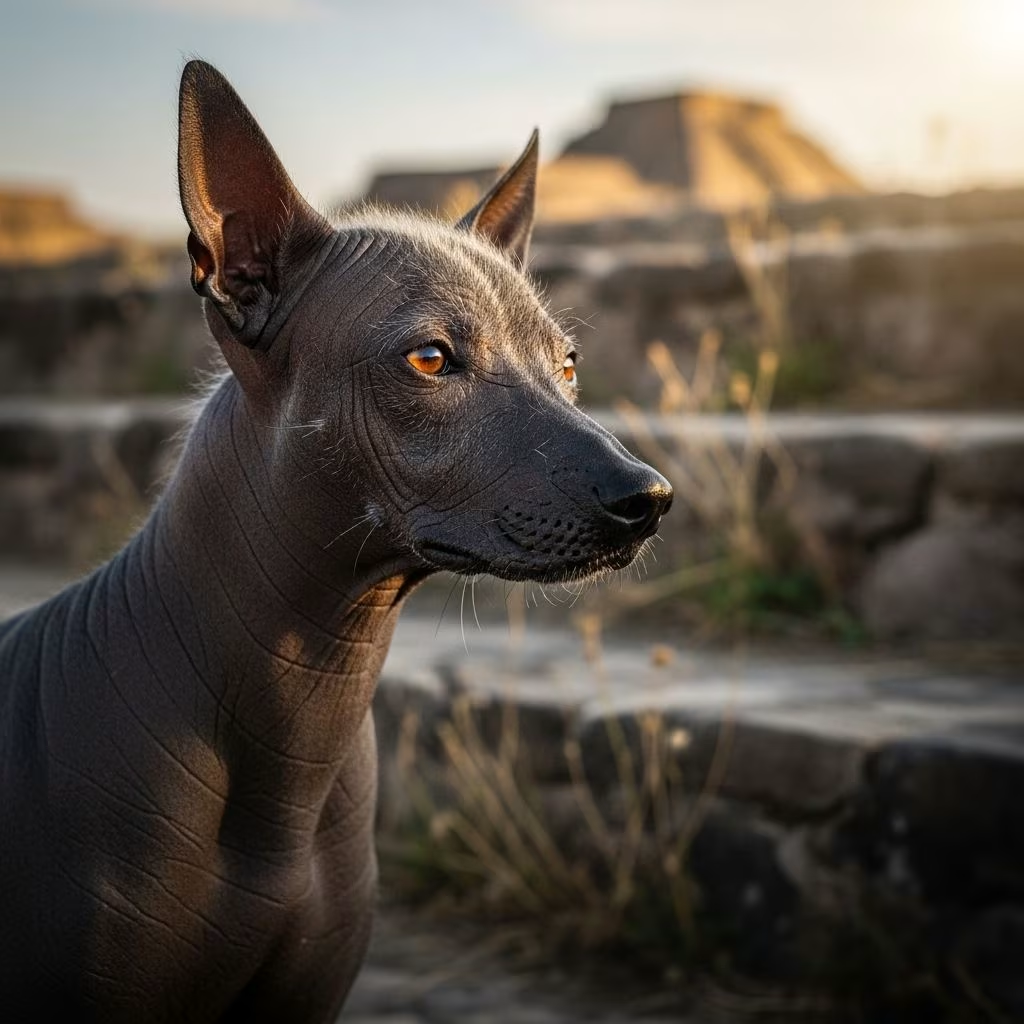
Mexican Hairless Dog (Xoloitzcuintli): Varieties, History, and Cultural Significance
The Xoloitzcuintli, often called the Mexican Hairless Dog or simply “Xolo,” is a breed revered for thousands of years in Mexico and Central America. Recognized for its loyalty, intelligence, and unique appearance, the Xolo comes in three distinct size varieties, with both hairless and coated types. This article offers a thorough overview of the Xoloitzcuintli’s varieties, ancient origins, significant cultural role, physical features, temperament, care needs, and answers to common questions about the breed.
The Three Varieties of Xoloitzcuintli
The Xolo is one of the rare breeds recognized in three different sizes. Each size can be found in both hairless and coated forms, making the breed highly versatile and suitable for a range of living environments. The varieties are:
| Variety | Height (inches) | Weight (pounds) | Coat Type |
|---|---|---|---|
| Toy | 10 – 14 | 10 – 15 | Hairless or Coated |
| Miniature | 14 – 18 | 15 – 30 | Hairless or Coated |
| Standard | 18 – 23 | 30 – 55 | Hairless or Coated |
Both coat types, hairless and coated, exhibit similar personalities and qualities. The hairless variety often features a tuft of hair on its head, tail, and feet, while the coated variety has a short, tight coat. All Xolo types display the breed’s signature elegant, athletic build and almond-shaped eyes.
Ancient Origins and Sacred Heritage
The Xoloitzcuintli is among the world’s oldest dog breeds, tracing its lineage back over 3,000 years. Archaeological discoveries include ceramic and clay statuettes of Xolos placed in Mayan, Aztec, and Colima tombs, signifying their revered status in ancient societies. The breed’s name comes from the Nahuatl words: Xolotl (Aztec god of death and lightning) and itzcuintli (dog), highlighting its mythological importance.
- Spiritual Role: The Xolo was believed to possess healing and mystical powers, acting as a guardian in life and guiding souls in the afterlife.
- Companionship and Utility: These dogs served as protectors, hunting companions, and, in rural areas, were sources of warmth due to their relatively high body temperature.
- Cultural Artifact: The famous Colima dog statues and dog remains in major Aztec sites (such as Templo Mayor) underscore the Xolo’s unique presence in history.
- Role in Healing: Ancient Mexicans believed the breed could cure ailments; Xolos were sometimes used as ‘hot-water bottles’ to relieve pain.
Despite their deep historical roots, Xolos nearly vanished after European colonization when imported breeds and consumption practices threatened their survival. Their numbers dwindled so significantly that by the mid-20th century, a dedicated effort was required to save and revive the breed’s genetic legacy.
Role in Mexican Tradition and Art
The Xolo’s close connection to Mexican culture extends well beyond antiquity. Revered as the Official Dog of Mexico today, its symbolism encompasses protection, loyalty, and the mystical guidance of souls. The breed plays a prominent part in art, folklore, and contemporary celebrations, especially the Day of the Dead (Día de los Muertos).
- Aztec Mythology: Xolos were viewed as gifts from the gods, essential for escorting human souls to the afterlife during their spiritual journey.
- Day of the Dead Celebrations: During these vibrant festivals, Xolo owners dress their dogs in elaborate regalia and marigolds, painting them like skeletons to honor departed spirits and connect with ancestral customs.
- Artistic Representation: Renowned Mexican artists, including Diego Rivera and Frida Kahlo, featured Xolos in their works and owned them personally, enhancing the breed’s cultural legacy. Rivera established one of the earliest Xolo breeding kennels in 1925, contributing to the breed’s preservation.
Physical Characteristics & Temperament
Distinctive Physical Traits
- Elegant Build: Sleek, muscular body with relatively long neck and almond-shaped eyes for an alert, intelligent expression.
- Upright Ears: Large, bat-like ears characteristic across all varieties.
- Skin and Coat: The hairless Xolo’s skin is usually soft, tough, and may show wrinkles; the coated form is smooth and short.
- Color Range: Colors include solid black, dark gray, slate, bronze, red, or liver. Some individuals show small, discrete markings.
- Signature Tuft: Hairless types typically feature a distinct tuft of coarse hair on the head, feet, and tail.
Temperament
The Xoloitzcuintli is renowned for its calm, loyal personality and strong bond with its owners. Key temperament traits include:
- Alertness: Xolos make excellent watchdogs, always attentive to their environment.
- Affection: Gentle and loving, especially with their family. Reserved around strangers but rarely aggressive.
- Intelligence: Highly intelligent, trainable, and quick learners with sensitive, perceptive natures.
- Quiet Demeanor: They are known for being calm indoors and having moderate energy overall. Early socialization helps balance their natural wariness.
While each Xolo maintains its unique personality, these traits are consistent throughout the breed, regardless of size or coat type.
Care, Grooming, and Health
General Care Needs
- Minimal Grooming: Hairless Xolos require regular skin care to prevent dryness, sunburn, and acne. Coated Xolos need simple brushing due to their short, fine fur.
- Bathing: Mild, non-scented dog shampoos are recommended for hairless types. Owners should avoid over-bathing, which can lead to skin irritation.
- Sun Protection: Hairless dogs must be protected from direct sunlight with dog-safe sunscreen or light clothing, especially during midday outdoor activities.
- Winter Care: Extra warmth may be needed for hairless Xolos during cold months, such as dog sweaters or heated beds.
- Dental Health: Both varieties benefit from regular dental care due to their predisposition for dental issues.
Exercise & Activity
Xoloitzcuintlis possess moderate energy levels and thrive with daily walks, playtime, and interactive training. Mental stimulation is essential—these smart, alert dogs enjoy puzzle toys, scent games, and obedience work.
- Exercise Requirements: Moderate; 30–60 minutes daily is ideal.
- Suitability: Their agility and obedience work make them excellent competitors in canine sports.
Health Considerations
- Lifespan: 13 to 18 years is typical when well cared for.
- Resilience: Generally healthy and robust due to centuries of natural selection, but may be vulnerable to skin conditions and dental issues, especially in the hairless variety.
- Genetic Diversity: The breed’s revival programs have ensued careful management of hereditary traits, promoting overall vigor and health.
The Xoloitzcuintli Today: Breed Preservation and Recognition
The breed’s recovery journey began in the mid-1900s, when enthusiasts, including Norman Pelham Wright and Mexican artists, searched remote regions to locate surviving Xolos. Their efforts led to the first breed standard and the recognition of the Xolo as the official dog of Mexico.
- Breed Clubs: Organizations such as the Xoloitzcuintli Club of America and Canófila Federación Mexicana promote responsible breeding and education.
- Global Recognition: The Xolo is recognized by international kennel clubs and has seen increasing popularity worldwide.
- Cultural Revival: The breed’s association with the Day of the Dead and Mexican heritage has driven renewed interest and pride among modern dog owners.
Xolos are appreciated for their elegance, calm temperament, manageable care needs, and ancient lineage, making them an excellent choice for families and individuals wishing for a distinctive, historically meaningful companion.
Frequently Asked Questions (FAQs)
Q: What does “Xoloitzcuintli” mean?
A: The name combines “Xolotl” (the Aztec god of lightning and death) and “itzcuintli” (the Nahuatl word for dog), reflecting the breed’s mythological and cultural roots.
Q: Are Xolos hypoallergenic?
A: The hairless variety of Xoloitzcuintli is considered to be hypoallergenic due to minimal shedding and lack of fur, making them suitable for many allergy sufferers. However, every individual may react differently.
Q: Are Xolos good with children and other pets?
A: Xolos are generally excellent with children, especially when raised together. They are gentle, loyal, and protective, though early socialization is important for harmony with other household pets.
Q: How do I care for a hairless Xolo’s skin?
A: Regular moisturizing, sun protection, and gentle bathing are essential to keep the hairless Xolo’s skin healthy. Owners should avoid harsh soaps and use pet-safe sunscreen when outdoors for longer periods.
Q: How long do Xoloitzcuintlis live?
A: Xolos are long-lived, with most enjoying lifespans of 13 to 18 years, thanks to their genetic resilience and relatively few breed-specific health problems.
Q: How rare are Xoloitzcuintlis?
A: Despite their growing popularity, Xolos remain one of the world’s rarest breeds, partly due to historic population declines and the breed’s unique characteristics.
Q: Are Xolos easy to train?
A: Yes, Xoloitzcuintlis are highly intelligent and eager to please, responding well to positive reinforcement methods. Early training and socialization ensure good behavior and well-adjusted temperament.
Final Thoughts
The Xoloitzcuintli beautifully encapsulates the spirit, resilience, and artistry of ancient Mexico, standing as both a living relic of history and a beloved companion. Whether in Toy, Miniature, or Standard form, the Xolo’s versatility, intelligence, and unique appearance make it a cherished member of the canine world and an enduring symbol of Mexican heritage.
References
- https://www.akc.org/expert-advice/dog-breeds/xoloitzcuintli-history/
- https://www.americanindianmagazine.org/story/Xoloitzcuintli-the-Hairless-Dog
- https://www.xoloitzcuintliclubofamerica.org/about-xolos
- https://www.akc.org/dog-breeds/xoloitzcuintli/
- https://www.rover.com/blog/xoloitzcuintli-mexican-hairless-dog/
- https://showsightmagazine.com/origins-and-history-of-the-xoloitzcuintli/
- https://static1.squarespace.com/static/64616a8f845a26781e4e9781/t/66e3671d1467954d473d2f4e/1726179102385/XOLO_HISTORY.pdf