Most Popular Service Dog Breeds and Their Unique Qualities
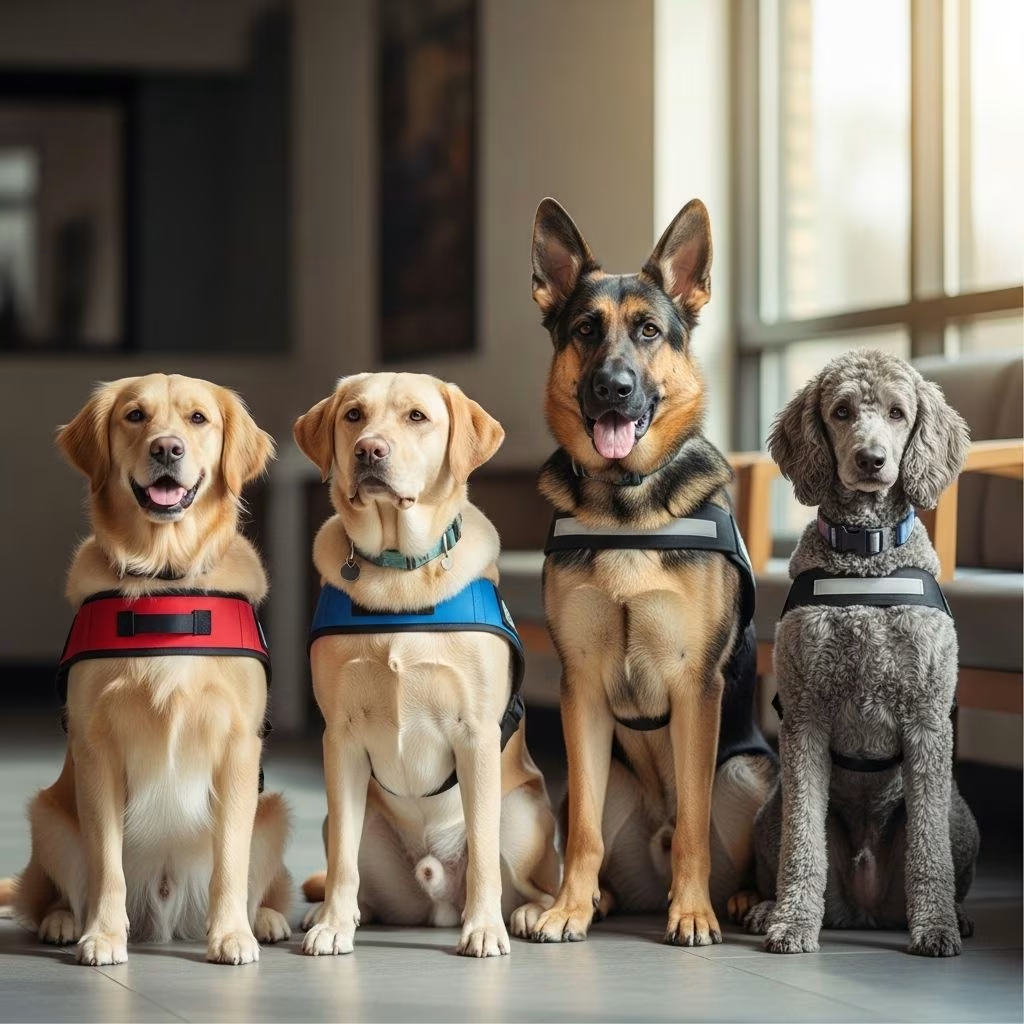
Service dogs play an essential role in empowering individuals with disabilities to live independent and fulfilling lives. Choosing the right breed for service work is crucial and depends on the specific tasks a dog will need to perform, as well as the temperament and physical capability required. While Labrador Retrievers, Golden Retrievers, and German Shepherd Dogs are widely recognized as the most common service dog breeds, a remarkable variety of other breeds are also proving themselves in this vital field. This article explores the standout qualities and specializations of each of these breeds commonly trained as service dogs.
What Makes an Excellent Service Dog?
Service dogs must possess particular characteristics that make them both trainable and reliable for complex tasks. Among the most valued traits are:
- Intelligence: Ability to learn and execute complex tasks.
- Trainability: Willingness to follow commands and adapt to routines.
- Steadiness: Calm, stable temperament and resistance to distractions.
- Loyalty: Dedication and an innate drive to care for and protect their handler.
- Physical suitability: Strength or size suited to specific service tasks, such as providing mobility assistance or detecting allergens.
Let’s take a closer look at the most popular breeds—some obvious and some surprising—excelling as service animals.
Labrador Retriever

Labrador Retrievers are the quintessential service dogs. They are renowned for their:
- Friendly, sociable personalities
- Devotion to their owners and eagerness to please
- Exceptional intelligence and ability to quickly learn commands
- Robust, athletic build, perfect for physically demanding work
Laboradors’ adaptability has made them a top choice for roles ranging from guide and mobility dogs to medical alert assistants. They have the stamina and calm disposition needed to support handlers throughout a busy day.
Golden Retriever

Golden Retrievers share many qualities with Labradors but are instantly recognizable by their thick, golden coats. Key strengths include:
- An affable, patient nature
- High intelligence and strong work ethic
- Sensitivity and ability to remain composed in new or noisy environments
- Level-headedness, especially useful for owners who are constantly on the go
Goldens excel not only as guide dogs, but also in medical alert and psychiatric support roles, thanks to their intuitive sense of their handler’s emotions and needs.
German Shepherd Dog

German Shepherd Dogs have a long, proud history as service animals, being the original breed chosen for guide dog work in the 1920s. Their invaluable attributes include:
- Strong intelligence and quick problem-solving skills
- Bravery and alertness, especially in unpredictable or potentially hazardous environments
- Intense loyalty and protectiveness towards their handler
- Versatility in learning a wide range of service tasks
The German Shepherd’s agility and physical ability suit them to everything from mobility assistance to complex guidance and even search and rescue.
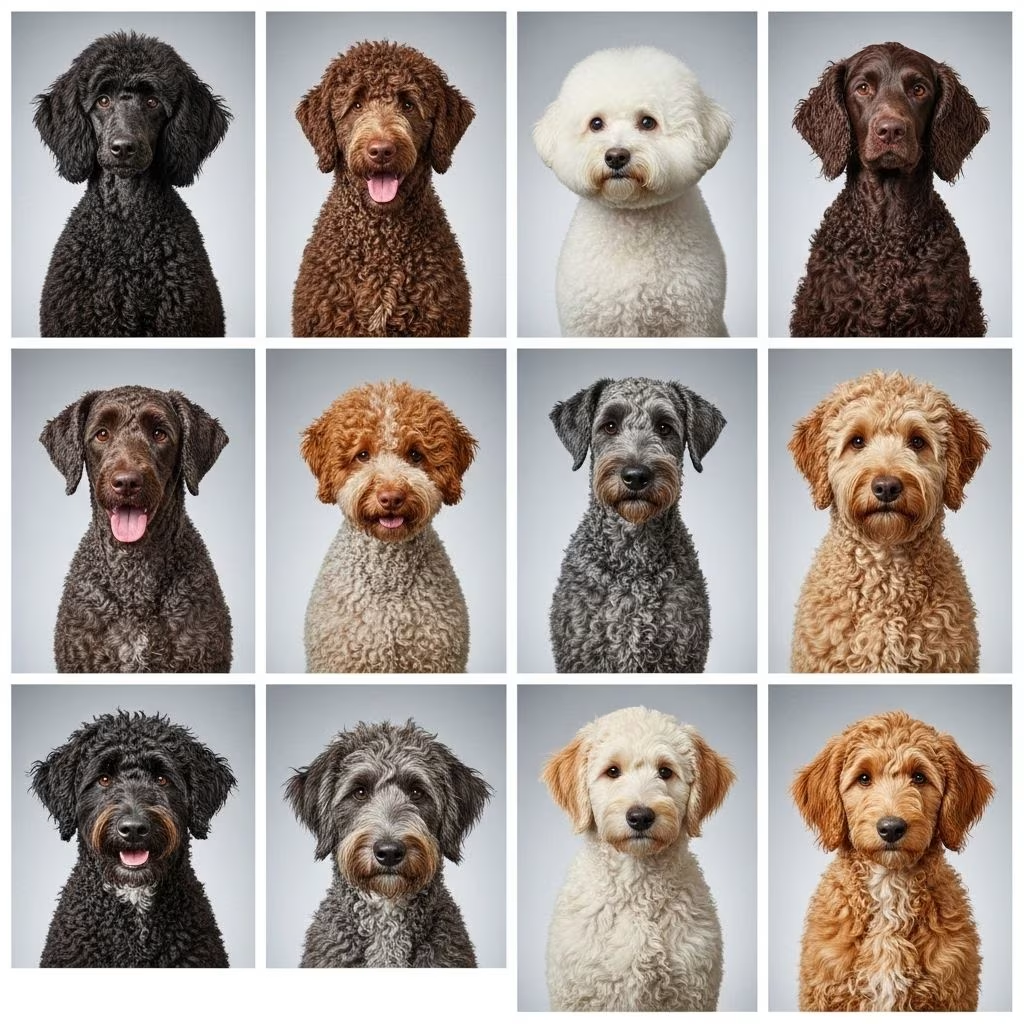
Poodle

The cheerful and intelligent Poodle is an unexpectedly excellent service dog. With three size categories—Standard, Miniature, and Toy—they can fulfill various roles, such as:
- Detecting and warning of allergens (ideal for those with life-threatening allergies)
- Providing mobility assistance (when Standard size is selected)
- Being less likely to cause allergic reactions themselves, due to hypoallergenic coats
- Excelling in training and eager to interact socially, boosting versatility
Poodles are often chosen for handlers with allergies and can serve both in physically demanding and less active support roles.
Bernese Mountain Dog

Bernese Mountain Dogs are gentle giants. These large, sturdy dogs stand out for:
- Strength sufficient to assist adults rising or provide wheelchair support
- Ability to retrieve, pull, or carry items as needed
- Intelligence and steady loyalty
- Typically reserved temperament, helping avoid distractions when focused on a job
This breed’s size and steady nature make them ideal for tasks involving physical support and for those requiring a very calm, dependable partner.
Great Dane

Great Danes are another giant breed whose attributes shine in service dog roles. They are known for:
- Towering size and muscular frame, providing reliable balance and support for mobility-impaired individuals
- Affectionate, gentle personalities, especially suited for work with children or those needing psychiatric support
- High intelligence and willingness to cooperate in training
While extremely responsive and supportive, their massive proportions may not suit all lifestyles or living situations.
Collie

Collies combine classic beauty with remarkable abilities for service work. Noteworthy qualities include:
- Keen intuition for detecting seizures, making them superb choices for epileptic handlers
- Sociable and calm, especially with children
- Strong helper instincts for supporting those with PTSD or other psychiatric conditions
- Thick coats that do require regular attention, a factor to consider for those with grooming limitations
Collies’ gentle demeanor and intuition make them effective at anticipating and responding to handlers’ needs.
American Staffordshire Terrier

The American Staffordshire Terrier surprises many with its service potential. Their key advantages are:
- Muscular, sturdy build, ideal for mobility support and physical assistance
- Confident and highly intelligent demeanor
- Good-natured temperament and flexibility for a range of service dog tasks
With confidence and loyalty, American Staffordshire Terriers perform well in versatile, challenging roles.
Pomeranian

Most would never expect the dainty Pomeranian to make a service dog, but their alertness and small size open a surprising number of opportunities.
- Effective at alerting owners to complications from diabetes, asthma, or Parkinson’s disease
- Highly portable and unobtrusive—easy to carry or take into small, busy environments
- Suitable for hearing-impaired assistance, mental health support, and medical alert tasks
Their petite stature may prevent them from certain physical roles, but their intelligence and awareness make them invaluable for specialized alert service duties.
How Service Dogs Change Lives
Each breed discussed here brings a unique blend of intelligence, temperament, and physical traits, but all share an unwavering dedication to improving their owner’s lives. Service dogs support individuals affected by:
- Visual impairment
- Mobility limitations
- Epilepsy and seizure disorders
- Diabetes and medical conditions
- PTSD and psychiatric disabilities
- Allergies
- Hearing loss
The hard work and devotion these dogs display are instrumental to their handler’s safety, independence, and emotional wellbeing.
Choosing the Right Service Dog Breed
The selection of a service dog breed should factor in:
- Task requirements: The specific tasks (mobility support, medical alert, psychiatric service, etc.) dictate the right size, strength, and temperament.
- Lifestyle: Handlers must consider their physical environment, household, and daily routines when choosing a breed.
- Allergies: Individuals sensitive to pet dander may benefit from hypoallergenic breeds like the Poodle.
- Commitment to training: Even well-bred service dog candidates require consistent, intensive training to succeed.
- Size and strength: Some tasks require sturdy, larger dogs, while others may be best served by compact, portable breeds.
Reputable service dog organizations thoroughly assess temperament, health, trainability, and other factors before matching a dog with a person in need.
Comparison Table: Service Dog Breeds and Their Strengths
| Breed | Key Attributes | Top Service Roles |
|---|---|---|
| Labrador Retriever | Intelligent, athletic, eager to please | Guide, mobility, medical alert |
| Golden Retriever | Patient, sensitive, stable | Guide, psychiatric, medical alert |
| German Shepherd Dog | Brave, loyal, versatile | Guide, mobility, search and rescue |
| Poodle (Standard, Miniature, Toy) | Trainable, intelligent, hypoallergenic | Medical alert, mobility, psychiatric |
| Bernese Mountain Dog | Strong, calm, loyal | Mobility, retrieval |
| Great Dane | Giant, gentle, steady | Mobility, psychiatric |
| Collie | Calm, intuitive, sensitive | Seizure alert, psychiatric, companionship |
| American Staffordshire Terrier | Confident, muscular, adaptable | Mobility, versatility |
| Pomeranian | Alert, portable, intelligent | Medical alert, hearing, psychiatric |
Frequently Asked Questions
Q: Are all service dogs large breeds?
A: No. While many service dogs are large to provide physical support, small breeds like the Pomeranian or Miniature Poodle can be excellent for medical alert, hearing assistance, and psychiatric service tasks.
Q: What breed is easiest to train as a service dog?
A: Labrador Retrievers, Golden Retrievers, and Poodles are often considered the easiest to train due to their intelligence, reliability, and adaptable temperaments.
Q: Do service dogs require special grooming or care?
A: Yes. Some breeds, like Collies and Bernese Mountain Dogs, require regular grooming, while others, such as Poodles, shed minimally but need routine clipping. Care requirements should be matched to the handler’s ability and lifestyle.
Q: Can mixed breeds be service dogs?
A: Absolutely. While certain purebreds are renowned for their reliability, temperament and ability to perform the required tasks are far more important than pedigree.
Q: How are service dog candidates selected?
A: Top organizations assess puppies or rescues for qualities such as trainability, health, and focus before investing in intensive, task-specific training programs.
Conclusion
Service dog breeds are as diverse as the people they support. From Labrador Retrievers and Golden Retrievers to Poodles, Collies, and even Pomeranians, each breed brings unique strengths to the world of assistance work. The most crucial factors are a strong temperament, high trainability, and a drive to help—traits that, when matched to the right individual, have the power to transform lives.