20 Rare Dog Breeds You Never Knew Existed
Dogs have been human companions for millennia, with hundreds of recognized breeds developed for specialized tasks, climates, and lifestyles. While breeds like the Labrador Retriever and French Bulldog are household names, some dog breeds are so rare that even dedicated enthusiasts may never encounter them in person. This article explores 20 of the rarest dog breeds in the United States and abroad, each carrying a fascinating story and distinctive features that set them apart from the more common pets.
Why Are Some Dog Breeds Rare?
Several factors contribute to a breed’s rarity:
- Functional Obsolescence: Breeds developed for tasks no longer in demand—such as otter hunting or puffin retrieval—have dwindled as their working purposes faded.
- Geographical Constraints: Some breeds never gained popularity outside remote regions where they originated.
- Distinctive Physical Traits: Breeds with unusual coats or body structures may appeal only to a niche audience.
- Fragile Population Histories: Wars, disease, and changing lifestyles of society have pushed many breeds to the brink of extinction, sometimes rescued only by the dedication of enthusiasts.
Despite their rarity, these breeds have invaluable qualities, character, and beautiful diversity that broaden our appreciation for man’s best friend.
Meet 20 of the Rarest Dog Breeds
Otterhound
The Otterhound is a large and amiable English hunting breed, originally developed for otter hunting. Its rough, double-layered, waterproof coat and webbed feet made it suitable for pursuing quarry both in water and on land. With an exceptionally strong nose and robust stamina, Otterhounds are inquisitive and resilient. Sadly, as otter hunting was outlawed, their numbers declined dramatically, and today Otterhounds are one of the rarest breeds recognized by the AKC.
- Country of Origin: England
- Distinctive Traits: Waterproof double coat, webbed feet
- Temperament: Boisterous, friendly, and strong-willed
Bergamasco Sheepdog
The Bergamasco Sheepdog is instantly recognizable thanks to its unusual “flocked” coat, composed of three types of hair that weave into felted mats. Originally from Persia’s mountainous regions and refined in Italy, this breed was valued for herding and its coat’s inherent protection against extreme weather. Bergamascos are intelligent, independent, and sociable, thriving with regular mental and physical activity.
- Country of Origin: Persia/Italy
- Distinctive Traits: Matted “flock” coat
- Temperament: Independent, intelligent, sociable
Norwegian Lundehund
The Norwegian Lundehund boasts an astonishing set of anatomical adaptations, including six toes on each foot and unusually flexible joints. These features allowed it to climb vertical cliffs and retrieve puffins from their nests on Norway’s remote islands. Once nearly extinct, their population is still very low, with enthusiasts working to secure their future.
- Country of Origin: Norway
- Distinctive Traits: Six toes per foot, flexible spine and shoulders
- Temperament: Playful, loyal, somewhat stubborn
English Foxhound
The English Foxhound, an ancient breed bred for fox hunting, is sociable and gentle but possesses a powerful drive for pursuit that requires experienced handling. With the diminished popularity of their original field work and challenging training requirements, English Foxhounds have become increasingly rare in modern households.
- Country of Origin: England
- Distinctive Traits: Athletic build, keen scent
- Temperament: Sociable, energetic, loyal
Sloughi
The Sloughi, also called the “Arabian Greyhound,” is a graceful and ancient dog breed from North Africa, once used to hunt hare, jackal, and gazelle across harsh desert terrain. Reserved but deeply devoted to its owners, the Sloughi remains rare outside its native regions.
- Country of Origin: North Africa (Morocco, Algeria, Tunisia, Libya)
- Distinctive Traits: Slim, athletic frame
- Temperament: Graceful, reserved, loyal
Azawakh
The Azawakh is a lithe sighthound from West Africa’s Azawakh Valley. Primarily used as a guard dog and for hunting, they are more common in their native lands but remain a rarity in the United States. Their temperament can range from gentle to fiercely protective depending on upbringing.
- Country of Origin: Mali, Niger, Burkina Faso
- Distinctive Traits: Slim, elegant, long-legged
- Temperament: Protective, athletic, adaptable
Harrier
Looking much like a “Beagle with a gym membership,” the Harrier was developed to hunt hares by trailing scent across varied terrain. Smaller than the English Foxhound but larger than a Beagle, Harriers are rare but lively companions for those preferring an active breed.
- Country of Origin: England
- Distinctive Traits: Athletic, endurance runner
- Temperament: Energetic, social, alert
Polish Lowland Sheepdog (PON)
The Polish Lowland Sheepdog, or PON, is a shaggy herding dog almost lost forever during WWII. Today, PONs are cherished as clever and confident companions, especially suited to apartment living in their native Poland but rare outside Eastern Europe.
- Country of Origin: Poland
- Distinctive Traits: Shaggy double coat, keen intelligence
- Temperament: Clever, confident, adaptable
Chinook
The Chinook is a versatile sled dog developed in New Hampshire and recognized as the official state dog. Known for intelligence, strength, and patience, Chinooks excel at search and rescue, herding, and various dog sports. With very few registered annually, they remain one of the AKC’s rarest breeds.
- Country of Origin: USA (New Hampshire)
- Distinctive Traits: Sturdy sledding build, gentle demeanor
- Temperament: Patient, smart, devoted
Lagotto Romagnolo
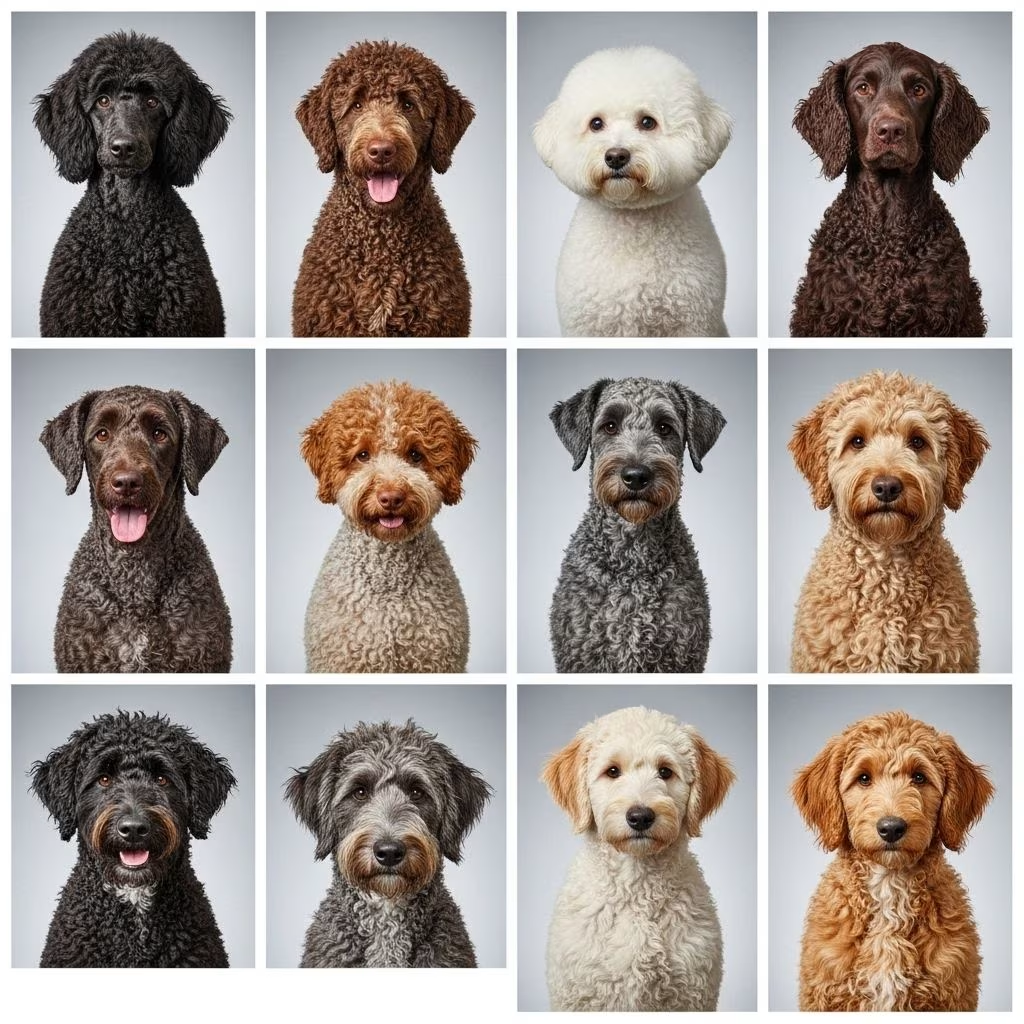
The Lagotto Romagnolo is a curly-coated Italian breed originally bred for truffle hunting. Its woolly, waterproof coat, sharp nose, and lively temperament make it a favorite among those seeking a versatile companion for work and play. Despite its practical skills and affectionate nature, the breed remains uncommon outside truffle-growing regions.
- Country of Origin: Italy
- Distinctive Traits: Curly coat, keen scent for truffles
- Temperament: Affectionate, energetic, undemanding
Skye Terrier
The Skye Terrier is a long, low terrier once adored by Queen Victoria. With its distinctive, flowing coat and determined spirit, the Skye Terrier is intelligent, loyal, and often reserved with strangers. Modern urbanization and changing tastes have contributed to its rarity, despite its historic popularity.
- Country of Origin: Scotland
- Distinctive Traits: Long, straight coat; short legs
- Temperament: Loyal, dignified, independent
Dandie Dinmont Terrier
The Dandie Dinmont Terrier boasts a unique appearance with a topknot of hair and elongated body. Hailing from the border area between Scotland and England, Dandie Dinmonts are cheerful, affectionate, and surprisingly strong for their size. The small size of the breed population makes them particularly rare.
- Country of Origin: United Kingdom
- Distinctive Traits: Long body, domed forehead, topknot
- Temperament: Friendly, witty, brave
Sussex Spaniel
The Sussex Spaniel is a sturdy, low-slung dog bred for hunting in the dense woodlands of southern England. Known for its distinctive golden-liver coat and gentle disposition, the Sussex Spaniel faces challenges in breeding and demand, keeping its numbers closely managed by enthusiasts.
- Country of Origin: England
- Distinctive Traits: Golden-liver color, short legs
- Temperament: Gentle, cheerful, sociable
Sealyham Terrier
The Sealyham Terrier, developed in Wales for hunting badgers and foxes, is a rare breed with a wiry, white coat and a spirited personality. Once favored by celebrities in the early 20th century, the Sealyham population declined sharply, making them a hidden gem for Terrier lovers.
- Country of Origin: Wales
- Distinctive Traits: White wiry coat, compact build
- Temperament: Courageous, entertaining, affectionate
Pumik
The Pumik from Hungary combines curly fur and high intelligence. Originally a sheepdog, the Pumik’s compact body, expressive ears, and agility make it suitable for dog sports, but their numbers are still very low globally.
- Country of Origin: Hungary
- Distinctive Traits: Curly coat, upright ears
- Temperament: Agile, clever, lively
Canaan Dog
The Canaan Dog is one of the oldest breeds, tracing back thousands of years to ancient Israel. Adapted to harsh environments and originally used for herding and guarding, Canaan Dogs are rare outside their native lands and prized for intelligence and adaptability.
- Country of Origin: Middle East (Israel)
- Distinctive Traits: Medium build, intelligent, vigilant
- Temperament: Loyal, trainable, reserved
Xoloitzcuintli
The Xoloitzcuintli is Mexico’s ancient hairless dog of mythological fame. Revered for over 3,000 years as guardians and healers, Xolos exist in toy, miniature, and standard sizes. Their numbers are growing, but they remain a rare and cherished breed with a unique appearance.
- Country of Origin: Mexico
- Distinctive Traits: Hairless (or coated), elegant body, calm nature
- Temperament: Loyal, calm, intelligent
Grand Bleu de Gascogne
The Grand Bleu de Gascogne is a large, ancient French hound with a striking bluish mottled coat. Used for hunting wild boar and deer, these hounds are rare even in France, known for their melodious baying and patient temperament.
- Country of Origin: France
- Distinctive Traits: Mottled blue-black coat, hunting skills
- Temperament: Patient, sociable, persistent
Kooikerhondje
The Kooikerhondje, a Dutch breed, was historically used for duck hunting. Its feathery tail and cheerful energy make the Kooikerhondje a delightful companion, but its limited presence outside the Netherlands contributes to its rarity.
- Country of Origin: Netherlands
- Distinctive Traits: Feathery tail, orange-red and white coat
- Temperament: Cheerful, alert, responsive
Pumi
Not to be confused with the Pumik, the Pumi is also from Hungary and is a lively herding breed, boasting a curly coat and energetic disposition. Used on farms, Pumis have gained recognition but remain rare due to limited breeding outside their homeland.
- Country of Origin: Hungary
- Distinctive Traits: Curly coat, alert expression
- Temperament: Energetic, clever, affectionate
Stabyhoun
The Stabyhoun is a Dutch breed with hunting and pointing skills, especially valued for its gentle nature and versatility. With only a few thousand dogs even in its homeland, this breed is among the rarest sporting dogs.
- Country of Origin: Netherlands
- Distinctive Traits: Black and white coat, balanced conformation
- Temperament: Gentle, intelligent, multi-purpose
Rare Dog Breeds Comparison Table
| Breed Name | Origin | Main Distinctive Feature | Temperament |
|---|---|---|---|
| Otterhound | England | Waterproof coat & webbed feet | Friendly, inquisitive |
| Bergamasco Sheepdog | Persia/Italy | Flocked coat | Intelligent, sociable |
| Norwegian Lundehund | Norway | Six toes per foot | Playful, loyal |
| Azawakh | West Africa | Slim and tall frame | Protective, athletic |
| English Foxhound | England | Keen scent | Sociable, energetic |
| Sloughi | North Africa | Graceful build | Aloof, loyal |
| Harrier | England | Endurance runner | Energetic, social |
| Polish Lowland Sheepdog | Poland | Shaggy coat | Clever, confident |
| Chinook | USA | Sledding build | Patient, devoted |
| Lagotto Romagnolo | Italy | Curly coat | Affectionate, lively |
FAQs About Rare Dog Breeds
Q: What makes a dog breed “rare”?
A: A rare dog breed is defined by the limited number of registered individuals and its low overall population, often due to specialized needs, historic decline, or geographic isolation.
Q: Are rare breeds more difficult to own?
A: Rare breeds may have specific care requirements, such as distinct grooming needs or energetic temperaments, but many adapt well as family pets when given the right environment.
Q: Can rare breeds participate in dog shows and sports?
A: Yes, most rare breeds recognized by major kennel clubs can compete in dog shows and sports. Their intelligence and abilities often shine in specialized events.
Q: Why preserve rare breeds?
A: Preserving rare breeds maintains genetic diversity, cultural history, and unique canine traits that enrich the broader world of dogs.
Q: How can I adopt a rare breed?
A: Seek out reputable breeders, rescue groups, or national breed clubs specializing in the breed. Expect to undergo thorough screening, as responsible placement is a priority.
Tips for Owners of Rare Breeds
- Research the breed’s history, common health issues, and temperament before commitment.
- Choose breeders or organizations committed to ethical breeding and preservation.
- Join breed clubs or online communities for advice and support.
- Participate in canine sports or public education to raise awareness of your breed.
The Enduring Allure of Rare Dog Breeds
Rare dog breeds offer a glimpse into the fascinating tapestry of canine evolution, human culture, and the diverse needs that shaped today’s beloved companions. Whether their strengths lie in hunting, herding, or simply unique companionship, these breeds are living treasures deserving awareness, celebration, and responsible stewardship.
References
- https://www.akc.org/expert-advice/dog-breeds/rare-dog-breeds-you-never-knew-existed/
- https://www.akc.org/expert-advice/dog-breeds/why-are-some-dog-breeds-rare-or-not-as-popular/
- https://www.akc.org/expert-advice/lifestyle/dog-breeds-dont-fit-the-mold/
- https://www.akc.org/expert-advice/dog-breeds/going-rare-the-joys-of-owning-a-vulnerable-breed/
- https://www.rover.com/blog/rarest-dog-breeds/
- https://www.akc.org/expert-advice/lifestyle/10-dog-breeds-probably-never-heard-of/
- https://www.thestreet.com/personal-finance/rarest-dog-breeds
- https://www.akc.org/expert-advice/dog-breeds/the-joys-of-owning-a-rare-breed/