Introduction: What Are Spitz Dog Breeds?
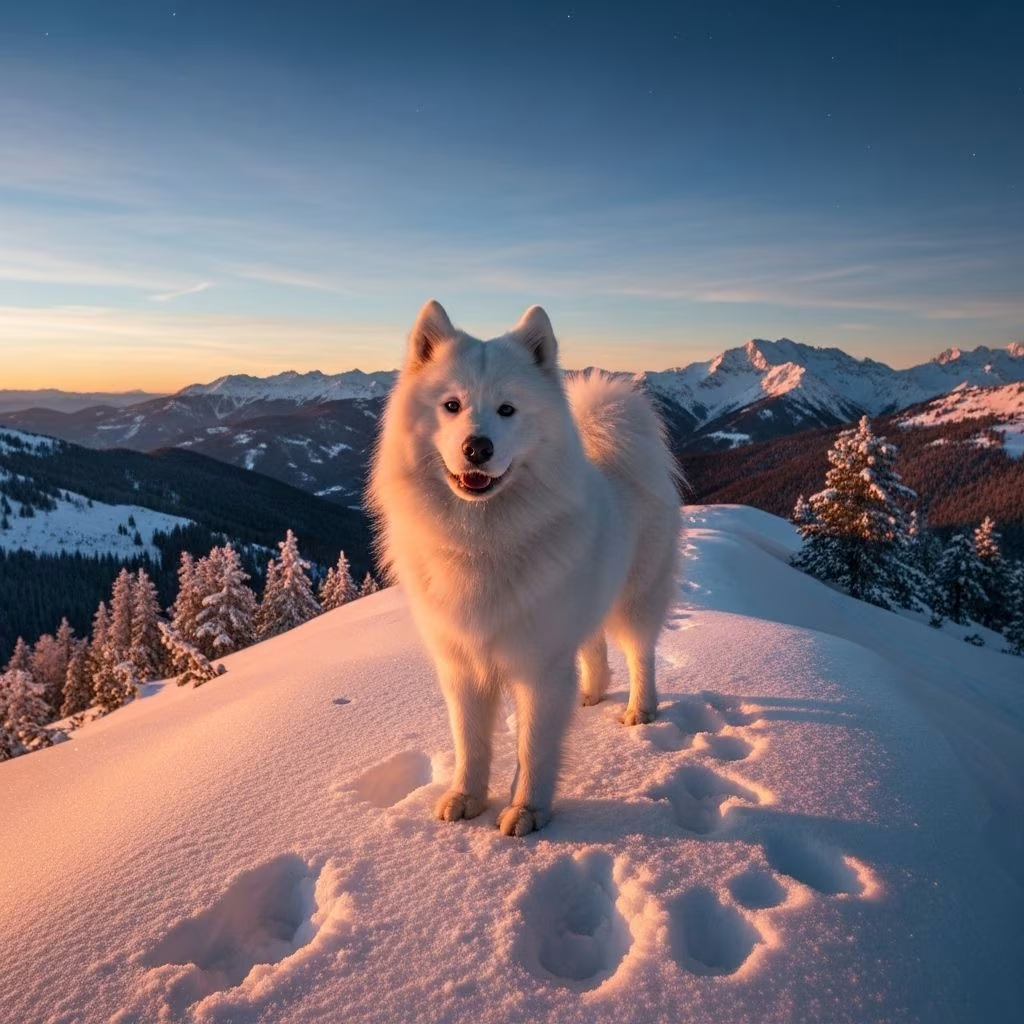
Spitz dog breeds are a group of northern dogs known for their wolf-like or fox-like features, including pointed ears, dense double coats, and tails that curl over their backs. These breeds were developed to thrive in cold climates, making them excellent companions for snowy and harsh environments. Their coats provide insulation, while their upright ears and bushy tails are both functional and iconic.
Spitz breeds are found around the world, from Asia to Scandinavia, and range in size from tiny Pomeranians to large Alaskan Malamutes. While their appearances and temperaments vary, they all share a common ancestry and a set of distinctive physical traits.
Physical Characteristics of Spitz Breeds
Spitz dogs are immediately recognizable by several key features:
- Pointed, erect ears that give them an alert, wolf-like appearance.
- Dense double coat with a soft undercoat for insulation and a longer, harsher outer coat that repels moisture and snow.
- Curled tails that often rest over their backs, helping to keep their faces warm when they curl up.
- Fox-like or wolf-like faces, with almond-shaped eyes and a wedge-shaped head.
- Well-furred paws that protect against cold surfaces.
These adaptations are natural responses to the cold climates where Spitz breeds originated, such as Siberia, Scandinavia, and the Arctic.
History and Origins of Spitz Breeds
Spitz breeds are among the oldest types of dogs, with a history tracing back thousands of years. They were bred by indigenous peoples for herding, hunting, guarding, and companionship. Their work ethic and adaptability made them invaluable in harsh environments, and many breeds retain strong working instincts today.
Popular Spitz Dog Breeds
There are dozens of Spitz breeds recognized worldwide, but only a select few are officially recognized by major kennel clubs. Below is an overview of some of the most popular and distinctive Spitz breeds:
Chow Chow
The Chow Chow is one of the most ancient Spitz breeds, with artifacts from China’s Han Dynasty (around 200 B.C.) depicting these regal dogs. Known for their lion’s-mane ruff and distinctive blue-black tongue, Chow Chows were prized by Chinese nobility, served as guards, hunters, and companions. They are calm, loyal, and somewhat aloof, with a serious demeanor. Their thick coat requires regular grooming and makes them sensitive to heat.
Finnish Lapphund
Originally bred by the Sami people to herd reindeer in Lapland, the Finnish Lapphund is intelligent, courageous, and calm. These dogs are sociable and excel in herding, agility, and rally sports. Their dense coat and friendly nature make them well-suited to families and active homes.
Finnish Spitz
The Finnish Spitz, or “Finkie,” is a small, fox-like breed renowned for its bird-hunting skills. Developed in Finland, these dogs use a unique vocal style—yodeling and yapping—to alert hunters to game. They are sensitive, intelligent, and require early socialization to manage their tendency to bark.
Norwegian Elkhound
One of Europe’s oldest breeds, the Norwegian Elkhound has a rich history with Vikings and later served as a herder and guard dog in rural Norway. These dogs are athletic, friendly, loyal, and reserved with strangers. Their dense, silver-gray coat protects them from harsh weather.
Norwegian Lundehund
The Norwegian Lundehund is uniquely adapted to hunting puffins on rocky cliffs. With six toes, extra paw pads, and flexible joints, these dogs can squeeze into tight spaces. They are rare, friendly, and require plenty of mental and physical stimulation.
Siberian Husky
Widely regarded as the ultimate sled dog, the Siberian Husky was developed by the Chukchi people of northeastern Asia. These dogs are known for their endurance, friendliness, and playful nature. Huskies need ample exercise and mental engagement to prevent destructive behaviors.
Swedish Vallhund
The Swedish Vallhund is a Scandinavian Spitz with Viking roots, bred as an all-purpose farm dog and cattle herder. Their low-slung, wolf-like appearance and energetic, confident temperament make them excellent companions for active families.
Spitz Breed Comparison Table
| Breed | Origin | Size | Coat | Main Traits |
|---|---|---|---|---|
| Chow Chow | China | Medium | Thick, double | Aloof, calm, distinctive tongue |
| Finnish Lapphund | Finland | Medium | Dense, double | Intelligent, sociable, herder |
| Finnish Spitz | Finland | Small | Dense, double | Vocal, energetic, fox-like |
| Norwegian Elkhound | Norway | Medium | Dense, double | Loyal, athletic, reserved |
| Norwegian Lundehund | Norway | Small | Dense, double | Flexible, rare, playful |
| Siberian Husky | Siberia | Medium | Thick, double | Friendly, energetic, high prey drive |
| Swedish Vallhund | Sweden | Small/Medium | Dense, double | Energetic, herding, confident |
Personality and Temperament
Spitz breeds typically share some common personality traits, although individual breeds and dogs may differ:
- Loyal and Affectionate: Most Spitz breeds form strong bonds with their families and are deeply loyal.
- Independent Thinkers: These dogs are intelligent and capable of problem-solving, but may be stubborn and difficult to train if not properly motivated.
- Energetic and Playful: Many Spitz breeds are lively and enjoy vigorous exercise, especially those bred for sledding or herding.
- Watchful and Alert: Their history as working and guard dogs means they are often keen observers and good watchdogs.
- Socialization Needs: Early socialization is important for Spitz breeds, as some may be wary of strangers or exhibit strong prey drives.
Care and Maintenance
Caring for a Spitz breed requires attention to their unique needs, especially their thick coats and active natures:
Grooming
Most Spitz breeds have dense, double coats that require regular brushing to prevent matting and reduce shedding. Seasonal coat “blowouts” are common, and during these times, daily grooming may be necessary.
Exercise
Spitz breeds are generally active and require daily physical activity. Long walks, hikes, and play sessions are essential to keep them mentally and physically stimulated. Breeds with high prey drives, such as the Siberian Husky and Finnish Spitz, may benefit from activities that channel their energy constructively.
Training
Positive reinforcement works best for Spitz breeds, which can be independent and sometimes stubborn. Consistency, patience, and early socialization are key to raising a well-behaved Spitz dog.
Living Conditions
Due to their thick coats, many Spitz breeds do best in cooler climates and may struggle in hot, humid weather. Homes with air conditioning or plenty of shade are recommended during summer months.
Health Considerations
Spitz breeds are generally hardy, but there are some breed-specific health concerns to be aware of:
- Hip Dysplasia: Common in larger Spitz breeds like the Chow Chow and Alaskan Malamute.
- Eye Problems: Some breeds may be prone to cataracts or progressive retinal atrophy.
- Skin Conditions: Thick coats can hide skin issues, so regular checks are important.
- Obesity: Active breeds need proper diet and exercise to avoid weight gain.
Regular veterinary check-ups, a balanced diet, and proper grooming can help keep Spitz breeds healthy and happy.
Choosing the Right Spitz Breed for Your Home
When selecting a Spitz breed, consider your lifestyle, experience with dogs, and environment:
- Activity Level: Active breeds like the Siberian Husky and Finnish Lapphund require lots of exercise, while Chow Chows may be satisfied with less intense activity.
- Temperament: Some breeds are more independent and aloof, while others are sociable and playful.
- Grooming Commitment: Thick coats demand regular maintenance.
- Climate: Spitz breeds generally thrive in cooler climates and may struggle in heat.
Research individual breeds, talk to reputable breeders, and consider adoption from rescue organizations to find the perfect match for your household.