Whippet vs. Italian Greyhound: A Comprehensive Breed Comparison
Whippets and Italian Greyhounds are two elegant, athletic sighthound breeds often compared due to their strikingly similar appearances and shared ancestry. However, beneath their graceful forms lie important differences that influence temperament, care requirements, and suitability for different lifestyles. This guide explores their origins, physical traits, personalities, training challenges, and more to help you determine which breed might be the right companion for you.
More Than Miniature Greyhounds: Similarities and Shared Heritage
Whippets and Italian Greyhounds (often called “IGs”) are frequently mistaken for one another, and both have a reputation as “miniature Greyhounds.” In reality, they are distinct breeds with parallel but separate development histories. Both trace their ancestry to the ancient sighthounds of Egypt and Europe, prized for their speed and agility in hunting by sight rather than scent.
Today, Whippets are classified in the Hound Group, while Italian Greyhounds belong to the Toy Group. Despite their size differences, both breeds share key sighthound characteristics, including:
- Lithe, graceful build
- Long, arched backs and deep chests
- Slim, muscular legs built for speed
- Short, smooth, low-maintenance coats
- A strong instinct to chase moving objects
A Blurry Background: Breed History and Development
Both breeds have ancient roots, with depictions of similar sighthound forms dating back thousands of years to Egyptian tombs and Medieval tapestries. These dogs were originally valued by hunters for their ability to visually track and rapidly pursue prey in open fields, in contrast to scent hounds that track by smell.
The exact origins of the Italian Greyhound and Whippet remain somewhat mysterious. While Whippets were definitively developed in England for rabbit hunting and later as racing dogs, the Italian Greyhound’s purpose is debated. Some believe IGs served primarily as companions for nobility, while others assert they also had a hunting role. Regardless, both breeds have long been appreciated for their speed, beauty, and companionship.
Physical Appearance and Size
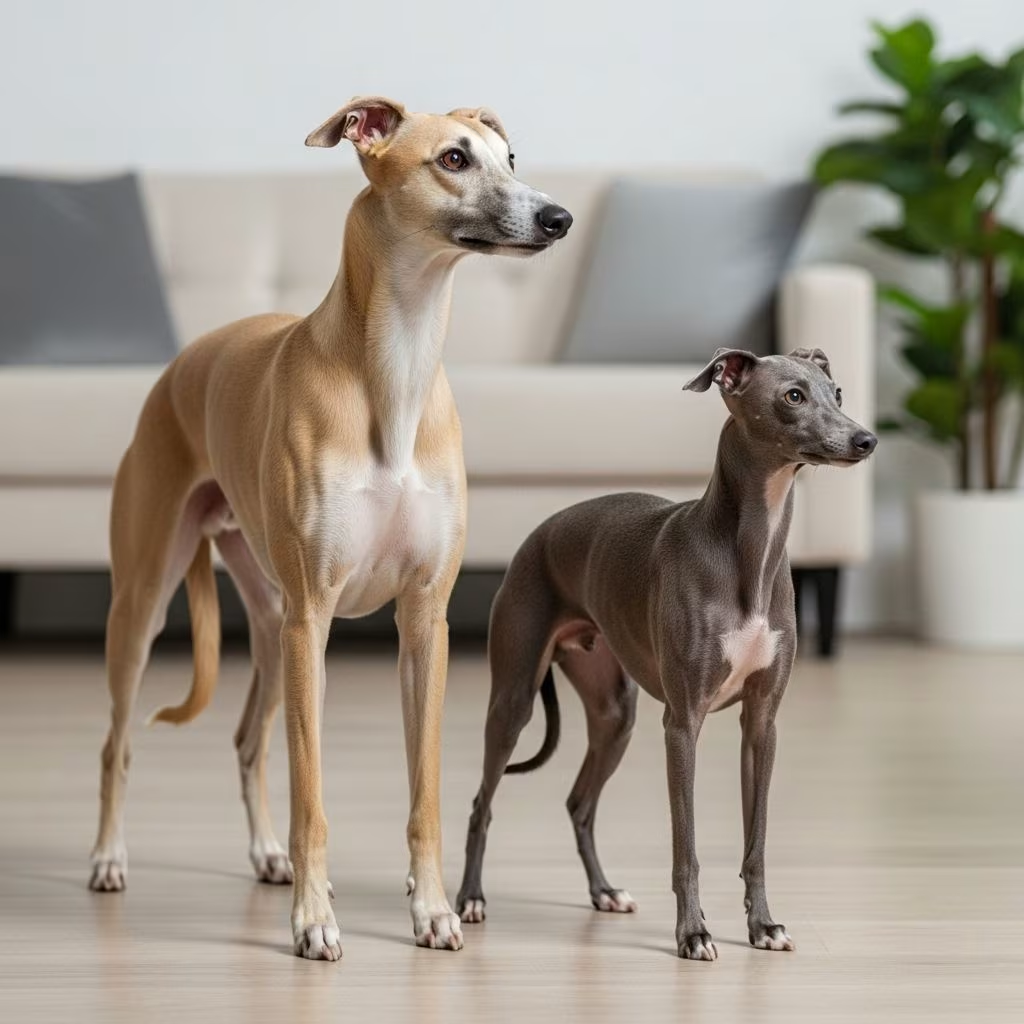
At first glance, Whippets and Italian Greyhounds appear almost identical except for size. Delving deeper reveals key traits that distinguish the two.
| Feature | Whippet | Italian Greyhound |
|---|---|---|
| Height | 17.5–22 inches (45–56 cm) at the shoulder | 13–15 inches (33–38 cm) at the shoulder |
| Weight | 25–40 pounds (11–18 kg) | 7–14 pounds (3–6 kg) |
| Body Type | Muscular, but slim and balanced; slightly broader chest | Very slender, fine-boned, and delicately built |
| Coat | Short, smooth; many colors and patterns, including solid and brindle | Short, smooth; mostly shades of grey, black, isabella, with limited white markings (especially in Europe) |
| Face & Expression | Gentle, soulful eyes; elegant muzzle | Refined, slender, with a “swan-like” neck and fine features |
While the size difference is obvious, subtle differences like the Whippet’s more robust neck and chest contrast with the IG’s exceptionally fine and graceful lines.
Temperament and Personality
Whippets and Italian Greyhounds share affectionate natures and thrive on human companionship, but there are distinct differences in their personalities and daily behavior.
Whippet Temperament
- Laid Back: Known for being relaxed, gentle, and content to lounge for hours once their exercise needs are met. Whippets often nap much of the day after a good run.
- Adaptable Companions: Pleasant and unobtrusive indoors, making them excellent family or single-person dogs in a variety of home settings.
- Quiet and Sensitive: Usually reserved, not prone to unnecessary barking; enjoy snuggling and affection but are less demanding than IGs.
Italian Greyhound Temperament
- Quirky and Playful: IGs are more animated than Whippets, with bursts of silly, “clownish” behavior, especially during play. They remain energetic but also love their naps after playtime.
- Affectionate Velcro Dogs: These dogs bond tightly to their owners, crave attention, and often become lap dogs. IGs may shadow their humans from room to room, seeking constant closeness.
- Sensitive and Timid: Many IGs are wary of strangers or new situations. Early socialization is important to build confidence.
Both breeds require gentle handling and patience, as harsh discipline or loneliness can affect their well-being.
Exercise, Living Needs, and Suitability
Despite their delicate appearance, Whippets and Italian Greyhounds are natural athletes. They thrive on regular outdoor activity and excel in dog sports, agility, and running games.
- Whippets: As medium-sized sighthounds, Whippets enjoy bursts of high-speed running—often called “zoomies”—followed by serene relaxation. They are content with daily walks and occasional off-leash exercise in a secure area. Due to their size and stamina, they make exemplary jogging, hiking, or even beach companions.
- Italian Greyhounds: While they weigh far less than Whippets, IGs are surprisingly energetic and agile. They need frequent play sessions and outdoor walks, but are generally well-suited to smaller homes or apartments as long as their activity needs are addressed. Their fine bones require caution during active play, especially around larger dogs or rough surfaces.
Both breeds:
- Prefer soft bedding and warm environments (their thin coats provide little insulation)
- Should always have a securely fenced area for off-leash exercise, as their chase instinct is strong and sudden
- May excel at dog sports such as lure coursing or agility
Trainability, Socialization, and General Care
Both breeds are intelligent and eager to interact with their owners, but their independent streaks and sighthound natures present unique training challenges.
- Whippet Trainability: Whippets are generally easier to house train and more docile in temperament. While they can be stubborn, they respond well to positive, patient training sessions. Whippets do best with consistent routines and clear expectations. Some may excel in obedience and rally activities.
- Italian Greyhound Trainability: IGs are clever and can learn tricks, but their short attention spans and delicate nature make training more challenging. They can be particularly difficult to potty train, requiring extra patience and a gentle, reward-based approach. They are highly sensitive to harsh corrections or changes in routine.
Socialization: Early and ongoing socialization is vital for both breeds to prevent shyness, nervousness, or excessive timidity, especially in IGs. Exposure to people, calm dogs, and various environments is recommended from puppyhood.
Grooming Needs: Both Whippets and IGs have short, smooth coats that require minimal grooming—typically just a weekly brushing and occasional baths. However, their thin skin is prone to cuts, and they are sensitive to cold. Sweaters or coats may be necessary in chilly weather.
Health and Well-Being:
- Regular veterinary care and preventive health checks are essential for both breeds, given some genetic predispositions (e.g., dental issues in IGs, heart conditions).
- Both breeds are prone to dental disease; daily tooth brushing is especially important for IGs.
- Due to their low body fat, anesthesia and certain medications require veterinary oversight familiar with sighthounds.
Whippet vs. Italian Greyhound: Quick Comparison Table
| Aspect | Whippet | Italian Greyhound |
|---|---|---|
| AKC Group | Hound | Toy |
| Height | 17.5–22 in | 13–15 in |
| Weight | 25–40 lbs | 7–14 lbs |
| Temperament | Laid back, gentle, independent | Quirky, affectionate, sensitive |
| Exercise Needs | Moderate–high, enjoys running | Moderate, enjoys play and walks |
| Trainability | Moderate (sometimes stubborn) | Difficult, especially house training |
| Best For | Active individuals/families, those with yards | Apartment dwellers, attentive owners |
| Lifespan | 12–15 years | 13–15 years |
| Grooming Needs | Low | Low (but dental care is crucial) |
Frequently Asked Questions (FAQs)
Q: How do I distinguish a Whippet from an Italian Greyhound without knowing their weight?
A: Size is the easiest indicator, but in absence of a direct comparison, Whippets are more robust and muscular while Italian Greyhounds are extremely fine-boned and delicate. Also, Whippets typically have a slightly broader chest and more developed muscles.
Q: Are Whippets or Italian Greyhounds better with children?
A: Both breeds can be good with older, respectful children, but Whippets tend to be sturdier and more tolerant. IGs’ fragile bones are at greater risk of injury from rough play, so they are generally better suited to households with adults or older kids.
Q: Which breed is easier to train?
A: Whippets are usually easier to house train and can learn commands reliably with patience. Italian Greyhounds, though clever, can be quite challenging to potty train and require gentle, highly consistent methods.
Q: Do these breeds get along with other pets?
A: Both Whippets and IGs can get along with other dogs, especially other sighthounds. However, their prey drive means supervision around small pets (rodents, birds, cats) is essential.
Q: Are Whippets and Italian Greyhounds hypoallergenic?
A: Neither breed is hypoallergenic, though their short coats shed minimally and may be less likely to trigger allergies compared to many other breeds.
Choosing the Right Sighthound
While both the Whippet and Italian Greyhound are loving, graceful, and athletic companions, the right choice comes down to your living situation, lifestyle, and personal preferences. The Whippet, with its moderate size and easygoing temperament, fits well in active households or those seeking a versatile family dog. The IG, smaller and more sensitive, excels as a lap companion in attentive homes, especially where its delicacy is understood and respected. Understanding the subtle but important distinctions between these breeds is crucial for a fulfilling match between dog and owner.