Cairn Terrier: The Spirited and Tenacious Scottish Terrier
The Cairn Terrier is among Scotland’s oldest working dogs, renowned for its spirited personality, distinctive appearance, and determined work ethic. Once celebrated as a fearless hunter of vermin across rugged Scottish landscapes, the Cairn Terrier is now cherished worldwide as a loyal companion, admired for its friendly nature and unmistakable character. This comprehensive breed guide explores the heritage, traits, care, and enduring charm of the Cairn Terrier.
Breed Overview
| Breed Group | Terrier |
|---|---|
| Height | 9.5 to 10 inches at the shoulder |
| Weight | 13 to 14 pounds (male); 12 to 13 pounds (female) |
| Life Expectancy | 13 to 15 years |
| Coat | Double, harsh and weather-resistant outer coat with a soft undercoat |
| Colors | Cream, wheaten, red, gray, brindle, and black (not white) |
| Temperament | Alert, cheerful, tenacious, independent |
History of the Cairn Terrier
The Cairn Terrier’s origins stretch back centuries, rooted in the Scottish Highlands and the Isle of Skye. The breed emerged from a common pool of working terriers used by Scottish farmers, hunters, and crofters for controlling vermin such as foxes, badgers, otters, rabbits, and rats. Dating back at least to the 14th century, these hardy terriers were essential on farms and estates, often working in packs to drive prey from piles of rocks known as “cairns,” which were used for boundary marking and memorials.
- Name Origin: The breed’s name comes from their skill at flushing out rodents hiding in cairns or stone piles.
- Breed Development: Although many Scottish terrier types coexisted, it wasn’t until the 19th century that specific breeds were identified. The Cairn Terrier is regarded as a progenitor breed for the Scottish Terrier, the Skye Terrier, and the West Highland White Terrier.
- Key Historical Figures: Captain Martin MacLeod and other Scottish sportsmen were instrumental in breeding and developing early Cairn strains. In the early 20th century, pioneers such as Mrs. Alastair Campbell and Mary Hawke helped earn the breed official recognition by The Kennel Club in 1912.
- American Milestones: Mrs. Henry F. Price brought the first Cairns to the U.S. in 1913, leading to their registration by the American Kennel Club and the founding of the Cairn Terrier Club of America in 1917.
Appearance
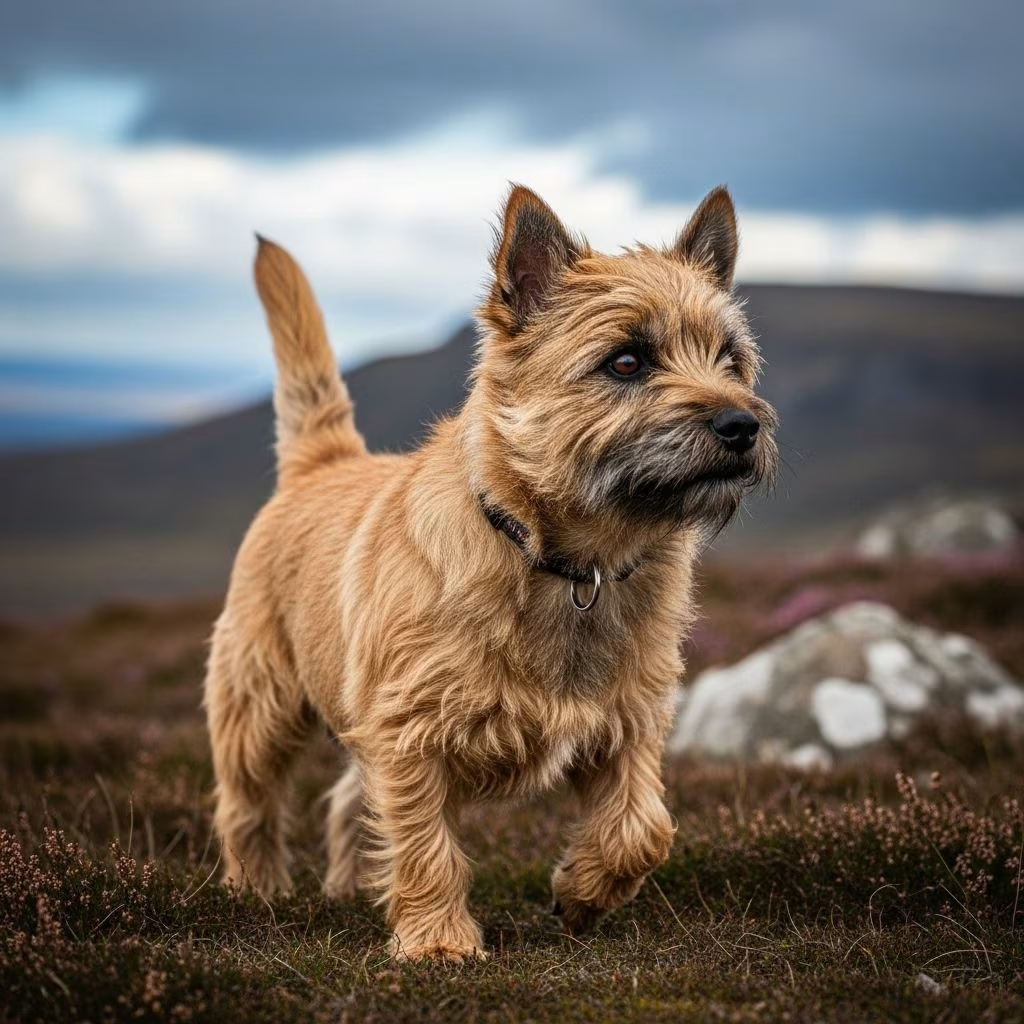
Cairn Terriers have a distinctive, rugged appearance that reflects their working heritage. They are small but sturdy, with a slightly shaggy look that makes them both charming and practical in the field.
- Size: Approximately 9.5 to 10 inches tall at the shoulder and weighing between 12 to 14 pounds.
- Body: Compact, well-muscled, and agile, built for quick maneuvering and digging.
- Coat: Dense double coat—harsh and weather-resistant outer coat with a soft, insulating undercoat. This coat protects them from Scotland’s harsh climate.
- Colors: A wide range including cream, wheaten, red, gray, brindle, and black. White is not accepted in modern standards (white Cairns evolved into West Highland White Terriers).
- Head and Expression: Broad head with erect, pointed ears and expressive dark eyes, conveying intelligence and alertness.
- Feet: Notably, their front paws are larger and heavily padded, which aided them in digging out prey from rocky crevices.
Personality and Temperament
The Cairn Terrier is celebrated for its lively, resourceful, and determined disposition. These dogs are affectionate with family yet maintain an independent streak—a hallmark of their working roots.
- Intelligent and Curious: Always keen to investigate their surroundings.
- Alert and Watchful: Will immediately sound the alarm if anything unusual occurs.
- Cheerful and Fun-Loving: Enjoy play and are seldom boring, though rarely silly. Known for a sunny disposition.
- Bold and Tenacious: Famous for fearlessly facing off against animals much larger than themselves. This legendary persistence means they rarely back down.
- Independent Yet Loyal: Not typically clingy or needy, but enjoy spending time with their people and thrive on companionship.
- Good with Children: Generally friendly and playful with kids, though supervision and early socialization are important.
- Great with Other Dogs: Known to get along with fellow canines when socialized well, although their hunting instincts mean caution is advised around smaller pets.
Living with a Cairn Terrier
Cairn Terriers adapt well to different living situations, from country estates to city apartments, as long as their activity needs are met and mental stimulation is provided. Their energetic and curious nature makes them both delightful companions and, at times, a handful.
- Exercise Needs: Daily physical activity is essential. Cairns enjoy brisk walks, play sessions, and opportunities to dig and explore. A bored Cairn may become mischievous or develop behavioral problems.
- Mental Stimulation: These terriers thrive on problem-solving and interactive games. Training sessions, puzzle toys, and scent work help keep their sharp minds engaged.
- Home and Yard: Fenced yards are recommended, as Cairns have strong hunting instincts and may chase after small animals. Their love of digging should be considered when landscaping.
- Companionship: Cairns dislike being left alone for extended periods. They are happiest when involved in family life and activities.
Grooming and Maintenance
Though endowed with a rugged, weather-resistant coat, Cairn Terriers are relatively easy to groom, provided their unique double coat is maintained properly. Regular care helps preserve their distinctive appearance and contributes to health and comfort.
- Brushing: Brush the coat weekly to remove loose hairs and prevent matting, paying special attention to the undercoat.
- Hand-Stripping: Professional hand-stripping several times a year removes dead outer hairs and retains the coat’s natural texture. Clippers may be used for pet Cairns, though this will soften coat texture over time.
- Bathing: Infrequent bathing is best—Cairns have a coat that sheds dirt naturally, and frequent washing may reduce its weather resistance.
- Nail and Ear Care: Regular nail trims and ear cleaning help prevent common problems.
Training and Socialization
Cairn Terriers are intelligent, quick learners, but also have a strong independent streak that can challenge even an experienced handler. Early and consistent training is key to a well-mannered pet.
- Start Early: Begin socialization and basic training as puppies to encourage positive behaviors and confidence.
- Positive Reinforcement: Reward-based methods yield the best results—Cairns respond well to treats, praise, and interactive play.
- Consistency is Key: Be patient and consistent, as stubborn moments are not uncommon.
- Channeling Energy: Training sessions should be engaging, incorporating both mental and physical elements.
- Housetraining: Usually straightforward with routine and rewards, though patience may be necessary with some individuals.
Health and Lifespan
Generally robust and long-lived, Cairn Terriers benefit from careful breeding and responsible ownership. Their hardy constitution is a credit to their working heritage, but as with any breed, specific health conditions can occur.
- Average Lifespan: 13 to 15 years, with some reaching well into their late teens.
- Common Health Concerns:
- Craniomandibular Osteopathy (a bone disease of young puppies)
- Hip Dysplasia (though less common than in larger breeds)
- Progressive Retinal Atrophy and other inherited eye disorders
- Hypothyroidism
- Allergies and skin issues
- Regular Veterinary Care: Annual exams, vaccinations, parasite prevention, and health screenings are vital for maintaining lifelong wellness.
- Responsible Breeding: Choose a reputable breeder who screens for genetic diseases and adheres to breed standards.
Cairn Terriers in Popular Culture
The Cairn Terrier gained enduring fame as Toto in the classic film “The Wizard of Oz,” and their star quality has made them beloved household pets and media darlings ever since. Their winsome appearance, cleverness, and charisma have cemented their place in the hearts of dog lovers the world over.
- Toto: Perhaps the most famous Cairn Terrier, Toto played a pivotal role alongside Dorothy in “The Wizard of Oz,” introducing generations to the breed’s irresistible charm.
- Contemporary Popularity: Cairn Terriers continue to appear in films, television, and advertising, reinforcing their status as a favorite companion breed.
Is a Cairn Terrier Right for You?
Cairn Terriers make delightful companions for individuals and families willing to meet their exercise, training, and companionship needs. Their intelligence, adaptability, and affectionate temperament make them well-suited to many lifestyles, but their independent spirit and energetic nature require engaged, patient owners.
- Ideal Owners: Active individuals or families who enjoy outdoor activities and interactive play.
- Living Spaces: Adaptable to apartments or houses, provided daily exercise is available.
- Children and Other Pets: Good with respectful children and can peacefully coexist with other dogs, though prey drive requires caution around smaller pets.
- Time Commitment: Moderate grooming, daily activity, and regular training will ensure a happy, balanced Cairn.
- Not for Everyone: Owners must appreciate the breed’s independent mind and willingness to vocalize or dig.
Fun Facts About Cairn Terriers
- Cairn Terriers are often left-pawed—a rarity among breeds.
- Their front paws are larger than their hind paws, making them expert diggers.
- A Cairn Terrier’s legendary persistence means they rarely give up, as shown by stories of famous working Cairns refusing to let go of quarry—even in water!
- The breed was nearly known as the “Short-haired Skye Terrier” before being renamed to avoid confusion with the Skye Terrier.
- White Cairns were formerly accepted but now form the foundation of today’s West Highland White Terrier.
Frequently Asked Questions (FAQs)
Q: Are Cairn Terriers good with children?
A: Yes, Cairn Terriers are generally very friendly and playful with children, making them great family dogs. Supervision and early socialization help ensure positive interactions.
Q: How much exercise does a Cairn Terrier need?
A: Cairn Terriers require daily exercise, such as brisk walks, active play, and opportunities for mental stimulation. At least 30–60 minutes of activity per day is recommended.
Q: Are Cairn Terriers easy to train?
A: Cairn Terriers are intelligent and quick learners, but their independent nature can make training challenging. Positive reinforcement and consistency are key.
Q: Do Cairn Terriers shed a lot?
A: Cairn Terriers shed minimally thanks to their harsh double coat, but regular brushing and periodic hand-stripping are needed to maintain their coat and reduce loose hair.
Q: What health problems are common in Cairn Terriers?
A: Cairns are generally healthy, but may be prone to certain genetic conditions such as craniomandibular osteopathy, hypothyroidism, and some eye disorders. Responsible breeding and regular check-ups help minimize risks.
Q: Do Cairn Terriers get along with other pets?
A: Cairn Terriers typically get along with other dogs, especially when socialized early. Due to their strong prey drive, supervision is advised around small pets such as rodents or birds.
Q: How long do Cairn Terriers live?
A: The average life expectancy of a Cairn Terrier is 13 to 15 years, with some living even longer when given proper care and regular veterinary attention.
Summary
The Cairn Terrier is a lively, adaptable, and affectionate breed with a storied past and a bright future as a cherished companion. Whether digging in the yard, exploring new trails, or relaxing with family, the Cairn’s unmistakable spirit and charm make it an enduring favorite worldwide.
References
- https://thecairnterrierclub.co.uk/history/
- https://www.scottish-at-heart.com/history-of-the-cairn-terrier.html
- https://www.cairnterrier.org/about-the-cairn-terrier/cairn-history
- https://en.wikipedia.org/wiki/Cairn_Terrier
- https://www.akc.org/expert-advice/lifestyle/fun-facts-cairn-terrier/
- https://www.cairnterrierclub.ca/cairn-terriers/cairn-terrier-history/
- https://www.cairnterrierhealth.org/about-cairns