Chow Chow Dog Breed Guide
The Chow Chow is one of the most recognizable and fascinating breeds in the canine world. Known for its distinctive lion-like mane, striking blue-black tongue, independent nature, and storied history, this ancient breed has inspired admiration and curiosity for centuries. Whether you’re considering a Chow Chow as your next companion or simply want to learn more, this detailed guide covers their origins, temperament, care requirements, health, and more.
At a Glance
- Breed Group: Non-Sporting
- Height: 17–21 inches (43–53 cm) at the shoulder
- Weight: 40–80 pounds (18–36 kg)
- Life Span: 8–12 years (some live up to 15)
- Coat: Dense double coat; rough or smooth
- Color: Red, black, blue, cinnamon, cream
Breed Origins and History
Among the oldest dog breeds known, the Chow Chow’s origins trace back to the ancient civilizations of China over two millennia ago. Revered as royal companions, temple guards, hunters, and even sled dogs throughout Chinese history, they were often featured in ancient artifacts and paintings. The breed’s name in China translates as ‘puffy-lion dog,’ which captures both their appearance and their dignified demeanor. Prized for their versatility and loyalty, Chow Chows were companions to Chinese emperors and nobles, making their way west only in the late 18th and 19th centuries where they swiftly gained international recognition.
Chow Chow Appearance
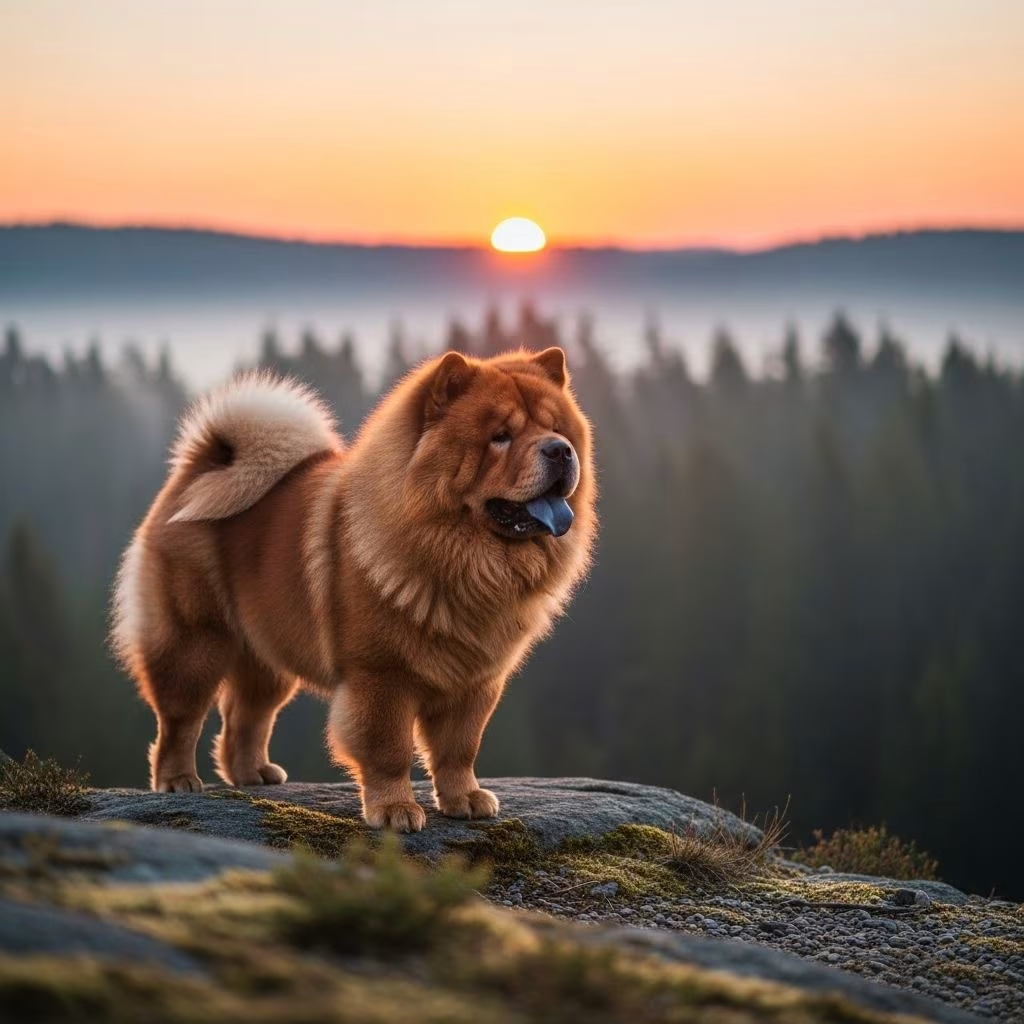
The Chow Chow stands out with its compact, square build, abundant coat, and one-of-a-kind blue-black tongue. Let’s examine the key physical traits:
- Head: Broad skull, deep-set almond-shaped eyes, pronounced wrinkles that can give a scowling expression
- Ears: Small, triangular, and erect with rounded tips
- Coat & Mane: Dense double coat—either rough (long, straight, best known) or smooth (short, plush)—with a thick ruff around the neck resembling a lion’s mane
- Color: Acceptable coat colors include shaded/self-red, black, blue, cinnamon/fawn, and cream, always solid with lighter shading sometimes on tail or feathering; multicolored or patchy coats are considered outside breed standard
- Tongue: The iconic blue-black (or purple) tongue and similarly pigmented lips, a rare trait they share only with the Shar Pei
- Tail: High-set, thickly furred tail curled elegantly over the back
- Body & Legs: Muscular, sturdy build with distinctive near-straight hind legs, contributing to the breed’s unique stilted gait
Chow Chows may seem larger due to their thick coats, but are classified as medium-sized dogs.
Personality and Temperament
From temperament to sociability, the Chow Chow is both captivating and complex. Here are the hallmark traits:
- Aloof and Reserved: The Chow Chow’s independent spirit finds frequent comparison to cats; they tend to be reserved and dignified, often forming strong bonds with a select person or family, but may be indifferent with other people.
- Loyal but Not Clingy: They are unwaveringly loyal to their loved ones, yet not typically demonstrative or affectionate in the manner of other breeds.
- Protective and Territorial: Historically utilized as palace and estate guard dogs, Chow Chows retain a strong guarding instinct; early, ongoing socialization is crucial to prevent overprotective or suspicious behaviors.
- Intelligent and Independent: They learn quickly but dislike repetition; their independence means training may require patience and creativity.
- Good With Older Children: Their dignified, sometimes intolerant attitude is usually better suited to respectful adults and older children, rather than households with very young kids.
- Quiet & Calm: Not prone to hyperactivity, Chow Chows tend to be calm and steady if their mental and physical needs are met.
While a well-socialized Chow Chow should not be aggressive, their reserved nature and deep sense of loyalty ensure they are always keeping watch. Proper training and plenty of positive experiences in puppyhood are essential to nurture a balanced temperament.
Chow Chow Care
Exercise Needs
Despite their sturdy build and endurance, Chow Chows are not intensely energetic dogs. They require daily walks and opportunities for moderate activity—unlike some breeds, they do not thrive on vigorous or chaotic exercise. Due to their straight rear legs and sturdy frame, activities that over-stress their joints should be avoided, especially in younger dogs. They enjoy a predictable routine and benefit from calm adventures like walks, moderate hikes, or canine puzzles for mental stimulation.
Training Tips
- Consistency and Respect: Chow Chows respond best to firm, respectful, and consistent training from owners who can set clear boundaries without physical punishment.
- Positive Socialization: Early and ongoing exposure to new people, dogs, and environments is vital to prevent the breed from becoming overly suspicious or territorial.
- Creativity Pays Off: Use rewards, short sessions, and variety to keep them engaged. A bored Chow is a stubborn Chow.
- Patience Required: This intelligent breed learns quickly but expects to understand “why”—building trust yields the best results.
Grooming Requirements
A Chow’s plush double coat is beautiful but high-maintenance, especially in the rough-coated variety. Key grooming tips include:
- Brushing: Thorough brushing at least two to three times per week is needed to prevent matting and remove loose hair. During shedding seasons (spring and fall), daily brushing may be necessary.
- Bathing: Bathing every 4–6 weeks (more often during heavy shedding), always followed by complete drying due to the insulating undercoat.
- Coat Type Differences: Smooth-coated Chows require less intense grooming but still benefit from regular brushing.
- Nail, Ear, and Dental Care: Regular nail trimming, ear cleaning, and tooth brushing are needed for overall health.
- Not Hypoallergenic: The Chow Chow is not hypoallergenic and sheds profusely year-round, so is unsuitable for allergy sufferers.
Chow Chow Health
Generally robust, the Chow Chow’s unique conformation and genetics make them prone to certain inherited and acquired conditions:
- Hip Dysplasia: Malformation of the hip joint leading to discomfort and mobility issues.
- Elbow Dysplasia: Similar joint issues affecting the elbow, possibly leading to lameness.
- Entropion: A condition where the eyelids roll inward, irritating or damaging the eye.
- Cataracts: Clouding of the eye lens, potentially impairing vision.
- Bloat (Gastric Dilatation-Volvulus): Life-threatening condition where the stomach fills with gas and can twist.
- Allergies: Skin and food allergies, possibly leading to chronic skin irritation and ear infections.
Other possible health issues include patellar luxation (loose kneecaps), autoimmune conditions, and increased risk for heat-related problems due to their thick coats. Regular veterinary checkups, testing of parent dogs, and prompt attention to limping or eye symptoms are critical for maintaining a Chow Chow’s health. Their average lifespan is 8–12 years, but some reach 15 with good care.
Living With a Chow Chow
Home Environment
- Best with Experienced Owners: The Chow Chow thrives in homes where members understand their unique temperament and respect their desire for independence.
- Ideal Living Space: Suited for spacious homes with a yard or plenty of walking routes; apartment living is possible if exercise needs are met and barking is controlled.
- Compatibility: Best matched with families who do not have very young children, unless children are taught how to interact respectfully with dogs. With proper introductions, they can coexist peacefully with other pets, though they may be assertive with unfamiliar dogs, especially of the same sex.
- Guarding Instincts: Make sure your property is secure; Chows take guarding territory seriously and require positive associations with visitors from an early age.
Fun Facts About the Chow Chow
- Ancient Lineage: Chow Chows are depicted in artifacts from ancient Chinese dynasties and are considered one of the world’s oldest dog breeds.
- Unique Tongue: Shar Peis are the only other breed with a blue-black tongue; mixed breed dogs with this feature likely have Chow ancestry, but it can also occur as a random genetic quirk in other breeds.
- Historical Versatility: Used as hunting, herding, pulling, and guard dogs in their homeland.
- Celebrity Chow Chows: Historical figures from emperors to Western celebrities have kept Chow Chows as companions.
- A Legendary Gait: The breed’s almost-straight hind legs contribute to its distinctive, stilted walk—one of its defining trademarks.
Adoption & Buying Considerations
- Reputable Breeders: Choose breeders who screen for health issues (hips, eyes, etc.) and prioritize temperament, not just appearance.
- Rescue Options: Many Chow Chows find their way to breed-specific rescues and shelters; adopting an adult dog can be a rewarding option.
- Cost: Chow Chow puppies from reputable breeders are often expensive due to health screening and breed popularity; ongoing grooming and healthcare can add to lifetime costs.
Frequently Asked Questions About Chow Chows
Q: What makes a Chow Chow’s tongue blue-black?
A: The blue-black pigmentation in the Chow Chow’s tongue, lips, and mouth is caused by high levels of melanin and is a dominant genetic trait unique to this breed and the Shar Pei.
Q: Are Chow Chows hypoallergenic?
A: No, Chow Chows shed consistently throughout the year and are not considered hypoallergenic; their dense double coat produces high dander.
Q: Can Chow Chows live in apartments?
A: Yes, Chow Chows can adapt to apartment living as long as their exercise needs are met and barking is controlled through proper training.
Q: Are Chow Chows aggressive?
A: A well-raised, socialized Chow Chow is not inherently aggressive, but the breed is protective, territorial, and can be wary or aloof around strangers. Early, positive socialization is essential.
Q: What is the life expectancy of a Chow Chow?
A: The typical lifespan of a Chow Chow is 8–12 years, though some can live as long as 15 years with high-quality care.
Does the Chow Chow Suit You?
If you long for a pet who is fiercely loyal yet dignified, majestic yet reserved, and brings a touch of ancient history into your home, the Chow Chow could be a wonderful match. This breed is ideal for patient, breed-savvy owners ready to provide early socialization, structured routines, and regular grooming. With deep bonds to those they trust, Chow Chows are truly one-of-a-kind companions.
References
- https://dogtime.com/dog-breeds/chow-chow
- https://www.hillspet.com/dog-care/dog-breeds/chow-chow
- https://www.aspcapetinsurance.com/resources/chow-chow/
- https://en.wikipedia.org/wiki/Chow_Chow
- https://www.akc.org/dog-breeds/chow-chow/
- https://www.purina.co.uk/find-a-pet/dog-breeds/chow-chow
- https://www.britannica.com/animal/chow-chow
- https://www.petmd.com/dog/breeds/chow-chow
- https://headsupfortails.com/blogs/dogs/chow-chow-dog-breed