Dogo Argentino: An Introduction
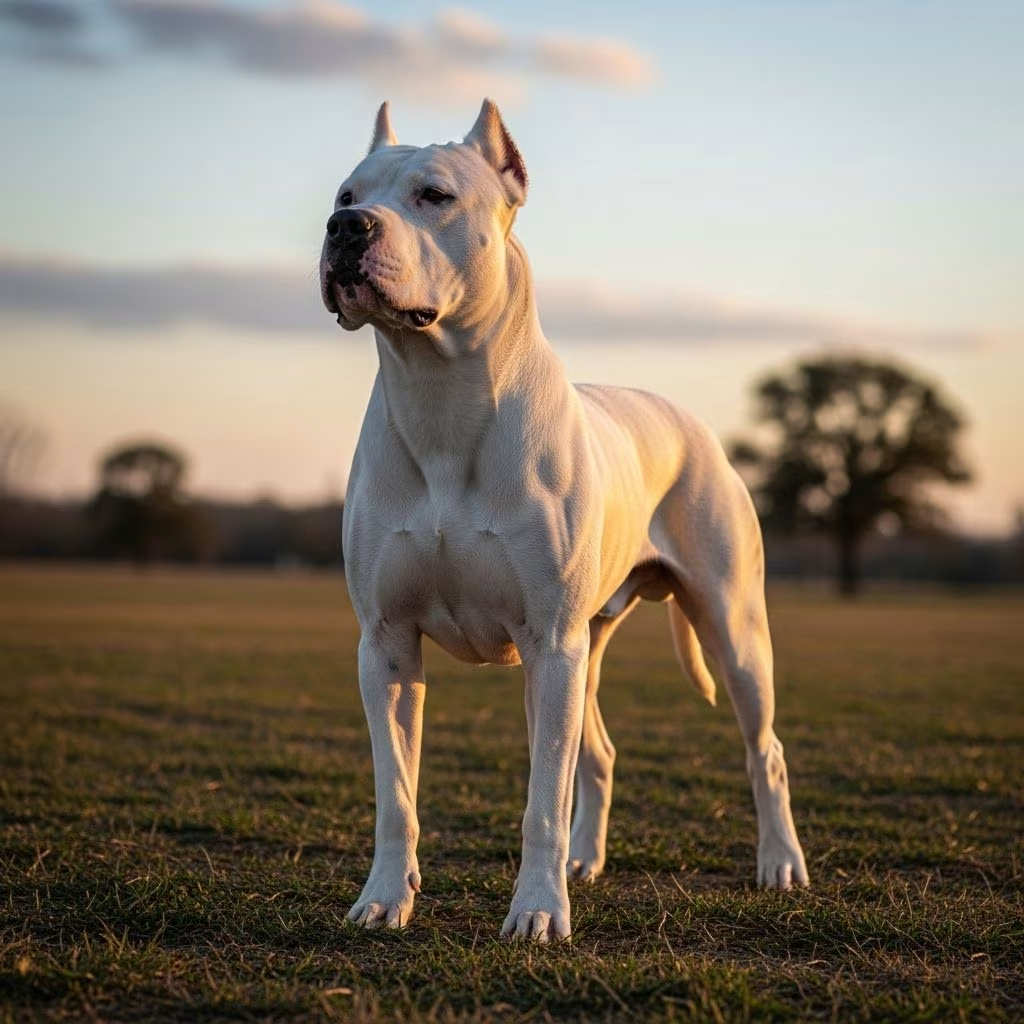
The Dogo Argentino is a large, muscular, and strikingly white dog breed developed in Argentina primarily for big-game hunting, including wild boar and puma. Created in the early 20th century by Dr. Antonio Nores Martínez, the Dogo was bred to be strong, fearless, and tenacious—capable of tracking, holding, and subduing formidable prey across varied terrain. Despite their hunting heritage, Dogos are also known for their affectionate nature toward family and a surprisingly stable temperament when properly socialized and trained.
Breed Origin and History
The Dogo Argentino traces its roots to the province of Córdoba, Argentina, where Dr. Nores Martínez set out to create a superior hunting dog by crossing the now-extinct Córdoba Fighting Dog with other breeds such as the Bull Terrier, Boxer, Great Dane, Pointer, Bulldog, Pyrenean Mastiff, Irish Wolfhound, and Spanish Mastiff. The goal was to combine strength, agility, a keen sense of smell, and a stable, less aggressive temperament suitable for pack hunting. The breed was recognized by the Federación Cinológica Argentina in 1964 and later by the Fédération Cynologique Internationale in 1973, becoming the first and only officially recognized dog breed from Argentina. The American Kennel Club (AKC) granted full recognition in 2020, marking a milestone for the breed’s global presence.
Physical Characteristics
- Appearance: The Dogo Argentino is a large, athletic, and muscular dog, with a short, sleek, and completely white coat—sometimes featuring a single black patch, which is allowed over one eye.
- Size: Males typically stand 24–26.5 inches at the shoulder; females, 23.5–25.5 inches. Weight ranges from 80 to 100 pounds for males and 75 to 90 pounds for females.
- Head and Build: The breed has a broad, powerful head, well-developed jaws, and a strong neck. Their build is balanced and harmonious, reflecting both strength and endurance.
- Coat and Grooming: Their short coat is easy to care for—weekly brushing suffices, and bathing is necessary only occasionally. They are moderate shedders.
| Attribute | Details |
|---|---|
| Average Height | M: 24–26.5 in, F: 23.5–25.5 in |
| Average Weight | M: 80–100 lbs, F: 75–90 lbs |
| Life Expectancy | 10–12 years |
| Coat Type | Short, white, easy-care |
Temperament and Personality
The Dogo Argentino is celebrated for its intelligence, loyalty, and affectionate disposition toward family. Despite their formidable appearance and hunting instincts, Dogos can be gentle companions, especially when raised with children and other pets from puppyhood. They are highly trainable, eager to please, and responsive to firm, consistent leadership. However, their strong prey drive and protective instincts require vigilant supervision around unfamiliar animals and situations. Early socialization and positive reinforcement training are essential for shaping a well-behaved, confident, and adaptable Dogo.
Training and Exercise Needs
- Training Requirements: Dogos are intelligent and eager to learn, but they need a confident handler who can establish clear leadership. Training should begin early and include obedience, socialization, and impulse control.
- Exercise Demands: As working dogs, Dogos require regular, vigorous exercise—long walks, runs, and mentally stimulating activities like agility or scent work. They thrive when engaged in purposeful tasks and can become destructive if left understimulated.
- Socialization: Exposure to various people, animals, and environments is crucial to ensure they develop into well-adjusted adults.
Care and Grooming
- Feeding: High-quality, protein-rich food suited for large breeds is recommended. Portions should be monitored to avoid obesity, especially given their active lifestyle.
- Coat Care: Minimal grooming is needed—weekly brushing, routine baths, and monthly nail trims. Their short coat makes them prone to sunburn, so shade and pet-safe sunscreen are advised in sunny climates.
- Dental and Ear Care: Regular teeth brushing and ear checks help prevent common issues in large breeds.
Health Considerations
- Common Health Issues: Hip dysplasia, deafness (especially in all-white breeds), skin conditions, and hypothyroidism are seen in the breed. Responsible breeders screen for these conditions.
- Preventive Care: Regular veterinary visits, vaccinations, parasite prevention, and maintaining a healthy weight are key to a Dogo’s longevity.
- Life Span: Dogos typically live 10–12 years with proper care.
| Common Health Issues | Preventive Measures |
|---|---|
| Hip Dysplasia | Regular screening, weight management, joint supplements |
| Deafness | BAER testing in puppies, especially in all-white lines |
| Skin Conditions | Regular bathing, sun protection, allergen management |
Living with a Dogo Argentino
The Dogo Argentino is best suited for experienced dog owners who can provide firm, loving leadership and meet the breed’s physical and emotional needs. They function well in both rural and suburban environments, provided they receive sufficient exercise and mental stimulation. While Dogos can be affectionate and protective family dogs, their size and energy make them less ideal for apartment living unless ample exercise is ensured. They are natural guardians and may be wary of strangers, so appropriate introductions are important.
Frequently Asked Questions (FAQs)
Q: Are Dogo Argentinos good family dogs?
A: Yes, when properly socialized and trained, Dogos can be loyal and affectionate family companions. They are especially good with children if raised together, but supervision is always recommended due to their size and strength.
Q: How much exercise does a Dogo Argentino need?
A: Dogos require at least 60–90 minutes of vigorous exercise daily. This can include walks, runs, playtime, and mental challenges to keep them stimulated and well-behaved.
Q: Are Dogo Argentinos aggressive?
A: While bred for hunting and displaying a strong prey drive, Dogos are not inherently aggressive toward people. Early socialization and training are essential to develop their stable, loyal temperament. Without these, they may exhibit protective or dominant behaviors.
Q: What are common health issues in Dogo Argentinos?
A: Common issues include hip dysplasia, deafness (especially in all-white lines), and skin conditions. Regular veterinary care and health screenings by responsible breeders can help minimize these risks.
Q: How do I groom a Dogo Argentino?
A: Their short, white coat is low-maintenance but prone to sunburn. Weekly brushing and occasional baths are sufficient. Regular dental and ear care are also important.
Q: Is the Dogo Argentino recognized by major kennel clubs?
A: Yes, the breed is recognized by the FCI (since 1973) and the AKC (since 2020).
Conclusion
The Dogo Argentino is a remarkable breed—strong, loyal, and intelligent, with a history rooted in big-game hunting and a future as a devoted family protector. Their unique blend of power and affection makes them rewarding companions for the right owners—those who can commit to their training, exercise, and socialization needs. With responsible ownership, the Dogo Argentino can thrive as both a working dog and a loving member of the family, embodying the spirit and versatility of their Argentine heritage.
References
- https://en.wikipedia.org/wiki/Dogo_Argentino
- https://www.dogousa.org/breed-history
- https://www.akc.org/expert-advice/dog-breeds/dogo-argentino-history/
- https://www.akc.org/expert-advice/dog-breeds/7-things-to-know-about-the-dogo-argentino/
- https://www.youtube.com/watch?v=P52f6eU8e9A
- https://www.dogoaf.com/dogo-argentino-history
- https://ebkc.org/dog-breeds/dogo-argentino/history/