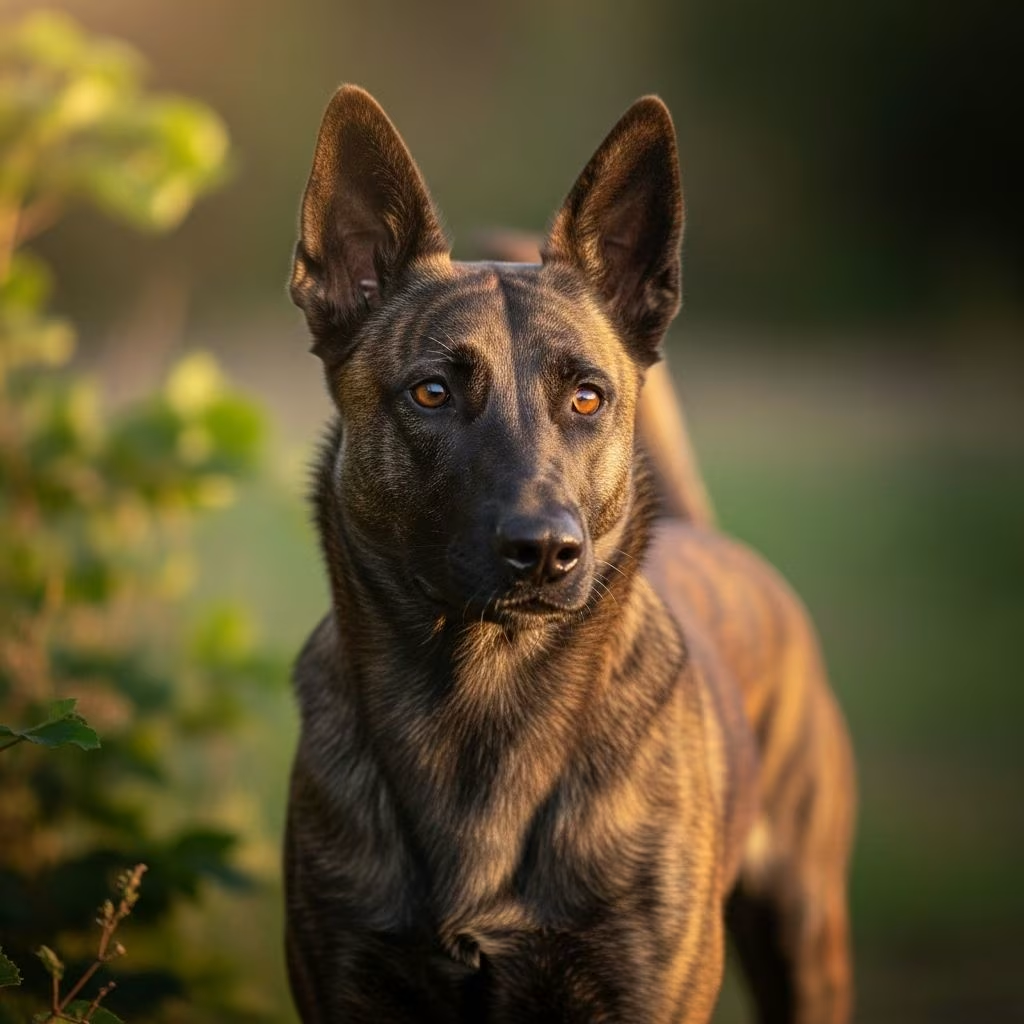
The Dutch Shepherd stands as a testament to the intelligent, adaptable, and loyal spirit that has made herding dogs the companions of choice for generations of farmers, families, and law enforcement agencies. With their distinctive brindle coats and keen expressions, Dutch Shepherds are as beautiful as they are capable. This comprehensive guide explores every facet of this remarkable breed—from origin and temperament to health, grooming, and tips for living with a Dutch Shepherd.
Breed Overview
- Group: Herding/work
- Origin: The Netherlands
- Size: Medium
- Weight: 42–70 pounds
- Height: 21–25 inches at the shoulder
- Lifespan: 11–15 years
- Coat: Short, long, or rough (all brindle)
- Temperament: Intelligent, energetic, loyal, independent, trainable
The Dutch Shepherd is prized for its versatility, work ethic, and family-friendly disposition. The breed’s athletic stature, alert expression, and unique brindle coat contribute to its distinctive appearance and enduring popularity among working dog aficionados and active families alike.
History & Heritage
Originating in the 1800s amidst the farmlands of the Netherlands, the Dutch Shepherd was bred for multipurpose work. Farmers relied on these dogs for:
- Herding sheep and cattle
- Guarding property and livestock
- Puling carts and assisting with other farm duties
The Dutch Shepherd’s adaptability became its most valued trait. As traditional farming declined in the 20th century, the breed’s future became uncertain. Through dedicated breeding programs and the breed’s natural adaptability, Dutch Shepherds found new roles in policing, military service, search-and-rescue operations, and, increasingly, as loyal family companions.
Appearance: Distinctive and Athletic
Size and Build
Medium-sized and harmonious in build, Dutch Shepherds are both sturdy and agile. They typically stand 21–25 inches at the shoulder and weigh between 42–70 pounds, with males being slightly larger and heavier than females.
| Sex | Height | Weight |
|---|---|---|
| Male | 22–25 inches | 50–70 lbs |
| Female | 21–24 inches | 42–60 lbs |
Coat Types and Colors
All Dutch Shepherds feature a brindle coat, but texture varies in three distinct types:
- Short-haired: Dense, hard, close-fitting coat. Ruff and tail plume are apparent.
- Long-haired: Long, straight, harsh coat with abundant ruff and tail plume.
- Rough-haired: Tousled, coarse, and dense; features a beard and bushy eyebrows.
Coat color is always brindle—ranging from silver to gold with a dark overlay. Some white markings may appear on the chest or toes, but these are minor.
Physical Traits
- Muscular, well-balanced frame
- Long, deep chest and strong legs
- Tail hangs down and curves slightly upward
- Medium, erect ears and almond-shaped, dark eyes
Temperament: Intelligent, Loyal, and Hardworking
The Dutch Shepherd’s temperament is a blend of loyalty, intelligence, and a pronounced work ethic. These dogs are happiest when given a job—whether that’s guarding a flock, completing obedience drills, or simply playing fetch in the backyard.
- Highly Trainable: Their intelligence and eagerness to please make them responsive to training.
- Loyal and Protective: Strong bonds with family; natural watchdogs who are alert but not unnecessarily aggressive.
- Independent but Affectionate: Capable of working alone yet keen to be part of the family. Enjoys time with loved ones and dislikes being left alone for extended periods.
- Playful and Energetic: Thrives on play and interaction, especially with children and other family pets.
- Adaptable: Can switch from hard work to relaxation effortlessly, adjusting to their family’s lifestyle and energy level.
Early socialization ensures the Dutch Shepherd grows into a well-mannered, even-tempered companion for both children and adults.
Living with a Dutch Shepherd
Exercise Needs
Dutch Shepherds require substantial daily exercise—between 90 minutes to two hours is ideal. Activities may include:
- Running, hiking, and brisk walks
- Fetch and interactive games
- Canine sports: agility, obedience, tracking
- Herding trials or similar work simulations
Without enough physical and mental stimulation, Dutch Shepherds may develop undesirable behaviors, such as destructive chewing or overexcitement.
Ideal Home Environment
- Active owners or families who enjoy outdoor activities
- Secure, fenced yard recommended
- Households where someone is home most of the day
- Environments that offer plenty of mental engagement
Dutch Shepherds are not suited to sedentary lifestyles or to being left alone for long periods. They excel in households that welcome active companionship and ongoing learning.
Compatibility with Children and Other Pets
- Generally excellent with children—appropriate introductions and supervision are recommended, especially with younger children.
- Get along with other dogs and pets, particularly if raised together or socialized from puppyhood.
- May display natural herding or protective behaviors—training helps manage this instinct appropriately.
Training and Behavior
Consistent, positive training is key with Dutch Shepherds. They respond well to reward-based methods, firm boundaries, and job-oriented tasks.
- Early Socialization: Expose to various people, pets, environments, and sounds from a young age.
- Obedience Training: Their intelligence makes them excellent candidates for advanced obedience, agility, scent work, and service dog training.
- Boundary Setting: A confident handler will establish leadership and prevent unwanted behaviors.
Boredom is the enemy of the Dutch Shepherd. Keep their mind active and training sessions short, challenging, and fun.
Health and Lifespan
Dutch Shepherds are generally robust and healthy, with a typical lifespan of 11–15 years. Regular veterinary checkups and preventative care help maintain their well-being.
Common Health Considerations
- Hip Dysplasia: Standard concern for many medium-to-large breeds. Regular monitoring and weight control can mitigate risk.
- Elbow Dysplasia: Less frequent, but worth screening for in breeding lines.
- Some hereditary eye issues can arise, though overall incidence is low due to careful breeding standards.
Responsible breeders will screen parent dogs for genetic issues. Keeping your Dutch Shepherd at a healthy weight dramatically reduces strain on joints and lowers health risks overall.
Grooming and Maintenance
Grooming needs depend on the coat type:
- Short-haired: Weekly brushing to remove loose hair and maintain coat health.
- Long-haired: Several brushing sessions per week to prevent tangles and mats; increased care during shedding seasons.
- Rough-haired: Occasional hand-stripping and more frequent brushing to remove debris and maintain texture.
All coat types benefit from baths as needed, regular ear cleaning, and nail trimming. The breed’s coat naturally protects against the elements, and the brindle pattern hides dirt well, but consistent grooming is essential for health and comfort.
Feeding Your Dutch Shepherd
A diet formulated for active, medium-sized dogs meets the Dutch Shepherd’s nutritional needs. Key points include:
- High-protein meals that support lean muscle
- Balanced sources of fat and carbohydrates for sustained energy
- Fresh water available at all times
- Monitor treat intake to prevent weight gain
Feeding portions can be adjusted based on age, weight, activity level, and specific health requirements. Consult your veterinarian for personalized recommendations.
Common Jobs and Activities
Thanks to their versatility and intelligence, Dutch Shepherds excel in diverse roles:
- Herding livestock on farms
- Police and military service
- Search-and-rescue missions
- Detection (narcotics, explosives, tracking)
- Service and therapy dog roles
- Companionship for active families
- Obedience, protection, and agility competition
The breed’s unique ability to “switch off” when the work is done makes them well-suited for homes that value both energetic play and calm companionship.
Frequently Asked Questions (FAQs)
Q: Are Dutch Shepherds good family dogs?
A: Yes, Dutch Shepherds are affectionate, loyal, and protective, making them excellent companions for active families. Early socialization and training help them get along with children and other pets.
Q: How much exercise does a Dutch Shepherd need?
A: Dutch Shepherds require at least 90 minutes to two hours of exercise daily. This should include vigorous physical activity and plenty of mental stimulation to prevent boredom and destructive behavior.
Q: Are Dutch Shepherds easy to train?
A: Dutch Shepherds are highly intelligent and eager to please, making them responsive to training. They excel with positive reinforcement and benefit from advanced training and canine activities.
Q: Do Dutch Shepherds shed a lot?
A: Shedding depends on coat type. Short-haired varieties shed moderately year-round, while long-haired and rough-coated types may shed more heavily, especially during seasonal changes. Regular brushing helps manage shedding.
Q: What are the most common health problems in this breed?
A: Dutch Shepherds are generally healthy, but hip and elbow dysplasia and some hereditary eye issues can occur. Responsible breeding and routine vet care help reduce these risks.
Is a Dutch Shepherd Right for You?
The Dutch Shepherd’s unique blend of intelligence, energy, and loyalty makes it ideal for:
- Active individuals or families seeking a devoted, energetic companion
- Those interested in dog sports, work, or ongoing training
- Households where the dog’s intelligence and need for engagement will be met
If you are committed to providing ample exercise, positive training, and plenty of companionship, the Dutch Shepherd will reward you with unwavering loyalty, protection, and friendship.
References
- https://www.wisdompanel.com/en-us/dog-breeds/dutch-shepherd-dog
- https://en.wikipedia.org/wiki/Dutch_Shepherd
- https://www.dogbreedinfo.com/dutchshepherd.htm
- https://www.chewy.com/education/dog-breeds/dutch-shepherd
- https://dogtime.com/dog-breeds/dutch-shepherd
- https://www.petmd.com/dog/breeds/dutch-shepherd
- https://www.akc.org/dog-breeds/dutch-shepherd/