Standard Schnauzer Dog Breed Overview
The Standard Schnauzer stands out as a robust and squarely-built medium-sized dog with a reputation for high intelligence, playful spirit, and fierce devotion to its family. Recognized for its characteristic bristling eyebrows, wiry coat, and engaging personality, the breed is a classic in both appearance and temperament. Originating as the foundational member of the three Schnauzer sizes, the Standard is a consummate working dog—whether guarding the home or excelling in various canine sports.
The Standard Schnauzer thrives on close interaction with humans and needs both mental and physical stimulation to remain content. Known for its adaptability, reliability, and comedic flair, this breed delivers on all fronts as a family companion and protector.
Breed History & Origins
The Standard Schnauzer traces its roots to 15th-century Germany, initially bred for multifaceted farm work—including ratting, guarding, and companionship for farmers. This original Schnauzer established the template for its Miniature and Giant relatives.
Throughout the centuries, the breed has maintained a strong desire for purpose and partnership with humans, transitioning seamlessly from versatile farmhand to beloved household guardian and performance star in obedience, agility, and therapy work.
The breed’s adaptability has made it popular worldwide as both a working and companion dog, always eager for new challenges and loyal to its family through every era.
Physical Appearance
- Size: Medium; males 18-20 inches at the shoulders, 35-50 pounds; females 17-19 inches, 30-45 pounds.
- Build: Squarely shaped, compact, sinewy, and sturdy.
- Coat: Stiff, wiry outer coat with a dense, soft undercoat.
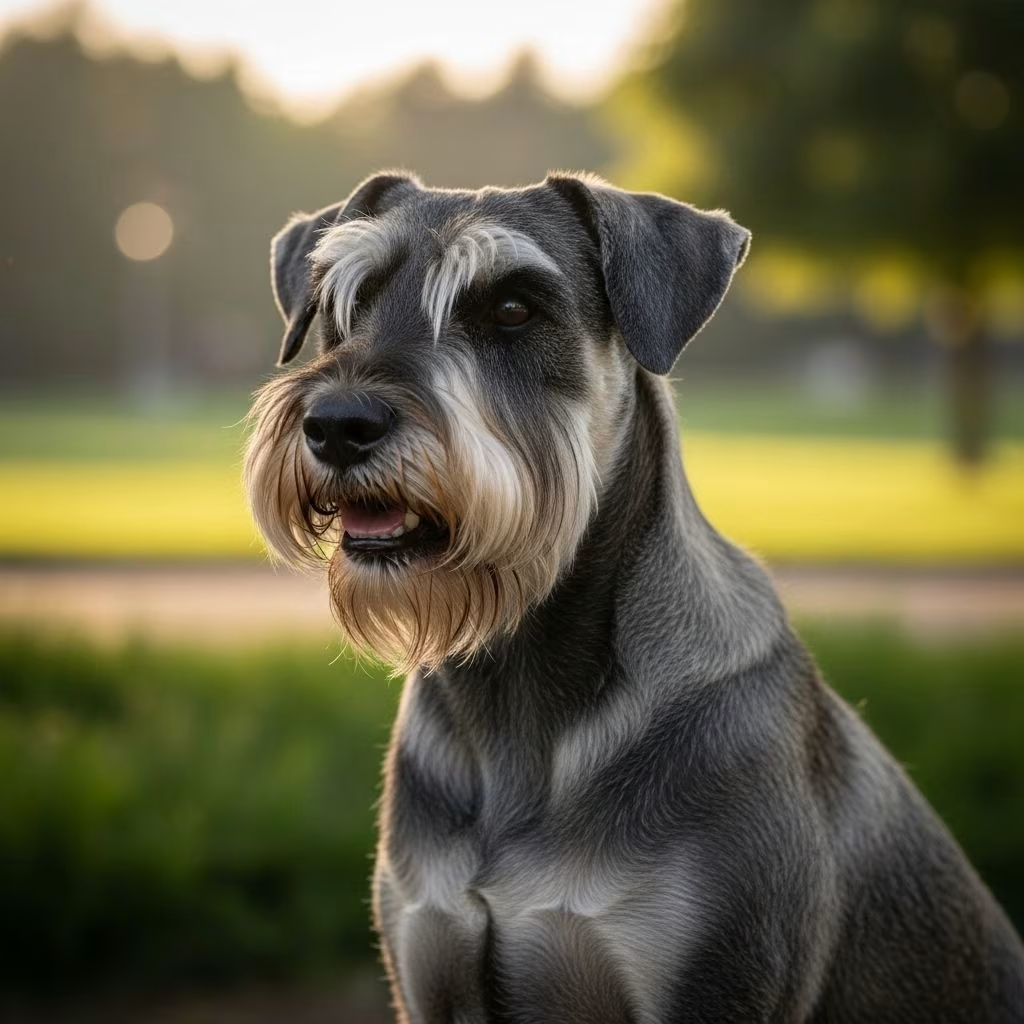
- Colors: Solid black or salt-and-pepper (varying from silver-gray to iron-gray), always with a darker mask.
- Distinctive Features: Bristling eyebrows, prominent moustache, and leg furnishings give it a instantly recognizable look.
- Ears: Set high, either cropped and erect or natural V-shaped, carried close to the head.
- Tail: High-set and traditionally docked, but often left natural in modern canine practice.
Combined, these features create an elegant—almost aristocratic—presence without sacrificing the breed’s enduring sense of robustness and utility.
Temperament & Personality
- Intelligent & Quick Learner: Sometimes described as the “dog with the human brain,” the Standard Schnauzer learns rapidly and can outsmart inexperienced handlers.
- Energetic & Spunky: This breed is lively, inquisitive, and creative, thriving when engaged in family activities and games.
- Affectionate & Devoted: Known for a deep attachment to its family and children, making it an excellent confidante.
- Guarding Instincts: Highly territorial and vocal when strangers approach, but accepting of welcomed guests after proper introduction.
- Willful & Independent: The breed will attempt to “rule the roost” if not given firm, consistent boundaries and leadership.
- Playful Comedian: A mischievous side leads to entertaining antics when bored or under-challenged.
The balance of dependability, willfulness, and guard instincts highlights the need for early training and clear rules at home.
Standard Schnauzer as a Family Dog
As a family companion, the Standard Schnauzer stands out for its loyalty and playful demeanor, often serving as both confidante and spirited playmate for children. The breed thrives on close association with humans and is known for affectionate bonding.
Its protective instincts make it a reliable guardian, announcing strangers with a deep bark, yet it can be remarkably gentle and tolerant with known humans and pets when raised appropriately. The breed excels in active households where regular exercise, play, and mental stimulation are part of daily routines. Socialization is key to ensuring balanced interactions with children and other pets.
Exercise & Activity Needs
- Daily Exercise: Needs active walks and play sessions for at least one to two hours a day.
- Physical Stimulation: Enjoys running, games, agility, and opportunities to explore new environments.
- Mental Stimulation: High intelligence demands challenging activities such as obedience, puzzle toys, or herding exercises.
A bored Standard Schnauzer will invent its own forms of exercise—sometimes disruptive, like chasing, barking, or uninvited mischief around the house.
Training & Socialization
- Early Socialization: Exposure to adults, children, unfamiliar pets, and varied environments ensures a well-adjusted dog.
- Extensive Training: Consistent rules, patience, and positive reinforcement are needed to manage stubbornness and harness intelligence.
- Performance Sports: Excels in obedience, agility, tracking, herding, and therapy when provided structured challenges.
- Willfulness: May try to bend or ignore rules without confident and assertive handling—requires a firm, but kind approach.
The breed learns quickly but will also find clever ways to circumvent commands, so guardians should be prepared for ongoing leadership and creative problem-solving.
Grooming Requirements
- Coat Care: Requires brushing several times per week to prevent matting and maintain texture.
- Minimal Shedding: The stiff, wiry coat sheds little and has minimal doggy odor.
- Professional Grooming: Hand-stripping or trimming every few months keeps furnishings tidy and coat healthy.
- Distinctive Features Maintenance: Eyebrows, moustache, and leg hair need regular attention.
- Other Routine Care: Check ears for debris, trim nails every 2-3 weeks, and brush teeth for overall health.
With proper grooming, the Standard Schnauzer maintains its signature dignified and lively appearance.
Health & Longevity
- Lifespan: Median lifespan reported at 13 years—slightly above average for all dogs.
- General Health: Considered a generally healthy breed but routine vet visits are important.
- Common Issues: Possible predisposition to hip dysplasia, eye conditions, or certain skin issues.
- Nutritional Needs: Requires a balanced diet tailored to age, activity level, and health status.
- Preventive Care: Regular exercise, parasite prevention, and monitoring for early signs of illness contribute to long-term well-being.
Responsible breeders screen for genetic conditions and share veterinary protocols to help owners support a vibrant, healthy life for their Standard Schnauzer.
Living Environment & Adaptability
The Standard Schnauzer is highly adaptable to various living conditions, provided it receives enough exercise and mental stimulation. Historically suited to rural farm life, the breed now thrives in urban and suburban homes, given access to walks, play areas, and active family interaction.
While some breeders prefer homes with fenced yards, the reality is that the breed fits well in many settings. However, it does best when not left isolated or alone for long periods. Social engagement helps prevent restlessness and unwanted behavior.
Care Considerations
- Social Needs: Prefers companionship and frequent involvement with family activities.
- Space: Benefits from medium to large secure gardens or access to active outdoor spaces.
- Independence: Can tolerate being left alone occasionally with proper training, but regular separation is discouraged.
- Compatibility: Gets along best with familiar dogs and pets; careful introduction and supervision may be needed for newcomers.
Owners should be ready to dedicate time and energy to daily engagement, training, and grooming routines for optimal results.
Breed Standard: Appearance at a Glance
| Trait | Description |
|---|---|
| Size | Medium: Males 18-20″; Females 17-19″ |
| Weight | Males 35-50 lbs; Females 30-45 lbs |
| Coat | Wiry, minimal shedding; solid black or salt-and-pepper |
| Lifespan | Average 13 years |
| Temperament | Energetic, intelligent, loyal, protective |
| Exercise Needs | High: 1-2 hours daily |
| Grooming | Regular brushing, professional trimming |
| Best For | Active families, experienced owners |
Traditional Traits: Ear Cropping, Tail Docking
The breed standard accommodates both natural and altered appearances for ears, tail, and dew claws. Some breeders and owners opt to crop ears and dock tails for historical or show purposes, while others prefer leaving dogs unaltered. All procedures, if performed, should be done by a licensed veterinarian with proper aftercare. US breed organizations support both choices, emphasizing appropriate health and individual preference.
Is the Standard Schnauzer Right for You?
- Ideal for experienced owners ready to provide strong leadership and routine activity.
- Suits active families who value a versatile, loyal, and entertaining companion.
- Requires owners willing to invest time in grooming, exercise, and ongoing training.
- May not fit sedentary or low-interaction households.
- Thrives when treated as an engaged family member, not a kennel or backyard dog.
Frequently Asked Questions (FAQs)
Q: Are Standard Schnauzers good with children?
A: Yes, they are affectionate and loyal family pets, though early socialization and supervision are essential for safe, positive interactions, especially with younger children.
Q: How much exercise does a Standard Schnauzer need daily?
A: They require at least 1-2 hours of active walks, play, and mental stimulation each day to stay healthy and happy.
Q: Does the Standard Schnauzer shed a lot?
A: No, their wiry coats shed very little and have minimal odor, but do need regular brushing and professional trimming.
Q: Are they easy to train?
A: They are very intelligent and learn quickly, but can sometimes be willful or stubborn. Consistent, confident handling is recommended.
Q: What are common health issues in the breed?
A: Generally healthy, but may be predisposed to hip dysplasia, certain skin conditions, or eye issues. Routine veterinary care and responsible breeding mitigate risks.
Conclusion
The Standard Schnauzer combines keen intelligence, spirited energy, and unwavering devotion, making it a standout companion and protector in active, engaged homes. With proper training, socialization, and care, this breed will thrive and enrich your family’s life for years to come.
References
- https://www.hillspet.com/dog-care/dog-breeds/standard-schnauzer
- https://www.standardschnauzer.org/newSSCA/breed_info.html
- https://www.dogbreedinfo.com/standardschnauzer.htm
- https://en.wikipedia.org/wiki/Standard_Schnauzer
- https://www.purina.co.uk/find-a-pet/dog-breeds/schnauzer
- https://www.akc.org/dog-breeds/standard-schnauzer/
- https://www.petmd.com/dog/breeds/standard-schnauzer