Introduction to the Poodle
The Poodle is not just a fashionable icon—it’s a dog with a proud history, a brilliant personality, and a surprising amount of athleticism. While often associated with pampered lapdogs and circus performers, the Poodle’s roots are deeply embedded in working dog traditions, especially as skilled water retrievers. Today, Poodles come in three main sizes—Standard, Miniature, and Toy—each sharing the breed’s hallmark intelligence, elegance, and exuberance.
Poodle Breed History
The Poodle’s journey began in Germany, where the breed name is derived from the German word “pudel,” meaning “to splash in water”—a nod to its origins as a waterfowl retriever for hunters. Despite the breed’s strong association with France, where it became the national breed and gained the French name “Caniche” (from “canard,” duck), its ancestors were hardy, curly-coated European water dogs, including the now-extinct Barbet and possibly others from central Asia.
Originally, Standard Poodles were valued for their swimming ability, quick intelligence, and trainability, making them indispensable partners for hunters in the wetlands of Germany and France. Their famous coat trim wasn’t just for show—it served a purpose. The longer hair protected vital organs and joints from cold water, while the shaved portions minimized drag, helping the dogs move more easily in the water. Over time, as the breed’s popularity grew, breeders developed smaller versions (Miniature and Toy Poodles) to appeal to city dwellers and nobility, gradually expanding the Poodle’s roles to include companionship, performance, and even truffle hunting.
Physical Characteristics and Sizes
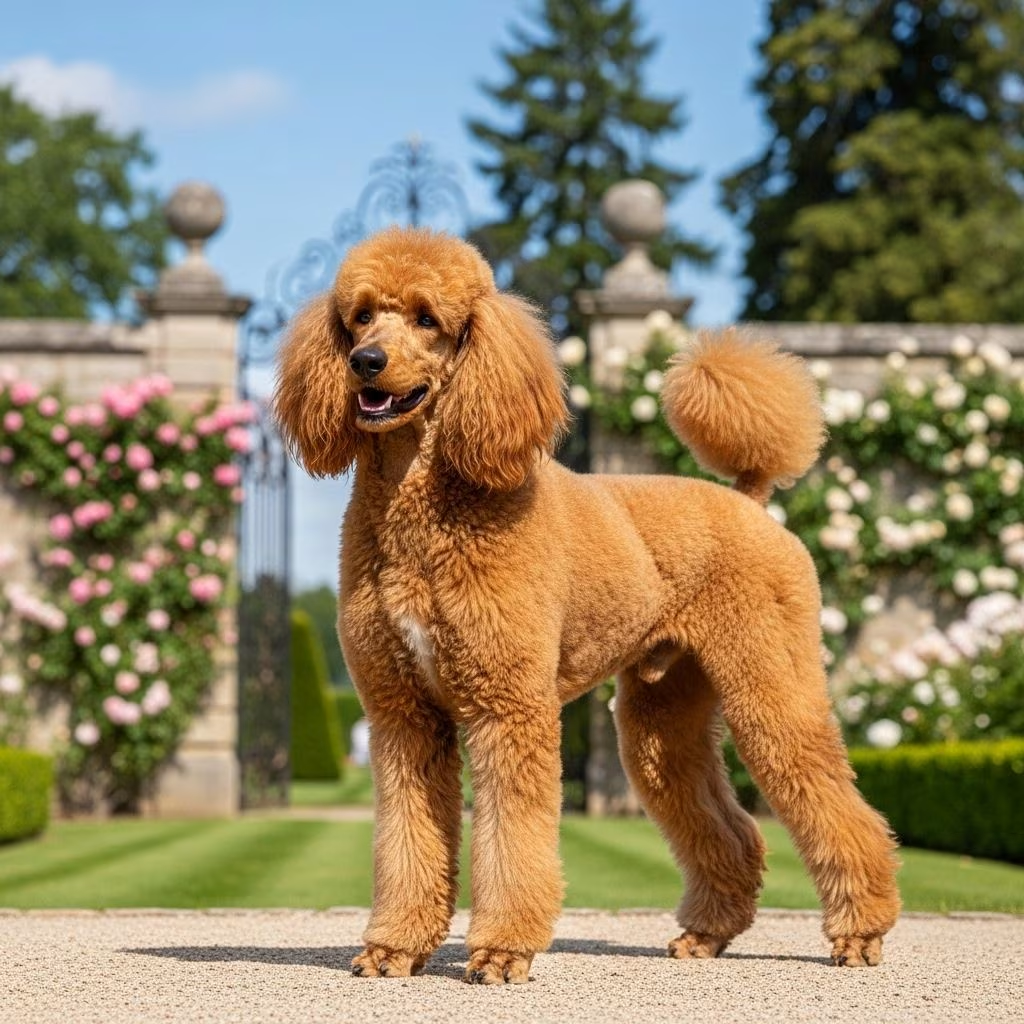
Poodles are instantly recognizable by their curly, dense coat and graceful physique. They come in three official sizes recognized by the American Kennel Club:
- Standard Poodle: Tallest of the group, standing over 15 inches at the shoulder, the Standard Poodle is athletic, powerful, and excels at dog sports and active lifestyles.
- Miniature Poodle: Ranging from 10 to 15 inches, the Miniature is a lively, compact version of the Standard, equally intelligent and energetic.
- Toy Poodle: The smallest, under 10 inches, the Toy Poodle is a companionable, portable pet, cherished for its affectionate nature and adaptability to apartment living.
| Size | Height | Weight | Best For |
|---|---|---|---|
| Standard | Over 15 inches | 45–70 lbs | Active families, sports, outdoor activities |
| Miniature | 10–15 inches | 15–17 lbs | Moderately active lifestyles, performance |
| Toy | Up to 10 inches | 5–10 lbs | City living, companionship |
Coat, Colors, and Grooming
Poodles boast a single-layer, tightly curled coat that can be clipped or corded in various styles. The most popular clips—such as the “puppy,” “continental,” and “sporting” clips—are descendants of the traditional water-working trims, where fur was shaved for swimming efficiency and kept long on joints for warmth. Today, these styles are more about aesthetics, but they remain a key part of the breed’s identity.
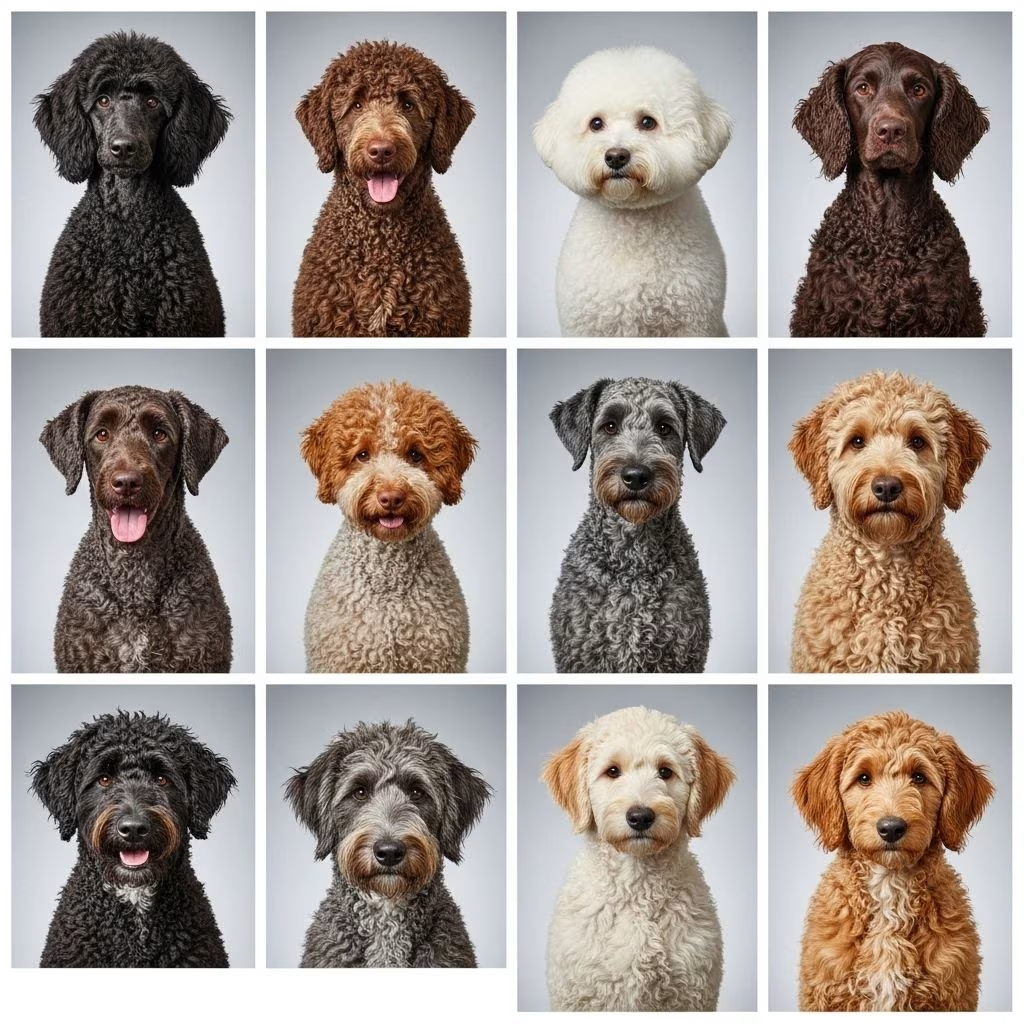
Poodles come in a variety of solid colors, including black, white, apricot, blue, silver, brown, café au lait, and red. Parti-colored Poodles (two solid colors) appear but are not recognized in American Kennel Club conformation shows.
Poodle Temperament and Personality
Poodles are renowned for their intelligence, ranking among the top five most intelligent dog breeds. They are eager learners, highly trainable, and excel in obedience, agility, and service work. Their alertness and sensitivity make them excellent family companions, but they do require consistent mental and physical stimulation to prevent boredom-related behaviors.
While generally friendly and sociable, Poodles can be reserved with strangers and may display a comedic, sometimes clownish side, especially when engaged in play. They are typically good with children and other pets, provided they are socialized from an early age. However, like any breed, early socialization and positive reinforcement training are crucial for a well-adjusted adult dog.
Care and Training
Exercise and Activity
- Poodles are active, energetic dogs requiring daily exercise, including walks, playtime, and mental challenges to keep them engaged.
- Standard Poodles, in particular, need vigorous activity to satisfy their working heritage.
- Miniature and Toy Poodles adapt well to less intense routines but still need regular physical and mental stimulation.
Training
- Poodles are highly responsive to positive reinforcement training methods.
- Early socialization is important to nurture a well-mannered, confident dog.
- Poodles thrive in structured environments, enrolling easily in obedience, agility, and even therapy dog programs.
Dietary Needs
- Poodles require a balanced diet appropriate for their age, size, and activity level.
- Portion control is important as obesity can be a concern, especially in less active Toy and Miniature varieties.
- Consult your veterinarian for personalized dietary guidance and for monitoring any breed-specific nutritional needs.
Grooming
- Poodles need regular grooming—preferably every 6–8 weeks—to maintain their coat health and prevent matting.
- Brushing several times a week is necessary, especially for those in longer clips.
- Ears should be checked and cleaned regularly to prevent infections, and nails trimmed monthly.
Health and Lifespan
Poodles are generally healthy dogs with a lifespan of 10–18 years, depending on size (smaller Poodles often live longer). However, they are prone to certain genetic conditions, including:
- Hip dysplasia (more common in Standards)
- Epilepsy
- Progressive retinal atrophy (PRA)
- Sebaceous adenitis
- Addison’s disease
- Bloat (gastric dilation-volvulus, a risk in deep-chested breeds like Standard Poodles)
Regular veterinary check-ups, preventive care, and responsible breeding practices can help mitigate these issues.
Poodle Fun Facts
- The Poodle’s iconic clip was initially practical, meant to aid swimming by minimizing drag while protecting joints from cold water.
- Poodles have been featured in art and literature for centuries, favored by European royalty and aristocrats alike.
- They excel in dog sports, from agility and obedience to dock diving and truffle hunting.
- Despite their elegance, Poodles are surprisingly athletic and have maintained their working dog instincts.
- Poodles are the national dog of France, and they became especially fashionable during the reign of King Louis XVI.
Poodle FAQs
Q: Are Poodles hypoallergenic?
A: While no dog is completely hypoallergenic, Poodles have a single-layer coat that sheds minimally, making them a popular choice for allergy sufferers.
Q: How much exercise does a Poodle need?
A: Poodles are active, energetic dogs requiring at least an hour of exercise daily, but this can vary based on size—Standards need more activity, while Toys may be content with walks and indoor play.
Q: Are Poodles good with children?
A: Yes, when socialized early, Poodles are generally gentle and playful with children, though supervision is always recommended.
Q: How often should a Poodle be groomed?
A: Professional grooming every 6–8 weeks, plus regular at-home brushing, is ideal for Poodle coat maintenance and hygiene.
Q: What colors do Poodles come in?
A: Poodles come in a variety of solid colors, including black, white, apricot, blue, silver, brown, red, and café au lait.
Q: What are common health issues in Poodles?
A: Common issues include hip dysplasia, epilepsy, progressive retinal atrophy, sebaceous adenitis, Addison’s disease, and bloat, especially in Standards.
Q: Can Poodles be trained easily?
A: Poodles are highly intelligent and eager to please, making them one of the easiest breeds to train.
Popularity and Suitability
Poodles consistently rank among the most popular dog breeds in the United States, thanks to their intelligence, adaptability, and loyal companionship. They suit a wide range of lifestyles—from active outdoor enthusiasts who want a sporting partner to urban dwellers seeking a stylish, trainable companion. With the right socialization, training, and care, a Poodle can be a wonderful addition to families, singles, and seniors alike.
Conclusion
The Poodle is much more than a pretty face with a pampered past. This breed’s history as a water retriever, circus performer, truffle hunter, and royal favorite is matched only by its enduring popularity as a devoted, intelligent companion. Whether in the show ring, the agility course, or curled up on the couch, the Poodle continues to captivate hearts and minds, proving that brains, beauty, and versatility can truly go paw-in-paw.
References
- https://www.petscare.com/news/post/poodles-history-purpose
- https://www.aspcapetinsurance.com/resources/poodles/
- https://www.akc.org/expert-advice/dog-breeds/poodle-history/
- https://www.nylabone.com/dog101/poodle
- https://www.petexpress.com.ph/blogs/lifestyle/all-about-poodle-dog-breed-origin-characteristics-and-pet-care-needs
- https://www.britannica.com/animal/poodle
- https://www.orvis.com/poodle.html