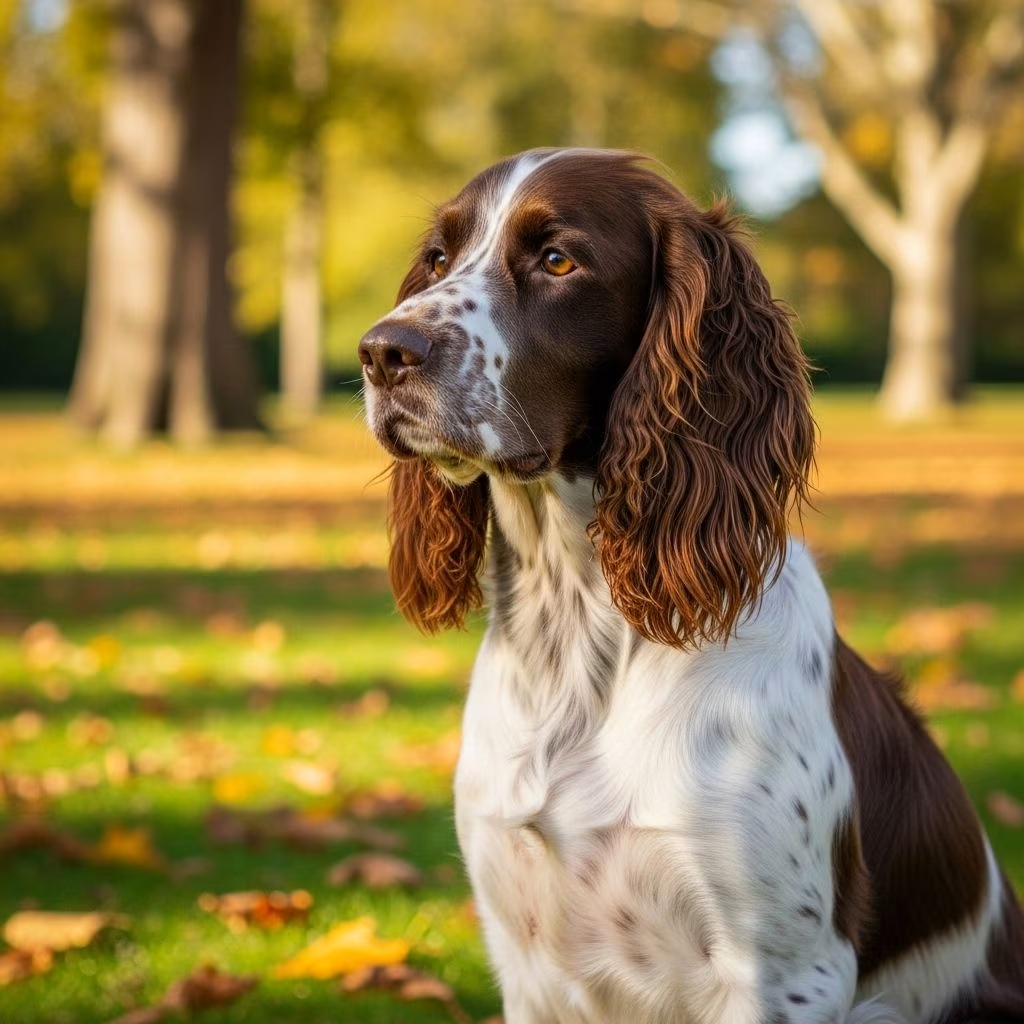
English Springer Spaniel Breed Guide
The English Springer Spaniel is a lively, affectionate, and versatile dog breed known for excelling in both sporting roles and as devoted companions. Renowned for their high intelligence, loving disposition, and eagerness to please, Springer Spaniels adapt well to active families and individuals who appreciate their energy and charm. This guide covers essential information about the breed’s origin, temperament, physical traits, health, care requirements, and adoption tips to help you determine if the English Springer Spaniel is right for your household.
History & Origin
Originating in England, Springer Spaniels were traditionally developed as gun dogs, bred specifically for flushing and retrieving game birds for hunters. Their name comes from their ability to “spring” game from its hiding places. Over generations, the Springer became a notable dual-purpose breed—excelling in fieldwork while also gaining popularity as a beloved family companion and working dog in new areas such as search and rescue and therapy services.
Today, the Springer Spaniel is recognized globally for its versatility and reliable temperament, thriving in homes and service roles alike.
Physical Characteristics
- Size: Medium-sized; typical weight ranges from 40 to 55 pounds, with height at the shoulder between 18 and 22 inches. Field-bred types may be slightly lighter than show-bred counterparts.
- Build: Symmetrically built, compact, and athletic with a sturdy, well-muscled frame. They are the tallest of the British land spaniels.
- Coat: Medium-length coat, either flat or wavy, with feathering on the legs, chest, ears, and tail. The coat requires regular grooming to maintain its texture and health.
- Color: Most commonly seen in liver and white or black and white color combinations. Tricolored and ticking variations also exist.
- Head & Face: Large, expressive eyes; moderate muzzle; long, feathered ears that hang; the lips may be long, sometimes causing drooling.
- Tail: Traditionally docked to a short stub in countries where permitted; feathered and lively.
Comparing Field and Show Springer Spaniels
| Type | Coat & Build | Primary Purpose |
|---|---|---|
| Field-bred | Shorter, coarser coat; less pendulous ears; wiry, lighter frame | Hunting, working, superior stamina |
| Show-bred (‘Bench’) | Longer fur, pendulous ears; thicker bones; heavier build | Conformation shows, family companionship |
Temperament & Personality
Affectionate, energetic, and sociable, the English Springer Spaniel epitomizes the ideal blend of a cheerful companion and a diligent worker. Their personalities are marked by:
- Friendly nature: Outgoing, people-oriented, and eager to please; rarely aggressive or excessively timid when well-bred and properly socialized.
- Highly intelligent and quick to learn: Responds well to positive reinforcement and consistent training.
- Playful and energetic: Requires plenty of activity, both physical and mental. Enjoys running, playing games, and participating in canine sports or puzzles.
- Strong companionship needs: Prone to separation anxiety if left alone for extended periods; thrives in households with plenty of human interaction.
- Gentle disposition: Excellent with children and known for being sweet-tempered, making them outstanding family pets.
- Alertness: Retains working instincts such as a keen sense of smell and a strong prey drive.
Exercise & Activity Needs
The Springer Spaniel’s high energy levels call for daily exercise and mental stimulation. These dogs are happiest when they have a job to do or can participate in regular activities such as:
- Long walks, jogs, or hiking
- Retrieving games (fetch, frisbee, scent work)
- Agility, flyball, or obedience sports
- Exploring outdoors (fields, parks, trails)
- Dog puzzles or interactive toys to challenge their problem-solving abilities
Active households who dedicate time to training and play will find Springers a delightful addition; sedentary homes or owners away for long hours may struggle with their energetic requirements and potential destructive behaviors stemming from boredom.
Trainability & Skills
Springer Spaniels are highly trainable thanks to their intelligence, working background, and desire to please. They excel in advanced obedience, field trials, scent detection, search and rescue, and therapy roles.
Key considerations for training:
- Utilize rewards-based methods and consistency
- Puppy classes and early training ensure confidence
- Socialization from an early age is crucial to prevent timidity and anxiety
- Obedience and recall training helps to manage the breed’s strong prey drive
Grooming Requirements
Springer Spaniels need regular grooming to maintain their medium-length, feathered coat and overall health:
- Brush their coat at least weekly to prevent tangles and mats; more often during shedding periods
- Inspect and clean ears regularly to avoid infections, as their floppy ears can trap moisture and debris
- Trim nails every two to four weeks
- Bath only as needed, using gentle dog shampoo
- Check feathered areas for burrs, ticks, or mud after outdoor activities
Professional grooming can help manage excessive shedding and keep your Springer looking vibrant.
Health & Lifespan
- Average lifespan: 12 to 14 years
- Common health issues:
- Ear infections
- Hip dysplasia
- Eye problems (progressive retinal atrophy, cataracts)
- Phosphofructokinase (PFK) deficiency
- Elbow dysplasia
- Separation anxiety
- Preventative care:
- Routine veterinary exams
- Necessary health screenings by breeders (hips, eyes, genetic disorders)
- Dental hygiene and regular parasite prevention
- Balanced diet to maintain ideal body condition
Ethical breeders test for hereditary conditions and provide robust health records. Adopted dogs should be thoroughly checked by a veterinarian upon intake.
Springer Spaniel as a Family Pet
Springers make exceptional family companions due to their gentle temperament and strong bonds with both adults and children. They are naturally tolerant, playful, and thrive in homes where they are included in daily life and given plenty of attention. Their dislike of solitude means they do best in situations where someone is home much of the day.
Ideal Household Matches
- Active families with children
- Individuals seeking a running or hiking partner
- Multi-pet households with proper introductions
- Homes where training and playtime are priorities
They are less suited to owners looking for low-maintenance or sedentary pets, or households where dogs are left alone for prolonged periods.
Adoption & Finding a Springer Spaniel
When considering adding a Springer to your family, it’s important to choose a reputable source:
- Rescue organizations and shelters: Many Springers need loving homes; adopting helps a dog in need and reduces unethical breeding.
- Reputable breeders: If opting for a puppy, research breeders who prioritize health, temperament, and ethical standards. They should conduct genetic screening and offer transparent records.
- Meet parents and relatives: Whenever possible, interact with at least one parent and littermates to assess temperament and health.
- Avoid puppy mills: Ethical breeders and rescues aim for well-adjusted dogs and discourage irresponsible breeding practices.
Choosing the right puppy: Seek balanced, curious, and playful pups—avoid extremes of aggression or timidity. Keep in mind that early socialization and exposure to various people and environments are key to raising a well-adjusted Springer.
Frequently Asked Questions (FAQs)
Are English Springer Spaniels easy to train?
Yes, their intelligence and eagerness to please make Springers highly trainable—but consistency, positive methods, and early socialization are vital.
Do Springer Spaniels shed a lot?
Springers typically shed moderately year-round, with heavier shedding during spring and fall molts. Regular brushing reduces loose hair and keeps their coat healthy.
Are Springer Spaniels good for families with children?
Absolutely. Their gentle, playful nature and tolerance for children make them excellent family pets, provided their exercise and companionship needs are met.
How much exercise does a Springer Spaniel need?
At minimum, Springers require an hour or more of vigorous exercise daily plus opportunities for play and mental stimulation. Active homes are best suited for this breed.
What types of health checks should I look for from a breeder?
Responsible breeders perform screenings for hip dysplasia, eye conditions, genetic disorders, and provide thorough health histories for puppies and parents.
Is the English Springer Spaniel Right for You?
- You enjoy an active lifestyle and can provide daily exercise and play
- You value a loving, loyal companion and want a dog that’s eager to participate in family activities
- You are prepared for regular grooming and proactive health care
- You or other household members are frequently at home; Springers dislike being alone for long periods
If these traits match your priorities, the English Springer Spaniel could be a rewarding choice. Their affectionate nature, adaptability, and spirited attitude endear them to families, sportsmen, and dog enthusiasts alike.
References
- https://dogtime.com/dog-breeds/english-springer-spaniel
- https://www.hillspet.com/dog-care/dog-breeds/english-springer-spaniel
- https://www.poochandmutt.co.uk/blogs/by-breed/springer-spaniel
- https://en.wikipedia.org/wiki/English_Springer_Spaniel
- https://www.akc.org/dog-breeds/english-springer-spaniel/
- https://www.springerrescue.org/about-springers/
- https://www.thekennelclub.org.uk/breed-standards/gundog/spaniel-english-springer/