Puggle Dog Breed: Overview of the Affectionate Pug-Beagle Mix
The Puggle is an increasingly popular designer dog breed, resulting from the cross of a Pug and a Beagle. This unique blend offers a friendly disposition, playful attitude, and an adorable, expressive look that has won the hearts of many dog lovers. Puggles combine the best of their parent breeds, offering charm, intelligence, and a social nature, making them ideal pets for families, singles, and seniors alike.
Breed Origins and History
Puggles are a relatively modern “designer dog” breed. Initially bred in the United States during the 1980s, Puggles were created to blend the affectionate, companion-focused qualities of the Pug with the energetic, curious traits of the Beagle. The goal was to produce a pet with a stable temperament, reduced breathing issues, and less intense exercise needs than a purebred Beagle. Since their introduction, Puggles have become popular companions, renowned for their sociability and adaptability to urban and suburban lifestyles.
What Does a Puggle Look Like?
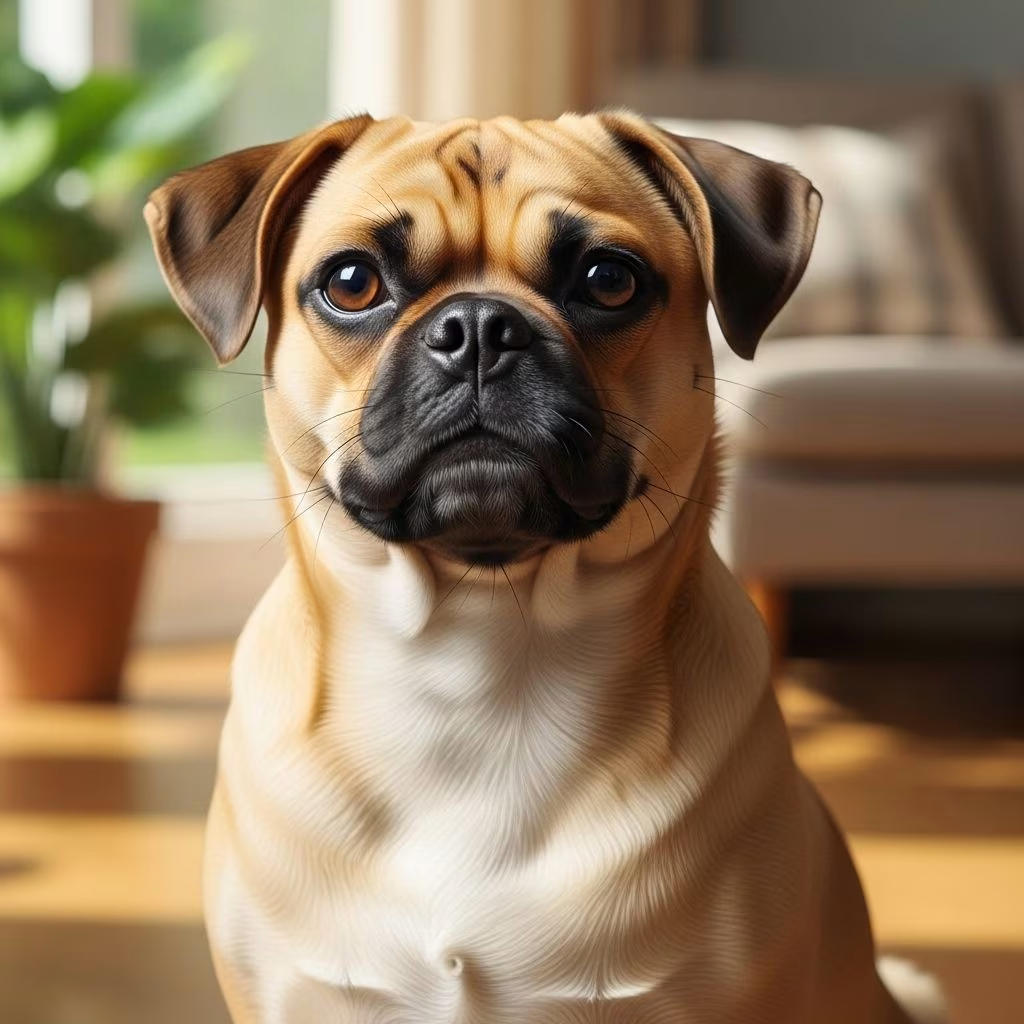
Puggles inherit a variety of physical characteristics from their Pug and Beagle ancestors, making individual appearance quite variable. However, some common features stand out:
- Size: Usually classified as small to medium-sized, standing 8 to 15 inches at the shoulder and weighing between 15 and 30 pounds.
- Build: Compact, muscular body with a barrel-shaped torso. They often present a slightly longer form than a Pug, with legs that resemble the Beagle’s longer limbs.
- Head and Face: Rounded head, expressive eyes (often large like a Pug’s), and a muzzle that’s longer than a Pug but shorter than a Beagle’s. Wrinkles on the forehead and a noticeable, though less pronounced, “mask” around the eyes are common.
- Tails: Often curled over their back, similar to the Pug, but straight or slightly curved tails like the Beagle also occur.
- Coat: Short, dense, double-layered coat. Puggles feature a broad spectrum of colors and patterns—fawn, tan, black, white, red, and tricolor combinations are common. Occasionally, white markings appear on the chest, paws, and face.
Coat and Color Variations
- Solid and Parti-Color: Coats may be a single color or a mix (parti-colored) of two or more, reflecting the genetic influence of both breeds.
- Face Mask: Darkened masks around the eyes, reminiscent of the Pug, add to their unique appearance.
- Texture: Generally smooth and short; some possess slightly denser or longer coats depending on parental lineage.
Puggle Appearance At-a-Glance
| Characteristic | Detail |
|---|---|
| Height | 8–15 inches |
| Weight | 15–30 pounds |
| Lifespan | 10–15 years |
| Coat | Short, dense, smooth |
| Common Colors | Fawn, black, tan, white, red, tricolor |
Puggle Temperament and Personality
Puggles are known for their charming, loving personalities. They typically embody the best behavioral characteristics of both parent breeds, resulting in a blend of affection, playfulness, and sociability. Key traits include:
- Affectionate: Loyal and loving, Puggles crave close interaction and often develop strong bonds with their families. Many exhibit the “velcro dog” tendency, seeking closeness and frequent cuddling.
- Friendly and Social: Outgoing and eager to meet people and other animals, making them good fits for multi-pet homes and active social households.
- Playful: Energetic and spirited, Puggles enjoy play sessions, games, and interactive toys, but typically do not need the intense activity levels required by some high-energy breeds.
- Adaptable: Their versatile temperament allows them to thrive in apartments, suburban houses, or single-family homes, provided their exercise and companionship needs are met.
- Alertness: Not known for aggression, but Puggles are attentive and can be good watchdogs—often alerting their owners to visitors or strange noises.
- Food-Motivated: Both Beagles and Pugs are well-known for their love of food, and Puggles inherit this trait, making them easy to train with treats but susceptible to overeating and weight gain.
- Sensitive: Respond best to positive reinforcement and gentle training. They can be sensitive to harsh discipline or conflict.
Common Behavioral Traits
- Stubbornness: Both parent breeds can be strong-willed; patience and consistency are key to successful training.
- Vocalization: Like Beagles, Puggles may bark or howl, especially when excited or anxious. Early training helps manage noisy tendencies.
- Separation Anxiety: Due to their intense bonds with owners, Puggles may develop anxiety if left alone for extended periods, sometimes resulting in destructive behaviors.
- Snoring: Pug ancestry means many Puggles snore, often quite loudly, despite generally longer snouts compared to purebred Pugs.
Puggle Care: Exercise, Training, and Socialization
Exercise Needs
- Moderate Activity: Puggles are energetic but don’t require intensive exercise. About 30 minutes of activity per day—through walks, play, or interactive games—is usually sufficient.
- Mental Stimulation: Intelligent and easily bored, Puggles benefit from puzzle toys and regular training sessions to prevent boredom-driven mischief like chewing, digging, or barking.
- Indoor Play: While they enjoy romps in the yard or park, Puggles adapt well to apartment living, provided they have space to zoom around indoors.
Training Tips
- Positive Reinforcement: Respond best to reward-based training with treats and praise.
- Consistency: Their stubborn streak requires patience, structured routines, and clear boundaries.
- Early Socialization: Exposing Puggles to new experiences, people, and pets from a young age helps flatten potential shyness or excessive wariness.
Socialization
- Good with Children: Puggles typically love kids and are gentle, making them excellent family pets. As with all breeds, supervise interactions with very young children.
- Gets Along with Other Pets: Generally sociable with other dogs and even cats, particularly if socialized early.
Diet and Nutrition
Puggles are food-motivated and prone to weight gain, so careful attention to their diet is crucial:
- High-Quality Dog Food: Feed a nutritionally balanced diet suitable for their age, size, and activity level.
- Portion Control: Stick to scheduled feedings and avoid free-feeding; measure food carefully to prevent overeating.
- Limit Treats: Use low-calorie treats in moderation, especially during training.
- Watch for Allergies: Some Puggles may inherit sensitivities from their parent breeds; consult a veterinarian if you suspect food allergies.
Grooming and Maintenance
- Coat Care: Despite their short coats, Puggles shed moderately and require regular brushing (once or twice a week) to remove loose hair and reduce shedding.
- Wrinkle Cleaning: Facial wrinkles, especially those inherited from the Pug, should be checked and cleaned regularly to prevent skin infections.
- Ears: Floppy ears are susceptible to moisture and debris buildup (like Beagles). Clean ears weekly and watch for signs of infection.
- Teeth: Daily or weekly tooth brushing is recommended to maintain oral hygiene.
- Nails: Trim regularly, as active Puggles may not wear claws down naturally.
Health Considerations
Puggles are generally hardy but can inherit health problems common to both Pugs and Beagles. Notable issues include:
- Respiratory Problems: While less severe than purebred Pugs, Puggles can still have shortened snouts, leading to mild brachycephalic symptoms—snoring, noisy breathing, and vulnerability to overheating.
- Obesity: Prone to weight gain; managing diet and ensuring adequate exercise is essential.
- Hip Dysplasia: A risk inherited from both parent breeds; maintaining healthy body weight helps reduce stress on joints.
- Allergies and Skin Issues: Wrinkles require regular care to avoid dermatitis, and some dogs may have environmental or food allergies.
- Ear Infections: Floppy, beagle-like ears are at higher risk for infections without consistent cleaning.
- Life Expectancy: Typically 10–15 years with proper care.
Veterinary Care Note: Regular wellness checks and vaccinations are indispensable in catching health problems early and ensuring your Puggle’s long, happy life.
Living Environment: Is a Puggle Right for You?
Puggles are indoor dogs best suited to households able to provide companionship and moderate exercise. Consider the following:
- Space: Comfortable in apartments and homes, but appreciate access to a safe play area for exercise.
- Attention: Thrive with families who can spend ample time with them; not ideal for owners who are frequently away all day.
- Climate Caution: Short snouts make Puggles susceptible to overheating—watch them in warm weather and avoid heavy activity under heat.
Frequently Asked Questions (FAQs)
Q: Are Puggles good family dogs?
A: Yes, Puggles are known for being affectionate, sociable, and great with children and other pets, making them excellent family companions.
Q: How much exercise does a Puggle need each day?
A: Puggles require about 30 minutes of daily exercise, including walks and play sessions, to stay healthy and happy.
Q: Do Puggles shed a lot?
A: Puggles have a short, dense coat and shed moderately year-round. Weekly brushing helps manage shedding and keeps their coat healthy.
Q: Are Puggles easy to train?
A: They are intelligent but can be stubborn. Consistent, patient training with positive reinforcement yields the best results.
Q: What common health issues do Puggles face?
A: Puggles may develop mild respiratory issues, obesity, skin allergies, ear infections, and joint problems. Regular care and vet visits help manage these risks.
Q: Why do Puggles snore?
A: Their shorter snouts, inherited from the Pug, often result in snoring. This is normal but should be monitored for signs of breathing distress.
Final Thoughts: Is the Puggle Your Perfect Companion?
If you’re seeking a dog that offers a wonderful combination of affection, sociability, and playful spirit, the Puggle could be the perfect fit. With their moderate care needs, cheerful personalities, and adaptability to a variety of living situations, Puggles continue to gain popularity among pet lovers. Proper training, diet management, and routine care are key to helping your Puggle thrive in your home for many happy years.