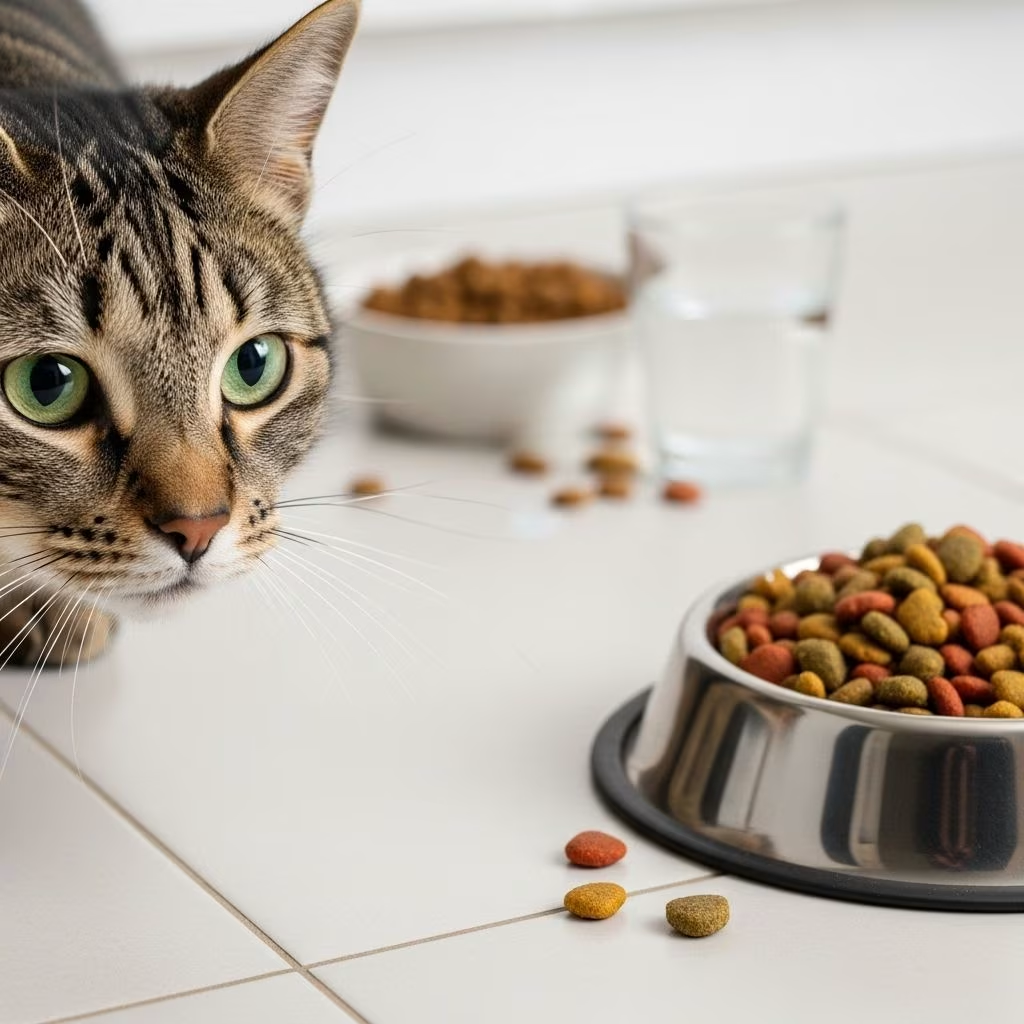
Can Cats Eat Dog Food?
The question of whether cats can eat dog food arises for many pet owners, especially in households with both cats and dogs. While a curious cat nibbling on dog food is not likely to suffer immediate harm, regularly feeding a cat dog food can lead to serious health issues. This article explores the fundamental nutritional differences between cats and dogs, the risks involved, and guidelines for supporting optimal feline health.
Can Cats Safely Eat Dog Food Long-Term?
Although a cat might eat a small amount of dog food without toxicity or lasting effects, feeding dog food to cats is not safe or healthy over time. Cats cannot thrive on a diet formulated for dogs; long-term consumption of dog food can result in dangerous deficiencies and serious health consequences, up to and including death.
Dog food lacks essential nutrients for cats, reflecting the species-specific dietary needs each pet has developed over thousands of years of evolution.
Below, we break down exactly why feline nutrition is unique.
Cats and Dogs Have Different Nutritional Needs
Cats and dogs share our homes and affection—but their bodies require vastly different types of food. Understanding these differences is key to providing the best diet for each species.
- Cats are obligate carnivores: They must eat meat. Their bodies demand specific animal-based proteins and fats to function correctly.
- Dogs are omnivores: They can digest both animal and plant-based foods. Their dietary needs are more flexible and include carbohydrates, which cats do not require.
The primary distinction is that cats have evolved to eat only meat, while dogs can subsist on a combination of meat and vegetable sources. This influences the composition of commercially produced cat food and dog food.
Main Nutritional Differences Table
| Dietary Aspect | Cat Food | Dog Food |
|---|---|---|
| Protein Level | Very High (min 26% dry matter) | Moderate |
| Fats | High (animal fats essential) | Moderate to high |
| Carbohydrate Content | Low | High |
| Taurine | Targeted supplementation essential | Absent |
| Vitamin A (preformed) | Present and essential | Often absent or in lower levels |
| Arachidonic Acid | Required | Not required |
Obligate Carnivores vs. Omnivores
Cats’ bodies require nutrients found only in animal tissue, classifying them as obligate carnivores. Dogs, as omnivores, can digest and extract nutrients from a wider variety of plant and animal sources. These biological differences shape all aspects of their dietary requirements.
Key nutrients cats must obtain from their food because they cannot produce them in sufficient quantities include:
- Taurine: Essential amino acid for heart and eye health; absent in commercial dog food.
- Arachidonic acid: Necessary fatty acid; not present in sufficient quantities in dog food.
- Preformed Vitamin A: Cats cannot synthesize it from plant sources; must be pre-supplied.
Without these nutrients, cats quickly develop deficiencies that can manifest as cardiovascular problems, vision loss, liver dysfunction, or other serious diseases.
Dangers of Feeding Dog Food to Cats
Consuming dog food occasionally is not immediately dangerous for cats.
However, a diet of dog food poses the following risks:
- Malnutrition: Dog food lacks vital nutrients required for feline health.
- Organ dysfunction: Deficiencies in taurine and vitamin A lead to vision loss, heart disease, and liver problems.
- Obesity and diabetes: Dog food’s higher carbohydrate levels predispose cats to weight gain and metabolic disorders.
- Digestive issues: Cats may experience stomach upset or diarrhea if they eat dog food regularly.
The consequences of a dog-food-based diet might not appear immediately, but serious health effects often develop silently over time.
Why Cats Sometimes Eat Dog Food
Cats are curious and may occasionally find the aroma of dog food attractive (especially if it contains meat flavors). They might steal nibbles from the dog’s bowl—but this behavior should not be encouraged or permitted. While most cats are picky about flavor profiles and textures, some may repeatedly attempt to sample dog food if it’s accessible.
Common scenarios include:
- Boredom and curiosity, especially in multi-pet households.
- Meat-based flavors in dog food that appeal to feline senses.
- Easy access to dog bowls due to shared feeding areas.
A single accidental taste will not harm a healthy adult cat, but routine snacking is not safe.
Cat-Specific Nutritional Needs and Proper Feeding Practices
Providing a nutritionally complete, balanced diet is critical for feline well-being. Commercial cat foods are formulated specifically for the unique requirements of different life stages—kitten, adult, and senior cats.
Key points for optimal feline nutrition:
- Choose foods that meet the standards set by regulatory bodies, such as the Association of American Feed Control Officials (AAFCO) and the Food and Drug Administration (FDA).
- For adult cats, look for formulas with a minimum of 26% crude protein (dry matter) and adequate levels of key nutrients.
- Special formulas may be needed for kittens, pregnant/nursing queens, seniors, or cats with chronic health problems.
- Consult your veterinarian regularly to ensure dietary needs are being met throughout your cat’s life stages.
Comparison Table: Cat Food vs. Dog Food
| Nutritional Component | Cat Food | Dog Food |
|---|---|---|
| Protein | High; animal-based | Lower; animal & plant-based |
| Taurine | Added | Normally absent |
| Arachidonic Acid | Required | Not required |
| Preformed Vitamin A | Required | Often absent |
| Carbohydrates | Low | Higher |
| Fats | Essential animal fats | Variable |
Possible Signs a Cat Is Eating Dog Food
- Sudden changes in weight (gain or loss)
- Digestive upset (vomiting, diarrhea)
- Lethargy, weakness, or poor coat quality
- Vision issues or abnormal behaviors
- Decline in overall health over time
If you suspect your cat has been eating dog food, monitor for these symptoms and consult your veterinarian promptly.
Pet Feeding Tips: How to Prevent Cats From Eating Dog Food
- Feed cats and dogs in separate locations or at different times.
- Pick up leftover food as soon as mealtime is over.
- Choose bowls and feeders with lids or barriers that help discourage cross-feeding.
- Monitor meal times and portion sizes, especially in multi-pet households.
- Maintain a regular feeding schedule for both cats and dogs.
Consistency, supervision, and proper feeding setups can help keep pets eating the right food for their health.
Frequently Asked Questions (FAQs)
Q: Is dog food toxic to cats?
A: Dog food is not toxic to cats if eaten in small quantities occasionally. However, regular consumption leads to deficiencies that can harm your cat’s health in the long term.
Q: What should I do if my cat eats dog food?
A: If your cat only ate dog food once or twice and seems normal, monitor for any unusual symptoms. If consumption becomes habitual or you notice health changes, contact your veterinarian immediately for advice.
Q: Are there any dog foods safe for cats?
A: No commercially available dog food meets all the nutritional requirements of cats. Only cat food engineered for felines ensures safe, balanced nutrition.
Q: What are the essential nutrients in cat food that dog food lacks?
A: Cat food contains added taurine, arachidonic acid, and preformed vitamin A, as well as higher levels of animal protein and fats—essential for feline health but commonly missing in dog food.
Q: Can kittens eat dog food?
A: Never feed kittens dog food. Growing cats are especially vulnerable to malnutrition and need the precise balance found in age-appropriate cat foods.
Key Takeaways
- Cats cannot be maintained on dog food—their nutritional requirements are very specific.
- Dog food lacks vital nutrients for cats and is unsuitable for any life stage.
- Feeding a cat dog food long-term may cause malnutrition and serious health problems.
- Always choose a complete, balanced, species-specific cat food approved by regulatory agencies for lifelong feline health.
Resources and Further Reading
- Consult your veterinarian for personalized dietary recommendations for your cat.
- Refer to pet food packaging for AAFCO or FDA compliance.
- Visit reputable online sources for more information on optimal pet nutrition and dietary management.
References
- https://www.petmd.com/cat/nutrition/can-cats-eat-dog-food
- https://www.purina.com/articles/cat/feeding/can-cats-eat/can-cats-eat-dog-food
- https://thevets.com/resources/pet-nutrition/can-cats-eat-dog-food/
- https://www.meowmix.com/cat-care/difference-between-dog-and-cat-food
- https://www.chewy.com/education/cat/food-and-nutrition/can-cats-eat-dog-food
- https://frommfamily.com/about/question-and-answer/nutrition/dogs-eating-cat-food-cats-eating-dog-food/
- https://www.darwinspet.com/blogs/resources/can-cats-eat-dog-food
- https://purrfectgrooming.pet/blog/b/can-cats-eat-dog-food/
- https://www.akc.org/expert-advice/nutrition/can-dogs-eat-cat-food/