American Bulldog: Breed Overview
The American Bulldog is a powerful, athletic breed prized for its strength, agility, loyalty, and courage. Historically bred in the United States for farm work, they are robust working dogs with protective instincts and a warm, family-oriented attitude. The following guide provides an in-depth look into the breed’s characteristics, care needs, and practical advice for both potential and current owners.
Breed Snapshot
- Origin: United States
- Breed Group: Working/Utility
- Life Span: 10–14 years
- Height: 22–28 inches (male), 20–26 inches (female)
- Weight: 60–120 lbs (male), 60–100 lbs (female)
History and Origins
The American Bulldog’s roots trace back to the Old English Bulldog, brought to America by working-class immigrants in the 17th and 18th centuries. These dogs were bred in the rural South for livestock guarding, hunting, and property protection. Modern American Bulldogs maintain the athleticism and resilience of their ancestors, but today they shine as versatile companions and working dogs.
Physical Characteristics
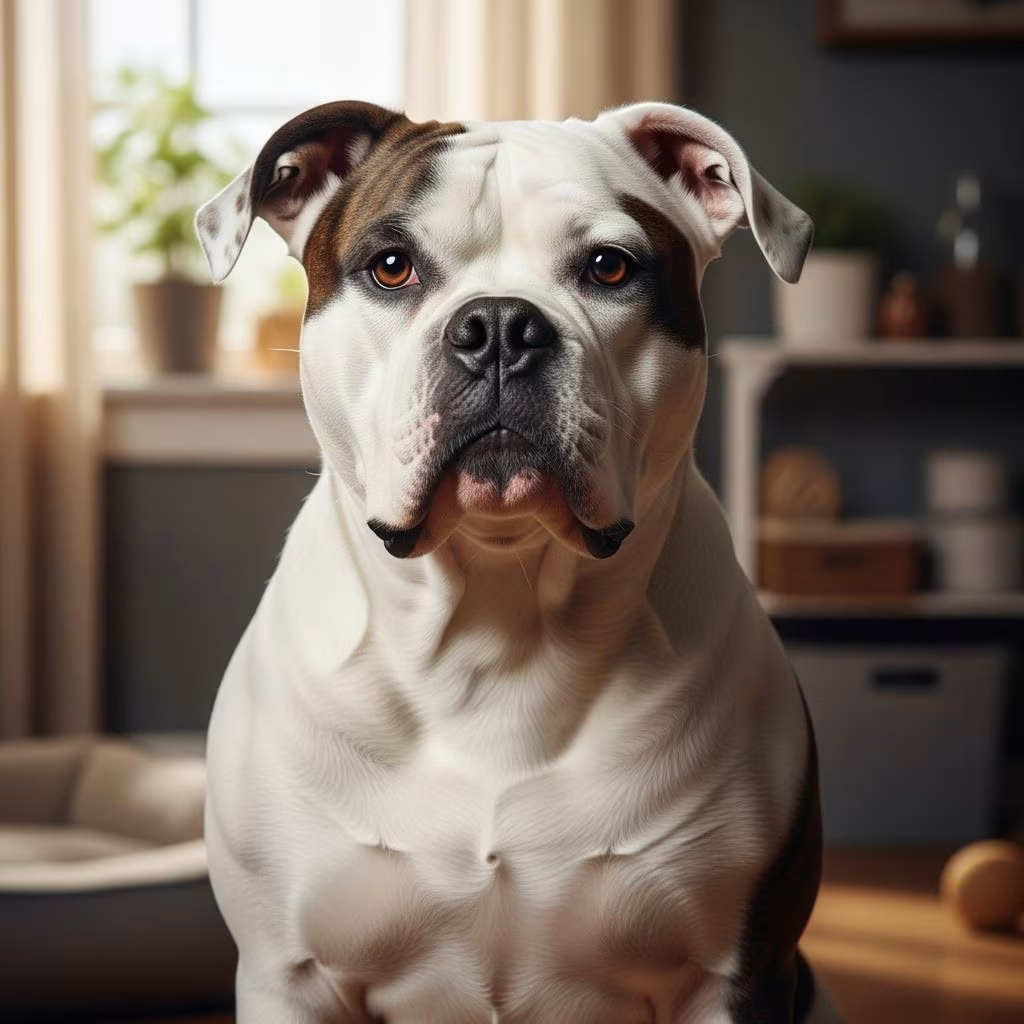
American Bulldogs are distinguished by their muscular build, impressive strength, broad head, and confident posture. Their physique reflects the breed’s historic use for catching cattle and hogs as well as personal protection.
General Appearance
- Stocky, robust, and athletic body
- Well-muscled with strong bones
- Head is large and broad, featuring a wide muzzle
- Ears: small to medium, high-set; can be drop, semi-prick, rose, or cropped
- Tail: natural or docked, with natural preferred; thick at base and tapering to a point
Breed Standards Table
| Feature | Description |
|---|---|
| Size | Medium to large; males larger and more muscular |
| Coat | Short, smooth, and close-fitting |
| Color | Solid colors, white with colored patches, brindle |
| Body Proportion | Slightly longer than tall |
| Foot Shape | Round, medium, well-arched, and tight |
| Tail | Pump handle preferred; natural or docked |
Head and Skull
- Skull: large, flat, deep and broad, square from the top
- Muzzle: broad and thick, slightly tapering; bully type 25-35% of head length, standard type 30-40%
- Jaws: very powerful
- Lips: moderately thick, not pendulous
- Eyes: alert, expressive
Hindquarters and Feet
- Hindquarters: broad, heavily muscled, balanced with forequarters
- Hind legs: thick, muscular thighs, short lower thighs, straight rear pasterns
- Feet: round, tight, with well-arched toes
Breed Varieties
There are two primary types of American Bulldog:
- Standard Type: Taller, athletic, less wrinkled; originally bred for hunting and utility work.
- Bully Type: Shorter, stockier, more wrinkled face; bred for catching and holding animals.
Most modern American Bulldogs are a blend of both types, exhibiting a mix of features.
Temperament and Personality
American Bulldogs are known for their courage, loyalty, playfulness, and protective instincts. They form strong bonds with their families and are particularly good with children when properly socialized. While generally gentle with loved ones, their natural wariness towards strangers makes early and ongoing socialization important.
- Confident and alert
- Loving and affectionate with family
- Can be standoffish with strangers, particularly when young
- Protective and possessive of home and property
- Playful and energetic
This breed excels as a personal protector and farm dog, capable of facing aggressive animals or uninvited intruders without hesitation. Fearlessness is a hallmark, but aggression or extreme shyness is not desirable; balanced American Bulldogs are stable, friendly, and reliable.
Living Needs and Suitability
- Space: Thrive in homes with a secure yard; need room for exercise.
- Exercise: Require daily vigorous activity—walking, running, playing.
- Companionship: Prefer close contact with family, dislike prolonged isolation.
- Socialization: Early exposure to people and animals is critical to reducing wariness and shaping a balanced temperament.
With their high energy and strong physical presence, American Bulldogs are best suited to active owners who can invest time in training, exercise, and social interaction. They can adapt to family life with children and other pets if introduced properly, although supervision is advised with young children due to their size and strength.
Training and Behavioral Guidance
American Bulldogs are attentive, intelligent, and eager to learn, but training must be consistent and firm. Their strength and protective instincts demand experienced handlers who can guide the breed’s energy and assertiveness appropriately.
- Positive Reinforcement: Rewards-based methods yield the best results, as Bulldogs respond well to praise and treats.
- Obedience Training: Essential from an early age for reliability and safety.
- Socialization: As puppies, frequent exposure to different people, pets, and environments reduces shyness or aggression.
- Mental Stimulation: Activities and toys that challenge their problem-solving skills prevent boredom and destructive behaviors.
- Physical Activity: Multiple daily walks, runs, and playtime are required to channel energy productively.
American Bulldog Health
Generally hardy, American Bulldogs do benefit from attentive health maintenance. Owners should be aware of breed-specific concerns and proactive about veterinary care.
Common Health Issues
- Hip and elbow dysplasia—especially in larger individuals
- Allergies—skin and food sensitivity can occur
- Obesity—active management through exercise and a balanced diet is essential
- Bloat—higher risk due to deep chest, prompt vet attention needed
- Cherry eye—prolapsed third eyelid, may require surgical correction
Preventative Care
- Routine veterinary examinations
- Maintain a healthy weight through portion-controlled feeding
- Regular physical activity
- Monitor for joint stiffness or discomfort
- Frequent skin and wrinkle cleaning to prevent infections
Nutrition and Feeding
A balanced diet is vital for the American Bulldog’s overall health and stamina. Food should be appropriate for age, size, and activity levels. Consider these tips:
- High-quality protein to support muscle maintenance
- Controlled fat intake for healthy energy levels
- Complex carbohydrates to sustain stamina
- Calcium and phosphorus for bone health
- Portion control to avoid excessive weight gain
Puppies require food formulated for growth, while adults benefit from diet tailored to activity and age. Fresh water should always be available.
Grooming and Maintenance
American Bulldogs have relatively low grooming needs due to their short, smooth coat. However, routine care keeps them comfortable and healthy.
- Brushing: Weekly with a firm bristle brush to remove loose hair
- Bathing: As needed, typically every 1–2 months
- Wrinkle care: Regular cleaning with pet-safe wipes to prevent infection
- Nail trimming: Monthly or as required
- Ear cleaning: Weekly, using canine-specific cleansers
- Dental hygiene: Brushing 2–3 times weekly
Due to sensitive skin, always use gentle, vet-approved shampoos and grooming products.
Ideal Living Environment
American Bulldogs thrive in homes where their exercise and emotional needs are met. A securely fenced yard is ideal for safe, off-leash play. They do best with owners who are present and engaged, as boredom can lead to undesirable behaviors. Apartments may be suitable if the dog receives ample exercise and stimulation daily, though extra efforts will be needed.
Adoption and Buying Advice
- Choose reputable breeders or rescue organizations with rigorous health screening processes.
- Prioritize puppies from parents with documented health clearances.
- Seek transparency regarding family history and temperament.
- Meet dogs in person when possible to assess behavior and suitability.
American Bulldogs are sometimes available through breed-specific rescues. Adoption is encouraged for experienced owners familiar with strong, working breeds.
American Bulldog vs. Other Bulldogs
| Characteristic | American Bulldog | English Bulldog |
|---|---|---|
| Build | Rugged, athletic, taller | Short, stocky, low to ground |
| Lifespan | 10–14 yrs | 8–10 yrs |
| Temperament | Alert, protective, outgoing | Calm, affectionate, laid-back |
| Exercise Needs | High; daily vigorous activity | Low-moderate; short walks |
| Health Concerns | Joints, bloat, cherry eye, allergies | Wrinkle issues, respiratory problems |
Frequently Asked Questions (FAQs)
Are American Bulldogs good family dogs?
Yes. They are loving, protective, and affectionate toward their families, including children, but benefit from early socialization and supervision with young kids due to their strength.
How much exercise does an American Bulldog need?
They require vigorous daily exercise (at least 60–90 minutes), including walks, runs, and interactive play. Without sufficient activity, they may become bored and destructive.
Do American Bulldogs get along with other pets?
With early socialization, many American Bulldogs coexist peacefully with other dogs and pets. However, their strong prey drive may require careful management around smaller animals.
Are American Bulldogs easy to train?
American Bulldogs are intelligent and responsive when training is positive, consistent, and firm. Early obedience classes and ongoing socialization are recommended.
What health problems are common in American Bulldogs?
Hip and elbow dysplasia, skin and food allergies, obesity, bloat, and cherry eye are relatively common. Regular vet checkups help address these risks proactively.
How often should I groom my American Bulldog?
Weekly brushing, monthly bathing, and regular cleaning of skin folds and ears keep American Bulldogs healthy and comfortable.
Final Thoughts
The American Bulldog is a breed that combines muscular strength, alertness, and steadfast loyalty with a gentle and affectionate nature. With attentive training, early socialization, and dedicated owners, American Bulldogs make outstanding companions for families, working professionals, or anyone seeking a devoted and active canine friend.