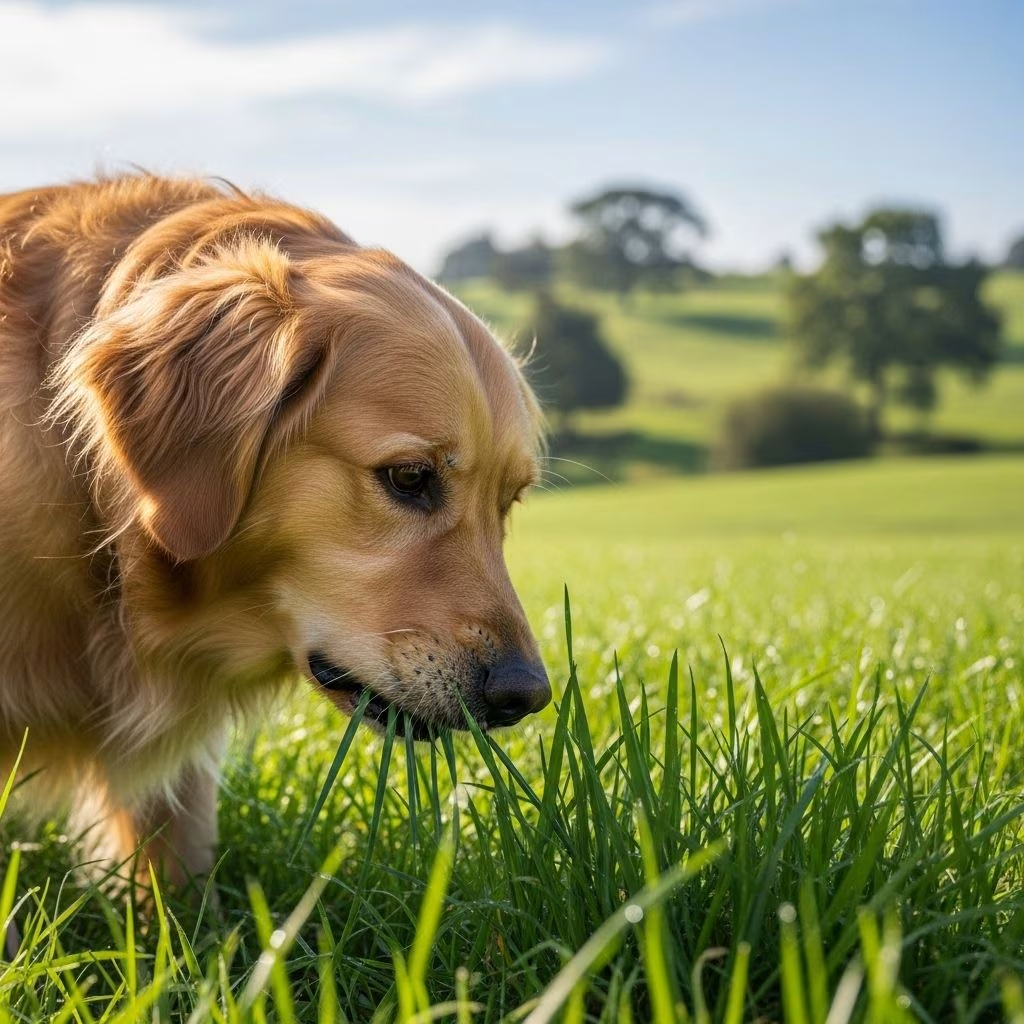
Dog owners across the world share a common curiosity—and sometimes concern—when they spot their pets nibbling on grass during walks or in the backyard. While this behavior may seem puzzling, research and veterinary professionals suggest it is a normal phenomenon for most dogs. This article explores the multifaceted reasons behind canine grass eating, its potential health implications, and when, if ever, dog owners should intervene.
Is It Normal for Dogs to Eat Grass?
Yes, eating grass is a common and generally normal dog behavior. Surveys indicate that most dogs have eaten grass at some point, with some studies reporting up to 68% of dogs regularly engaging in some form of plant-eating each week. Dogs, like several of their wild canine relatives, naturally graze or nibble on plants and grasses in their environment.
- Usually harmless when it occurs occasionally.
- Most dogs do not display signs of illness before grass-eating episodes.
- Grass typically passes through the digestive tract undigested.
Common Theories: Why Do Dogs Eat Grass?
Despite years of observation and research, there is no single explanation for why dogs eat grass. The following are the leading theories that help demystify this behavior:
Nutritional Needs and Dietary Deficiencies
One of the most prominent hypotheses is that dogs may eat grass to compensate for nutritional gaps in their diet, particularly a lack of fiber. Fiber supports healthy digestion and regular bowel movements. In some cases, dogs that were switched to a higher-fiber diet decreased their grass-eating habit, suggesting a potential link between grass consumption and dietary fiber deficiency.
- Fiber deficiency is the most common nutritional link.
- Some owners report reduced grass-eating after dietary changes.
- For most commercial dog foods, true dietary deficiencies are uncommon.
Instinctual and Ancestral Behaviors
The canine lineage traces back to wild ancestors like wolves, jackals, and coyotes—species that occasionally consume grasses and plants. Some experts believe domestic dogs inherit this instinctual behavior as a species trait, a remnant of their carnivore-omnivore background.
- Wild canids ingest plant matter during scavenging or while consuming prey.
- Grass or plant consumption may aid in the expulsion of parasites or indigestible materials.
- Not all dogs exhibit this instinct, but it is widely observed.
Digestive Relief and Self-Medication
A commonly held belief is that dogs eat grass to settle an upset stomach or induce vomiting when feeling unwell. Some dogs will eat grass rapidly and vomit soon after, but research finds this is the exception, not the rule. In most cases, dogs are not sick before eating grass, nor do they vomit after.
- The behavior may occasionally help dogs clear their stomachs of irritants.
- Veterinaries caution not to assume all grass-eating is a sign of illness.
- Frequent vomiting should prompt a veterinary visit to rule out underlying health issues.
Boredom, Anxiety, and Behavioral Triggers
Some dogs munch on grass due to behavioral reasons rather than physiological ones. Boredom, anxiety, and the need for attention can all drive this activity.
- Boredom: Dogs lacking stimulation may eat grass to pass the time or entertain themselves.
- Anxiety: Like compulsive licking or chewing, grass-eating can be a coping mechanism in stressful environments.
- Attention-seeking: Some dogs learn that eating grass prompts attention or interaction from their owner, turning it into a recurring behavior.
What Does Science Say? Grass Eating in Research
Studies looking at grass-eating behavior reinforce its prevalence and mostly benign nature:
- Most grass-eating incidents occur without prior signs of gastrointestinal distress.
- Vomiting afterward is relatively rare—less than 25% of cases.
- Pica (the craving for non-food items) is a term used to describe this behavior in dogs, and it can have hormonal or psychological causes as well.
- Research suggests that providing appropriate dietary fiber and mental stimulation can decrease grass-eating frequency in some dogs.
Is Eating Grass Dangerous for Dogs?
For the majority of dogs, eating small amounts of untreated grass is not inherently dangerous. However, some risks do exist:
- Chemical Exposure: Lawns treated with pesticides, herbicides, or fertilizers pose a poisoning risk. Dogs should never be allowed to eat chemically treated grass, as ingestion can lead to vomiting, neurological issues, or worse.
- Parasite Transmission: Outdoor grass, especially in public areas, may harbor intestinal parasites, eggs, or larvae that can infect dogs.
- Plant Toxicity: Not all plants and grasses are safe for canine consumption. Some ornamental plants can be toxic.
- Choking Hazard: Large blades or clumps of grass could cause choking, though this is rare.
If your dog is otherwise healthy and the grass is not contaminated, small amounts of occasional grazing are unlikely to cause harm.
When Should You Worry?
While most cases are benign, there are situations when grass eating could signal a problem:
- Frequent Vomiting: Dogs that vomit repeatedly after eating grass should see a veterinarian for evaluation.
- Changes in Appetite or Behavior: Lethargy, weight loss, diarrhea, or severe gastrointestinal symptoms along with grass eating may indicate a health concern.
- Sudden Increase in Grass Consumption: Marked changes in frequency or duration should be discussed with a vet.
How to Reduce Grass-Eating Behavior
Most dog owners want to know how to curb this quirky habit, especially if it’s excessive or concerning. Consider the following strategies:
- Enrich Your Dog’s Environment: Provide toys, chews, and engaging activities.
- Increase Exercise: Regular walks and play reduce boredom-based behaviors.
- Balanced Diet: Ensure your dog’s food meets nutritional requirements, especially for fiber. Consult your veterinarian about dietary adjustments.
- Train Alternative Behaviors: Redirect with obedience commands and positive reinforcement.
- Limit Access: Prevent unsupervised foraging in treated lawns or public locations.
Frequently Asked Questions About Dogs Eating Grass
Q: Do dogs eat grass because they’re sick or trying to vomit?
A: While some dogs may vomit after eating grass, most do not appear sick before grazing, nor do they always vomit afterward. Vomiting is more likely a side-effect than a primary motivation in most healthy dogs.
Q: Can eating grass harm my dog?
A: Generally, no if the grass is chemical-free and consumed in small amounts. Danger arises when lawns are treated with harmful chemicals or if dogs consume toxic plants or contaminated grass.
Q: Should I stop my dog from eating grass?
A: Intervene only if you suspect the grass is treated with pesticides, your dog is eating excessive quantities, or if you observe vomiting, diarrhea, or signs of distress. Otherwise, casual nibbling is usually harmless.
Q: Is grass eating linked to pica in dogs?
A: Yes, grass eating is considered a form of pica—an appetite for non-food substances. This may be due to dietary, psychological, or medical reasons and is best discussed with a veterinarian if persistent.
Q: Should I change my dog’s diet if it eats grass?
A: If your dog eats grass frequently, consult a veterinarian about your dog’s nutrition. Sometimes increasing dietary fiber can help, though most commercial diets are balanced for canine needs.
Quick Reference Table: Common Reasons Dogs Eat Grass
| Reason | Description | Action Needed? |
|---|---|---|
| Dietary Deficiency | Seeking fiber or missing nutrients | Check diet; consult vet if persistent |
| Instinct/Ancestry | Inherited behavior from wild canids | Usually none |
| Boredom/Anxiety | Mental stimulation lacking | Provide enrichment |
| Digestive Relief | Aid upset stomach or self-induce vomiting | Contact vet if frequent or severe |
| Enjoyment | Likes taste, texture, or sensation | No action needed if safe |
Expert Tips for Managing Grass-Eating Dogs
- Regularly inspect your lawn for hazardous plants and avoid use of toxic lawn products.
- Monitor your dog’s grazing habits and note any changes in behavior, frequency, or health.
- Provide a well-rounded diet and enrichment to minimize grass-eating due to boredom or deficiency.
- Consult your veterinarian if grass-eating is accompanied by vomiting, appetite loss, diarrhea, or any worrisome signs.
Summary
Dogs eat grass for a blend of instinctive, nutritional, and behavioral reasons. For most, grazing is harmless, but it’s always wise to be mindful of environmental toxins and consult a veterinarian with any concerns. By understanding the motivations behind your dog’s grass-eating habits, you can better support their well-being and know when further attention may be needed.
References
- https://www.britannica.com/science/Why-Do-Dogs-Eat-Grass
- https://www.delawareonline.com/story/life/pets/2025/04/13/can-my-dog-eat-grass-foods-your-dog-should-not-eat/83029898007/
- https://www.pawlovetreats.com/blogs/paw-love-blog/why-do-dogs-eat-grass
- https://www.petful.com/pet-health/dogs-eating-grass/
- https://www.dogfoodadvisor.com/dog-health/why-do-dogs-eat-grass/
- https://vmsvet.net/what-to-do-if-your-pet-eats-grass/
- https://www.petmd.com/dog/care/p/6
- https://colaskitchen.com/blog-posts/why-do-dogs-eat-grass
- https://www.rover.com/community/question/17453/why-does-my-dog-eat-a-lot-of-grass/