The Aussiedoodle—sometimes called the Aussiepoo or Aussiepoodle—is a standout among Doodle breeds, blending the keen intelligence of the Poodle with the athleticism and loyalty of the Australian Shepherd. Valued for their trainability, affection, and low-shedding coats, Aussiedoodles are a popular companion for active families, adventure seekers, and those looking for a devoted four-legged friend. This comprehensive guide provides everything you need to know about Aussiedoodles—from physical characteristics to health, care, and choosing the right pup for your family.
Breed Overview
- Origin: North America
- Parent breeds: Australian Shepherd and Poodle (Standard or Miniature)
- Other names: Aussiepoo, Aussiepoodle
- Popular for: Intelligence, agility, affectionate nature, hypoallergenic tendencies
| Size | Weight | Height |
|---|---|---|
| Miniature | 15–40 lbs | 10–14 inches |
| Standard | 40–70 lbs | 15–23 inches |
Breed Characteristics
- Activity Level: High – best suited to energetic owners
- Barking/Howling Level: Medium – may alert but not overly vocal
- Trainability: Excellent – highly intelligent and eager to please
- Good with Children: Yes – playful and affectionate, especially with early socialization
- Good with Other Dogs: Yes – friendly and typically sociable
- Good with Cats: Variable – early introduction recommended
- Shedding: Low to Moderate – depends on coat type
- Grooming Requirements: Medium to High – wavy, curly, or long coats need regular care
Aussiedoodle Appearance
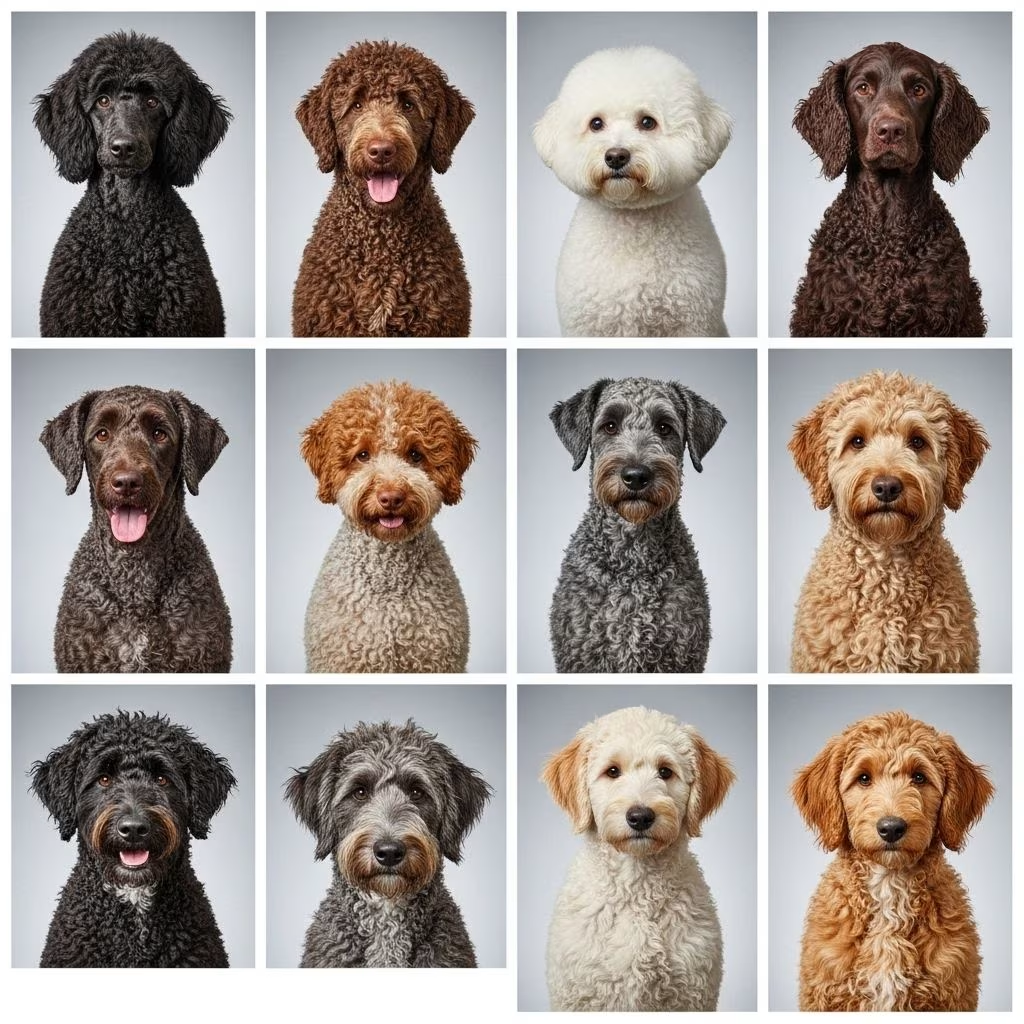
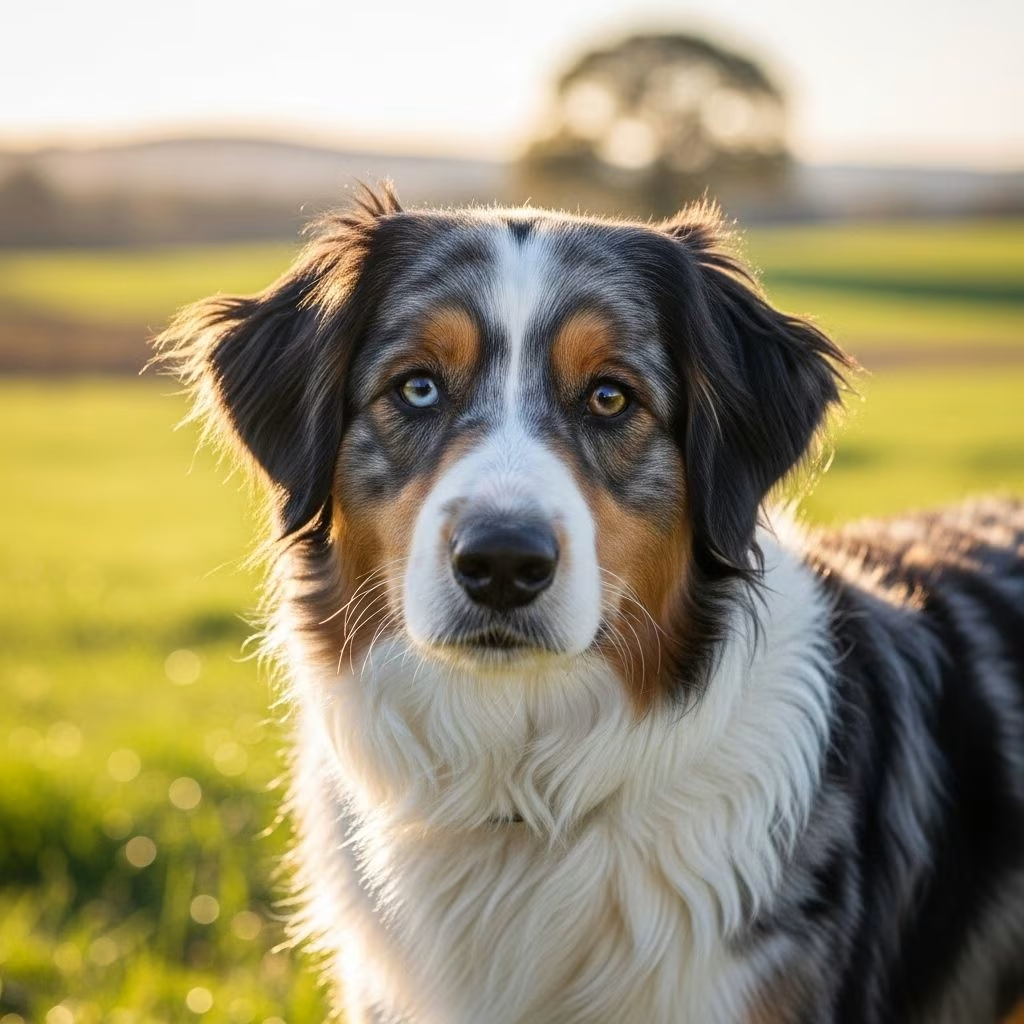
Aussiedoodles are a true mix dog, and their looks can range widely, even within a single litter. Their coats can display the marbled patterns of the Australian Shepherd or the tight, low-shedding curls of the Poodle. Eye colors vary (brown, blue, amber, and heterochromia are all possible), and there’s notable diversity in coat colors and textures.
- Coat Length & Texture: Medium to long; wavy, curly, or straight
- Common Coat Colors:
- Blue merle
- Red merle
- Black & tan (sometimes called “Phantom”)
- Sable
- Apricot, black, brown, cream, gray, silver, white
- Bicolor, tricolor, or solid (rare)
- Ears: Floppy; may sit higher or lower depending on parent influence
- Nose: Black, brown, or pink
- Tail: Usually long and carried over the back; sometimes naturally bobbed
Two Aussiedoodle siblings may look remarkably different, so meeting the parents is the best way to estimate your pup’s adult appearance and size.
Aussiedoodle Personality and Temperament
Aussiedoodles are often described as bright, energetic, and loving. They thrive in households that can give them daily mental and physical stimulation. This breed forms close bonds with their people and is known for both playfulness and sensitivity.
- Affectionate: Deeply bonded and loyal to family
- Playful: Enjoy games and outdoor activities
- Intelligent: Excel at learning tricks, agility, and obedience
- Alert: May act as watchdogs but are generally friendly
- Adaptability: Can thrive in various homes with proper exercise
- Great with Children: Patient and gentle (always supervise young children with any dog)
- Potential for Mischief: Without engagement, may find their own (sometimes naughty) ways to burn energy
History of the Aussiedoodle
The Aussiedoodle is a relatively new designer breed, purposefully developed in North America in the late 1990s and early 2000s to unite the best qualities of the Australian Shepherd and Poodle. While accidental crosses may have happened earlier, modern Aussiedoodles are bred for companionship, intelligence, and, for some, more hypoallergenic features.
Note: The Aussiedoodle is distinct from the Australian Labradoodle; the latter includes Labrador Retriever ancestry. The Australian Shepherd, despite its name, was originally developed in the western United States for herding livestock during the Gold Rush era.
Aussiedoodle Health and Life Expectancy
- Life Span: 12–15 years (with proper care)
- General Health: Generally healthy; hybrid vigor can reduce (but not eliminate) certain hereditary risks
Potential health concerns:
- Hip dysplasia
- Elbow dysplasia
- Progressive retinal atrophy (PRA) and other eye issues
- Epilepsy
- Addison’s disease
- Allergies
Responsible breeders should test parent dogs for common genetic issues prevalent in both Australian Shepherds and Poodles. Ask to see health clearances before purchasing a puppy.
Aussiedoodle Care Needs
Exercise Requirements
The Aussiedoodle’s energy and intelligence mean they require daily exercise and enrichment. Without sufficient activity, they can become bored and develop undesirable behaviors. A typical Aussiedoodle thrives with:
- At least 1–2 hours of vigorous exercise daily
- Activities such as running, hiking, swimming, agility, and fetch
- Mental challenges—puzzle toys, trick training, and scent games
This is not an ideal breed for sedentary homes or apartment living unless daily exercise is provided.
Training
- Extremely trainable—respond well to reward-based and positive reinforcement methods
- Early socialization is vital to prevent shyness or nervousness
- Can excel in therapy work, service dog roles, and canine sports
- Need boundaries and consistency—Aussiedoodles are quick to pick up patterns (good and bad!)
Grooming Needs
Grooming requirements vary greatly depending on the coat type inherited:
- Curly or Wavy Coats: Require brushing every 2–3 days and professional grooming every 6–8 weeks
- Straight or Less Curly Coats: Generally shed more and may require weekly brushing
- Routine care—nail trimming, dental care, and ear cleaning—remains essential for all Aussiedoodles
Nutrition
Feed your Aussiedoodle a high-quality commercial or vet-recommended homemade diet appropriate for their age, size, and energy level. Portion control, regular exercise, and weight monitoring help prevent obesity—a risk for joint issues and other health problems.
Finding Your Aussiedoodle: Breeder vs. Adoption
Choosing an Aussiedoodle Breeder
- Always meet the puppy’s parents and see the litter if possible
- Request documentation of health clearances for both parents
- Research breeders thoroughly to avoid puppy mills and scams—look for transparency and good reputations
- AKC does not officially recognize the Aussiedoodle; reputable breeders can be found through specialty clubs, referrals, and word of mouth
Adopting an Aussiedoodle
Many Aussiedoodles find their way into rescues and shelters. Whether released from puppy mills or surrendered due to family changes, these dogs often make wonderful companions. Advantages include:
- Possibility of a dog already trained and socialized
- Rescues often ensure basic health checks and vaccinations
- Adoption helps reduce the impact of irresponsible breeding practices
Check breed-specific rescues and local shelters via online resources.
Is the Aussiedoodle Right for You?
This breed is best for families or individuals seeking a fun-loving, energetic companion and who can dedicate the time for active living and engagement. If you want a low-shedding, highly trainable, affectionate partner to share adventures, the Aussiedoodle may fit perfectly into your life. However, they are not ideal for sedentary households or those seeking an independent or low-maintenance pet.
Frequently Asked Questions (FAQs)
Q: Are Aussiedoodles hypoallergenic?
A: Aussiedoodles often don’t shed much and may be more tolerable to people with mild allergies. However, not all are truly hypoallergenic, as allergy potential varies by individual dog and coat type.
Q: How big do Aussiedoodles get?
A: Sizes vary; Miniature Aussiedoodles generally weigh 15–40 pounds and stand 10–14 inches tall, while Standard Aussiedoodles are 40–70 pounds and 15–23 inches tall when fully grown.
Q: Are Aussiedoodles good with kids and other pets?
A: Yes, Aussiedoodles are usually very sociable and good with children and other dogs. Early socialization is recommended for the best behavior with all family members—including cats.
Q: How much grooming does an Aussiedoodle need?
A: Grooming needs vary by coat type but can be moderate to high. Most require brushing several times per week and professional grooming every few months.
Q: How long do Aussiedoodles live?
A: Aussiedoodles are relatively healthy with a life expectancy of 12–15 years, provided they receive proper care, exercise, and regular veterinary checkups.
Q: Is the Aussiedoodle recognized by the AKC?
A: No, the Aussiedoodle is a hybrid, not an AKC-recognized purebred. Breed-specific clubs and enthusiast groups provide resources for owners and breeders.
Aussiedoodle At-a-Glance
- Affectionate, loyal, highly trainable
- Active lifestyle a must
- Varied appearance and coat types
- Good with children and other pets
- Lifespan of 12–15 years with proper care
Whether through a responsible breeder or a reputable rescue, the Aussiedoodle can bring endless joy, laughter, and adventure to the right family. Prepare for energy, affection, and a lasting bond—the Aussiedoodle is truly a bright star in the world of companion dogs.
References
- https://www.petmd.com/dog/care/types-of-doodle-dogs
- https://www.petmd.com/dog/breeds
- https://www.rover.com/blog/breeds/aussiedoodle/
- https://www.youtube.com/watch?v=HeVhW4qk5Tk
- https://post.bark.co/breeds/aussiedoodle-guide/
- https://www.leafacademy.in/?p=101515498081900
- https://www.chewy.com/education/dog-breeds/aussiedoodle