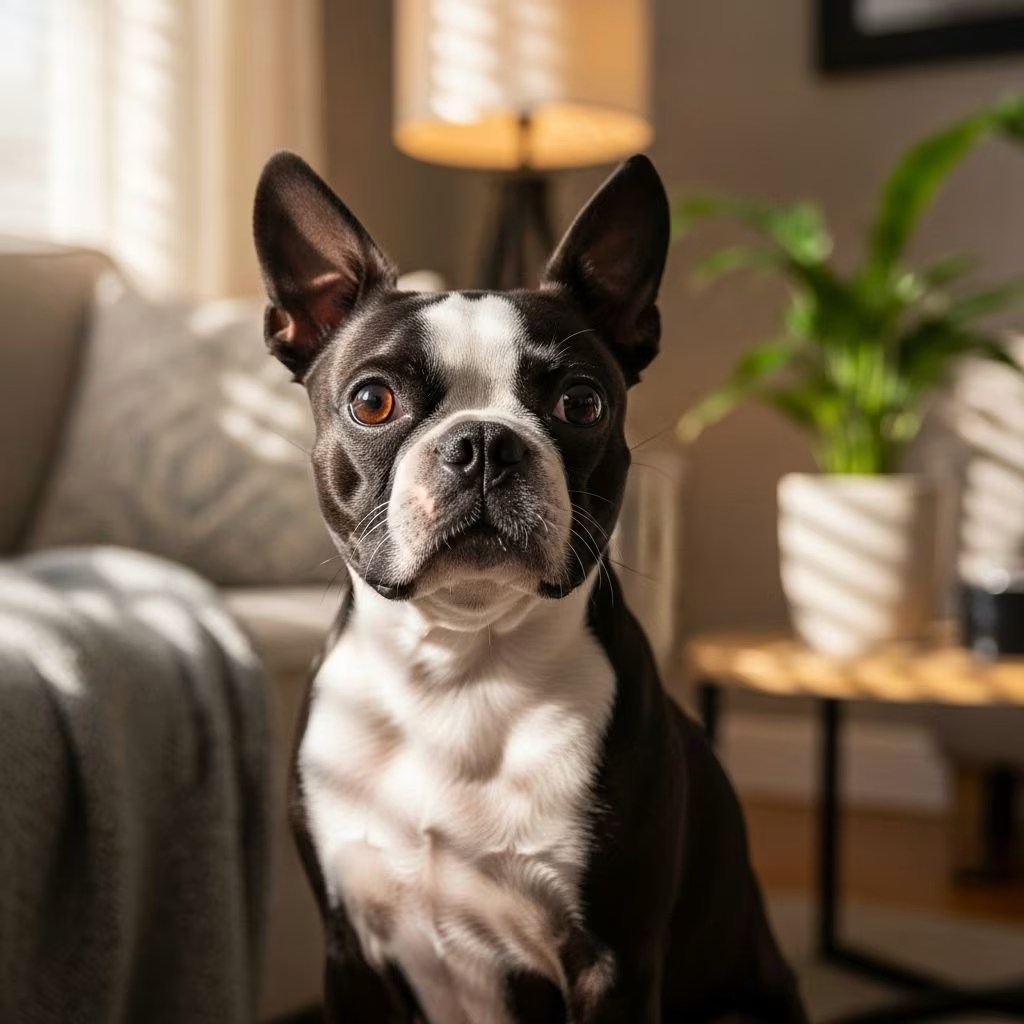
The Boston Terrier is one of America’s most iconic and beloved dog breeds. Dubbed the “American Gentleman” for both its tuxedo-like markings and refined demeanor, this compact companion combines boundless energy, intelligence, and affection. Whether you live in a bustling city or a quiet suburb, the Boston Terrier’s agreeable, charming, and fun-loving personality makes it a favorite among families, singles, and seniors alike.
Breed Snapshot
| Height | 15–17 inches |
|---|---|
| Weight | 10–25 pounds (typically 12–25 lbs) |
| Life Expectancy | 11–14 years |
| Group | Non-Sporting |
| AKC Recognition | Recognized since 1893 |
| Origin | United States (Boston, Massachusetts) |
History and Origins
The Boston Terrier originated in Boston, Massachusetts, in the late 19th century. Developed by crossing English Bulldogs and now-extinct white English Terriers, breeders aimed to create a compact, stylish, affectionate companion. Over time, selective breeding reduced the original fighting dog tendencies, resulting in the friendly, even-tempered pet seen today. The Boston Terrier became the first uniquely American breed to be recognized by the American Kennel Club (AKC), earning official recognition in 1893.
Physical Characteristics
The Boston Terrier is easily recognized for its compact, muscular frame and squarely balanced appearance. Despite their small size, they are sturdy and well-built, with a body that is proportionate and athletic.
- Head: Square and flat on top, with a short, broad muzzle and distinct stop.
- Eyes: Large, round, dark, and wide-set, exuding intelligence and curiosity. Blue eyes may occur, though dark eyes are preferred according to the breed standard.
- Ears: Small, erect, and pointed—often compared to bat ears. Some Bostons are born with floppy ears, but most naturally stand upright.
- Tail: Naturally short and set low, usually straight or corkscrew-shaped and rarely exceeding 2 inches.
- Build: Compact, with a broad chest, strong limbs, and a level topline.
Coat and Color
Boston Terriers have a short, smooth, and fine coat, making them easy to groom. Their coat features distinct tuxedo-style markings, lending the breed its nickname. Officially accepted color patterns include:
- Brindle & White: Brindle is a brownish color with interspersed streaks of other colors.
- Black & White: Classic black with sharp white markings.
- Seal & White: Seal appears black indoors but shows a reddish cast in bright light.
Breed standards require Bostons to display certain white markings: a white band on the muzzle, a white blaze between the eyes, and a white chest. Symmetrical patterns are favored in show dogs, and solid colors or other variations are not recognized in official standards.
Personality and Temperament
The Boston Terrier is famed for its friendly, cheerful, and sometimes clownish demeanor. These dogs are outgoing and affectionate, making them excellent companions.
- Playful and Fun-Loving: Boston Terriers thrive on social interaction and love entertaining their families with playful antics and expressive faces.
- Affectionate: This breed is deeply devoted to its owners and scores high for affection—expect lots of cuddles and companionship.
- Intelligent and Eager to Please: They are quick learners who respond well to positive reinforcement and enjoy structured activities and games.
- Adaptable: Bostons adjust well to different lifestyles and environments—whether living in an apartment or a house, they are content as long as they are included in family life.
- Alert but Not Yappy: While they are good watchdogs due to their attentiveness, Boston Terriers rarely bark excessively and tend to be quiet unless something grabs their attention.
- Good With Children and Other Pets: Their sturdy build and tolerant nature make them suitable for families with respectful children. They generally get along with other pets, especially if properly socialized from an early age.
- Sense of Humor: Owners often cite their Boston’s comic streak, with funny behaviors that amuse and delight.
- Potential for Separation Anxiety: Their strong attachment can lead to anxiety if left alone for long periods.
Living Needs
- Ideal for Urban and Apartment Living: Thanks to their small size, low barking tendencies, and adaptable nature, Boston Terriers are well-suited for city life. They do not require a large yard as long as they get daily walks and playtime.
- Exercise: This breed has moderate energy needs. Daily walks and active play sessions are sufficient. Bostons love to retrieve toys and engage in short games of fetch.
- Companionship: Boston Terriers thrive when they are included as part of the family and involved in daily activities.
- Safety With Children: Their size and sturdy frame reduce the risk of injury during supervised play with children; however, children should be taught to handle all dogs gently.
Care and Grooming
Boston Terriers require minimal grooming due to their short, thin coat, but there are several routine care requirements to keep them healthy and comfortable:
- Brushing: Weekly brushing with a soft bristle brush or grooming mitt removes loose hair and keeps the coat shiny.
- Bathing: Occasional baths are sufficient unless the dog gets into something dirty.
- Facial Folds: Regularly clean any facial folds or creases to prevent irritation and infection, especially around the nose and eyes.
- Eyes: Monitor daily for tear stains and discharge; gently wipe as needed to maintain eye health.
- Ears: Inspect and clean regularly to prevent wax buildup and infection.
- Nail Trimming: Trim nails every few weeks to maintain healthy feet and prevent discomfort.
- Dental Care: Brush teeth several times a week and provide dental chews to prevent tartar and gum disease.
Common Health Considerations
While generally healthy, Boston Terriers may be prone to several breed-specific issues due to their unique physiology.
- Brachycephalic Syndrome: Flat-faced breeds like the Boston can have respiratory challenges. Avoid strenuous activity in heat or humidity and monitor for signs of breathing distress.
- Eye Issues: Their prominent eyes are susceptible to injuries, dry eyes, corneal ulcers, and cataracts. Immediate veterinary care is needed for eye injuries.
- Allergies and Skin Problems: Some individuals develop allergies leading to itchy skin or ear infections.
- Patellar Luxation: Kneecap dislocation is a risk in small breeds but can be managed with veterinary guidance.
- Deafness: Congenital deafness occurs occasionally, particularly in predominantly white dogs.
- Digestive Sensitivity: Some Bostons are prone to flatulence and sensitive stomachs; feeding a high-quality, digestible diet may help.
- Snoring and Noisy Breathing: Grunting, snuffling, and snoring are common and typically not a cause for concern unless extreme.
With proper routine care, most Boston Terriers enjoy robust health and long lifespans. Regular veterinary visits and a healthy lifestyle are key to preventing or managing many common health concerns.
Training and Socialization
- Intelligent and Responsive: Boston Terriers are eager to learn and respond well to positive reinforcement, such as treats, praise, and play.
- House Training: With consistency and patience, most Boston Terriers become reliably house-trained.
- Basic Commands: Early enrollment in puppy classes and training for basic commands like “sit,” “stay,” and “come” will ensure a well-behaved companion.
- Socialization: Expose your Boston Terrier to varied people, places, and other animals early to develop a friendly and confident adult dog.
- Behavioral Quirks: Their sensitive nature means harsh correction can discourage them; use gentle, reward-based training for best results.
Diet and Nutrition
Provide your Boston Terrier with a balanced, complete dog food appropriate for their age, activity level, and size. Monitor weight closely, as obesity can worsen breathing issues and strain their joints. Use healthy treats and avoid feeding table scraps. Clean, fresh water should always be available.
Adoption and Finding a Boston Terrier
- Reputable Breeders: Seek breeders who prioritize responsible health screening and well-socialized puppies. Meet the puppy’s parents when possible to assess health and temperament.
- Rescue Organizations: Consider adopting from a Boston Terrier rescue or animal shelter. Many wonderful dogs of all ages need loving homes.
- Initial Costs: Factor in initial veterinary exams, vaccinations, spay/neuter costs, and supplies (bed, crate, collar, toys). Ongoing costs include food, grooming, vet care, and training.
Fun Facts About Boston Terriers
- State Dog: The Boston Terrier became the official state dog of Massachusetts in 1979.
- American Gentleman: The nickname comes from their tuxedo coat and amiable personality.
- High Charm Factor: Their expressive eyes and comic antics make them internet favorites and beloved family friends.
- Popular Companions: Boston Terriers consistently rank among the most popular American dog breeds.
- Adaptable Athletes: Though not high-energy, they enjoy canine sports like agility or scent work.
Frequently Asked Questions (FAQs)
Are Boston Terriers good with children?
Yes, Boston Terriers are typically affectionate and tolerant, making them a good choice for families. As with any breed, teach children to handle dogs gently to ensure safe interactions for both child and dog.
How much exercise does a Boston Terrier need?
They have moderate energy levels; one or two daily walks and some playtime generally satisfy their needs. They enjoy games like fetch and benefit from interactive play with their owners.
Are Boston Terriers easy to train?
Yes, their intelligence and desire to please make them quick learners, especially when trained with positive reinforcement methods. Consistency and patience are important—with gentle guidance, they respond exceptionally well.
Do Boston Terriers shed a lot?
Boston Terriers are considered low to moderate shedders. Weekly brushing helps keep shedding minimal and their coat healthy.
Are Boston Terriers hypoallergenic?
No dog is truly hypoallergenic, but Boston Terriers’ short coat and low shedding make them easier to tolerate for some allergy sufferers. Regular cleaning helps reduce allergens in the home.
Do they snore or make unusual noises?
Yes, as a flat-faced (brachycephalic) breed, Boston Terriers frequently snort, snuffle, snore, and may have some audible breathing, especially when sleeping. This is generally not problematic unless breathing appears labored.
Is the Boston Terrier Right for You?
If you want a friendly, sociable, and playful companion who is easy to groom and adapts to different lifestyles, the Boston Terrier may be your perfect match. Bostons thrive on family interaction and repay attention with loyalty, entertainment, and plenty of love.
As with any breed, research and preparation will ensure a long, healthy, and happy relationship with your four-legged friend. The Boston Terrier’s rich American heritage and winning personality promise years of joy and companionship.
References
- https://www.petmd.com/dog/general-health/french-bulldog-vs-boston-terrier
- https://www.akc.org/dog-breeds/boston-terrier/
- https://www.hillspet.com/dog-care/dog-breeds/boston-terrier
- https://www.petmd.com/dog/general-health/flat-faced-dogs
- https://en.wikipedia.org/wiki/Boston_Terrier
- https://www.webmd.com/pets/dogs/what-to-know-boston-terrier
- https://www.aspcapetinsurance.com/resources/fun-facts-about-boston-terriers/